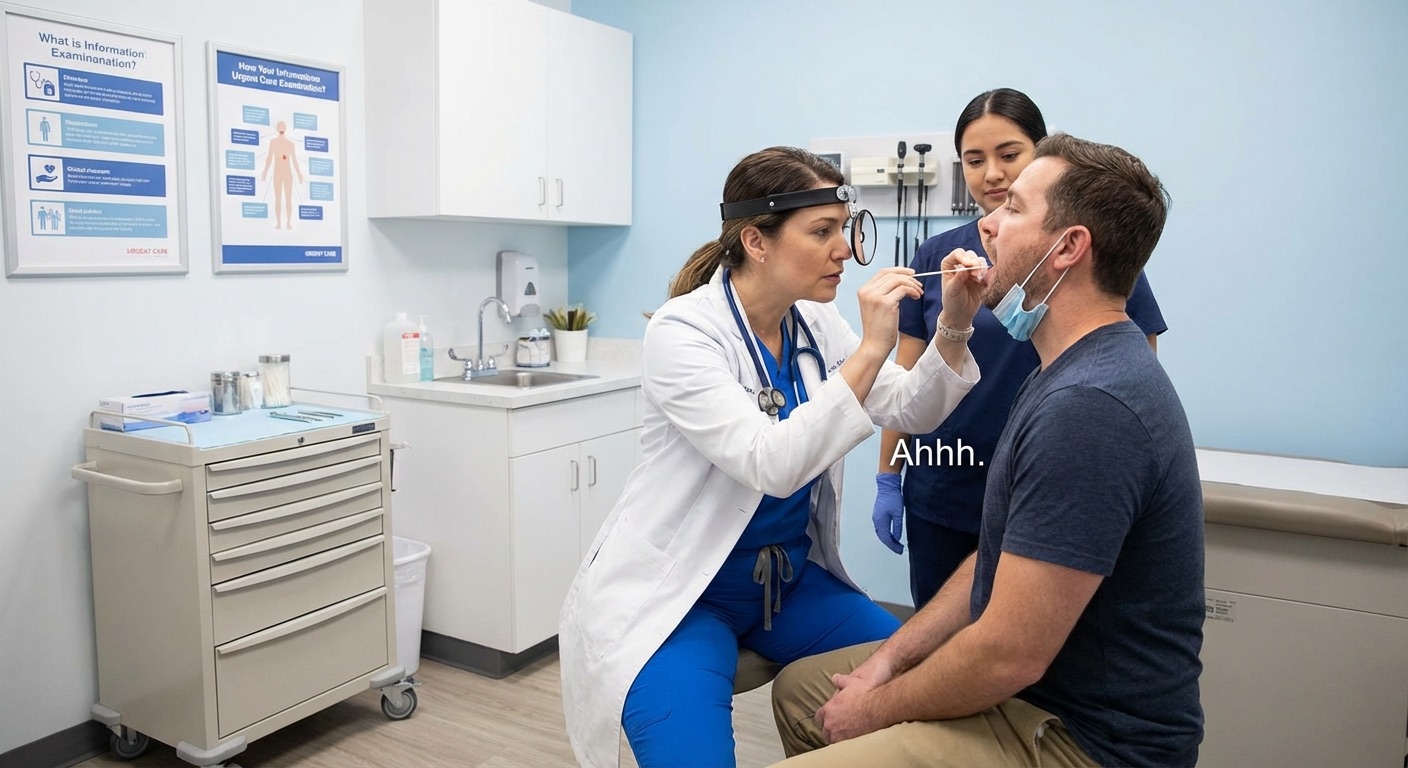

Cellulitis is a common bacterial skin infection that can become serious if left untreated. If you notice an area of skin that is red, swollen, warm to the touch, and expanding, you should seek medical treatment promptly. CityHealth Urgent Care in San Leandro can diagnose cellulitis, prescribe appropriate antibiotics, and monitor your recovery.
What Is Cellulitis?
Cellulitis is a bacterial infection of the deeper layers of skin and the tissue beneath it. It occurs when bacteria — most commonly Staphylococcus or Streptococcus — enter through a break in the skin such as a cut, scrape, insect bite, or surgical wound. Without treatment, cellulitis can spread to the bloodstream and become life-threatening.
Cellulitis Symptoms
- Red, expanding area of skin — the hallmark sign. The redness often spreads over hours to days.
- Swelling — the affected area feels puffy and tight
- Warmth — the infected skin feels hot to the touch
- Pain or tenderness — ranging from mild to severe
- Fever — indicates the infection may be spreading
- Red streaking — red lines extending from the infected area toward nearby lymph nodes
- Skin dimpling — similar to orange peel texture
Pro tip: Use a pen to draw a line around the edge of the redness. If the redness extends beyond the line within a few hours, seek medical care immediately — the infection is spreading.
When to Go to Urgent Care vs the ER for Cellulitis
| Urgent Care | Emergency Room |
|---|---|
| Small area of redness (smaller than your palm) | Large or rapidly expanding area |
| No fever | High fever (102°F+) with chills |
| Cellulitis on arm, leg, or trunk | Cellulitis on face, near eyes, or near groin |
| Healthy immune system | Diabetes, HIV, chemotherapy, or other immunosuppression |
| No red streaking | Red streaks extending from infection |
Cellulitis Treatment at Urgent Care
At CityHealth, our providers will:
- Examine the infection — assess size, severity, and whether it shows signs of abscess
- Check for systemic infection — vital signs, temperature, and assessment for spreading
- Prescribe oral antibiotics — typically cephalexin or clindamycin for 7-14 days
- Drain abscess if present — incision and drainage (I&D) can be performed at urgent care if needed
- Provide wound care instructions — elevation, warm compresses, and signs to watch for
- Schedule follow-up — re-check in 48-72 hours if improvement is not seen
Cellulitis Risk Factors: Who Gets It?
Anyone can develop cellulitis, but certain conditions increase your risk:
- Skin breaks — cuts, scrapes, surgical wounds, animal bites, insect bites, or IV drug use
- Skin conditions — eczema, athlete’s foot, or psoriasis that cracks the skin
- Lymphedema — chronic swelling impairs immune defense in affected limbs
- Diabetes — poor circulation and nerve damage make infections more likely and harder to detect
- Obesity — increases risk of skin folds that trap moisture and bacteria
- Weakened immune system — HIV, chemotherapy, or immunosuppressive medications
- Previous cellulitis — recurrence rate is 8-20% within 1 year
Cellulitis vs Other Skin Infections: How to Tell the Difference
| Condition | Appearance | Key Difference |
|---|---|---|
| Cellulitis | Red, warm, swollen area with spreading borders | Diffuse redness without defined edges |
| Abscess | Painful, fluctuant lump with pus | Localized, may need drainage |
| Erysipelas | Bright red, raised area with sharp borders | More superficial than cellulitis |
| Contact dermatitis | Itchy red rash, possibly with blisters | Itching predominates, not warm to touch |
| DVT | Swollen, painful leg | Usually one-sided leg swelling without skin redness |
If you are unsure whether your skin infection is cellulitis, visit CityHealth urgent care for evaluation. Early treatment prevents complications.
What Happens If Cellulitis Is Not Treated?
Untreated cellulitis can lead to serious complications:
- Abscess formation — pocket of pus requiring drainage
- Bacteremia — bacteria entering the bloodstream (sepsis risk)
- Necrotizing fasciitis — rare but life-threatening deep tissue infection
- Lymphangitis — infection spreading through lymphatic system (red streaks)
Red streaks extending from the infected area are an emergency sign — go to the ER immediately.
Common Causes of Cellulitis
- Cuts and scrapes — even small ones can allow bacteria to enter
- Infected wounds — cuts that were not properly cleaned
- Insect bites — especially if scratched open
- Athlete’s foot — cracked skin between toes is a common entry point
- Eczema or psoriasis — damaged skin barrier increases risk
- Surgery sites — post-operative wound infections
- Animal bites — dog and cat bites are high-risk for cellulitis
Frequently Asked Questions
How to Prevent Cellulitis From Coming Back
Cellulitis tends to recur in the same area once you have had it. The lymphatic drainage in that region is often compromised by prior infections. Here is how to reduce your risk of repeat episodes:
- Keep skin clean and moisturized — Dry, cracked skin is an easy entry point for bacteria. Use fragrance-free moisturizer daily on areas prone to dryness, especially the lower legs and feet.
- Treat minor wounds promptly — Clean cuts, scrapes, and insect bites with soap and water and apply antibiotic ointment. Keep the area covered until it heals.
- Manage underlying conditions — Diabetes, chronic venous insufficiency, lymphedema, and obesity all increase cellulitis risk. Work with your provider to manage these conditions.
- Treat athlete’s foot — Tinea pedis (athlete’s foot) creates openings in the skin between the toes that bacteria can enter. Treat it with antifungal cream and keep feet clean and dry.
- Elevate affected limbs — If you get cellulitis in a leg, elevating that leg above heart level reduces swelling and speeds healing.
- Return visit if not improving — If your cellulitis does not start improving within 24–48 hours of starting antibiotics, return to urgent care. Treatment failure may require a different antibiotic or IV therapy.
People with recurrent cellulitis (3+ episodes per year) may benefit from long-term suppressive antibiotic therapy. Talk to a provider about this option if you keep getting recurrences.
When Will Cellulitis Heal?
Most cases of cellulitis begin improving within 24–48 hours of starting antibiotics. Full resolution typically takes 7–14 days depending on the size and severity of the infection. You will often finish a 5–10 day antibiotic course.
Do not stop antibiotics early, even if you feel better. Stopping early allows bacteria to survive and can cause the infection to return — sometimes stronger and harder to treat.
Markers of improvement:
- Redness border stops expanding
- Skin feels less hot and tender
- Swelling decreases
- Fever resolves
If symptoms worsen after 48 hours on antibiotics, or if you develop a fever, rapid spreading, or significant pain, return to urgent care or go to the ER.
Can urgent care treat cellulitis?
Yes. Urgent care can diagnose cellulitis, prescribe oral antibiotics, and drain abscesses if needed.
How long does cellulitis take to heal?
With antibiotics, improvement typically begins within 48-72 hours. Full healing takes 7-14 days.
Is cellulitis contagious?
Cellulitis itself is not contagious. However, the bacteria that cause it can be transmitted through contact with an open wound.
Get Cellulitis Treatment at CityHealth San Leandro
Same-day diagnosis and antibiotic prescriptions. Walk in or book online.
See our complete guide: what can urgent care treat.