
A gout attack is one of the most painful conditions you can experience. The sudden onset of severe joint pain — usually in the big toe — can wake you from sleep and make it impossible to walk. If you are experiencing a gout flare, you do not need to suffer through it or wait days for a primary care appointment. CityHealth Urgent Care in San Leandro can provide same-day relief.
Gout Symptoms: Is It Gout or Something Else?
Gout has distinctive symptoms that set it apart from other joint conditions:
- Sudden, intense joint pain — often starting at night, reaching peak severity within 12-24 hours
- Swelling and redness — the affected joint becomes visibly swollen and red
- Warmth — the joint feels hot to the touch
- Extreme tenderness — even the weight of a bedsheet can be unbearable
- Limited range of motion — difficulty bending or using the joint
The big toe is the most common location (called podagra), but gout can also affect the ankle, knee, wrist, fingers, and elbow. If this is your first episode and you are unsure whether it is gout, urgent care can help distinguish it from other conditions like infection, fracture, or rheumatoid arthritis.
How Urgent Care Diagnoses Gout
At CityHealth, our providers use several methods to diagnose a gout flare:
- Physical exam — examining the affected joint for swelling, redness, and tenderness
- Blood test for uric acid — elevated uric acid levels support a gout diagnosis (though levels can be normal during an acute attack)
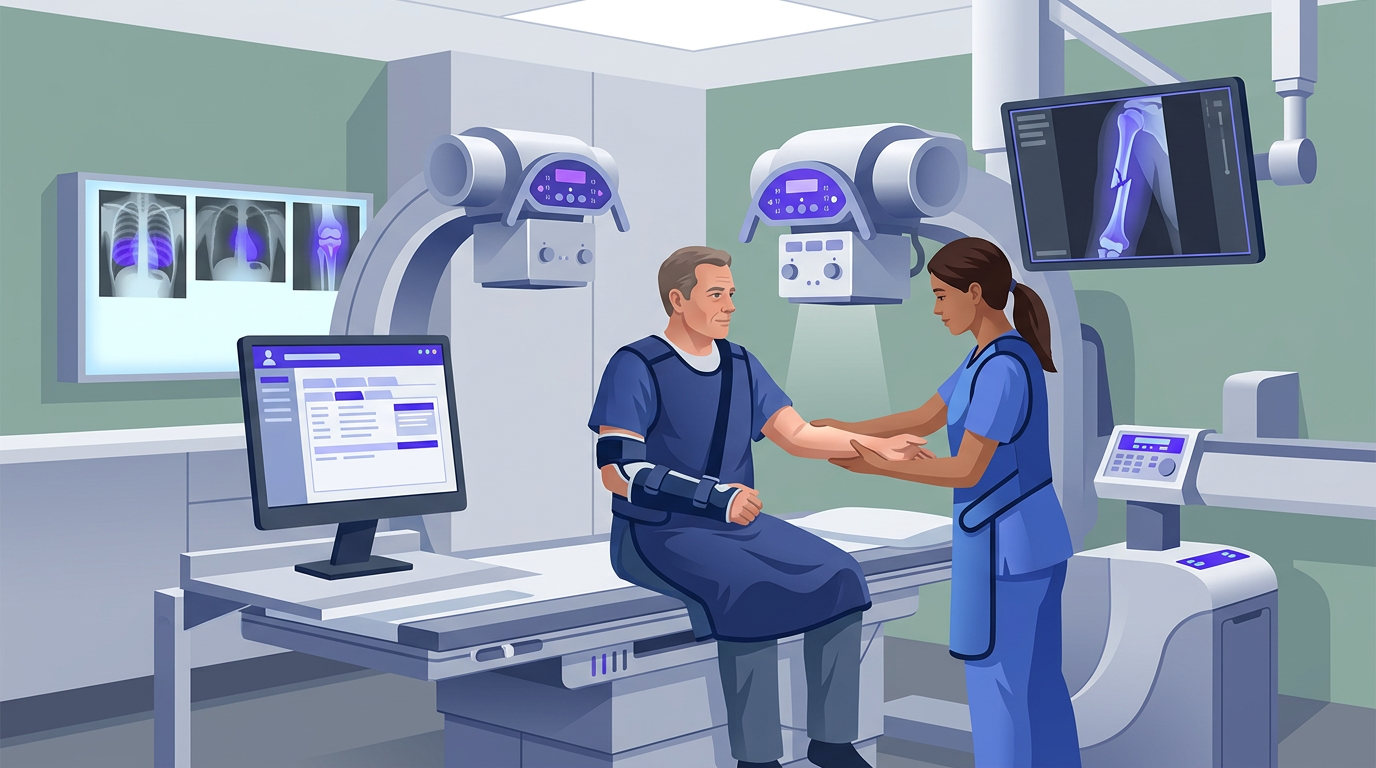
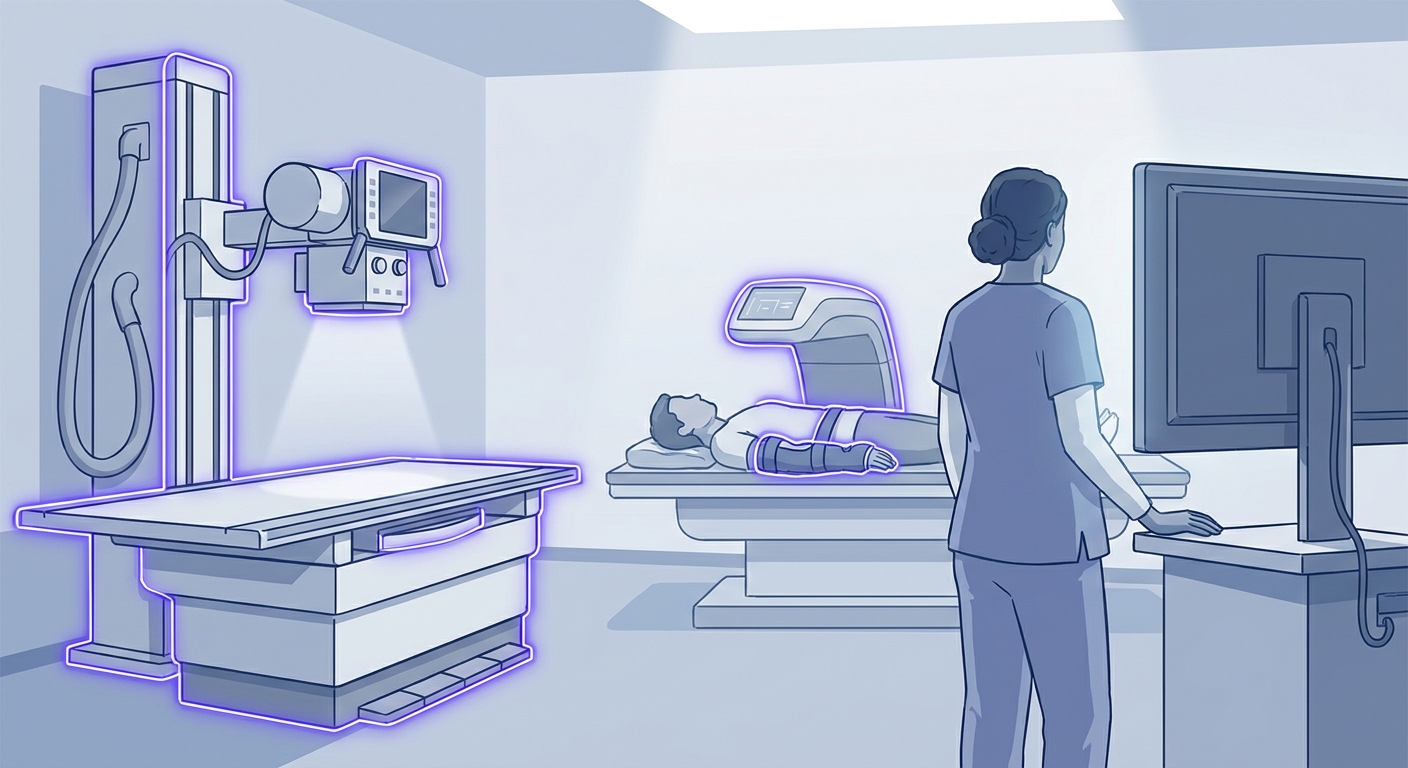
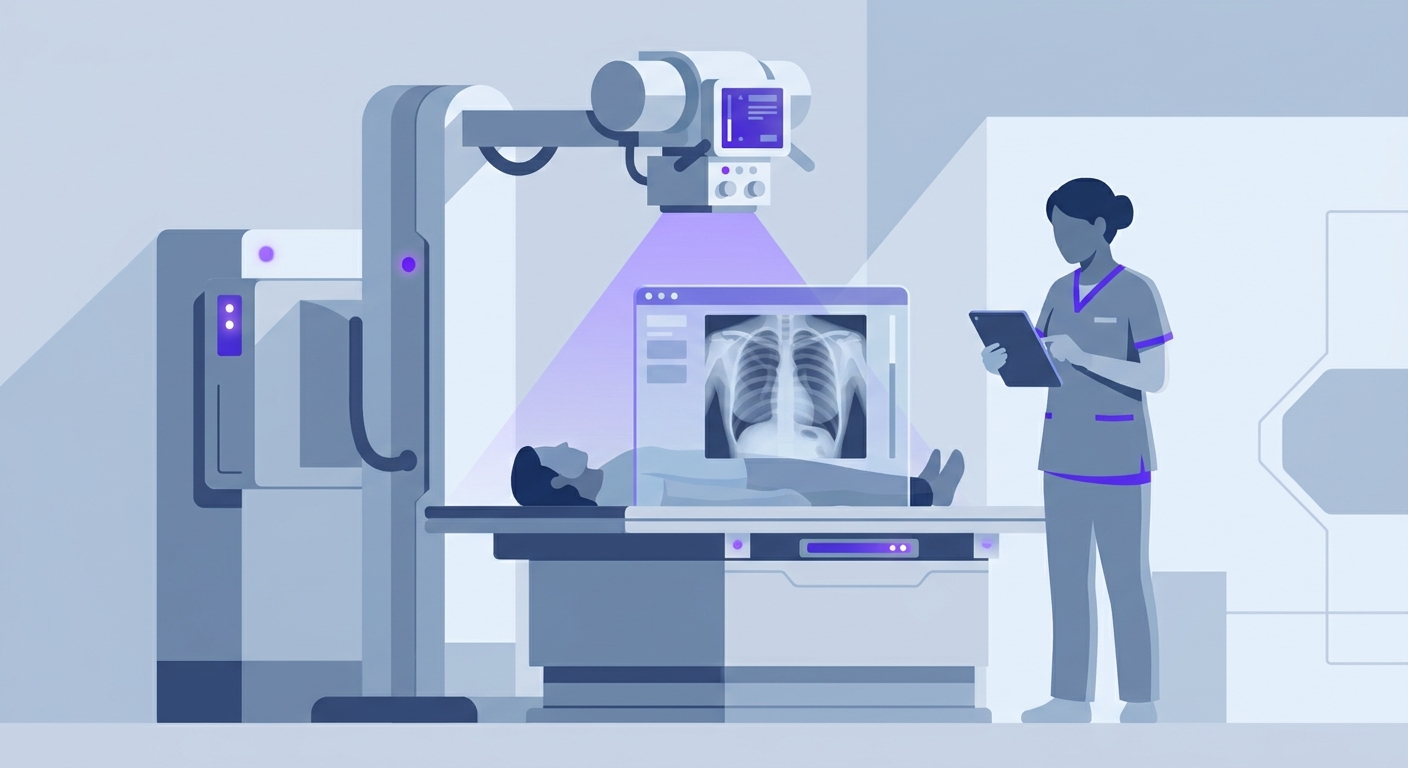
- X-ray — to rule out fracture or other joint conditions
- Medical history — previous gout attacks, diet, medications, and family history
Gout Treatment at Urgent Care
The goal of acute gout treatment is rapid pain relief and inflammation reduction:
- NSAIDs — prescription-strength anti-inflammatories like indomethacin or naproxen are first-line treatment
- Colchicine — effective if started within 36 hours of symptom onset
- Corticosteroids — oral prednisone or injection for patients who cannot take NSAIDs
- Rest, ice, and elevation — keep the joint elevated and apply ice for 20 minutes at a time
Gout vs Pseudogout vs Other Joint Pain
Several conditions mimic gout symptoms. Here is how to tell them apart:
| Condition | Joint Affected | Key Feature |
|---|---|---|
| Gout | Big toe (75% of first attacks), ankle, knee | Sudden onset, extreme pain, uric acid crystals |
| Pseudogout (CPPD) | Knee (most common), wrist, ankle | Calcium pyrophosphate crystals, often less severe |
| Septic arthritis | Any joint | Fever + joint redness = emergency, may need IV antibiotics |
| Rheumatoid arthritis | Small joints (hands, feet), symmetric | Gradual onset, morning stiffness, both sides affected |
| Sprained joint | Ankle, knee, wrist | History of injury or twisting |
Your provider at CityHealth can order blood work (uric acid levels) and X-rays to help distinguish gout from other conditions.
Gout Diet: Foods to Eat and Avoid
High-Purine Foods to Limit or Avoid
- Red meat and organ meats — liver, kidney, sweetbreads
- Certain seafood — anchovies, sardines, mussels, scallops, trout
- Alcohol — beer is the highest risk; liquor also contributes; wine in moderation may be acceptable
- Sugary drinks — fructose-sweetened beverages increase uric acid production
Foods That May Help Reduce Gout Attacks
- Cherries and cherry juice — studies show reduced gout flare frequency
- Low-fat dairy — milk proteins help excrete uric acid
- Water — aim for 8+ glasses daily to help flush uric acid through kidneys
- Vitamin C-rich foods — may modestly lower uric acid levels
- Coffee — regular coffee consumption associated with lower gout risk
Long-Term Gout Management
Urgent care treats acute gout attacks, but long-term management prevents recurrence:
- Urate-lowering therapy — allopurinol or febuxostat for patients with frequent attacks (2+ per year)
- Regular uric acid monitoring — target level below 6.0 mg/dL
- Lifestyle changes — weight management, hydration, dietary modifications
- Colchicine prophylaxis — low-dose colchicine when starting urate-lowering therapy to prevent flares
If you experience more than 2 gout attacks per year, ask your primary care provider about preventive medication. For acute flares, CityHealth urgent care provides same-day relief.
What Triggers Gout Attacks?
- High-purine foods — red meat, organ meats, shellfish, anchovies
- Alcohol — especially beer and spirits
- Sugary drinks — fructose increases uric acid production
- Dehydration — concentrates uric acid in the blood
- Certain medications — diuretics, low-dose aspirin
- Rapid weight changes — crash diets or sudden weight loss
- Surgery or illness — physical stress can trigger flares
Gout Complications: What Repeated Attacks Do to Your Body
A single gout flare hurts, but it passes. Repeated attacks without treatment cause lasting damage:
- Tophi — uric acid crystals build up into visible lumps under the skin, typically around fingers, elbows, ears, and the Achilles tendon. Over years, tophi erode bone and cartilage.
- Permanent joint damage — chronic gouty arthritis destroys cartilage and deforms joints. Unlike acute flares, this damage does not reverse.
- Kidney stones — uric acid crystals form stones in the kidneys. About 1 in 5 people with gout develop kidney stones, causing severe flank pain, blood in urine, and painful urination.
- Kidney disease — prolonged high uric acid levels damage kidney tissue and reduce filtration capacity over time.
If you have had more than 2 gout attacks in the past 12 months, talk to a provider about urate-lowering therapy. Preventing future flares also prevents these long-term complications.
Gout and Related Health Conditions
Gout rarely shows up alone. High uric acid levels are linked to several conditions your provider should screen for:
- High blood pressure — present in roughly 75% of people with gout
- Type 2 diabetes — insulin resistance changes how your kidneys handle uric acid
- Heart disease — gout independently increases cardiovascular risk
- Chronic kidney disease — reduced kidney function means less uric acid gets excreted, which worsens gout
Managing gout means managing the full picture. At CityHealth, we can run blood work to check uric acid levels, kidney function, blood sugar, and cholesterol during the same visit — giving you and your provider a complete baseline.
Frequently Asked Questions
Can urgent care treat gout?
Yes. Urgent care can diagnose gout, prescribe anti-inflammatory medications, check uric acid levels, and take X-rays to rule out other conditions.
How long does a gout attack last?
Untreated, 7-14 days. With treatment, significant relief within 24-48 hours.
Should I go to the ER for gout?
Usually no. Urgent care handles most gout flares. Go to the ER if you have fever with joint swelling (possible septic arthritis).
Frequently Asked Questions
How do I know if it’s gout?
Gout typically causes sudden, severe joint pain — most often in the big toe — along with redness, swelling, and warmth. The pain often starts at night and peaks within 12–24 hours. CityHealth San Leandro can confirm gout with a uric acid blood test and clinical examination.
Can urgent care drain a gout joint?
Urgent care can perform joint aspiration (draining fluid from the joint) in some cases to confirm gout and provide immediate pain relief. CityHealth San Leandro providers will assess whether aspiration is appropriate based on your presentation and symptoms.
What foods cause gout flare-ups?
High-purine foods that commonly trigger gout include red meat, organ meats, shellfish, and alcohol (especially beer). Sugary drinks containing fructose also raise uric acid levels. CityHealth San Leandro providers can offer dietary counseling alongside your gout treatment.
Get Gout Relief at CityHealth San Leandro
Same-day diagnosis, uric acid testing, and pain relief prescriptions.
See our complete guide: what can urgent care treat.