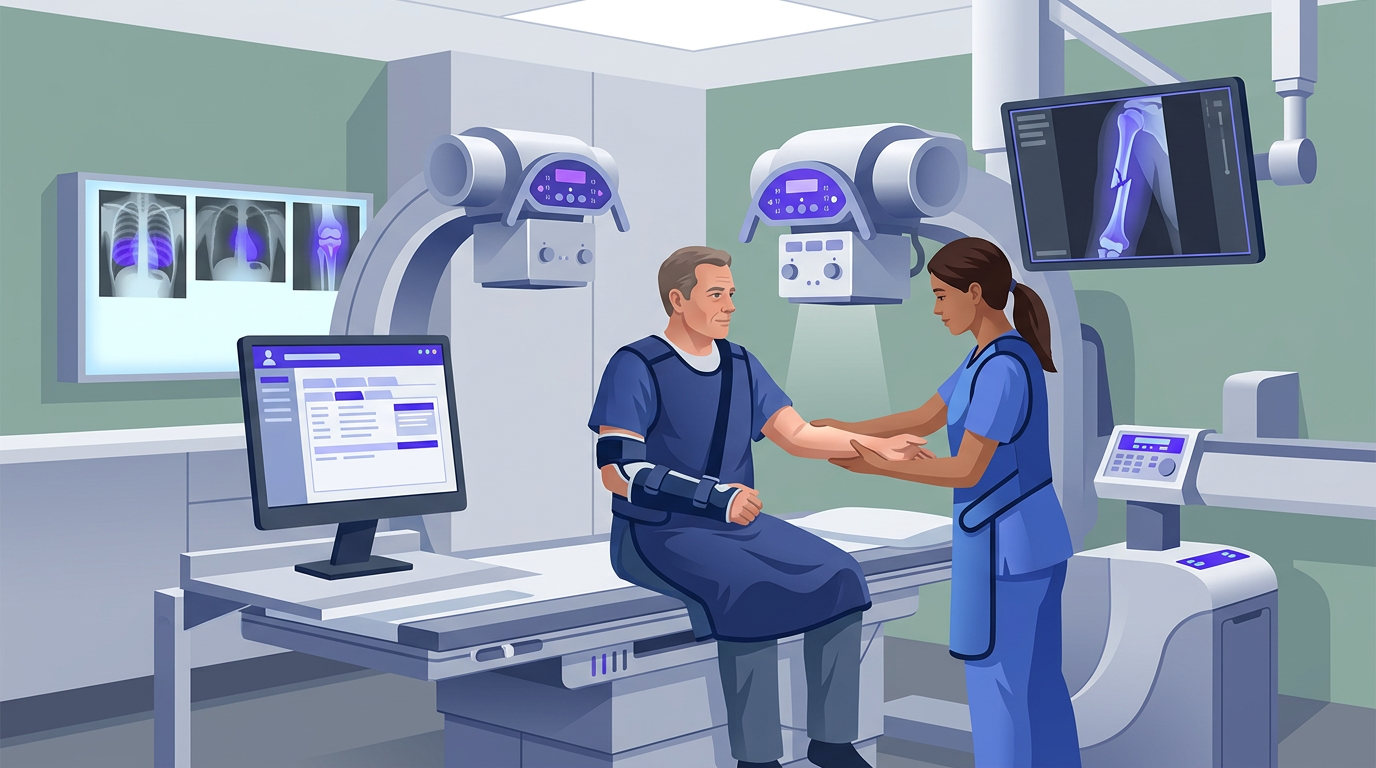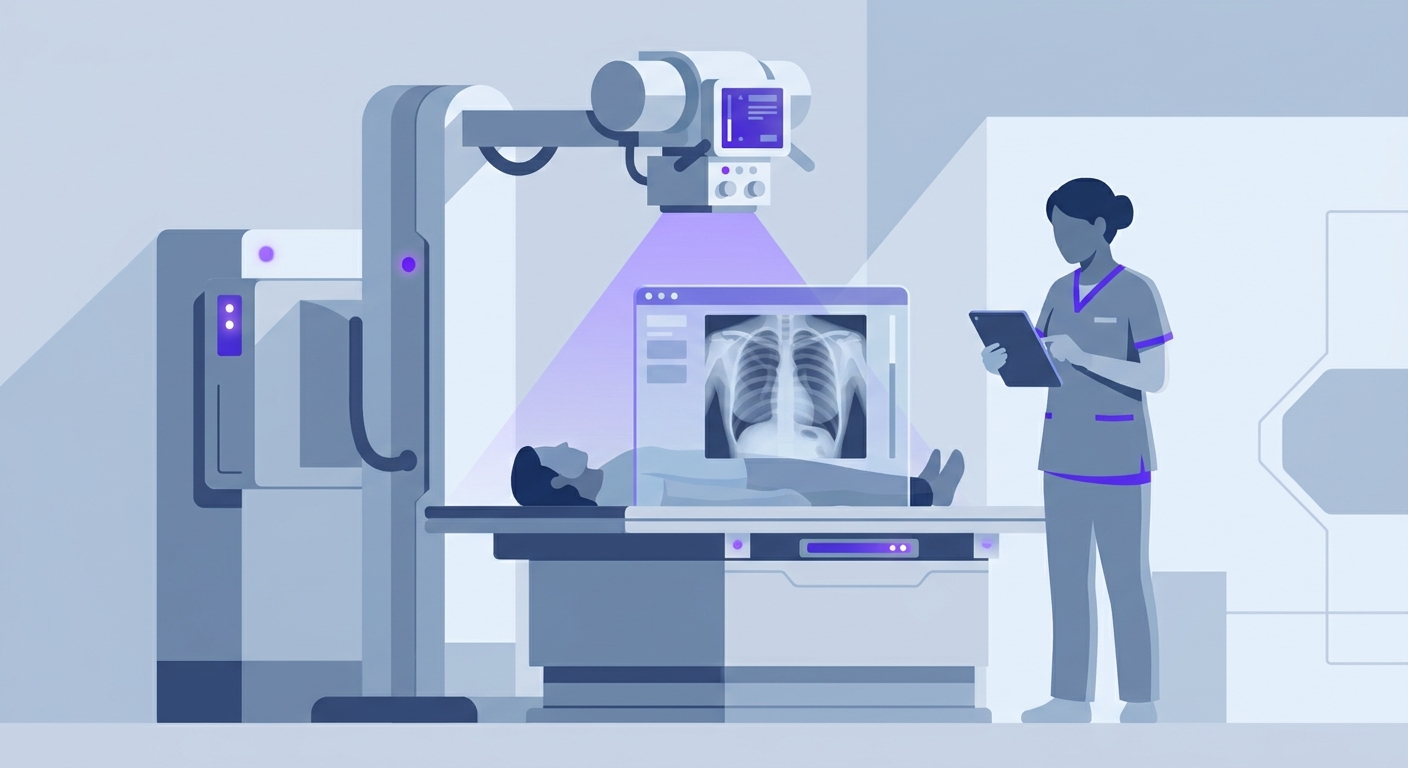

If you have a persistent cough, fever, and chest pain that is getting worse, you may be wondering whether you have pneumonia and whether urgent care can treat it. The answer depends on severity. CityHealth Urgent Care in San Leandro can diagnose pneumonia with a chest X-ray, check your oxygen levels, and prescribe antibiotics — all in one visit.
Pneumonia Symptoms: What to Watch For
Pneumonia symptoms can range from mild to severe. Common signs include:
- Productive cough — with yellow, green, or rust-colored phlegm
- High fever — often 102°F or higher, with chills and sweating
- Sharp chest pain — especially when breathing deeply or coughing
- Shortness of breath — difficulty breathing with normal activities
- Fatigue and weakness — more severe than a typical cold
- Rapid heart rate
- Nausea, vomiting, or diarrhea — especially in older adults
When to Go to Urgent Care vs the ER for Pneumonia
| Go to Urgent Care | Go to the ER |
|---|---|
| Cough with fever under 103°F | Severe difficulty breathing |
| Mild shortness of breath | Chest pain at rest |
| Able to drink fluids | Confusion or altered mental state |
| Cold symptoms worsening after 7 days | Bluish lips or fingertips (cyanosis) |
| Need chest X-ray to check | Oxygen levels below 92% |
How Urgent Care Diagnoses Pneumonia
At CityHealth, our providers use multiple tools to diagnose pneumonia during your visit:
- Physical exam — listening to your lungs with a stethoscope for crackling or decreased breath sounds
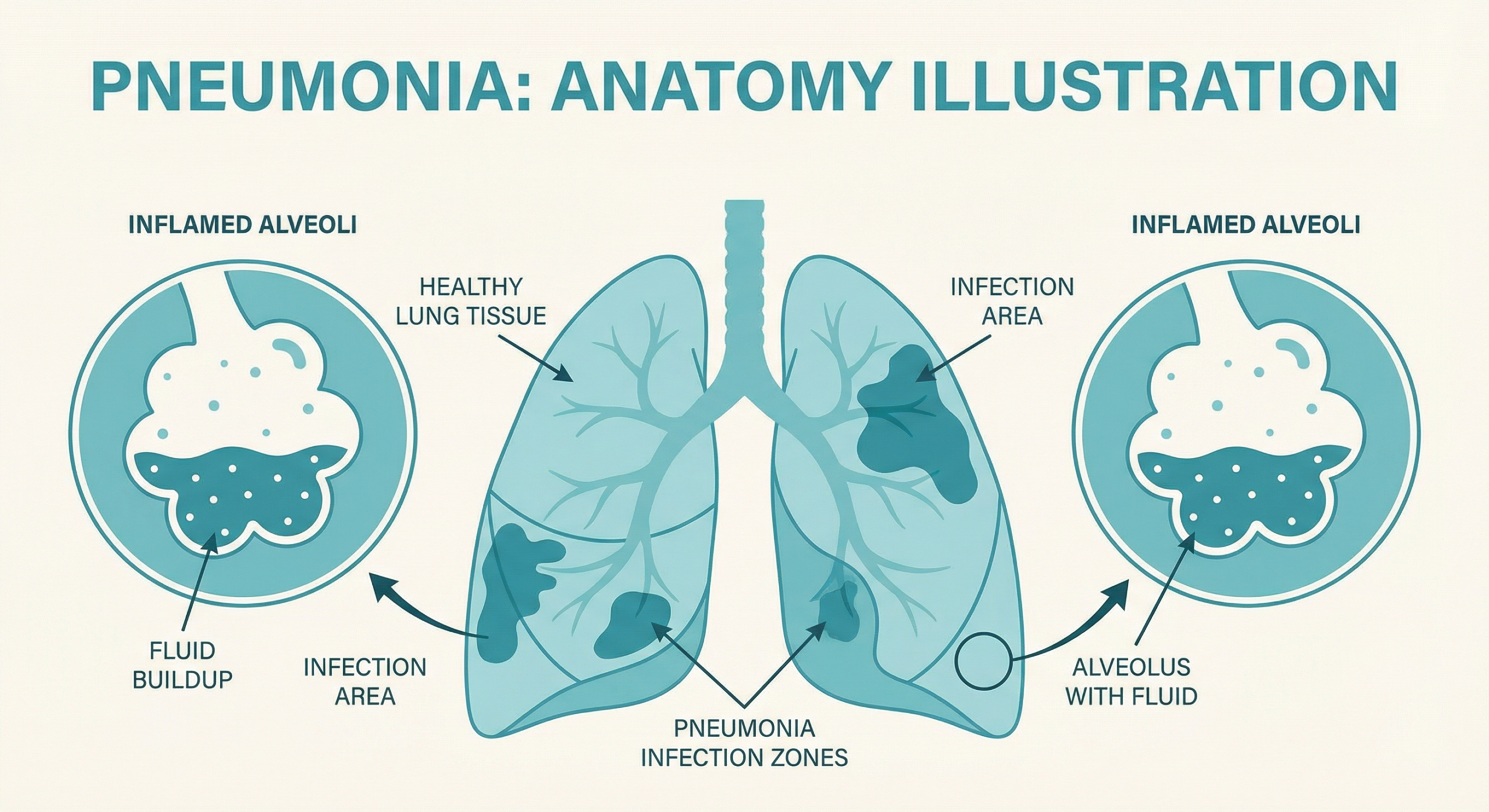
- Chest X-ray — our on-site X-ray can confirm pneumonia by showing infiltrates (fluid or inflammation) in the lungs
- Pulse oximetry — measuring blood oxygen levels to assess severity
- Vital signs — temperature, heart rate, respiratory rate, and blood pressure
- Blood tests — if needed, CBC and other labs to check for infection severity
Pneumonia Treatment at Urgent Care
Treatment depends on the type and severity of your pneumonia:
Bacterial Pneumonia
- Antibiotics — typically azithromycin, amoxicillin, or doxycycline. Most patients start feeling better within 48-72 hours.
- Cough medicine — to help you rest
- Fever reducers — acetaminophen or ibuprofen
Viral Pneumonia
- Supportive care — rest, fluids, fever management
- Antiviral medication — if caused by influenza (Tamiflu)
- Monitoring — watch for worsening symptoms
Types of Pneumonia
Not all pneumonia is the same. The type affects treatment decisions:
| Type | Cause | Treatment |
|---|---|---|
| Bacterial pneumonia | Streptococcus pneumoniae (most common), Haemophilus influenzae, Staphylococcus aureus | Antibiotics (typically 5-7 day course) |
| Viral pneumonia | Influenza, RSV, COVID-19, adenovirus | Supportive care; antivirals for flu/COVID |
| Walking pneumonia | Mycoplasma pneumoniae | Antibiotics (azithromycin or doxycycline) |
| Aspiration pneumonia | Inhaled food, liquid, or vomit | Antibiotics + respiratory support |
Your urgent care provider at CityHealth will use a chest X-ray and lab tests to determine the type and prescribe appropriate treatment.
Pneumonia vs Bronchitis: When to Get a Chest X-Ray
Pneumonia and bronchitis share many symptoms, but pneumonia is more serious. Key differences:
- Fever — pneumonia typically causes higher fever (101°F+) vs. low-grade or no fever with bronchitis
- Breathing difficulty — pneumonia causes shortness of breath at rest; bronchitis usually only with exertion
- Chest pain — sharp pain when breathing suggests pneumonia
- Duration — if a cough worsens after 7-10 days rather than improving, suspect pneumonia
A chest X-ray at CityHealth can definitively distinguish between the two. Available same-day, no appointment needed.
Pneumonia Vaccination: Prevention Is Better Than Treatment
Two vaccines help prevent pneumonia:
- PCV20 (Prevnar 20) — recommended for all adults 65+ and younger adults with certain risk factors
- Annual flu vaccine — influenza is a leading cause of viral pneumonia
Ask your provider about pneumonia vaccination during your next visit to CityHealth.
Pneumonia Recovery: What to Expect
- Week 1: Fever usually breaks within 48-72 hours of starting antibiotics
- Weeks 1-2: Cough and fatigue persist but gradually improve
- Weeks 3-4: Most symptoms resolve; some fatigue may linger
- 6-8 weeks: Chest X-ray may still show abnormalities even after you feel better
Follow up with your provider if symptoms do not improve within 3-5 days of starting treatment, or if they worsen at any point.
Who Is at Higher Risk for Pneumonia?
- Adults over 65
- Children under 5
- People with chronic lung disease (asthma, COPD)
- Smokers
- People with weakened immune systems
- Those recently hospitalized
If you fall into a high-risk category and develop pneumonia symptoms, seek medical care promptly rather than waiting to see if symptoms resolve on their own.
Walking Pneumonia: What Makes It Different
Walking pneumonia (caused by Mycoplasma pneumoniae) gets its name because most people feel well enough to stay on their feet. Symptoms are milder than typical pneumonia: a dry, persistent cough, low-grade fever, mild chest discomfort, and fatigue that drags on for weeks. You might write it off as a cold that refuses to clear up.
Walking pneumonia still needs treatment. Without antibiotics (usually azithromycin for 5 days), the cough can persist for 4-6 weeks. Walking pneumonia also spreads through respiratory droplets, so getting diagnosed and treated protects the people around you — coworkers, family members, and anyone in close contact.
At CityHealth, a chest X-ray can confirm walking pneumonia even when your symptoms seem mild. If you have had a cough for more than 2 weeks with low-grade fever and unusual fatigue, come in for evaluation.
What Happens If Pneumonia Goes Untreated
Pneumonia that goes untreated or is caught too late can lead to serious complications:
- Pleural effusion — fluid collects between the lungs and chest wall, causing worsening pain and breathing difficulty. May require drainage with a needle or chest tube.
- Lung abscess — a pocket of pus forms inside the lung tissue. Requires weeks of antibiotic treatment and sometimes surgical drainage.
- Bacteremia and sepsis — bacteria from the lungs enter the bloodstream. Sepsis is life-threatening and requires emergency hospitalization with IV antibiotics.
- Respiratory failure — severely damaged lungs cannot deliver enough oxygen to the body. May require supplemental oxygen or mechanical ventilation in the ICU.
Early treatment reduces the risk of every complication on this list. If you suspect pneumonia — especially if you are over 65, a smoker, or manage a chronic illness — do not wait it out. A same-day visit to CityHealth urgent care can confirm the diagnosis and get you started on antibiotics within the hour.
Frequently Asked Questions
Can urgent care diagnose pneumonia?
Yes. CityHealth has on-site chest X-ray and oxygen monitoring for same-day pneumonia diagnosis.
Is pneumonia contagious?
Some types are. Bacterial and viral pneumonia can spread through respiratory droplets. Practice good hygiene and stay home when symptomatic.
How long does pneumonia last?
With treatment, most people improve within 2-3 days. Full recovery takes 2-4 weeks.
Frequently Asked Questions
How do I know if I have pneumonia?
Pneumonia symptoms include persistent cough (often with phlegm), fever, chills, chest pain when breathing, and shortness of breath. Unlike a common cold, pneumonia symptoms are typically more severe and worsen over several days. CityHealth San Leandro can diagnose pneumonia with an on-site chest X-ray and physical exam.
Can urgent care treat walking pneumonia?
Yes — walking pneumonia (atypical pneumonia) is well-suited for urgent care treatment. CityHealth San Leandro can confirm the diagnosis and prescribe the appropriate antibiotics, such as azithromycin or doxycycline, to clear the infection.
When does pneumonia require the ER?
Go to the emergency room if you experience severe shortness of breath, oxygen levels below 95%, confusion or altered mental status, a high fever above 104°F, or bluish lips or fingertips. These signs indicate severe pneumonia requiring hospitalization.
Get Pneumonia Diagnosis and Treatment at CityHealth
On-site chest X-ray, same-day diagnosis, and prescriptions. Open 7 days.
See our complete guide: what can urgent care treat.