Mole Removal
Expert Mole Removal in San Leandro and Montclair
Gentle, effective care for every mole. Get peace of mind, medical evaluation, or cosmetic removal.
About Moles
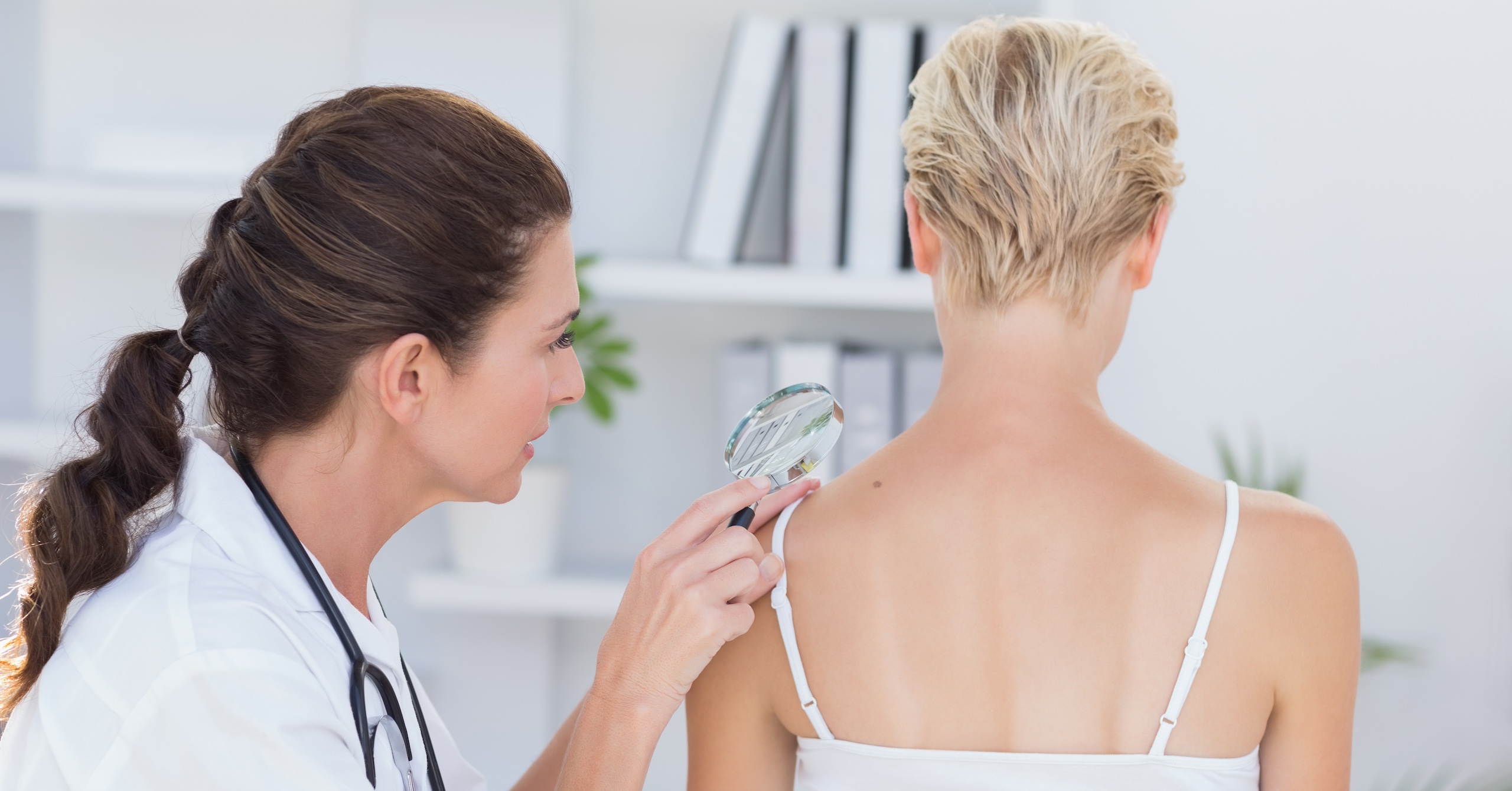
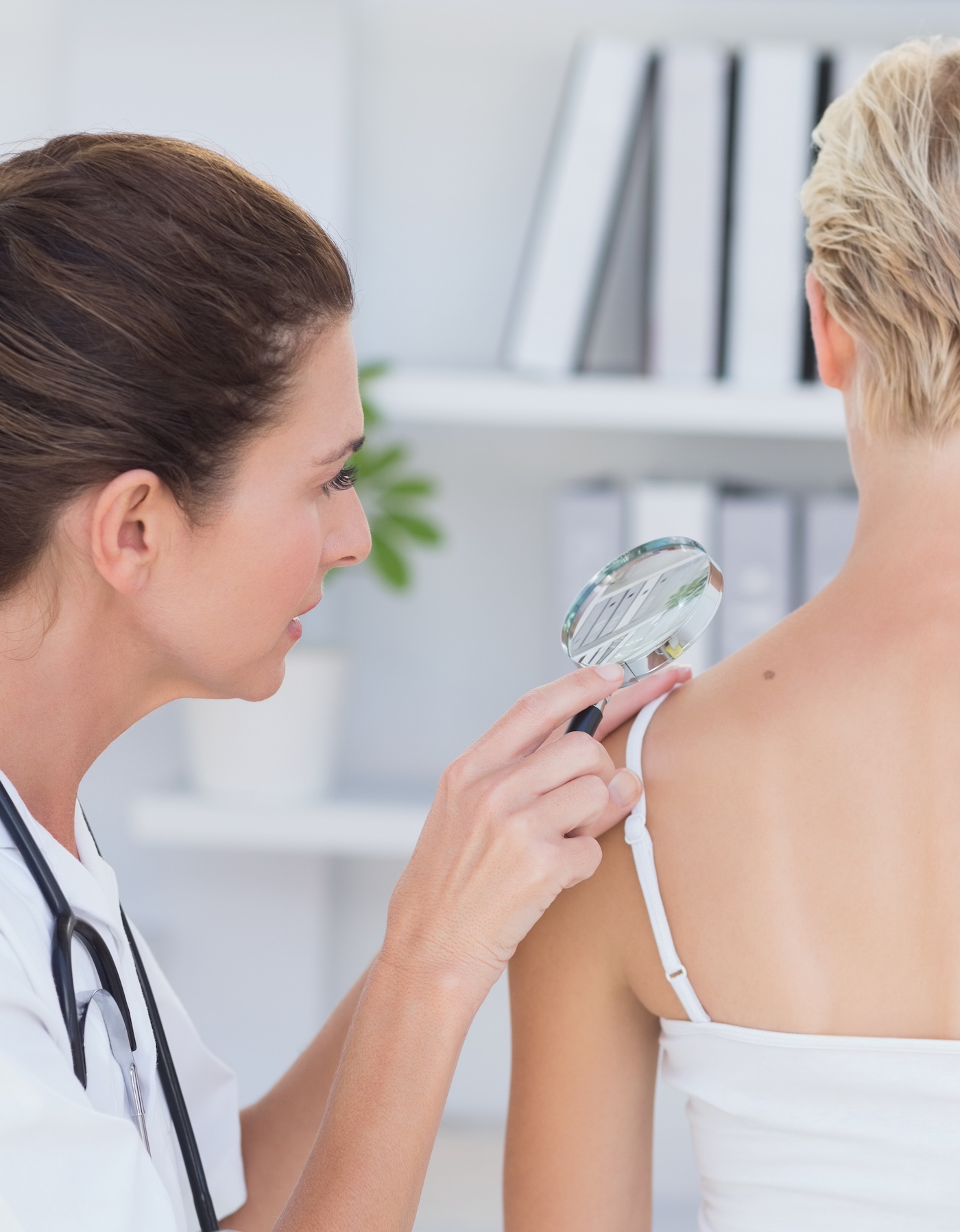
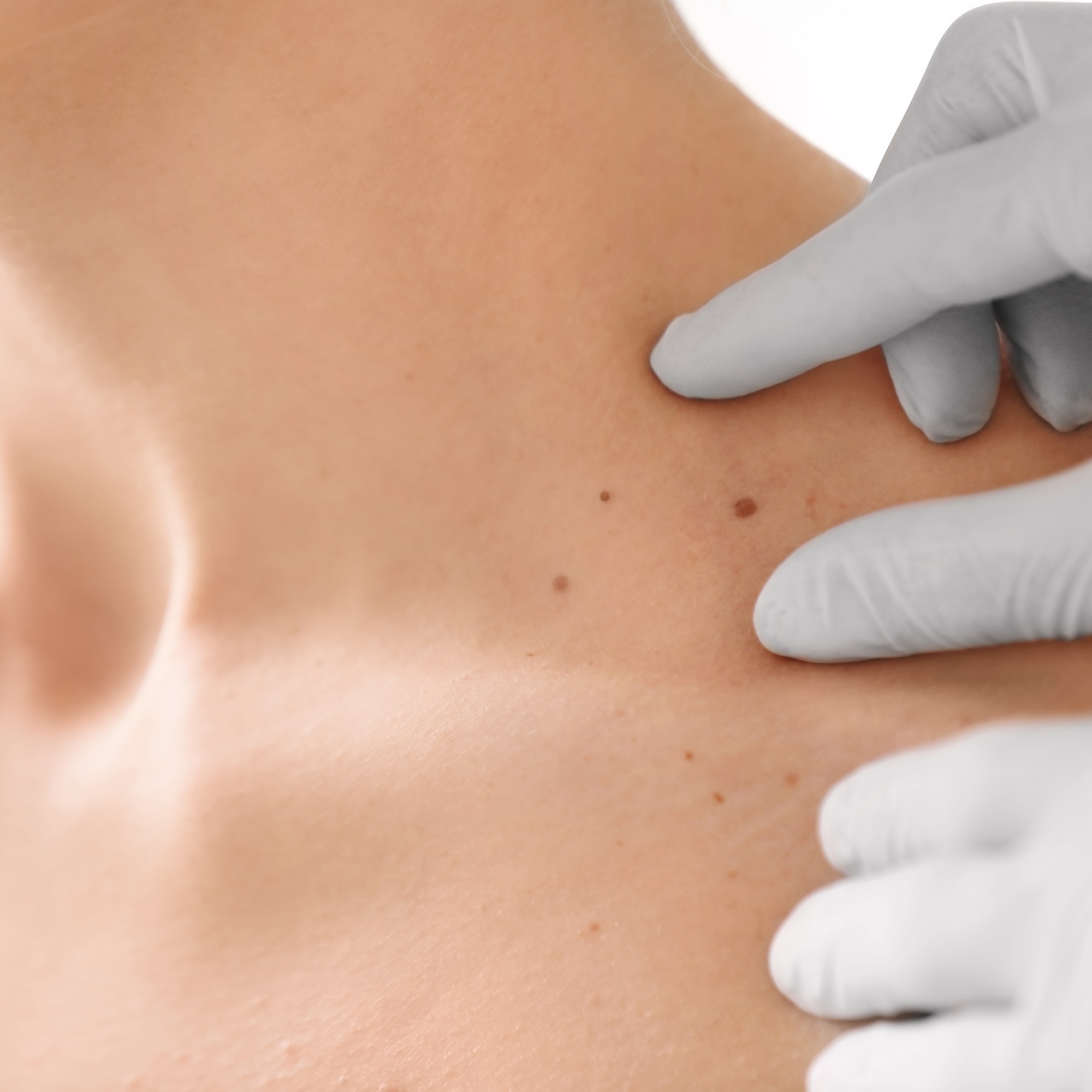
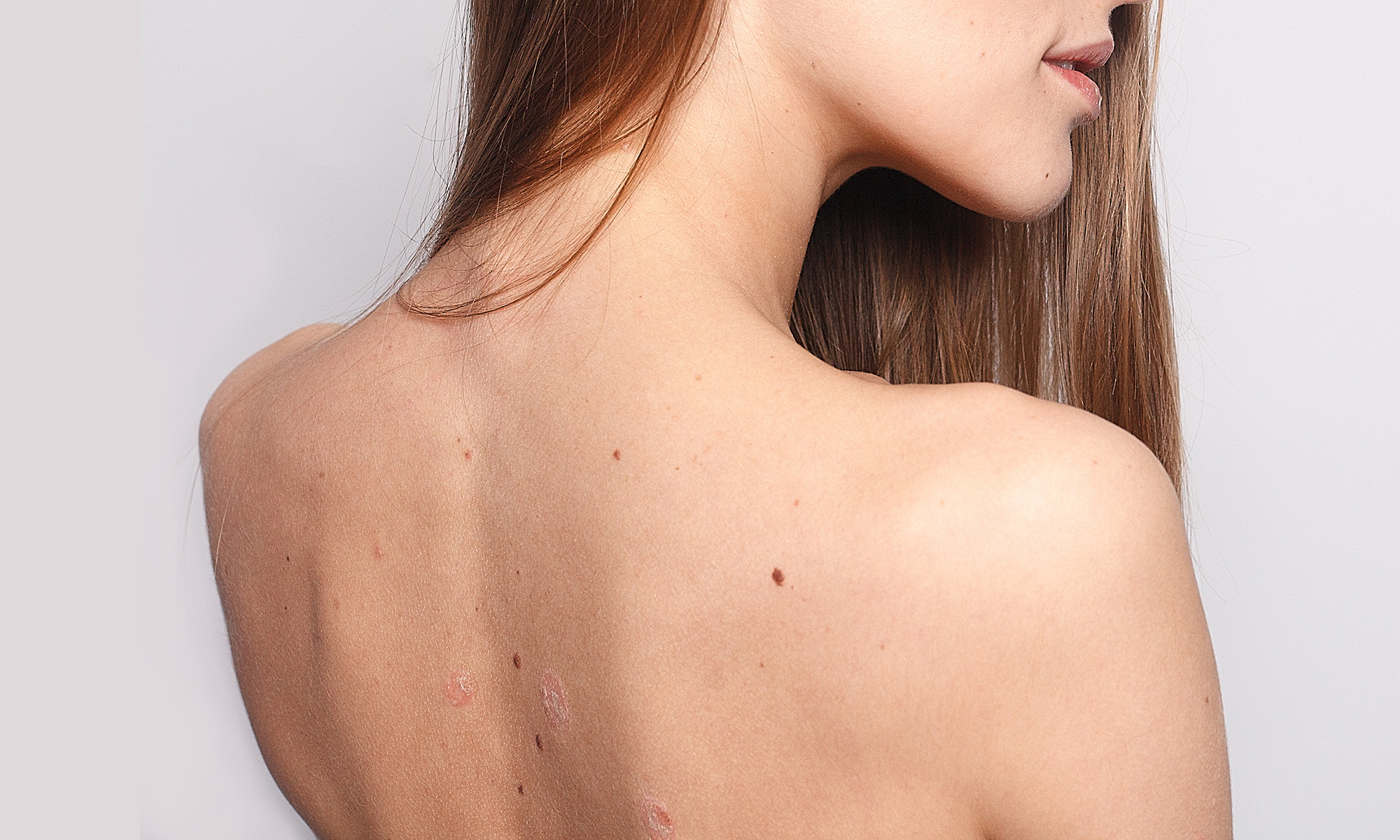
Moles are common skin growths made of pigment-producing cells called melanocytes. Most are harmless, but when they change shape, color, or size, they deserve attention.
MOLE TYPES
- Congenital moles, which are present from birth
- Acquired moles, which appear later in life
- Atypical or dysplastic moles, which may look irregular or differ in color, shape or size
When to See a Dermatologist About Moles
When to Consider Mole Removal
Moles can be removed for medical reasons, cosmetic preferences, or to avoid ongoing uncertainty. You might consider removal if:
A mole is irritated by shaving, clothing, or daily movement
It causes self-consciousness
A dermatologist recommends removal
You’d rather nor monitor it over time
Mole removal by a trained dermatologist helps minimize the risk of scarring, infection, or incomplete removal. If you’re unsure, we’re here to talk through your options so you can decide what feels right for you.
Mole Changes That May Need Attention
Certain changes can signal it’s time to check in with a professional dermatologist. Watch for signs like:
New or quickly growing mole
Changes in color, especially dark or uneven tones
Irregular or blurry borders
Itching, bleeding, or crusting
These changes don’t always mean something is wrong, but they’re worth having a professional take a look.
About Moles
Moles are common skin growths made of pigment-producing cells called melanocytes. Most are harmless, but when they change shape, color, or size, they deserve attention.
MOLE TYPES
- Congenital moles, which are present from birth
- Acquired moles, which appear later in life
- Atypical or dysplastic moles, which may look irregular or differ in color, shape or size
When to See a Dermatologist About Moles
When to Consider Mole Removal
Moles can be removed for medical reasons, cosmetic preferences, or to avoid ongoing uncertainty. You might consider removal if:
A mole is irritated by shaving, clothing, or daily movement
It causes self-consciousness
A dermatologist recommends removal
You’d rather nor monitor it over time
Mole removal by a trained dermatologist helps minimize the risk of scarring, infection, or incomplete removal. If you’re unsure, we’re here to talk through your options so you can decide what feels right for you.
Mole Changes That May Need Attention
Certain changes can signal it’s time to check in with a professional dermatologist. Watch for signs like:
New or quickly growing mole
Changes in color, especially dark or uneven tones
Irregular or blurry borders
Itching, bleeding, or crusting
These changes don’t always mean something is wrong, but they’re worth having a professional take a look.
What Causes Moles?
Genetics
Your genes play a big role in how many moles you have and what they look like. If your parents or close relatives have many moles, you’re more likely to develop them, too.
Sun Exposure
Ultraviolet (UV) rays from the sun can increase the number of moles on your skin. Using sunscreen and clothing can help reduce this effect.
Hormonal Changes
Changes in your hormones during puberty, pregnancy, or other life stages can trigger new moles or cause existing ones to change.
Age
Most people develop new moles during childhood and early adulthood. After your 30’s, it’s less common for new moles to form, so any new moles in adulthood should be checked.
Skin Type
People with lighter or more sun-sensitive skin may develop more visible moles. It’s a natural response to sun, genetics, and time.
How We Help
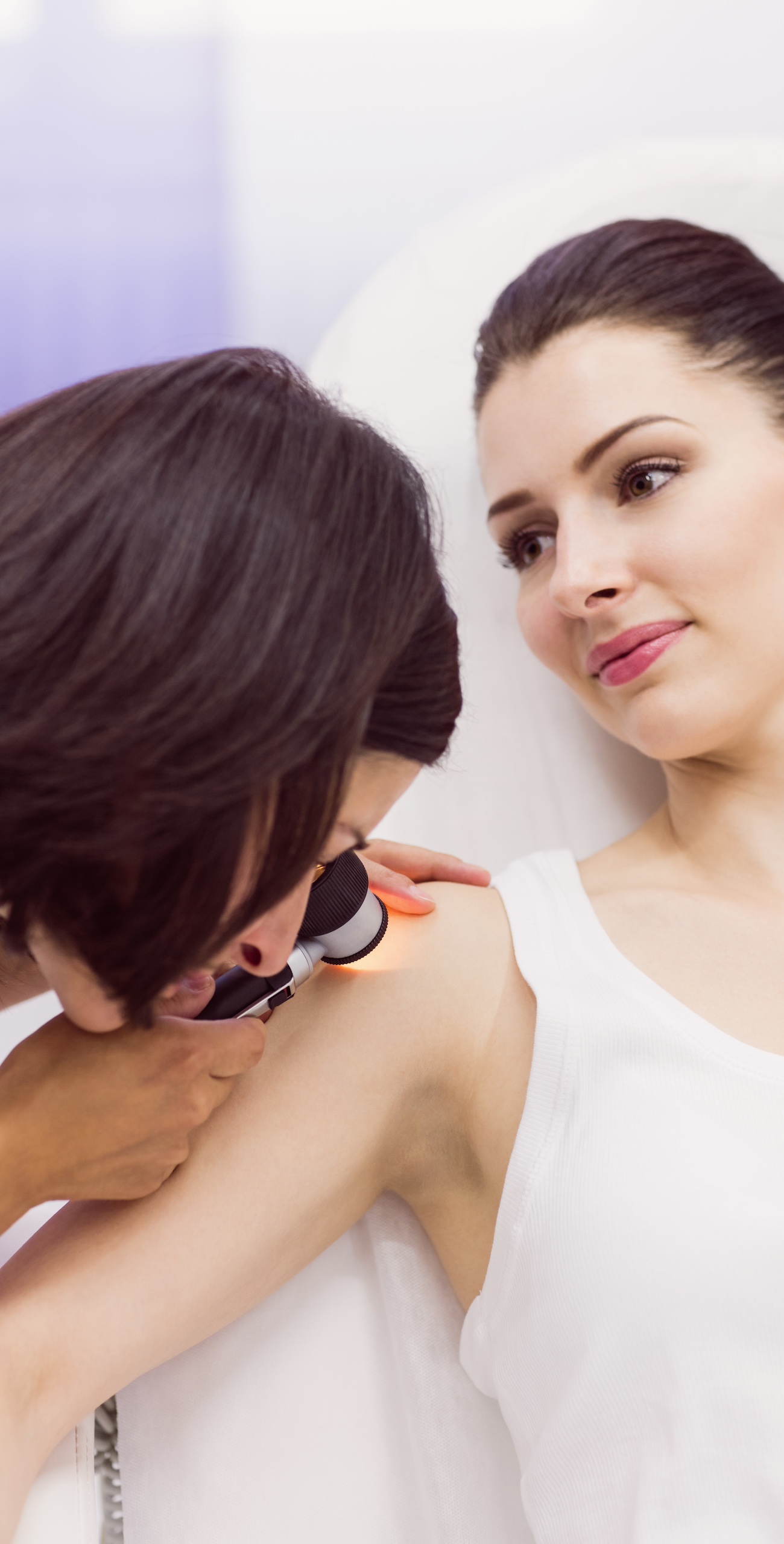
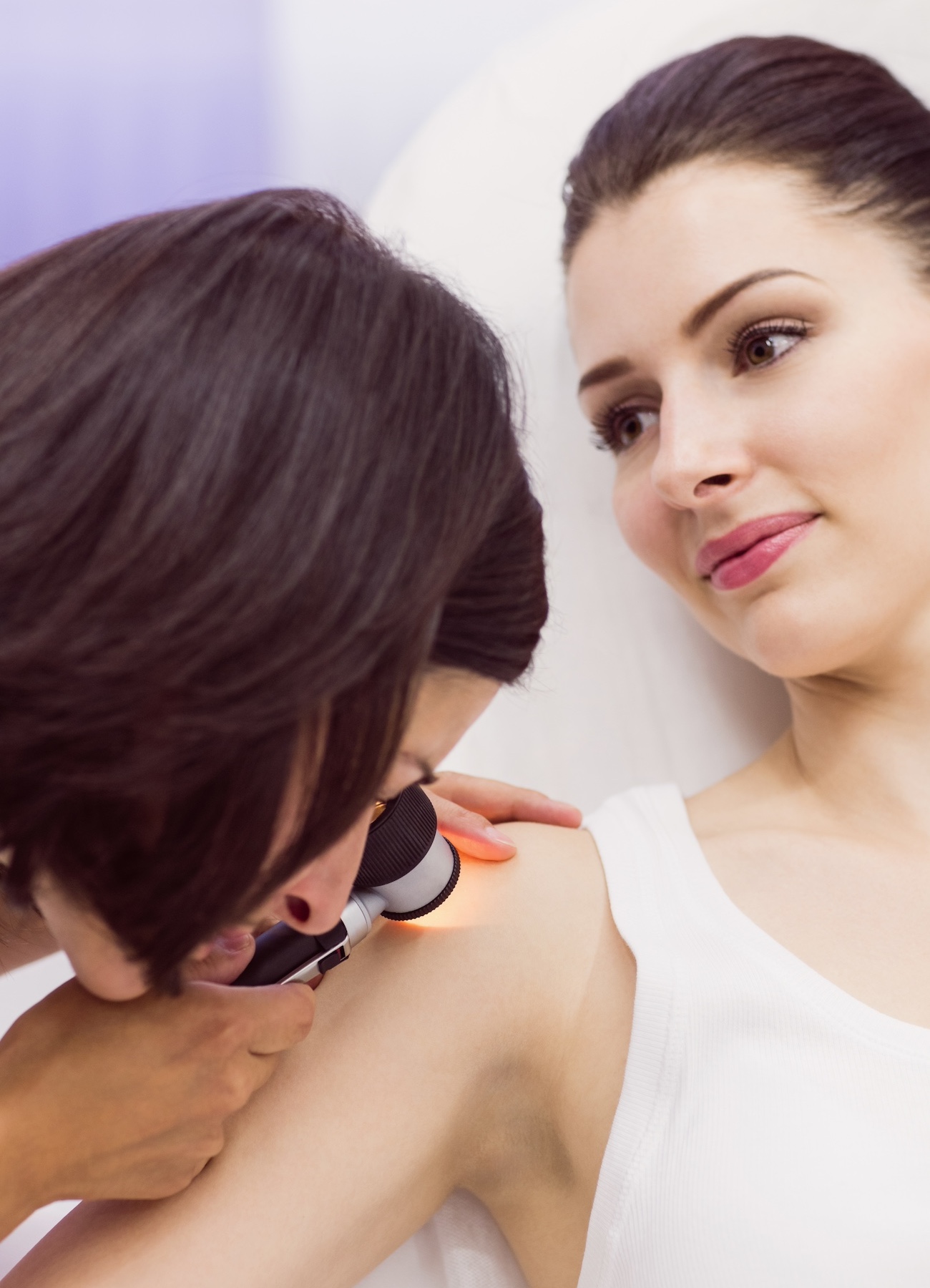
Every visit for mole concerns starts with a thoughtful evaluation. A dermatologist will assess the mole, discuss any changes or concerns, and walk you through your options.
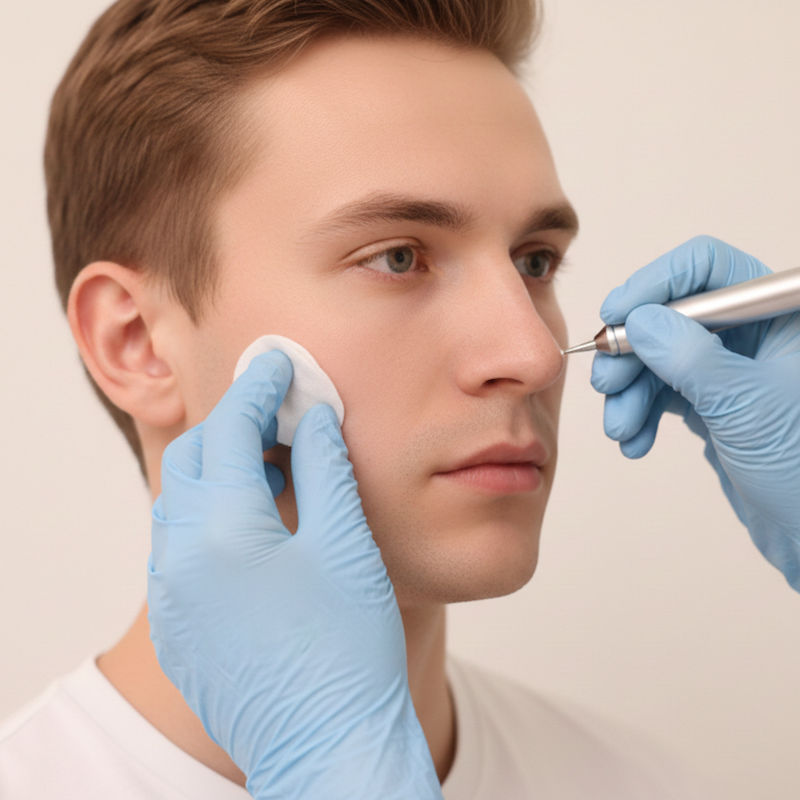
Medical Mole Removal
If a mole is causing irritation or needs to be removed for health reasons, we offer in-office procedures like shaving or removal (called “excision”).
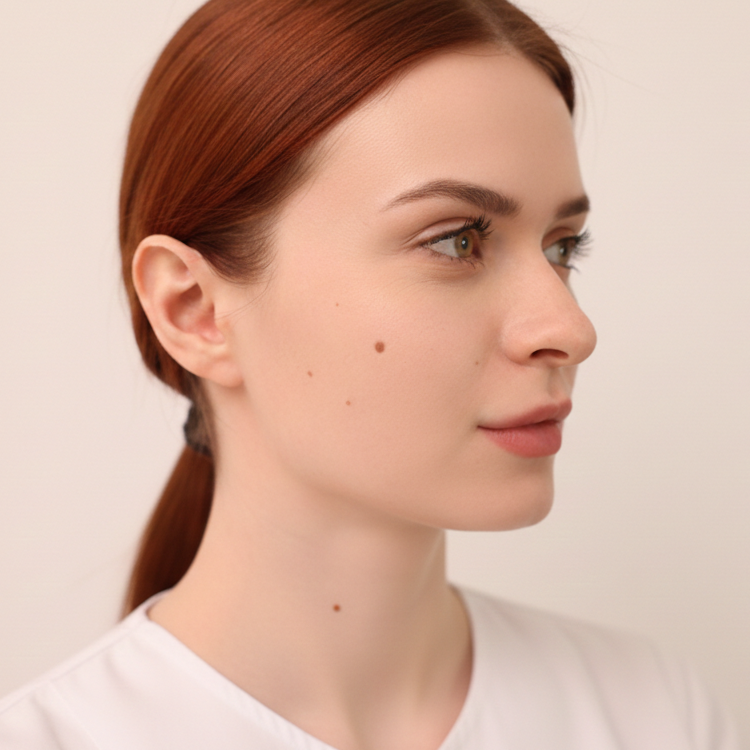
Cosmetic Mole Removal
If a mole is affecting your confidence, we can discuss safe options for removal with minimal scarring. No pressure, just support to help you decide.
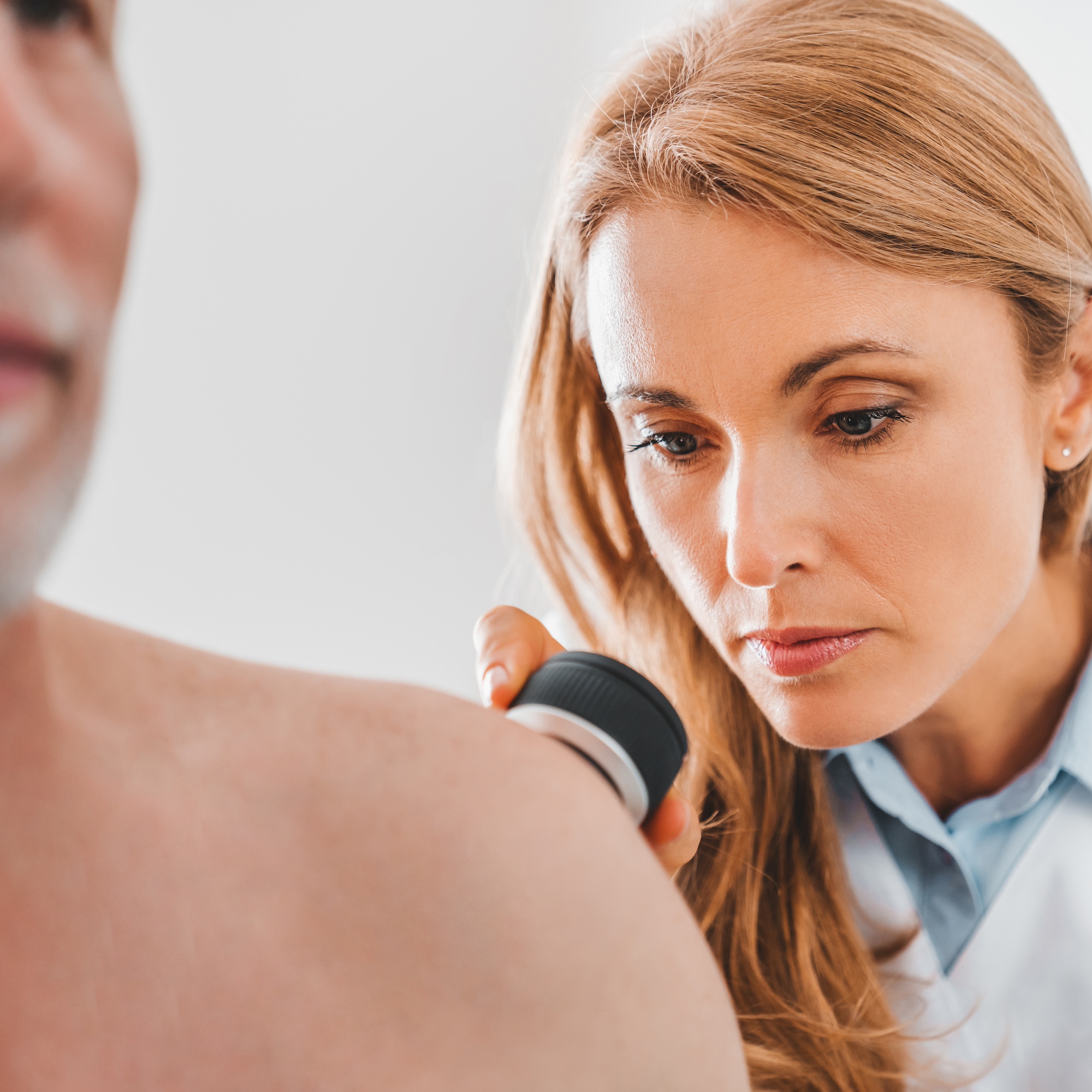
Post-Removal Mole Care
We’ll guide you through every step of recovery with clear aftercare instructions and personal follow up, so you can feel comfortable and confident as you heal.

What to Expect From Mole Removal
If you and your provider decide that mole removal is right for you, we’ll walk you through it with care. Most procedures are quick, done in our clinic, and require little to no downtime. You’ll go home with clear aftercare instructions, and we will check in if follow up is needed. Our goal is to make the process as smooth, safe, and supportive as possible.

Initial Skin Evaluation
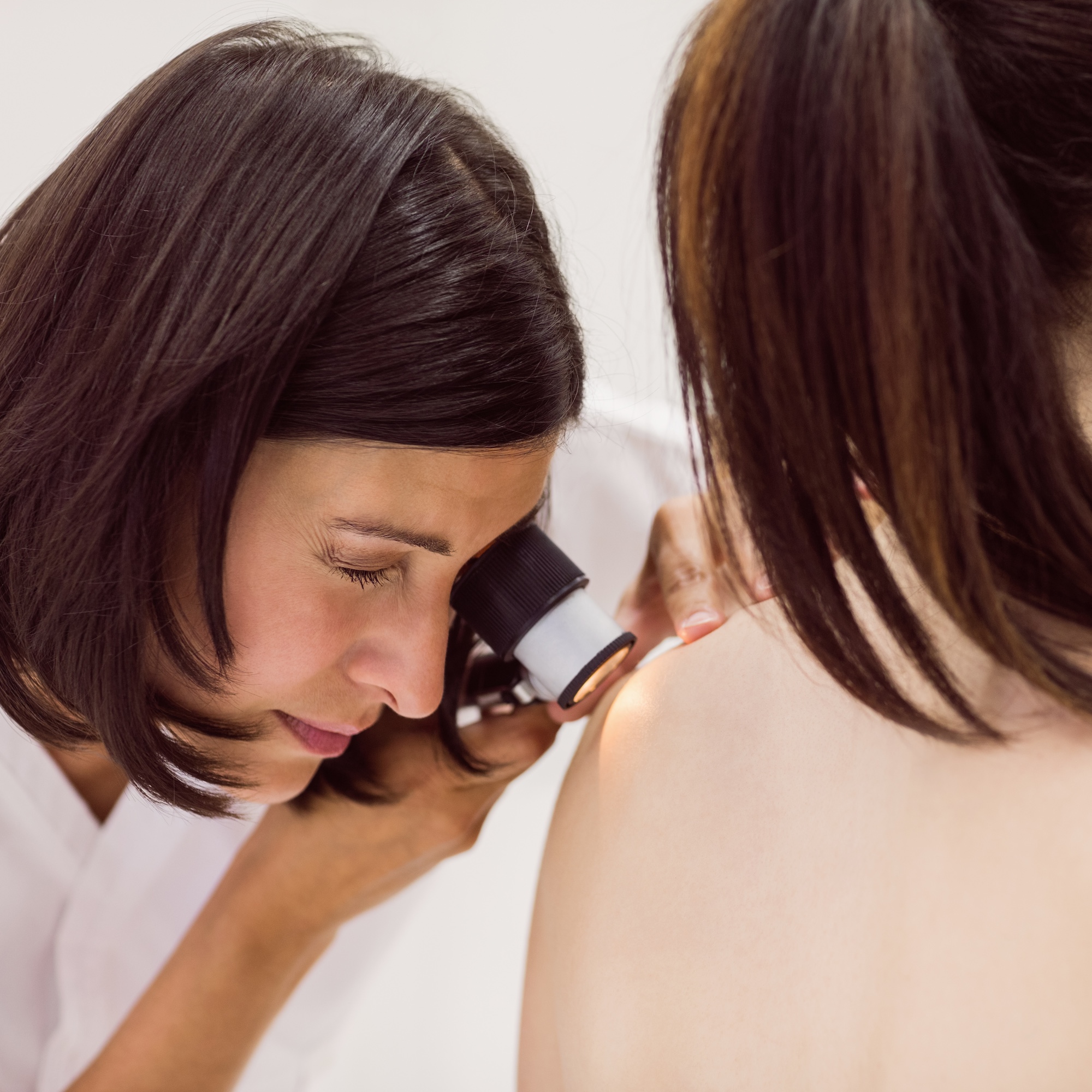
We begin by examining the mole and reviewing any changes you’ve noticed, such as growth, color, shape, or irritation. You’ll have time to share concerns and ask questions before any decisions are made.
Clinical Assessment
Your provider will assess whether the mole appears benign, needs monitoring, or should be removed. If removal is recommended, we’ll explain the reasoning and what the procedure involves.

Removal Plan
We’ll discuss the appropriate removal approach based on the mole’s location and characteristics. You’ll know what to expect, how the area will heal, and whether pathology testing is recommended.
Mole Removal Procedure
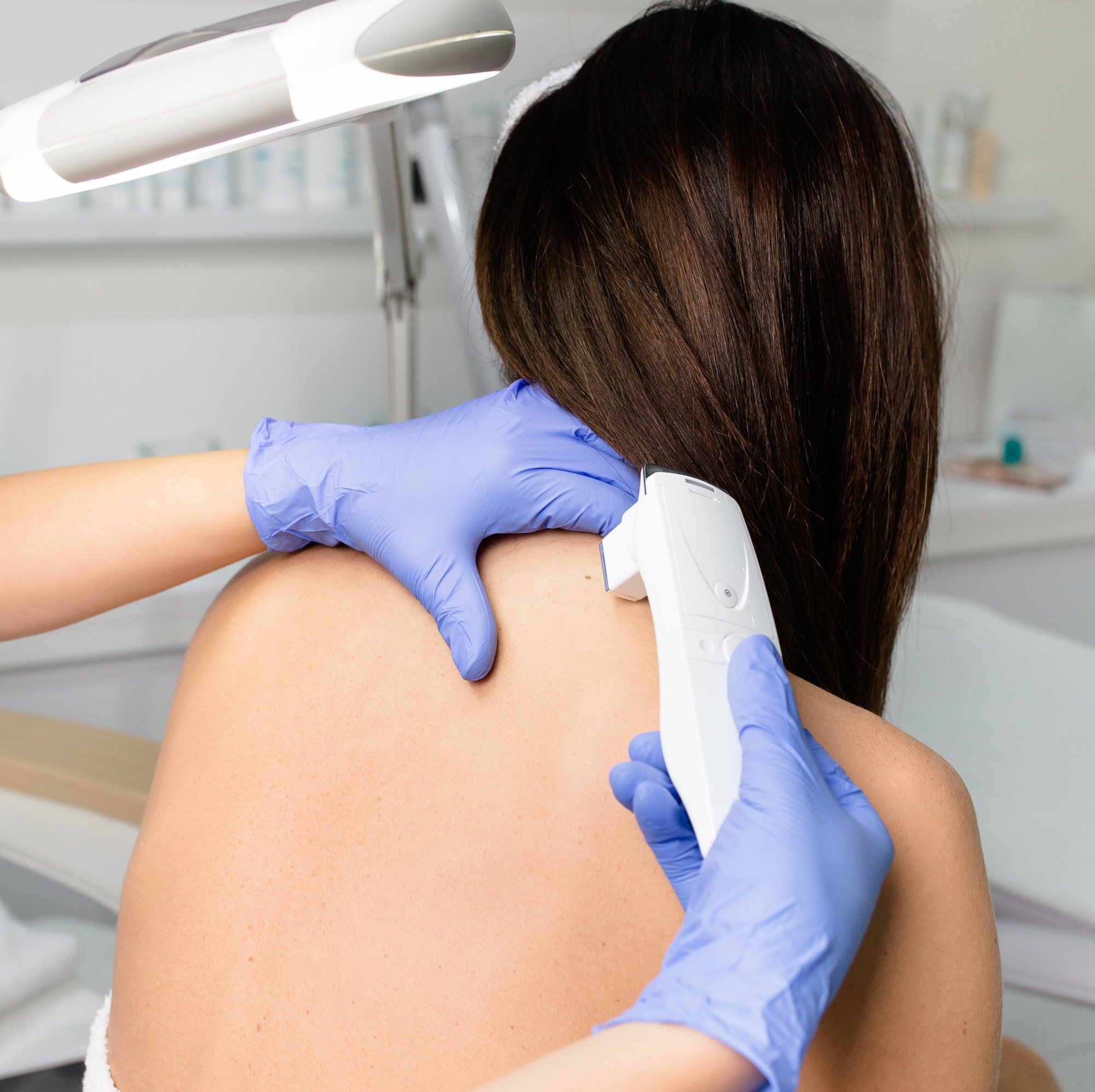
The procedure is performed in our clinic and typically takes only a short time. We focus on comfort, careful technique, and minimizing disruption so you can return to your day with confidence.

Aftercare and Follow-Up
You’ll receive clear aftercare instructions to support healing. If the mole is sent for testing or follow-up is needed, we’ll guide you through next steps and communicate results clearly.
WITH CITYHEALTH
From advanced treatments to personalized skin care, enjoy every step of your skin-health journey with CityHealth Dermatology.
4,500+ people trust us
WITH CITYHEALTH
From advanced treatments to personalized skin care, enjoy every step of your skin-health journey with CityHealth Dermatology.
4,500+ people trust us
Why Choose CityHealth Dermatology
We believe that great care starts with real connection. At CityHealth, you’re never just a chart or a symptom. You’re a whole person, and your care should reflect that. Here’s what makes our dermatology approach different:
Whole-Person Care
We don’t just treat moles! We take the time to understand your skin, your story, and your goals. Every visit is grounded in clarity, respect, and a plan that makes sense for you.
Accessable Care
With online scheduling, virtual visits, and transparent pricing, we make dermatology accessible. Whether it’s a first check or a follow up, world-class care should be easy for everyone.
Modern Treatment
We use trusted, evidence-based methods; never rushed or one-size-fits-all. From advanced imaging to minimally invasive removal, your comfort and safety always comes first.
Designed Around You
From calming spaces to unrushed appointments, everything we do is designed to put you at ease. You’ll feel it too – in the way we listen, explain and follow through.
Why Choose CityHealth Dermatology
We believe that great care starts with real connection. At CityHealth, you’re never just a chart or a symptom. You’re a whole person, and your care should reflect that. Here’s what makes our dermatology approach different:
Whole-Person Care
We don’t just treat moles! We take the time to understand your skin, your story, and your goals. Every visit is grounded in clarity, respect, and a plan that makes sense for you.
Accessable Care
With online scheduling, virtual visits, and transparent pricing, we make dermatology accessible. Whether it’s a first check or a follow up, world-class care should be easy for everyone.
Modern Treatment
We use trusted, evidence-based methods; never rushed or one-size-fits-all. From advanced imaging to minimally invasive removal, your comfort and safety always comes first.
Designed Around You
From calming spaces to unrushed appointments, everything we do is designed to put you at ease. You’ll feel it too – in the way we listen, explain and follow through.
Get the Care You Need Today
CityHealth is your independent, family-owned urgent care. We combine the convenience of online booking with the reassurance of in-person, expert medical care for the whole family.
Get the Care You Need Today
CityHealth is your local, independent, family-owned urgent care. We combine the convenience of online booking with the reassurance of in-person, expert medical care for the whole family.
Mole Removal Frequently Asked Questions
01
When should I get a mole checked?
If a mole is new, changing in shape, size, or color, or causing discomfort like itching or bleeding, it’s a good idea to have it evaluated by a dermatologist.
When you have your annual physical exam, ask your provider to check you for moles; they can refer you to a dermatologist if they have have nay concerns. Even if it seems minor, getting clarity can offer peace of mind.
02
Why should I get moles checked?
Regular mole checks of suspicious moles can help detect skin cancer, like melanoma, early. Early detection and treatment increases your likelihood of a quick recovery and can even save your life.
03
When should a mole be removed?
Your dermatologist may recommend removal if a mole if it’s showing signs of change, or if it causes irritation, discomfort, or worry. Removal may also be recommended for cosmetic reasons or to avoid long-term monitoring. A dermatologist can help you decide what’s medically necessary, what’s optional, and what feels right for you.
04
Does mole removal hurt?
Most mole removal procedures are quick and performed under local anesthesia. You may feel a pinch or slight pressure, but the procedure itself is typically painless. Some tenderness afterward is normal and usually short-lived. Most people heal fully within 1 to 2 weeks.

