

Your child spikes a fever at 8pm, and your pediatrician’s office went to voicemail an hour ago. It happens to nearly every parent. That moment of “where do I take them?” is stressful. However, after hours pediatric care doesn’t have to be complicated. Here’s exactly what your options are, when each one makes sense, and where CityHealth can help.
Medically reviewed by Susana Quezada, NP — Nurse Practitioner, Pediatric Experience
Your After Hours Pediatric Care Options
When your pediatrician’s office is closed, you have four main options: urgent care, the emergency room, telehealth, and nurse advice lines. Each one fits a different situation. Knowing which to use means less panic and faster care for your child.
Because sick kids don’t follow business hours, it helps to understand these options before a problem happens. However, if your child is having trouble breathing, is unresponsive, or showing signs of a serious emergency, skip this article and call 911 right now.
For everything else — late-night fevers, ear pain, vomiting, rashes, and minor injuries — read on. The American Academy of Pediatrics’ HealthyChildren.org symptom checker is also a helpful starting point when you’re unsure how urgent a symptom is.
Urgent Care for Kids After Hours
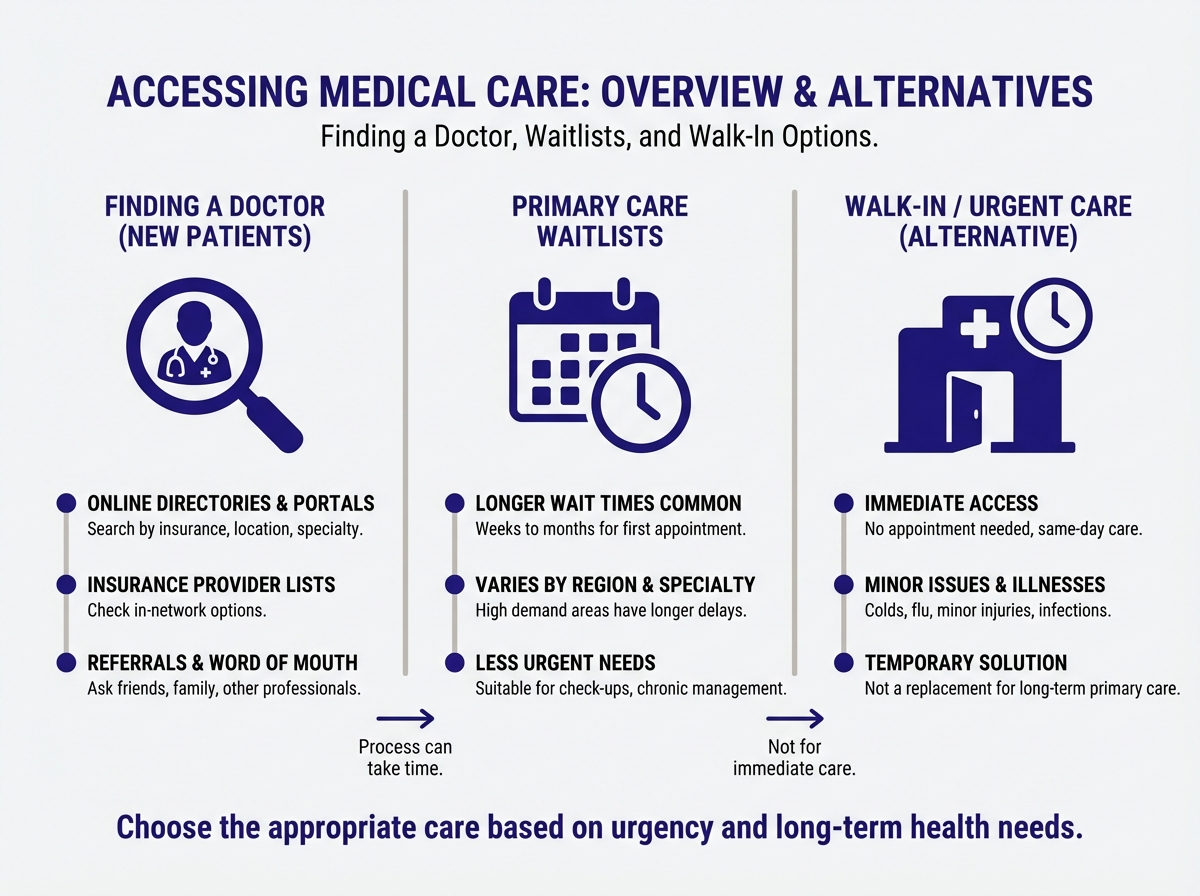
Urgent care is the right call for most after-hours situations that need in-person attention but aren’t life-threatening. Walk-in urgent care clinics see children for a wide range of illnesses and injuries. Also, they often have much shorter wait times and lower costs than the emergency room.
Specifically, urgent care is a good fit when your child has:
- A fever over 100.4°F (especially in older infants and toddlers)
- Ear pain or suspected ear infection
- Sore throat with possible strep
- Cough, cold, or mild respiratory symptoms
- Vomiting or diarrhea that’s moderate but not severe
- Rashes or skin irritation
- Pink eye (conjunctivitis)
- Minor cuts, scrapes, or injuries that may need stitches
- Urinary tract infections
- Mild asthma flare-ups that respond to a rescue inhaler
In addition, urgent care clinics can run rapid strep tests, flu tests, COVID tests, and urinalysis on-site. As a result, your child can be tested, diagnosed, and treated in a single visit. That means no six-hour wait like you’d face at a pediatric ER.
However, it’s important to choose an urgent care that actually sees children. Not all locations do. CityHealth’s pediatric urgent care is set up to handle kids of all ages, including infants.
When to Go to the ER Instead
Some situations require the emergency room, not urgent care. The ER has equipment and specialists that urgent care doesn’t. For certain emergencies, that difference matters enormously.
Take your child to the ER if they have:
- Difficulty breathing or turning blue around the lips
- A fever in a baby under 3 months old (any fever is an emergency at this age)
- Seizures, especially if it’s the first one or it lasts more than 5 minutes
- Loss of consciousness or extreme difficulty waking up
- Signs of severe dehydration (no tears, no urine for 8+ hours, very dry mouth)
- A severe allergic reaction (swelling of the face or throat, hives with vomiting)
- Head injury with confusion, repeated vomiting, or loss of consciousness
- A broken bone that looks visibly deformed or is causing severe pain
- Severe abdominal pain
- Ingestion of a medication, chemical, or toxic substance
For any of these situations, call 911 or go directly to the nearest emergency room. Don’t stop at urgent care first. Time matters when a child is in serious distress.
Telehealth and Nurse Lines After Hours
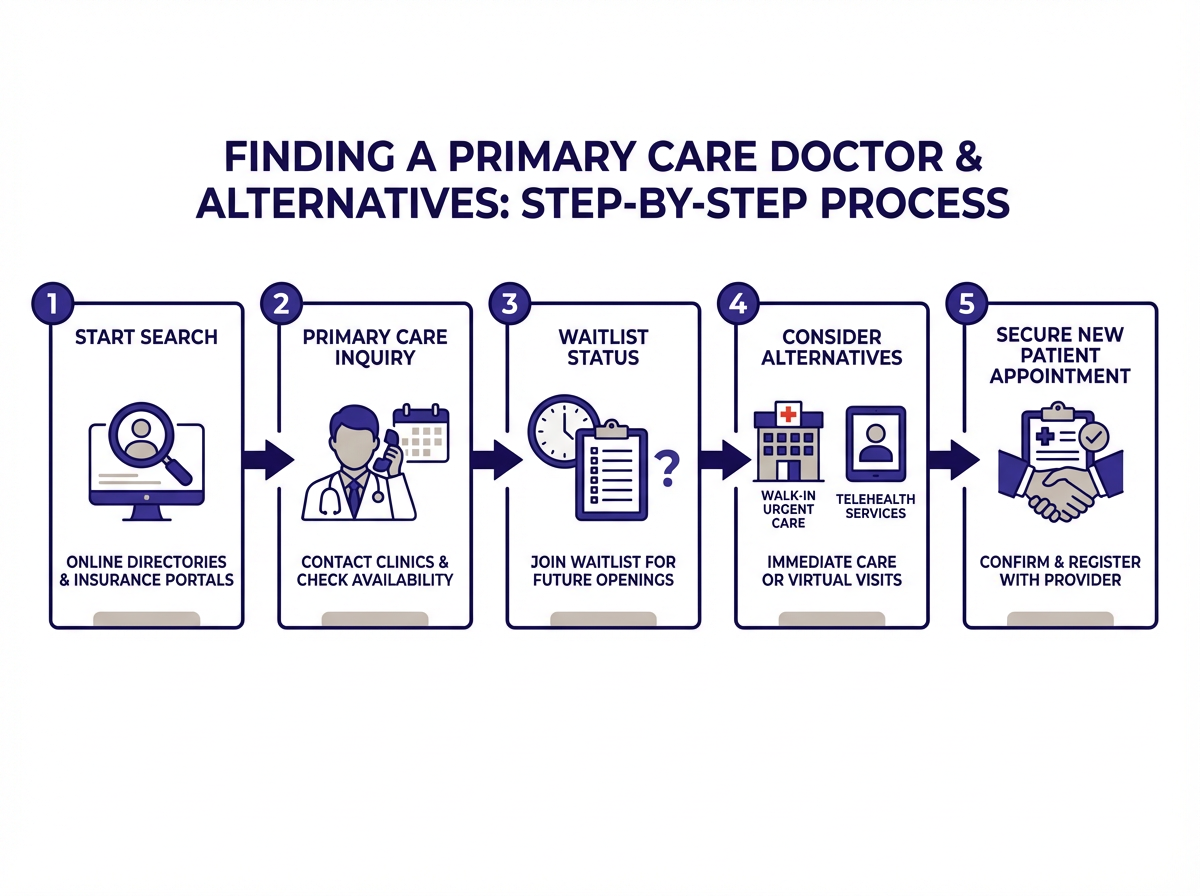
If you’re unsure how serious your child’s symptoms are, a nurse line or telehealth visit can help you decide — without leaving the house.
Nurse advice lines are available 24/7 through many insurance plans. A registered nurse walks through your child’s symptoms with you. They help you figure out whether your child needs to be seen tonight or can wait until morning. First, check your insurance card — many plans print the nurse line number right on the back.
Telehealth visits are another option for after-hours guidance. A provider can assess symptoms via video, give advice, and in some cases, send a prescription to your pharmacy. However, telehealth has real limits with children. Specifically, providers can’t examine ears, check oxygen levels, or run a strep test over video. Because of this, telehealth works best for mild symptoms or for deciding whether an in-person visit is needed.
Similarly, your child’s pediatrician may have an after-hours answering service. Many pediatric practices connect after-hours calls to an on-call nurse or physician. That provider can help you decide whether to wait, go to urgent care, or head to the ER.
Urgent Care vs. ER: How to Decide Quickly
When you’re standing in the kitchen at 10pm with a crying child, you don’t have time for a long analysis. Here’s a quick two-question test:
Question 1: Is this potentially life-threatening? If yes — or if you’re not sure — go to the ER. For example, breathing problems, a high fever in a newborn, seizures, and unresponsiveness all require emergency care.
Question 2: Does this need in-person care tonight? If yes, but it’s not life-threatening, urgent care is the right call. Think ear infections, strep, fever in a toddler, or a cut that needs stitches. Urgent care is faster, cheaper, and built for exactly these situations.
On the other hand, if symptoms are mild and your child is alert and drinking fluids, it may be safe to wait until morning. In that case, call the pediatrician when the office opens. When in doubt, use a nurse line to talk it through.
For more detail on fever thresholds and when to act, see our guide on when to take your child to the doctor for a fever.
Age Changes the Equation
Your child’s age affects how urgently you should act. Infants under 3 months are in a different category than older children. In fact, any fever in a baby under 3 months requires an ER visit — not urgent care, and not a wait-and-see approach.
For babies 3 to 6 months, a fever over 102°F deserves prompt evaluation. For children 6 months and older, fevers are less automatically alarming. However, watch for symptoms that suggest a serious infection. These include difficulty breathing, extreme tiredness, or a rash with small red dots (petechiae).
CityHealth sees infants and young children. Meanwhile, for very young babies — especially those under 3 months — the ER is the right first stop unless a provider has told you otherwise. You can also read our dedicated resource on urgent care for babies to understand what care is right at different ages.
After Hours Pediatric Care at CityHealth
CityHealth urgent care sees children evenings and weekends — no appointment needed, no long ER wait. Our providers are experienced in pediatric care. Moreover, they’re equipped to diagnose and treat the most common childhood illnesses on the spot.
At CityHealth, your child can receive:
- Rapid strep, flu, and COVID testing
- Ear exams and treatment for ear infections
- Evaluation and treatment for fever, cough, and respiratory illness
- Wound care and minor laceration repair
- Urinalysis and treatment for UTIs
- Rash evaluation and treatment
- Pink eye diagnosis and prescriptions
Therefore, when your pediatrician’s office is closed and your child needs to be seen tonight, CityHealth is the walk-in option built for that exact situation. We accept most major insurance plans and offer transparent self-pay pricing.
You can learn more on our urgent care page, or simply walk in during our open hours. Bring your child’s insurance card and a list of any current medications. We’ll handle the rest.
Frequently Asked Questions
Where can I take my child after hours?
Your main options are urgent care, the emergency room, telehealth, and nurse advice lines. For most illnesses and minor injuries that need in-person care but aren’t life-threatening, urgent care is the fastest and most affordable option. For serious emergencies, go directly to the ER or call 911.
When should I take my child to urgent care vs. the ER?
Go to urgent care for fevers, ear infections, strep throat, rashes, vomiting, minor cuts, and other non-emergency conditions. Go to the ER for breathing problems, seizures, any fever in a baby under 3 months, severe dehydration, head injuries with confusion, and anything that feels like an emergency. When in doubt, the ER is the safer choice.
Does urgent care see children?
Many urgent care clinics do see children, but not all. CityHealth sees pediatric patients of all ages, including infants and toddlers. It’s always a good idea to call ahead or check the clinic’s website to confirm they treat children before you head in.
What if my child’s symptoms seem mild?
If your child is alert and drinking fluids and doesn’t seem to be in serious distress, it may be safe to wait until morning. In that case, call your pediatrician when the office opens. If you’re unsure, your insurance plan’s nurse advice line is a good resource — they can help you decide whether your child needs to be seen tonight.