

So what does a pediatrician do — and is your child seeing one often enough? A pediatrician checks your child’s growth, gives vaccines, and treats illness. However, they do much more than that. Understanding what each visit covers will help you make faster, better decisions for your child’s health. And when your pediatrician can’t fit you in, you’ll know exactly where to go instead.
Medically reviewed by Susana Quezada, NP — Nurse Practitioner, Pediatric Experience
What Does a Pediatrician Do?
A pediatrician is a doctor who focuses on children’s health and growth. They work with patients from birth through young adulthood. First, they complete four years of medical school. Then they finish three years of pediatric residency. That training covers every stage of childhood — newborns, toddlers, school-age kids, and teenagers.
In everyday practice, pediatricians do two main things. First, they provide preventive care. These are the well-child checkups that track your child’s growth and vaccine schedule. Second, they diagnose and treat illness and injury when something goes wrong.
However, pediatricians do much more than check ears and write prescriptions. They screen for growth delays. They also spot early signs of behavior and learning differences. In addition, they counsel parents on nutrition and sleep. Moreover, they coordinate care with specialists when a child has complex needs.
Because pediatric medicine covers such a wide range, many parents see their child’s pediatrician as the central hub for all health decisions. For established patients with ongoing health needs, that relationship is genuinely important.
Well-Child Visits: What Happens at Each One
Well-child visits are the foundation of pediatric care. These are scheduled, preventive checkups that happen throughout childhood — whether your child is sick or not. Each visit has specific goals based on your child’s age.
Here’s what typically happens at each visit:
- Measurement and growth tracking: The doctor measures height, weight, head size in infants, and BMI. These are plotted on a growth chart. Pediatricians watch for patterns over time — not just a single number.
- Physical exam: The doctor checks the heart, lungs, belly, hips, eyes, ears, and skin. In newborns, there is also a focus on reflexes and muscle tone.
- Growth check: Providers check language, motor skills, and social development. They use age-specific milestones as a guide. Parents are often asked what their child can do.
- Vaccines: Most vaccines are given at well-child visits. They follow the recommended schedule — more on that below.
- Parent education: Each visit includes guidance for that stage. For example, topics include feeding, sleep safety, screen time, and injury prevention.
- Lab work: At certain ages, blood draws are done. For example, toddlers get iron and lead screening. Older children may get cholesterol screening. Teenagers may get STI screening.
In addition, well-child visits are when parents can raise concerns that don’t feel urgent but still matter. Picky eating, bedwetting, tantrums, school struggles — all of these are fair topics. Also, these visits are as much for parents as they are for kids.
Vaccines and the Immunization Schedule
Vaccines are one of the most important things a pediatrician does. The timing matters a lot. The CDC vaccine schedule is developed by the Advisory Committee on Immunization Practices. It is endorsed by the American Academy of Pediatrics. The schedule shows exactly when each vaccine should be given to maximize protection.
Most core childhood vaccines are given in the first two years of life. For example, shots for hepatitis B, DTaP, Hib, polio, rotavirus, pneumococcal disease, and MMR are all part of the early schedule.
However, vaccines continue well past infancy. Children get booster doses throughout elementary school. Teenagers also get additional shots. These include the HPV vaccine, meningococcal vaccine, and annual flu shots. Keeping up with the schedule is one of the most concrete ways to protect your child’s long-term health.
If your child has missed vaccines, a pediatrician or urgent care provider can review their records and get them caught up. In fact, CityHealth can also help with vaccine catch-up as part of a same-day visit.
Developmental Screening and Behavioral Health
One of the most important things a pediatrician does is developmental screening. At set ages, pediatricians use standard tools to check whether a child is hitting key milestones. These cover language, motor skills, social interaction, and thinking skills.
The American Academy of Pediatrics recommends screening at the 9-month, 18-month, and 30-month visits. Autism-specific screening is recommended at 18 and 24 months. These screenings are not diagnoses. Instead, they identify children who may need further checks or early help.
Early identification matters. Children who get early support for growth delays show much better outcomes. Because of this, missing well-child visits in the early years can mean missed chances to catch something important.
In addition to growth concerns, pediatricians also screen for mental health issues as children get older. Anxiety, depression, ADHD, and substance use screening are all part of adolescent preventive care. Similarly, these screenings help families get connected to the right support before problems grow.
How Often Should a Child See a Pediatrician?
The American Academy of Pediatrics recommends a set schedule of well-child visits. The visits are most frequent in infancy. They then taper off as children get older. Here’s the general schedule:
- Newborn period: 3 to 5 days after birth, then 1 month
- Infancy: 2 months, 4 months, 6 months, 9 months, 12 months
- Toddler years: 15 months, 18 months, 24 months, 30 months
- Preschool: 3 years, 4 years
- School age and adolescence: Annually from age 5 through 18
On top of well-child visits, children will also have sick visits throughout the year. Sick visits are separate from the annual schedule. They happen whenever your child has an illness or injury. Also, these visits do not count as the annual well-child checkup — they are add-ons.
Therefore, in a typical year, your child may see a provider several times. Once for the scheduled well-child visit, and additional times for illness or injury. Having access to same-day care for sick visits is important. In fact, a pediatrician’s schedule often fills up weeks in advance.
What Age Does a Pediatrician Stop Seeing Patients?
Most pediatricians see patients from birth through age 18. However, many will continue to see patients through age 21. This is especially common for college students still on their parents’ insurance who haven’t yet established care with an adult doctor.
Some pediatricians extend their practice to age 25. This applies to young adults with special health needs or complex medical histories. On the other hand, the move to adult medicine typically happens between 18 and 21. It often lines up with a natural change — like starting college or aging off a parent’s insurance plan.
If you’re searching for a pediatric doctor near you, it’s worth confirming the age range before scheduling. Also, if your older teenager needs same-day care before they’ve established with an adult doctor, CityHealth urgent care sees patients of all ages.
When Urgent Care Fills the Gap
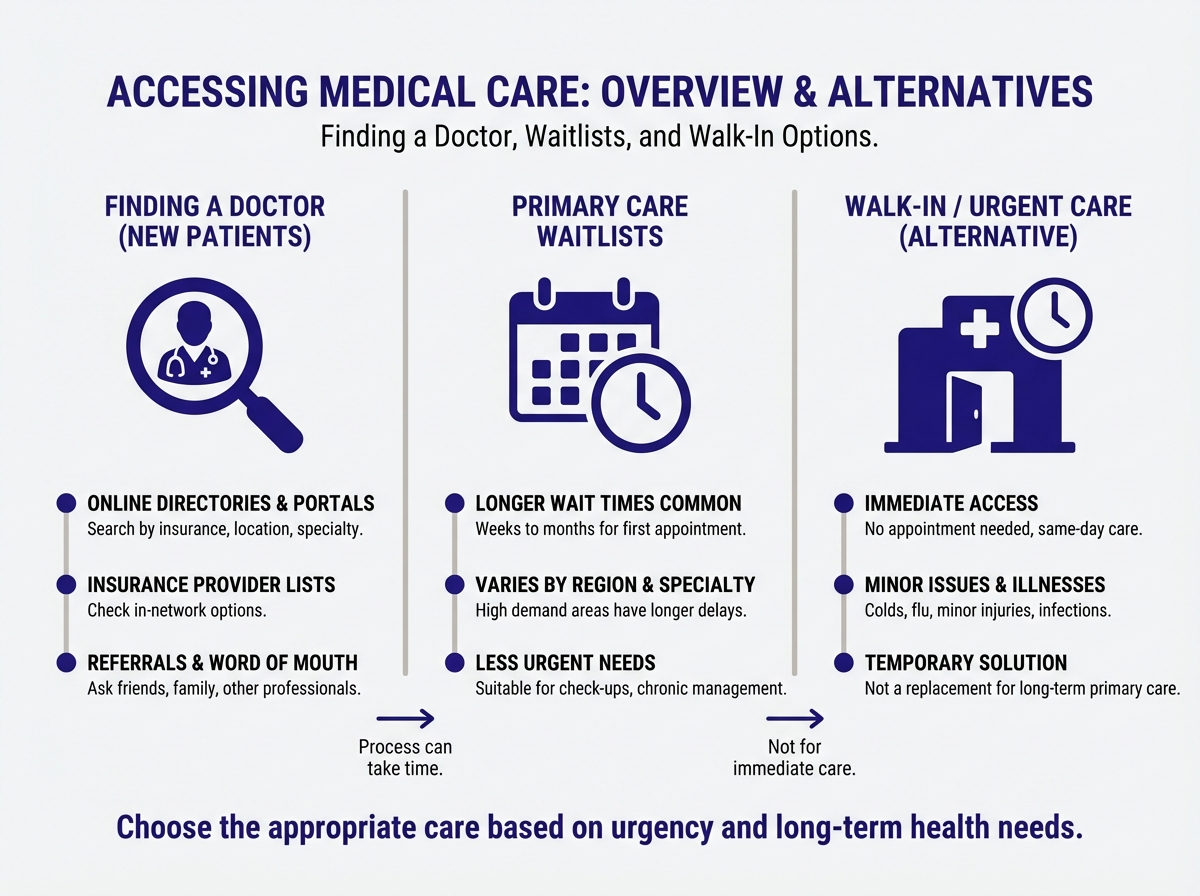
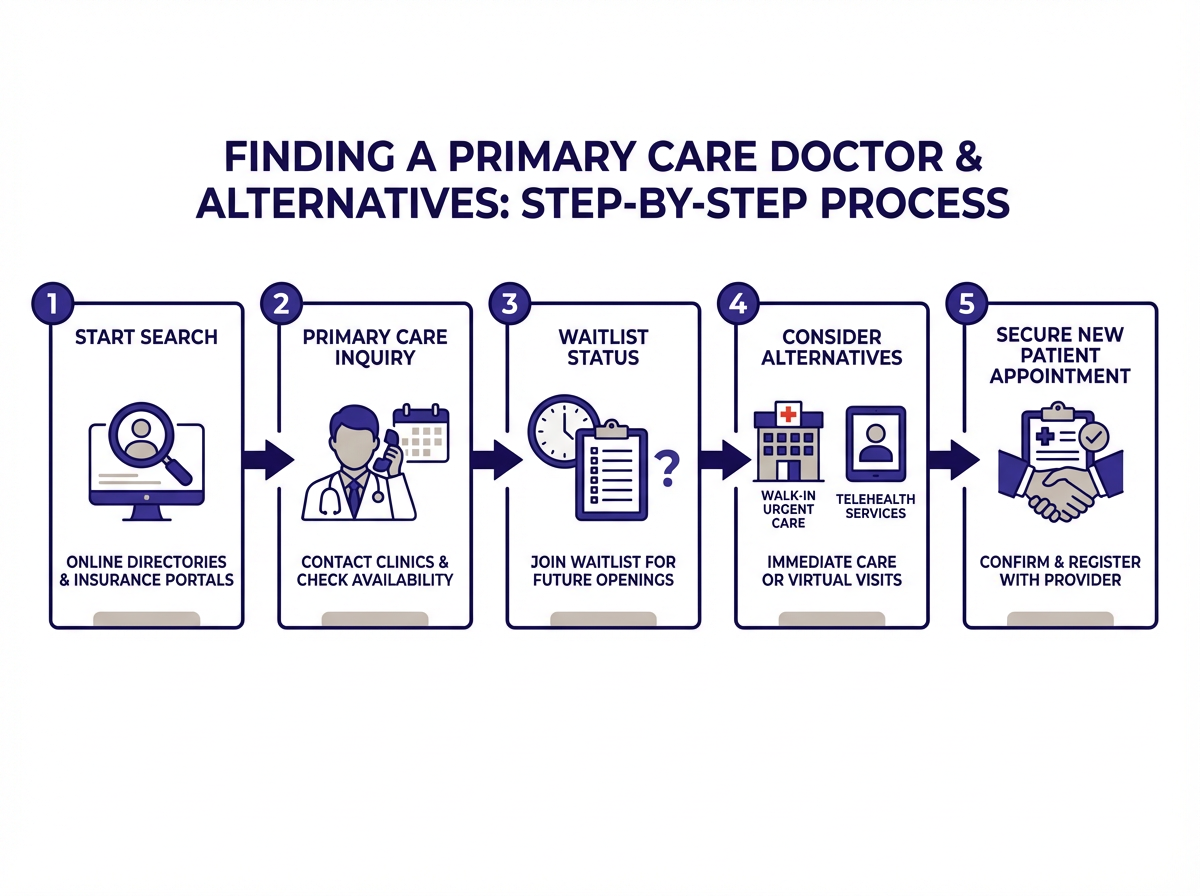
Pediatricians are excellent primary care providers. However, getting an appointment isn’t always possible when your child is sick today. Most pediatric practices are booked days to weeks out for well-child visits. As a result, sick slots fill up fast in the morning and are often gone by noon.
Urgent care fills that gap. For same-day sick visits, CityHealth handles the most common childhood illnesses and injuries right away — without a wait of days or weeks. CityHealth sees children for:
- Ear infections and ear pain
- Strep throat and sore throat check
- Fever check and treatment
- Cough, cold, and breathing symptoms
- Pink eye
- Rashes and skin infections
- Vomiting, diarrhea, and stomach pain
- Urinary tract infections
- Minor cuts, wounds, and sprains
Moreover, CityHealth can provide sports physicals, school physicals, and camp physicals the same day. This is often hard to schedule with a busy pediatric practice. Also, you can use urgent care for vaccine catch-up visits if your child has fallen behind on their shot schedule.
For more help figuring out when your child needs to be seen right away, see our guide on when to take your child to urgent care. And if you’re looking for a trusted same-day option, find out more about good pediatricians and pediatric urgent care near you.
CityHealth accepts most major insurance plans and operates evenings and weekends. Walk in any time — no appointment needed.
Frequently Asked Questions
What does a pediatrician do at each visit?
At well-child visits, a pediatrician measures growth and performs a full physical exam. They also assess growth milestones, give vaccines, and share age-appropriate guidance with parents. At sick visits, they diagnose and treat illness or injury. The content of each visit depends on the child’s age and the reason for the visit.
How often should a child see a pediatrician?
The American Academy of Pediatrics recommends well-child visits at set ages throughout childhood. Visits are frequent in infancy, then annually from age 2 onward. In addition to these scheduled visits, children will also have sick visits throughout the year as needed. The total number of visits depends on how often the child gets sick or injured.
What age does a pediatrician stop seeing patients?
Most pediatricians see patients from birth through age 18. However, many extend care to age 21 for patients still in school or on their parents’ insurance. The move to an adult primary care provider typically happens sometime between 18 and 21.
Can urgent care replace a pediatrician?
Urgent care is not a replacement for an ongoing relationship with a pediatrician. However, for same-day sick visits, physicals, and vaccine catch-up, urgent care can step in when your pediatrician isn’t available. CityHealth sees children for most common illnesses and injuries without an appointment.