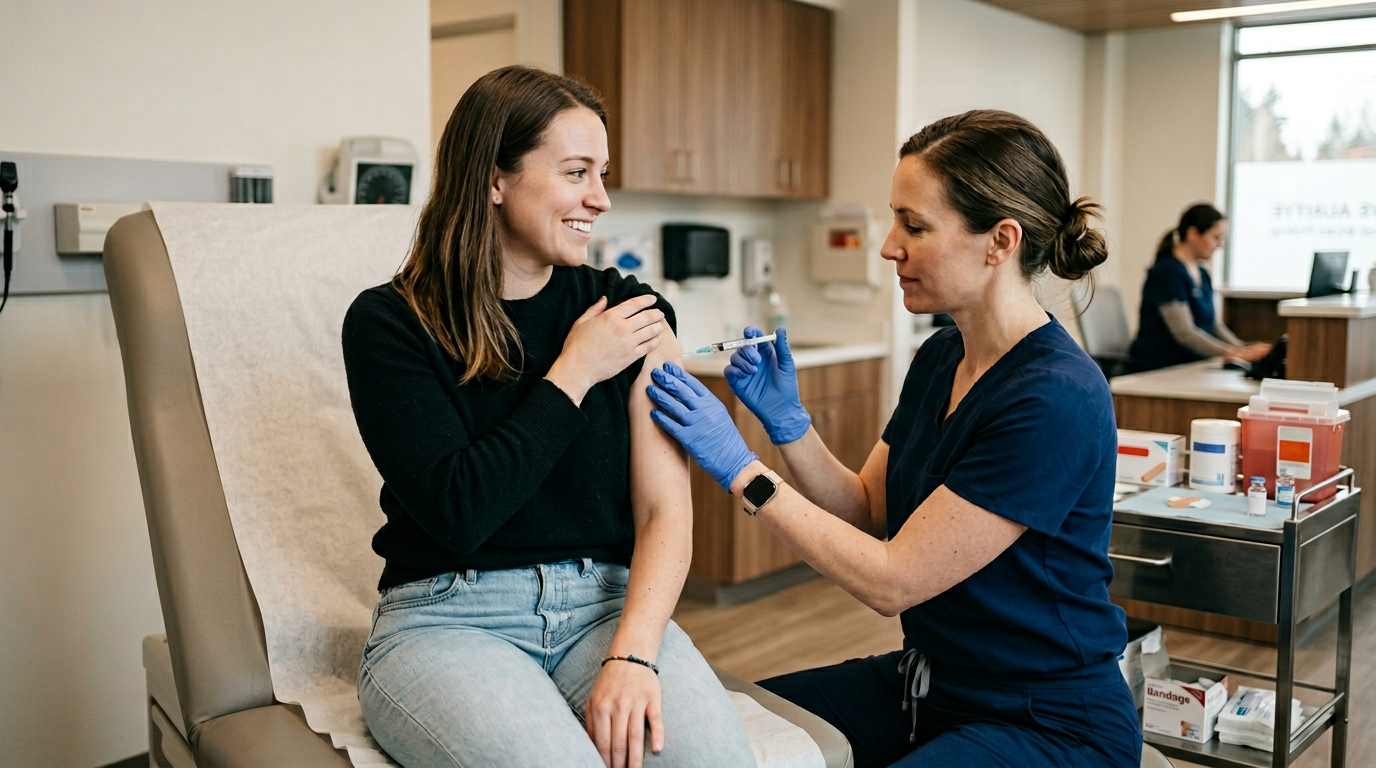
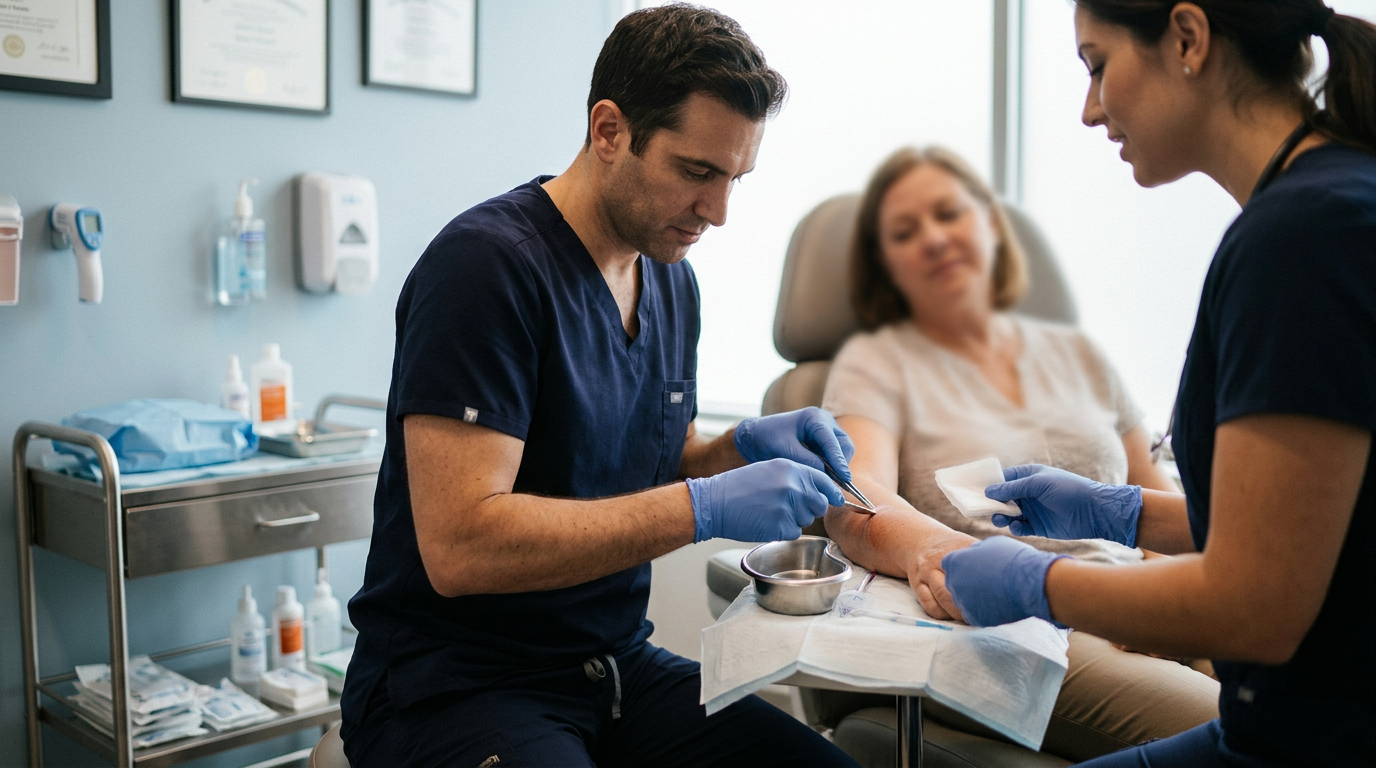
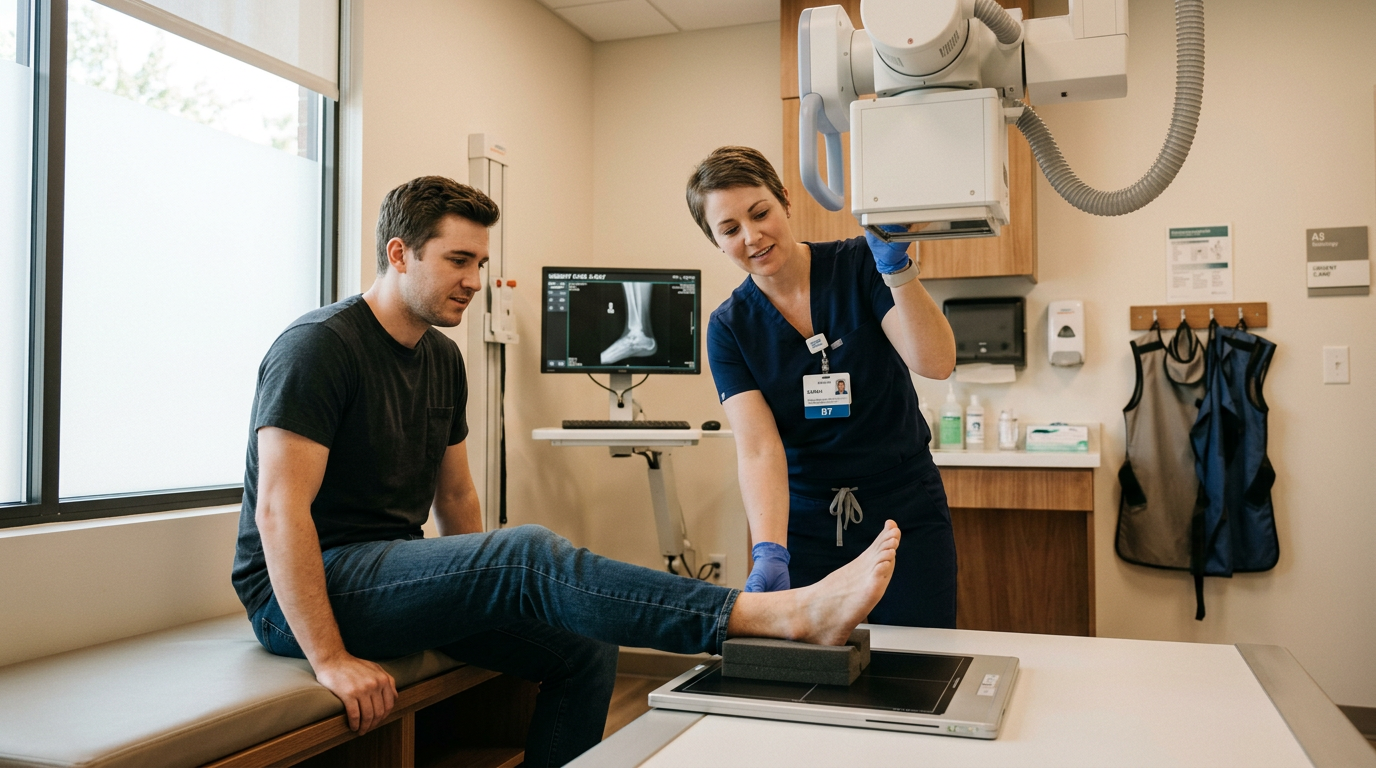
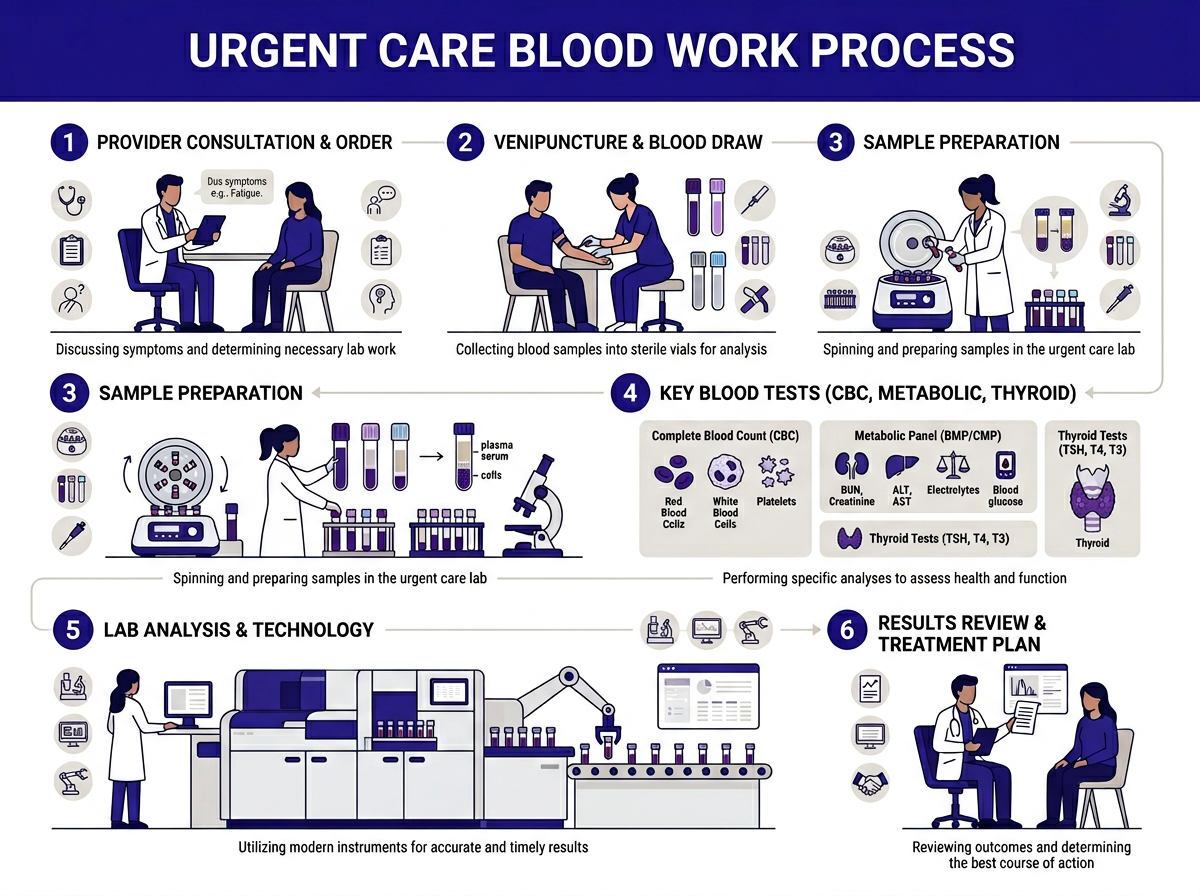
Your doctor ordered blood work, but the earliest lab appointment is next week. Or you woke up feeling terrible and want answers today, not after a three-day wait. Urgent care blood work gets you same-day testing without an appointment.
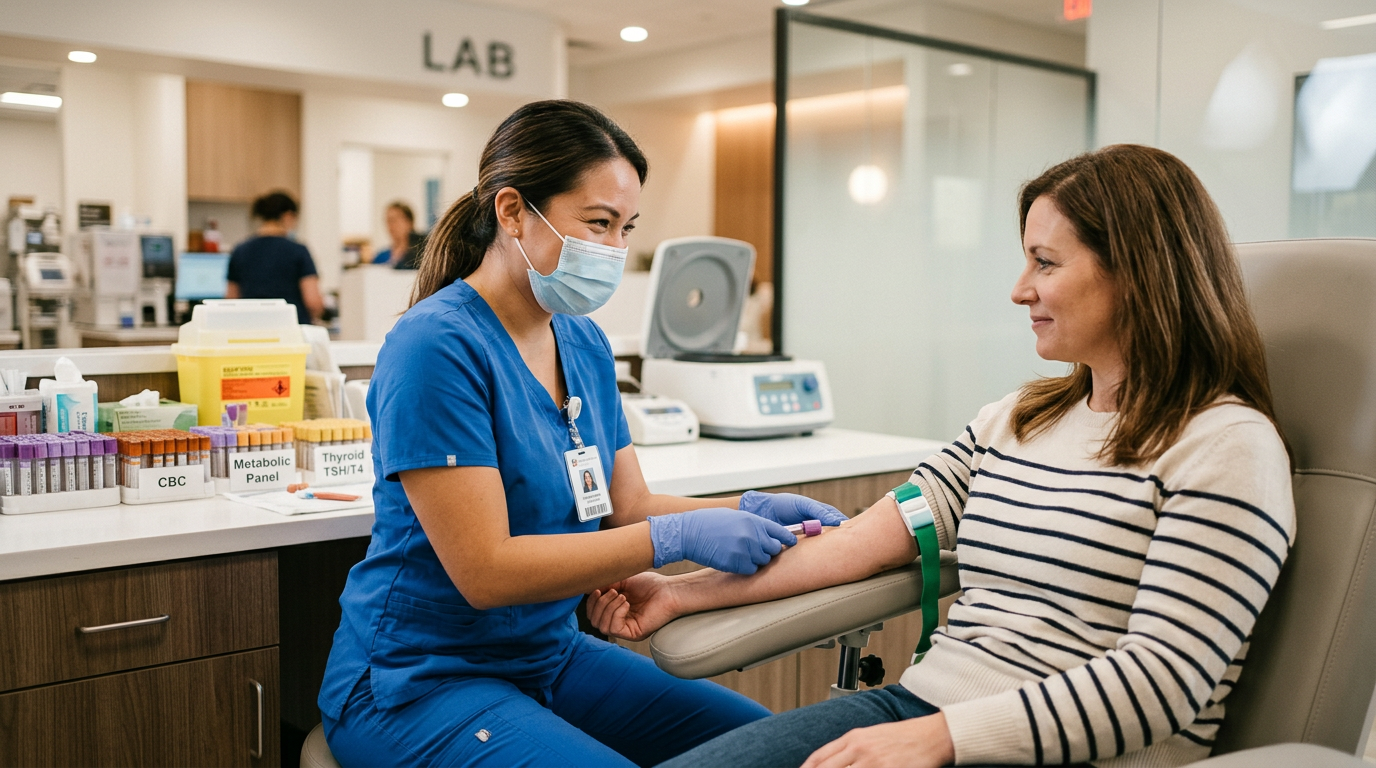
CityHealth Urgent Care in San Leandro runs on-site lab testing seven days a week. Walk in, get your blood drawn, and receive most results before you leave or within 24 hours. No referral needed.
This guide covers what blood tests urgent care performs, what they cost, how fast results come back, and when you should go somewhere else for specialized panels.
What Blood Tests Does Urgent Care Run?
Urgent care labs handle the blood work that primary care offices and hospitals order most frequently. The difference: you don’t need a prior appointment or physician referral.
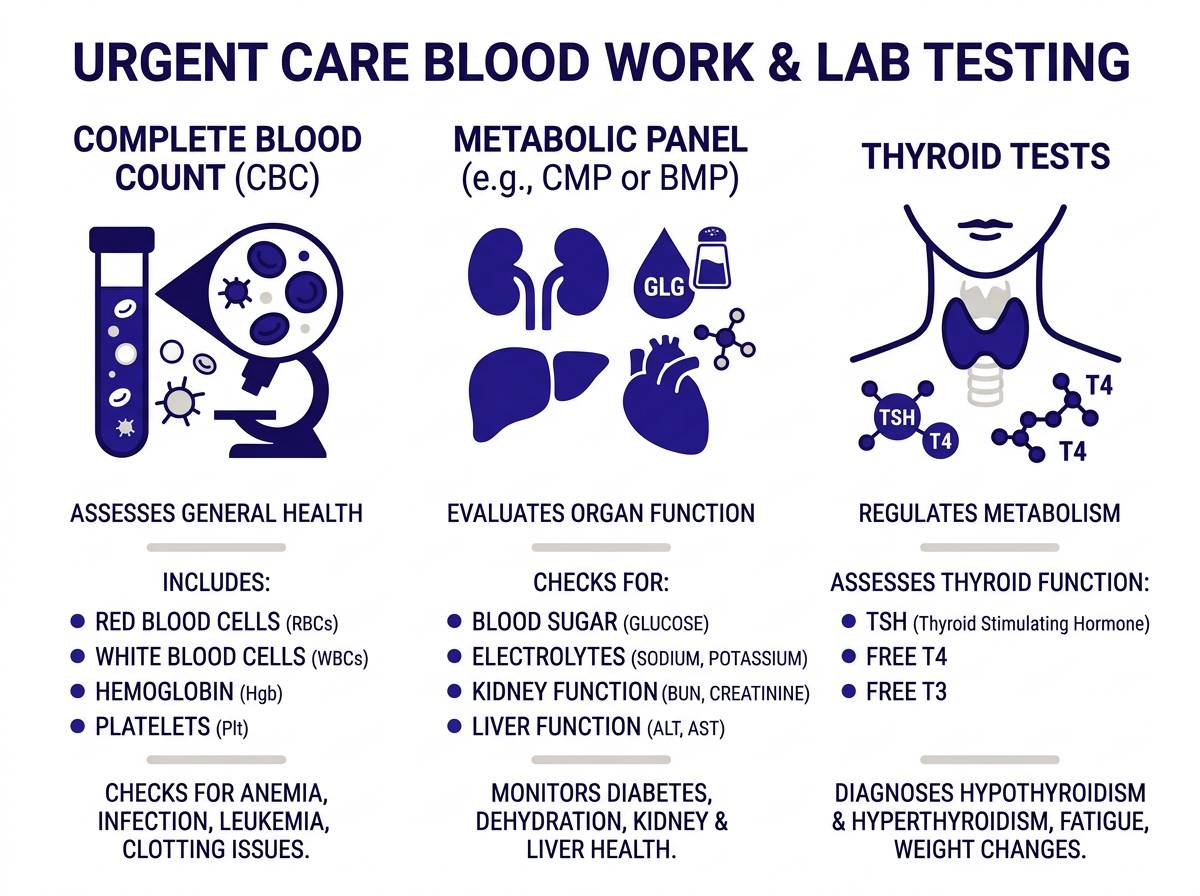
Complete Blood Count (CBC)
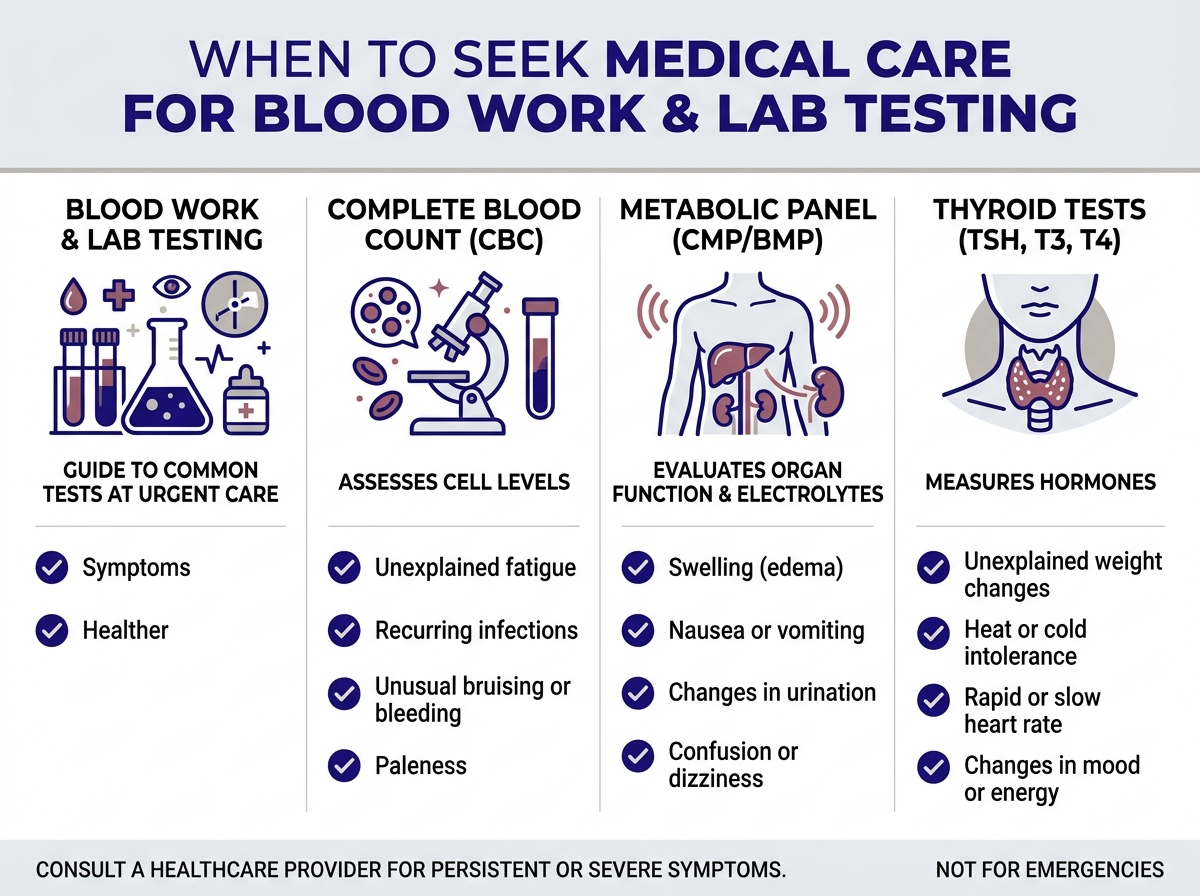
The CBC is the workhorse of blood testing. It measures your red blood cells, white blood cells, hemoglobin, hematocrit, and platelets. Providers order it to check for infection, anemia, blood clotting issues, and immune system function. If you come into urgent care with fatigue, fever, or unexplained symptoms, a CBC is usually the first test ordered.
Basic and Comprehensive Metabolic Panels (BMP/CMP)
These panels measure your blood sugar (glucose), kidney function (BUN, creatinine), electrolytes (sodium, potassium, chloride), and liver enzymes. The comprehensive version adds albumin, bilirubin, and total protein. Providers order metabolic panels for dehydration, unexplained nausea, diabetes monitoring, and medication management.
Thyroid Function Tests
TSH (thyroid-stimulating hormone) testing is available at most urgent care labs. If you’re experiencing unexplained weight changes, fatigue, hair loss, or mood shifts, a TSH test screens for hypothyroidism and hyperthyroidism. Some clinics also run free T3 and free T4 for a more complete thyroid picture.
STI and Infectious Disease Panels
Urgent care blood work includes screening for sexually transmitted infections. Common tests: HIV antibody, hepatitis B and C, syphilis (RPR), and herpes (HSV-1 and HSV-2). These tests require a blood draw, not a swab. Results typically come back within one to three days.
CityHealth also runs rapid strep tests and flu tests from throat and nasal swabs, but those aren’t blood work. For STI-specific information, see our full guide on services at what urgent care treats.
Lipid Panel (Cholesterol)
Total cholesterol, LDL, HDL, and triglycerides. Standard screening for cardiovascular risk. This one typically requires fasting for 9 to 12 hours before the draw for accurate results.
Blood Glucose and A1C
Fasting blood glucose gives a snapshot of your current blood sugar. Hemoglobin A1C shows your average blood sugar over the past two to three months. Both tests help screen for and monitor diabetes. Urgent care runs both on-site.
Urinalysis (Urine, Not Blood, But Runs Together)
While technically not blood work, urinalysis almost always accompanies blood testing when providers evaluate UTIs, kidney function, or dehydration. CityHealth runs urinalysis on-site with results available during your visit.
How Much Does Urgent Care Blood Work Cost?
Blood work pricing depends on your insurance coverage, the specific tests ordered, and whether you’re paying out of pocket.
With insurance: Most blood work at urgent care falls under your standard copay. That’s typically $25 to $75 for the visit, with lab work covered by your plan. CityHealth accepts most major insurance including Alameda Alliance, Medi-Cal, Blue Shield, Aetna, and Cigna.
Without insurance: Individual tests range from $15 to $100 each. A CBC costs roughly $15 to $40. A comprehensive metabolic panel runs $30 to $60. STI panels with multiple tests can reach $100 to $200 total. The office visit adds another $100 to $200 on top of lab fees.
Compare those numbers to hospital lab pricing, where a basic metabolic panel alone can cost $300 to $500 before physician charges. Urgent care labs offer the same CLIA-certified testing at a fraction of hospital rates.
If you’re paying out of pocket, read our guide on urgent care without insurance for pricing strategies and payment options in San Leandro.
For a full cost breakdown of urgent care visits, check our urgent care costs guide.
How Fast Do Urgent Care Blood Work Results Come Back?
Speed depends on the test. Some run on point-of-care analyzers right in the clinic. Others go to an outside reference lab.
Same-visit results (15 to 60 minutes):
- Blood glucose (fingerstick or venous draw)
- Basic urinalysis
- Rapid mono test
- Rapid influenza and COVID tests
- Pregnancy test (urine hCG)
Same-day or next-day results:
- CBC
- Basic and comprehensive metabolic panels
- Lipid panel
- TSH (thyroid)
One to five business days:
- STI panels (HIV, hepatitis, syphilis, herpes)
- A1C
- Specialized cultures
- Vitamin D, B12 levels
CityHealth notifies patients of results through their patient portal. For abnormal results, a provider calls directly to discuss next steps and treatment options.
Do You Need to Fast for Urgent Care Blood Work?
For most tests, no. CBC, metabolic panels (in most contexts), STI screening, and thyroid tests don’t require fasting. You can walk into urgent care, get drawn, and leave.
Fasting required for:
- Lipid panel: 9 to 12 hours fasting for accurate LDL and triglyceride readings
- Fasting glucose: 8 hours minimum, no food or drink except water
If you’re planning to get fasting blood work at urgent care, go first thing in the morning. Skip breakfast, drink water, and walk in when the clinic opens. According to the National Library of Medicine, water is fine during fasting periods and actually helps veins for easier draws.
What Blood Work Urgent Care Cannot Do
Urgent care labs cover a wide range, but some specialized testing requires different facilities:
- Genetic testing: Requires specialized labs with genetic counseling support
- Cancer markers (most): PSA, CA-125, CEA, and similar tumor markers typically need an oncologist’s order and specialized lab processing
- Allergy blood panels (specific IgE): Available at some urgent cares, but allergists provide more comprehensive panels with better interpretation
- Drug level monitoring: Therapeutic drug monitoring for medications like lithium, warfarin (INR), or anti-seizure drugs usually runs through your prescribing physician’s office
- Hormone panels: Estrogen, progesterone, testosterone, cortisol. Some urgent cares run basic hormone levels, but endocrinologists handle comprehensive workups
If you’re unsure whether urgent care can run a specific test, call ahead. CityHealth’s team at (510) 984-2489 can tell you in two minutes whether they handle your test on-site or need to refer out.
Urgent Care Blood Work vs. Lab Centers vs. Hospital Labs
Three places can draw your blood. Here’s how they stack up:
Urgent care labs offer convenience. No appointment needed. Walk in, get drawn, see a provider if you need medical evaluation alongside the lab work. Best for same-day testing when you need answers fast or when symptoms accompany the lab order.
Standalone lab centers (Quest, Labcorp) typically require a physician’s order. They process a wider range of specialized tests and often have lower self-pay rates for routine panels. But you need that referral, and you won’t see a doctor there.
Hospital labs handle everything including the most specialized tests. But hospital pricing runs two to five times higher than urgent care or standalone labs for identical tests. Unless you’re already admitted or in the ER, hospital labs don’t make financial sense for routine blood work.
The advantage of getting urgent care blood work is the combination: a provider evaluates you, orders appropriate tests based on symptoms, draws blood on-site, and starts treatment immediately if results warrant it. No bouncing between a doctor’s office and a separate lab.
When to Get Blood Work at Urgent Care
Skip the referral loop and go straight to urgent care blood work when:
- You have symptoms (fatigue, fever, dizziness) and want same-day evaluation with labs
- Your doctor ordered routine blood work but the lab has no openings this week
- You need pre-employment or pre-travel health screening
- You want STI testing without scheduling through a primary care provider
- You need a follow-up blood draw to monitor a known condition
If you’re dealing with an injury that also needs imaging, CityHealth handles both urgent care x-ray and blood work during a single visit.
Get Same-Day Blood Work at CityHealth
CityHealth Urgent Care in San Leandro offers on-site blood work and lab testing with fast turnaround. Walk in 7 days a week or book online at care.cityhealth.com/book-appointment. Call (510) 984-2489 with questions.