A mosquito bite itches for a day and fades. But the bite on your leg that’s swelling, turning red, and feels warm three days later? That’s when you need an urgent care insect bite evaluation before the reaction gets worse.

Most bug bites heal on their own. Some don’t. Allergic reactions, infected bites, tick-borne illness, and venomous spider bites all require medical treatment that urgent care provides on the spot. CityHealth Urgent Care in San Leandro treats insect bites and stings seven days a week with no appointment needed.
This guide covers which bites need medical attention, what urgent care does for them, and when a bite warrants an ER visit instead.
When Does an Insect Bite Need Urgent Care?
The vast majority of insect bites are harmless. Mosquitoes, gnats, no-see-ums, and common ants cause temporary itching and minor swelling that resolves within a few days with basic home care.
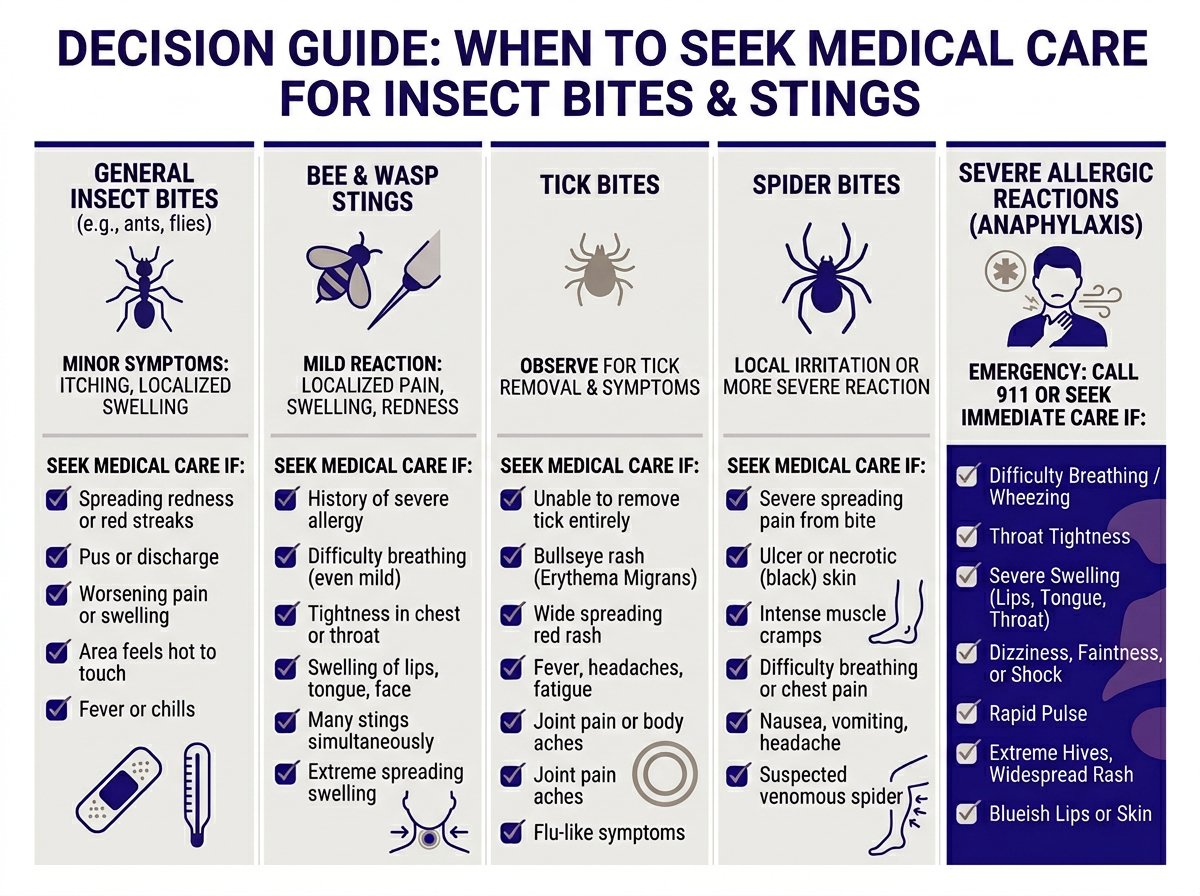
Seek urgent care for an insect bite when you notice any of these:
- Spreading redness beyond the bite site: A growing ring of red skin suggests cellulitis (bacterial skin infection) or an allergic reaction
- Increasing swelling after 48 hours: Normal bites start improving by day two. Worsening swelling means trouble.
- Pus or drainage from the bite: This indicates secondary bacterial infection, which needs antibiotics at urgent care
- Red streaks moving away from the bite: Lymphangitis. The infection is spreading through your lymphatic system. Get treated today.
- Fever after a bite: Your body is fighting a systemic infection or reacting to venom
- A bull’s-eye rash (ring within a ring): Classic sign of Lyme disease from a tick bite. Treatment needs to start immediately.
- Bite on the face or near the eyes: Swelling near airways or eyes requires prompt evaluation
Urgent Care Insect Bite Treatment by Type
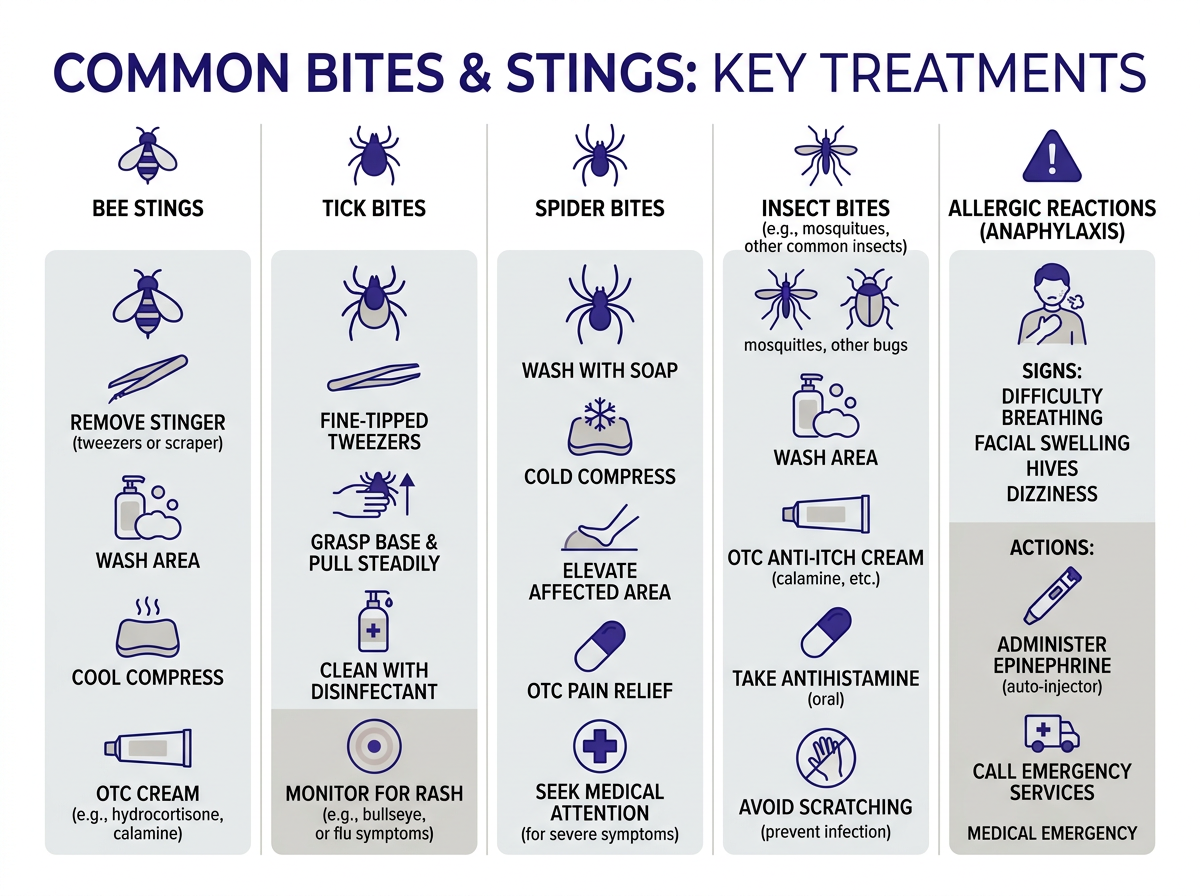
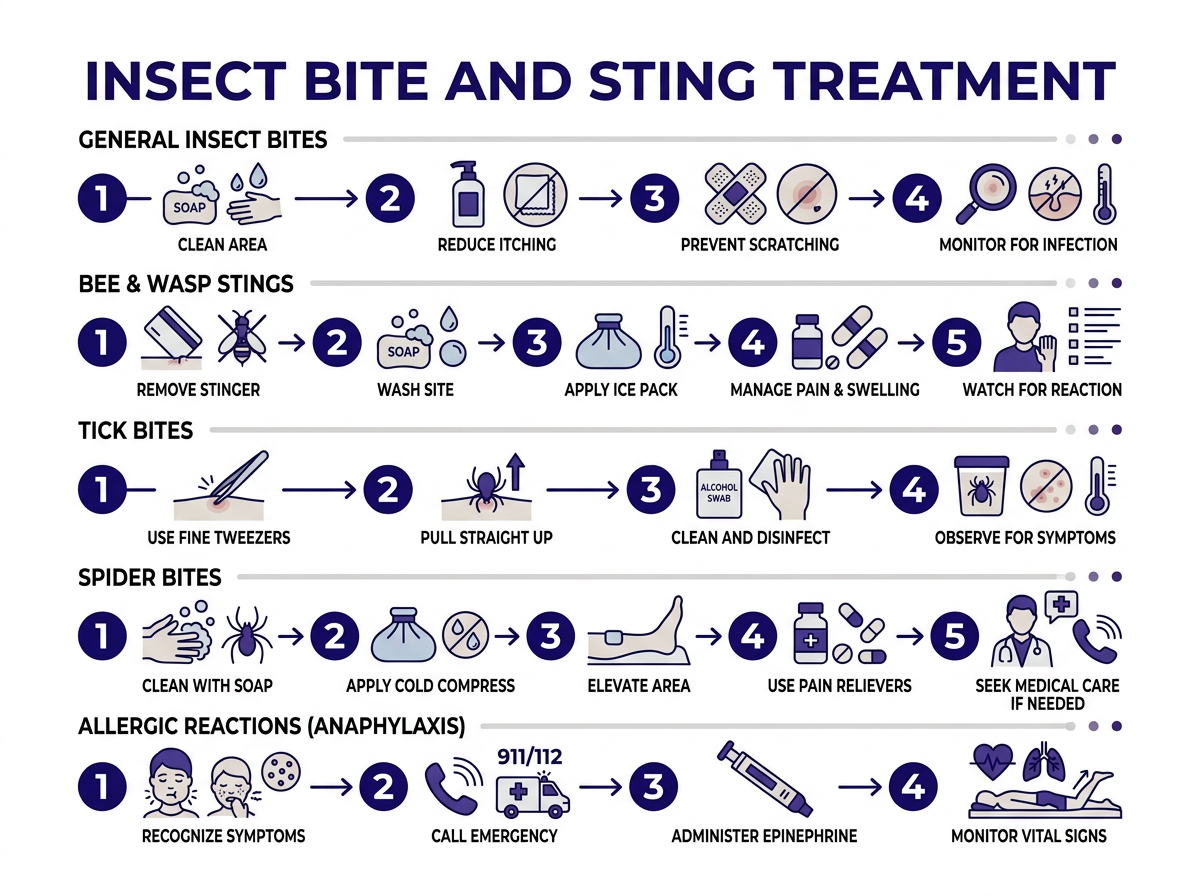
Bee and Wasp Stings
Bee stings cause immediate sharp pain, localized swelling, and redness. For most people, this peaks within a few hours and fades over two to three days. Urgent care treatment is needed when:
- The stinger is embedded and you can’t remove it
- Swelling extends well beyond the sting site (large local reaction)
- You develop hives, facial swelling, difficulty breathing, or dizziness (anaphylaxis symptoms, go to ER)
- You were stung multiple times (10 or more stings can cause toxic reaction regardless of allergy status)
At urgent care, providers remove retained stingers, administer antihistamines and corticosteroids to reduce swelling, and monitor for delayed allergic reactions. If you’ve had a severe reaction to stings before, carry an EpiPen and use it first, then go to the ER.
Tick Bites and Lyme Disease
Ticks in the Bay Area carry diseases including Lyme disease and anaplasmosis. The western black-legged tick (Ixodes pacificus) is the primary vector in California.
Remove the tick properly: Use fine-tipped tweezers. Grasp the tick as close to the skin surface as possible. Pull upward with steady, even pressure. Don’t twist, crush, or burn the tick. Clean the area with rubbing alcohol or soap and water.
When to see urgent care after a tick bite:
- The tick was embedded for more than 24 hours (Lyme transmission risk increases significantly after 36 to 48 hours of attachment)
- You develop a rash at the bite site within 3 to 30 days, especially a bull’s-eye pattern (erythema migrans)
- Fever, headache, fatigue, or muscle aches develop within weeks of the bite
- Joint pain or swelling appears, particularly in the knees
Urgent care providers evaluate the bite, order Lyme disease blood tests when appropriate, and start prophylactic antibiotics (doxycycline) if the exposure risk is high. Early treatment prevents Lyme disease from progressing to chronic joint and neurological problems. The CDC recommends seeking medical evaluation within 72 hours of removing an engorged tick in Lyme-endemic areas.
Spider Bites
Two spiders in the United States cause medically significant bites: the black widow and the brown recluse. California has black widows. Brown recluses are rare in the Bay Area but not impossible (they arrive in shipped goods).
Black widow bites cause intense muscle cramping, abdominal pain, sweating, and elevated blood pressure. The bite itself may look unremarkable. Symptoms develop within one to three hours. Seek urgent care or ER immediately.
Brown recluse bites cause a spreading area of tissue death (necrosis). The bite forms a blister, then an ulcer with a dark center over days to weeks. If you suspect a brown recluse bite, get to urgent care for wound evaluation.
Most “spider bites” are actually other insects or skin infections. Providers frequently see patients convinced a spider bit them when MRSA staph infection is the real culprit. Either way, urgent care diagnoses and treats both. If the bite develops into an abscess, CityHealth performs urgent care abscess drainage on-site.
Fire Ant Bites
Fire ants attack in groups and leave clusters of painful, burning welts that develop into pustules within 24 hours. Most fire ant bites heal on their own. Urgent care is needed if the bites become infected (spreading redness, pus, fever) or if you have an allergic reaction (widespread hives, difficulty breathing).
Mosquito Bites (When They Go Wrong)
Normal mosquito bites don’t need medical care. But some people develop “skeeter syndrome,” a large local allergic reaction that causes significant swelling, redness, and warmth around the bite. Children and people new to an area’s mosquito species are most susceptible. Urgent care treats skeeter syndrome with prescription-strength antihistamines and topical corticosteroids.
Mosquitoes also transmit West Nile virus, though symptomatic infections are uncommon. Seek care if you develop high fever, severe headache, neck stiffness, or confusion after mosquito exposure.
What Does Urgent Care Do for Insect Bites?
Treatment depends on the bite type and your symptoms. Here’s what urgent care providers typically do:
- Clean and assess the bite: Proper wound cleaning reduces infection risk
- Prescribe antihistamines: Oral Benadryl or Zyrtec for allergic reactions and itching
- Administer corticosteroids: Oral prednisone or injectable steroids for severe swelling
- Start antibiotics: For infected bites showing cellulitis, pus, or spreading redness
- Remove embedded stingers or tick parts: Using sterile instruments under magnification
- Order blood work: Lyme disease testing, CBC for infection evaluation. CityHealth runs urgent care blood work on-site.
- Administer tetanus booster: If your tetanus vaccination isn’t current and the bite broke skin. CityHealth provides urgent care tetanus shots on-site.
- Drain abscesses: Bites that develop into infected pockets of pus get incision and drainage during the visit
- Provide epinephrine: For moderate allergic reactions. Severe anaphylaxis needs ER care.
When to Go to the ER for an Insect Bite
Some reactions require emergency room capabilities that urgent care doesn’t have. Call 911 or go directly to the ER if:
- Throat swelling or difficulty breathing: Anaphylaxis can close your airway within minutes. Use your EpiPen if you have one, then call 911.
- Rapid-onset hives covering your body: Systemic allergic reaction
- Dizziness, fainting, or rapid heartbeat after a sting: Signs of anaphylactic shock
- Known severe allergy to the insect that bit you: Don’t take chances. Go to the ER even if symptoms seem mild initially.
- Multiple stings (15 or more): Toxic venom load can cause organ damage regardless of allergy status
For a full breakdown on choosing between urgent care and the ER, read urgent care vs ER.
Home Care for Minor Insect Bites
Most bites respond to basic treatment at home. Before heading to urgent care, try these steps for mild reactions:
- Wash the bite with soap and water
- Apply a cold pack wrapped in a cloth (15 minutes on, 15 minutes off) to reduce swelling
- Take an over-the-counter antihistamine (cetirizine, diphenhydramine) for itching
- Apply hydrocortisone cream (1%) to the bite site
- Avoid scratching. Scratching opens the skin and invites bacterial infection.
If symptoms don’t improve within 48 hours, or they get worse at any point, go to urgent care.
Insect Bite Prevention in the Bay Area
The East Bay has year-round insect activity thanks to the mild climate. Reduce your exposure:
- Wear long sleeves and pants in wooded or grassy areas (tick prevention)
- Use EPA-registered insect repellents containing DEET, picaridin, or oil of lemon eucalyptus
- Check your body for ticks after hiking, especially around ankles, behind knees, and in the hairline
- Remove standing water around your home (mosquito breeding grounds)
- Shake out shoes and clothing stored in garages (spider prevention)
- Wear closed-toe shoes in grass and gardens (fire ants, spiders)
Get Insect Bite Treatment at CityHealth
CityHealth Urgent Care in San Leandro offers same-day insect bite evaluation and treatment. Walk in 7 days a week or book online at care.cityhealth.com/book-appointment. Call (510) 984-2489 with questions.