An ingrown toenail can go from annoying to seriously painful — especially if it becomes infected. Seeking ingrown toenail urgent care early can prevent the need for more complex surgery. CityHealth San Leandro provides same-day ingrown toenail urgent care, including nail removal procedures under local anesthesia.
What Is an Ingrown Toenail?
An ingrown toenail (onychocryptosis) occurs when the edge of the toenail grows into the surrounding skin instead of straight across. The big toe is affected in the vast majority of cases. The nail edge pierces the skin, causing pain, pressure, swelling, and eventually — if not treated — infection.
Symptoms
- Pain along one or both sides of the toenail
- Swelling of the tissue around the nail edge
- Redness and tenderness along the nail border
- Drainage of fluid or pus (indicates infection)
- Skin growing over the corner of the nail
- Granulation tissue — excess skin growth at the nail edge (looks like extra puffy red tissue)
Causes of Ingrown Toenails
- Cutting nails too short or rounding the corners — the most common cause; nails should be cut straight across, not curved
- Wearing tight shoes — compresses toes and encourages nail edge to grow inward
- Injury to the toe — stubbing or dropping something on the toe can change nail growth pattern
- Genetics — naturally curved nails are more prone to ingrowth
- Hyperhidrosis (excessive sweating) — softens skin and makes it easier for the nail to penetrate
- Improper nail trimming technique — including peeling or tearing nails rather than cutting them
When to Go to Urgent Care for an Ingrown Toenail
Come to CityHealth urgent care if:
- The area is infected — warmth, swelling, pus, spreading redness (cellulitis), fever
- At-home remedies haven’t worked after 3–5 days
- The pain is severe or interfering with walking
- Granulation tissue is present (puffy pink overgrowth at the nail edge)
- You have diabetes or poor circulation — foot complications can escalate quickly; don’t try to manage at home
- You’ve had multiple ingrown toenails on the same nail — may benefit from a partial nail avulsion (permanent fix)
What Urgent Care Can Do for an Ingrown Toenail
Depending on severity, CityHealth providers can:
Non-Invasive Treatment (Mild Cases)
- Soak and lifting technique — guidance on proper soaking and gently lifting the nail edge with cotton
- Antibiotic prescription — oral antibiotics (cephalexin, clindamycin) for early-stage infection
- Antibiotic ointment and wound care instructions
Nail Procedure (Moderate-Severe Cases)
- Partial nail avulsion (PNA) — a minor in-office procedure done under local anesthesia:
- The toe is numbed with a digital nerve block (very effective, brief discomfort)
- The offending edge of the nail is removed using a nail splitter and elevator
- If the nail is recurrently ingrown, a chemical (phenol) is applied to the nail matrix to permanently prevent regrowth of that edge
- Dressed and you walk out — no sutures needed
- The procedure takes 15–20 minutes and is highly effective
- Pain relief is immediate after the anesthesia takes effect
Home Care for Mild Ingrown Toenails
If caught early, before infection develops, some ingrown toenails can be managed at home:
- Soak the toe — warm water soaks 15–20 minutes, 3–4 times per day. Add Epsom salt or a small amount of antibacterial soap.
- Lift the nail edge — after soaking, gently place a small piece of cotton or dental floss under the corner of the nail to encourage it to grow over the skin rather than into it. Change daily.
- OTC antibiotic ointment — apply neosporin or bacitracin to the area after soaking
- Wear loose footwear — open-toed shoes or sandals while healing
- Don’t cut the corner off — this won’t fix the problem and often makes it worse
Stop home care and come in if symptoms don’t improve within 3–5 days, or if any signs of infection appear.
Special Considerations: Diabetic Patients
Diabetes significantly increases the risk of complications from an ingrown toenail. Reduced sensation means you may not notice how severe the problem has become until there’s significant infection. Reduced circulation impairs healing and increases infection risk. Any diabetic patient with an ingrown toenail should be evaluated by a healthcare provider rather than attempting home treatment.
Preventing Future Ingrown Toenails
- Cut nails straight across — not curved; don’t taper the corners inward
- Don’t cut nails too short — nails should extend slightly past the end of the toe
- Wear properly fitting shoes — toes should have wiggle room; avoid narrow toe boxes
- Keep feet clean and dry
- Protect feet during sports — trauma accelerates ingrown nail development
Get Treatment at CityHealth Today
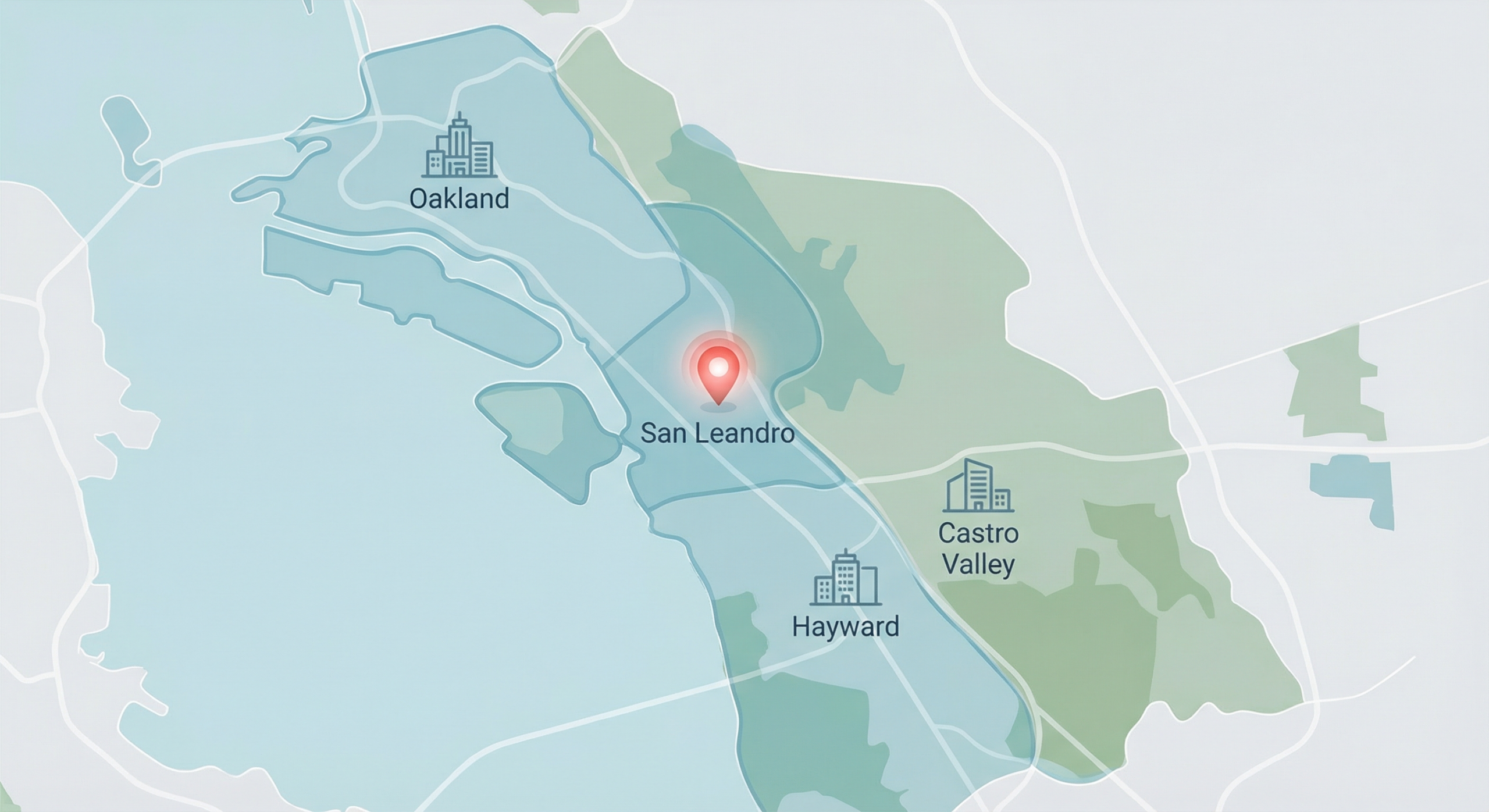
Ingrown toenails don’t resolve on their own once infected — and they get significantly more painful if left untreated. CityHealth can perform nail procedures same day at our Oakland Montclair and San Leandro locations. Walk in or book an appointment online to avoid the wait.
Resources: the American Podiatric Medical Association on ingrown toenails
See also: ingrown toenail treatment in San Leandro
Ingrown toenail pain? We can fix it today.
CityHealth performs ingrown toenail procedures at Oakland Montclair and San Leandro — same-day nail avulsion under local anesthesia. Book online · Find a location · All urgent care services.
Need same-day care?
CityHealth San Leandro offers walk-in urgent care 7 days a week with on-site lab and X-ray. Book an appointment online or visit our San Leandro clinic.
Related: pneumonia symptoms
See our complete guide: what can urgent care treat.