
What is Travel Medicine?
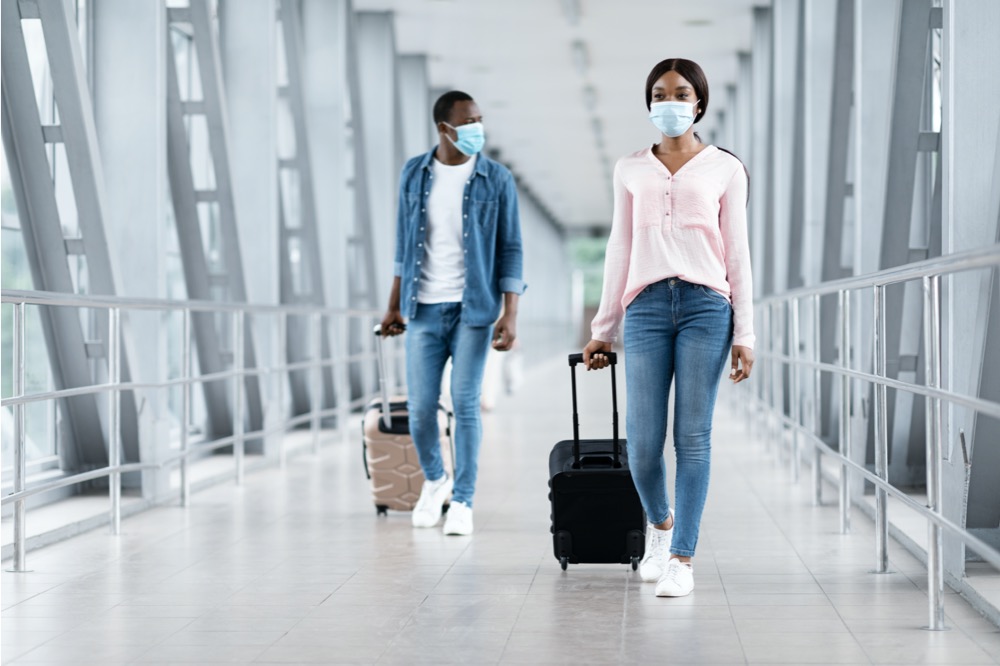
Travel medicine focuses on the prevention and management of health issues related to travel. It involves various aspects of medicine including infectious diseases, immunology, epidemiology, and preventive medicine. Our practitioners will offer pre-travel advice, vaccinations, medications, and other preventive measures to travelers to minimize the risk of acquiring infectious diseases, injuries, or other health problems while abroad. What it includes are the following:
- Pre-travel consultations: Travelers visit a travel medicine specialist or healthcare provider before embarking on their journey to receive personalized advice based on their destination, itinerary, medical history, and specific health concerns.
- Vaccinations: Travel medicine practitioners provide vaccinations against common travel-related infectious diseases such as typhoid, hepatitis A and B, yellow fever, rabies, and others. They also offer guidance on the appropriate timing and necessity of vaccines based on the traveler’s itinerary.
- Medication and preventive measures: Travel medicine experts prescribe medications such as antimalarials, antibiotics, and medications for altitude sickness to travelers based on their destination and individual health needs. They also advise on preventive measures such as insect repellents, mosquito nets, and safe food and water practices.
- Post-travel care: Travel medicine professionals offer follow-up care for travelers who may have acquired illnesses during their trip or experienced health problems upon their return. They diagnose and treat travel-related illnesses and provide guidance on when to seek medical attention if symptoms develop.
Overall, the goal of travel medicine is to promote safe and healthy travel experiences by minimizing the risk of illness and injury, allowing travelers to enjoy their trips with peace of mind.
The specialists at CityHealth are devoted to the health and safety of travelers. We strive to make your trip abroad safe and enjoyable through the prevention of infectious diseases and the avoidance of environmental risks.
We do this through a personal pre-travel risk assessment — a kayaking trip through a jungle has different risks than an excursion through a city. In our consultation, we will provide information about the spread and prevention of travel-associated infectious diseases like malaria and typhoid, personal safety when traveling, recommended vaccinations, availability of healthcare in your locations of travel, dietary advice, insect precautions, contact information for embassies, political unrest and safety issues, and prevention and management of noninfectious travel-associated health risks. Additionally, we will provide you with the information to recognize important syndromes for follow up after your trip. Our health recommendations align with the Centers for Disease Control and Prevention (CDC) standards and we consult The World Factbook by the CIA, https://www.cia.gov/the-world-factbook/ for up-to-date safety information on every country, including required environmental issues, socio-political climate hazards, and recommended immunizations.
Because some immunizations and preventive medications need to be taken months before your trip, schedule your travel appointment early.
Why Travel Health Matters More Than Ever
International travel has rebounded strongly since 2022, with millions of Americans traveling abroad annually for business, tourism, and family visits. But travel — particularly to tropical and developing regions — carries real health risks that most general practitioners are not fully equipped to address.
The CDC’s Travelers’ Health division tracks outbreaks and health advisories globally. At any given time, there may be active alerts for destinations across Southeast Asia, Sub-Saharan Africa, South America, and the Caribbean. Without proper preparation, even an experienced traveler can return home seriously ill.
Common travel health risks include:
- Traveler’s diarrhea — affects up to 50% of travelers to developing countries, caused by contaminated food and water
- Malaria — a life-threatening mosquito-borne disease endemic to much of Sub-Saharan Africa, South Asia, and South America
- Typhoid fever — preventable by vaccine; spread through contaminated food and water
- Dengue fever — a mosquito-borne viral infection with no approved vaccine for most travelers; prevention relies on insect precautions
- Altitude sickness — relevant for trips to high-altitude destinations like Peru, Nepal, and parts of Colorado
- Hepatitis A and E — transmitted through contaminated food and water; highly preventable through vaccination
- Yellow fever — required vaccination for entry to certain countries in Africa and South America
- Rabies exposure — a risk when traveling to areas with high dog or bat populations, particularly in Southeast Asia and South America
What to Expect at a Travel Medicine Consultation
A travel medicine visit at CityHealth is a structured, destination-specific health review — not a generic checkup. Here is what the appointment covers:
- Destination review — We assess the specific countries, regions, and activities on your itinerary. A beach resort in the Yucatan carries different risks than a rural trek in sub-Saharan Africa.
- Medical history review — Pre-existing conditions, current medications, allergies, and prior vaccines all affect what is safe and appropriate to prescribe or administer.
- Vaccination status update — We review your immunization history and administer any needed vaccines on the spot. This may include hepatitis A, hepatitis B, typhoid, yellow fever, meningococcal vaccine, and others.
- Prescription medications — Depending on your destination, we may prescribe anti-malarial prophylaxis (such as Malarone or doxycycline), a “traveler’s antibiotic” for self-treatment of traveler’s diarrhea, altitude sickness medication, or medications for motion sickness.
- Preventive counseling — Detailed advice on food and water safety, insect protection, sun and heat safety, safe sex practices while abroad, and what to do if you fall ill while traveling.
- Documentation — If yellow fever vaccination is required, you will receive an International Certificate of Vaccination or Prophylaxis (ICVP), also known as the “Yellow Card.”
How Far in Advance Should You Schedule Your Travel Visit?
Timing matters significantly in travel medicine. The general recommendation is to schedule your visit at least 4 to 6 weeks before departure. Here’s why:
- Some vaccines require a series of shots given weeks apart (hepatitis B, rabies)
- Yellow fever vaccine requires at least 10 days to take effect and is required at the port of entry for certain countries
- Anti-malarial medications must be started 1 to 2 weeks before travel to some destinations
- Some vaccines cause mild side effects and benefit from time to settle before you fly
That said, if you are leaving on short notice, do not skip the travel medicine visit. Even a visit 48 to 72 hours before departure is better than no visit — we can prioritize the most critical interventions and counseling for your specific itinerary.
Post-Travel Care: What to Do When You Return Home
Some travel-related illnesses do not appear until days or even weeks after returning home. Malaria, for example, can incubate for up to a month. If you develop any of the following symptoms after international travel, seek medical care promptly:
- Fever — even a low-grade fever in a returned traveler requires evaluation
- Persistent diarrhea lasting more than 3 days
- Jaundice (yellowing of the skin or eyes)
- Unusual skin rashes or insect bite reactions
- Severe headache or stiff neck
- Difficulty breathing
- Unexplained swollen lymph nodes
Always tell your provider that you have traveled recently — and where. This context is critical for accurate diagnosis. CityHealth’s urgent care team is experienced in evaluating returned travelers and can order appropriate lab work including malaria blood smears, parasitic stool studies, and targeted infectious disease panels.
CityHealth Travel Medicine in Oakland
CityHealth offers comprehensive travel medicine consultations at our Oakland (Montclair Village) and San Leandro locations. We are a trusted resource for East Bay residents preparing for international travel, missionary trips, medical volunteering, ecotourism, and business travel.
Our travel medicine services include:
- Personalized pre-travel health risk assessment
- Destination-specific vaccine recommendations and administration
- Yellow fever certification (ICVP)
- Malaria prophylaxis prescriptions
- Travel antibiotic prescriptions
- Altitude sickness prevention
- Post-travel illness evaluation
Walk-in appointments are available. For travel medicine consultations, we recommend calling ahead or booking online to ensure adequate appointment time, especially when vaccines are needed.
Planning an international trip? Don’t leave without a travel health visit.
CityHealth’s travel medicine team serves Oakland (Montclair Village) and San Leandro. Schedule early — some vaccines require weeks to take effect. Book your travel medicine appointment today. See all CityHealth services.
Traveling soon?
CityHealth San Leandro offers travel medicine, vaccinations, and health screenings same-day. Open 7 days a week. Book online or walk in to our San Leandro clinic.