
Elbow pain can stop you in your tracks — whether it came on after a workout, a fall, or seemingly out of nowhere. If you are looking for urgent care for elbow pain and are not sure what to do next, CityHealth in San Leandro can help. We offer same-day evaluation, X-rays, and treatment for a wide range of elbow conditions. Walk-ins are always welcome — no appointment needed.
Common Causes of Elbow Pain
The elbow is a complex joint made up of three bones (humerus, radius, and ulna), tendons, ligaments, and nerves. Pain can come from any of these structures. Below are the most common causes we see at urgent care.
Tennis Elbow (Lateral Epicondylitis)
Despite the name, you do not need to play tennis to get this condition. Tennis elbow is caused by overuse of the forearm muscles and tendons that attach to the outside of your elbow. Repetitive gripping — painting, typing, using hand tools — can all trigger it.
Symptoms include:
- Pain and tenderness on the outer (lateral) side of the elbow
- Weak grip strength
- Pain that worsens when gripping or lifting
- Aching that may radiate down the forearm
Treatment typically includes rest, ice, anti-inflammatory medications (NSAIDs), and physical therapy exercises. A brace or counterforce strap can also help reduce strain on the tendon.
Golfer’s Elbow (Medial Epicondylitis)
Golfer’s elbow affects the inner (medial) side of the elbow. It is caused by overuse of the wrist flexors and pronator muscles. You do not need to golf to get it — throwing, weightlifting, and repetitive wrist flexion can all cause it.
Symptoms include:
- Pain on the inner side of the elbow
- Stiffness when bending or straightening the arm
- Weakness in the hands and wrists
- Tingling or numbness radiating into the ring and little fingers
Treatment is similar to tennis elbow — rest, ice, NSAIDs, and stretching. If symptoms are severe or persistent, a corticosteroid injection may be considered.
Get Evaluated at CityHealth — Walk-Ins Welcome
If your elbow pain is interfering with work or daily life, do not wait. CityHealth Urgent Care in San Leandro offers same-day X-rays and orthopedic evaluations. Our providers can diagnose your injury and get you on the right treatment plan right away. Book your visit at CityHealth — walk-ins welcome, no appointment needed.
Olecranon Bursitis
The olecranon bursa is a small, fluid-filled sac at the tip of your elbow. It cushions the joint and reduces friction. When it becomes inflamed — from trauma, prolonged leaning on your elbow, or infection — it is called olecranon bursitis.
Signs of olecranon bursitis:
- Swelling at the back of the elbow (can look like a golf ball)
- Tenderness when touched
- Redness and warmth (especially if infected)
- Limited range of motion in severe cases
Non-infectious bursitis is treated with rest, ice, compression, and NSAIDs. If the bursa is infected (septic bursitis), you will need antibiotics and possibly drainage — both available at CityHealth. Septic bursitis is one reason not to ignore a warm, red, swollen elbow tip.
Elbow Fractures
Elbow fractures most commonly occur at the radial head or the olecranon. They usually happen from a fall onto an outstretched hand or a direct blow to the elbow.
Symptoms of an elbow fracture:
- Immediate, intense pain after a fall or impact
- Swelling and bruising around the elbow
- Inability to fully bend or straighten the arm
- Visible deformity (in severe cases)
- Numbness or tingling if a nerve is involved
According to the National Institute of Arthritis and Musculoskeletal and Skin Diseases (NIAMS), most elbow fractures are diagnosed with X-rays and may be treated with splinting or casting depending on severity. Displaced fractures may require surgical referral.
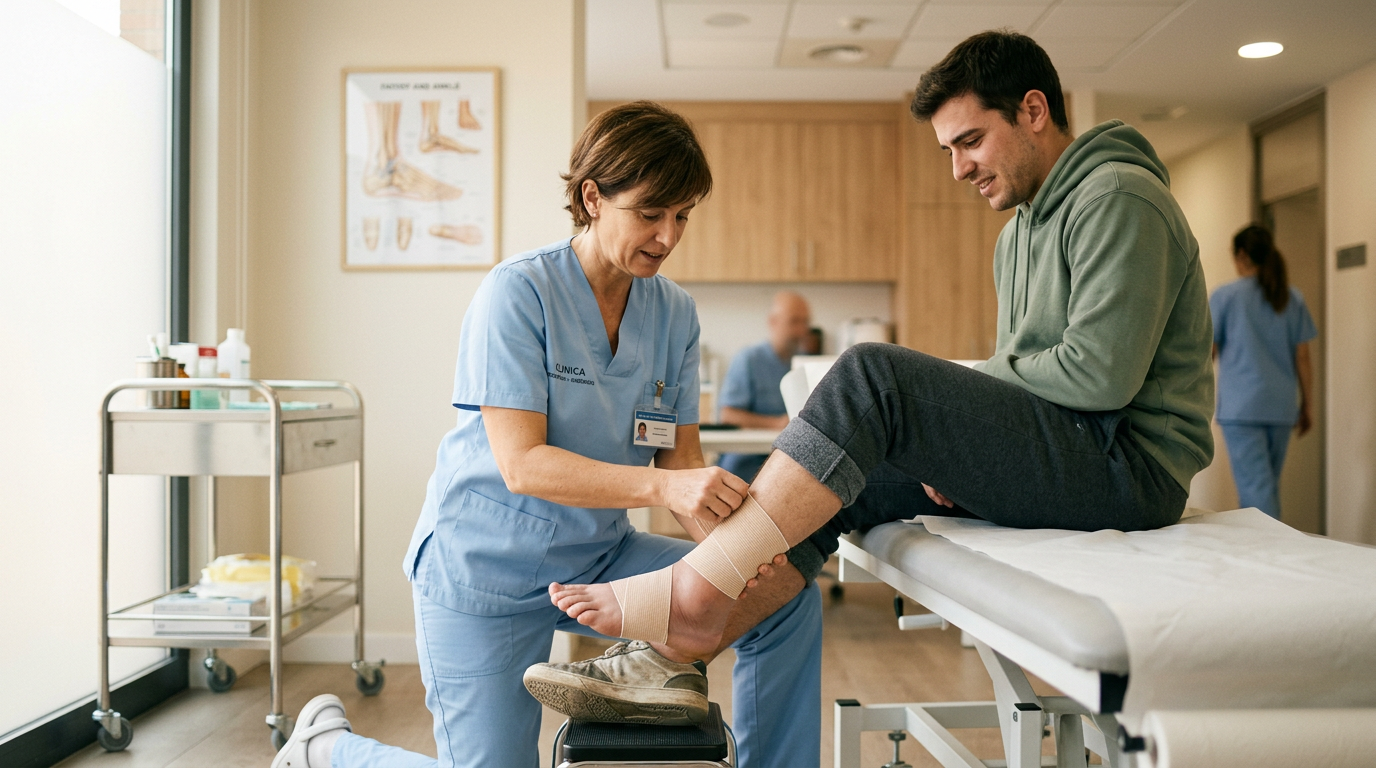
At CityHealth, we take X-rays on-site to determine whether your elbow is fractured and provide splinting and referral as needed.
Nerve Compression: Cubital Tunnel Syndrome
Cubital tunnel syndrome happens when the ulnar nerve — which runs along the inner side of your elbow — gets compressed or stretched. You may know this nerve as the source of the sharp sensation when you hit your “funny bone.”
Symptoms include:
- Numbness and tingling in the ring and little fingers
- Weakness in hand grip
- Pain on the inner side of the elbow
- Symptoms that worsen when the elbow is bent for long periods (driving, talking on the phone)
Mild cubital tunnel syndrome can be managed with behavior changes — avoiding prolonged elbow bending, using elbow pads, and nerve gliding exercises. More severe cases may benefit from splinting or specialist referral.
When Should You Get an X-Ray for Elbow Pain?
Not every elbow injury needs an X-ray — but some absolutely do. Here is a quick guide:
| Situation | X-Ray Recommended? |
|---|---|
| Fall or direct trauma to the elbow | Yes |
| Cannot fully straighten or bend the arm | Yes |
| Visible deformity or bones out of place | Yes — urgent |
| Overuse pain, no trauma (tennis or golfer’s elbow) | Usually no |
| Gradual-onset pain, no fall | Usually no |
| Swelling + redness + warmth after trauma | Yes |
At CityHealth in San Leandro, we have digital X-ray on-site. Your provider will assess your injury and order imaging if clinically indicated — all in one visit.
Red Flags: When to Go to the ER Instead
Most elbow pain can be handled at urgent care. However, some situations require emergency care:
- Severe deformity — the elbow looks dislocated or bone is visible through the skin
- Complete loss of movement after significant trauma
- Elbow dislocation
- Signs of severe infection: high fever, spreading redness, or rapidly worsening pain
- Loss of pulse, sensation, or circulation in the hand after injury
If any of these apply, go to the nearest emergency room or call 911. For all other elbow injuries, CityHealth can handle it.
Treatment Options at CityHealth Urgent Care
When you come in for elbow pain, here is what to expect:
- Provider evaluation — We review your symptoms, mechanism of injury, and medical history.
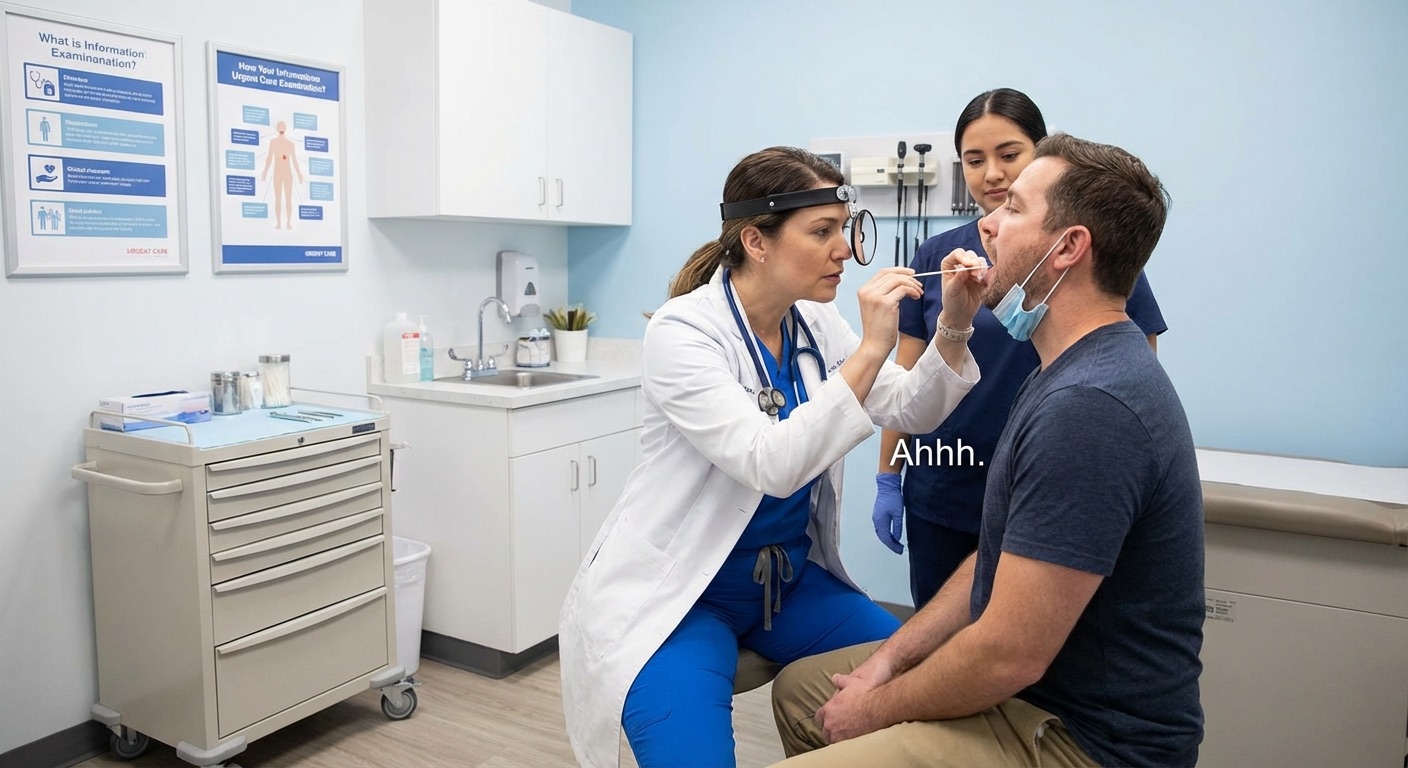
- Physical exam — We assess range of motion, strength, and specific tenderness points.
- X-ray (if needed) — On-site digital X-ray for quick results.
- Diagnosis and treatment plan — We explain what we found and what to do next.
- Treatment — May include splinting, prescription medications, activity modification, or referral to orthopedics.
- Discharge instructions — Clear home care guidance and follow-up recommendations.
Home Care for Mild Elbow Pain
For minor elbow pain without trauma, the RICE method is a good starting point:
- Rest — Avoid activities that aggravate the pain for a few days.
- Ice — Apply ice or a cold pack for 15 to 20 minutes, 3 to 4 times per day.
- Compression — A compression sleeve or counterforce brace can reduce strain.
- Elevation — Keep the arm raised above heart level to reduce swelling.
Over-the-counter NSAIDs like ibuprofen or naproxen can help manage pain and inflammation. If pain does not improve within 5 to 7 days of home care, or if it is getting worse, come see us.
Book Same-Day Care at CityHealth
CityHealth San Leandro — open 7 days a week. Walk-ins welcome, most insurance accepted. On-site lab and X-ray.
Preventing Elbow Injuries
Many elbow conditions are caused by overuse. Here are some tips to protect your elbows:
- Warm up before sports or physical activity
- Use proper technique in sports and lifting
- Take breaks during repetitive tasks at work
- Strengthen forearm and shoulder muscles to reduce elbow stress
- Use ergonomic equipment if you work at a desk
- Avoid resting your elbow on hard surfaces for long periods
Walk In Today — No Appointment Needed
Elbow pain should not keep you from doing what you love. Whether you have had an injury, a flare-up of an old problem, or new pain you are not sure about, the team at CityHealth Urgent Care is ready to help. We offer fast, thorough evaluations with on-site X-ray — all in one convenient visit in San Leandro.
Book your visit at CityHealth — walk-ins welcome, no appointment needed.
CityHealth Urgent Care serves San Leandro and the surrounding East Bay area. For dermatology services, visit our Oakland location (Wednesdays only).
Need care today?
CityHealth urgent care in San Leandro offers same-day walk-in care — no appointment required. Book online or walk in.