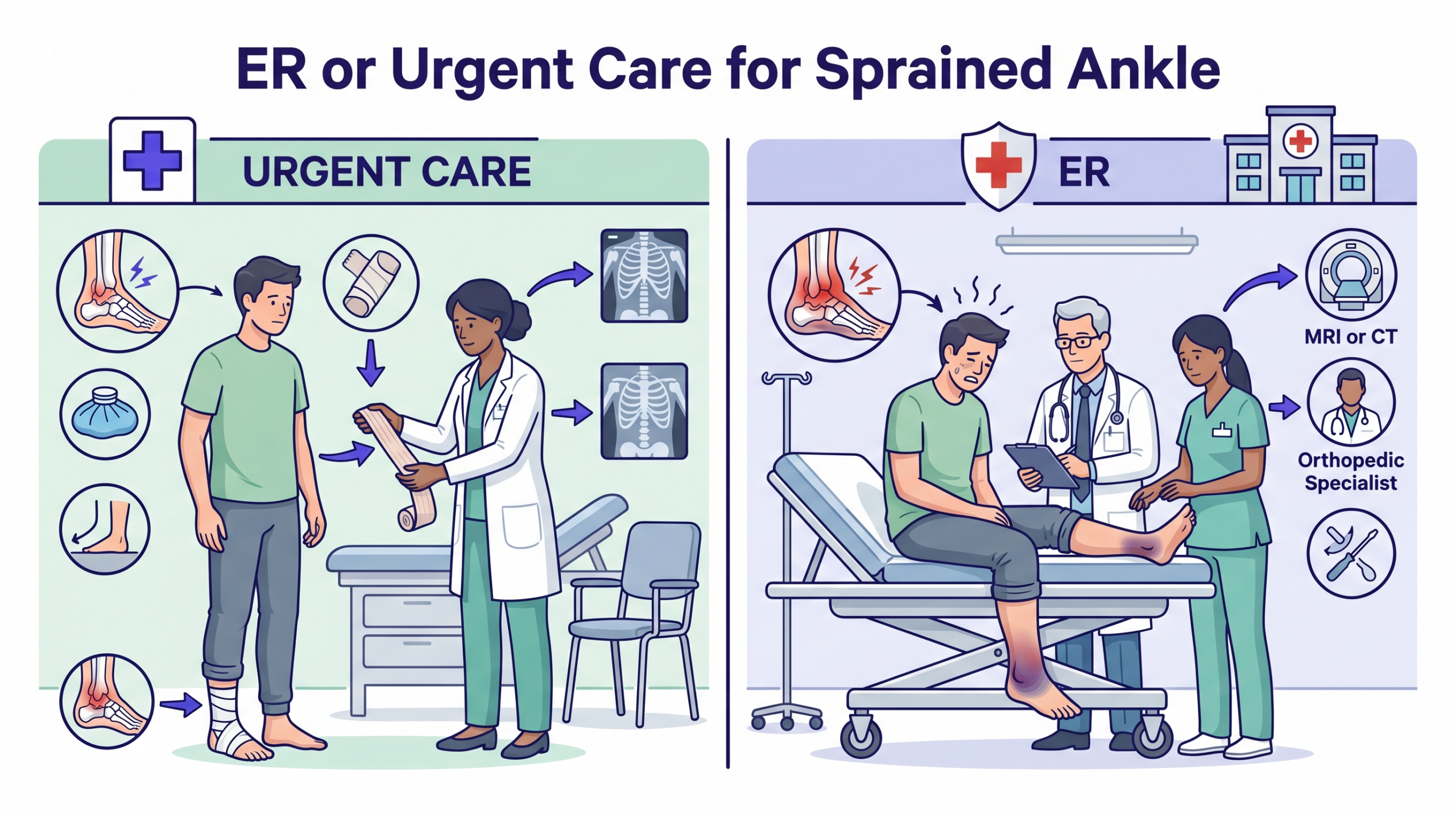
A pinched nerve can cause sharp pain, numbness, tingling, and weakness that stops you in your tracks. If you are dealing with these symptoms, urgent care for a pinched nerve is often the right first step. At CityHealth Urgent Care in San Leandro, our providers can evaluate your symptoms, order on-site X-rays to rule out fractures or other structural issues, and prescribe medications to relieve pain and inflammation — all in a single visit.
This guide explains what causes pinched nerves, where they occur in the body, how they are diagnosed and treated, and when you need to go to the emergency room instead.
What Is a Pinched Nerve?
A pinched nerve — medically called nerve compression or radiculopathy — occurs when surrounding tissue places too much pressure on a nerve. This pressure disrupts the nerve’s normal function, causing pain, numbness, tingling (pins and needles), or weakness in the area the nerve supplies.
Pinched nerve pain that won’t quit?
CityHealth diagnoses and treats nerve compression same-day. Walk in for evaluation, prescriptions, and a referral plan if you need imaging.
BOOK A WALK-IN →Or call (510) 984-2489
Related: X-ray imaging services.
Nerves exit the spinal cord through small openings between vertebrae (called foramina). When anything narrows these openings or presses on a nerve — whether it is a herniated disc, a bone spur, swollen tissue, or inflamed tendons — the nerve cannot function properly.
Pinched nerves can occur anywhere along the spine or in the extremities. The most common locations are the neck (cervical spine), lower back (lumbar spine), and certain spots in the arm and wrist.
Common Causes of Pinched Nerves
Herniated Disc
The discs between your vertebrae act as shock absorbers. Each disc has a tough outer ring (annulus fibrosus) and a soft, gel-like center (nucleus pulposus). When a disc herniates — or “slips” — the soft center pushes through the outer ring and can press on a nearby nerve root. Herniated discs are a leading cause of pinched nerves in both the neck and lower back. They can result from sudden injury (like lifting something heavy with poor form) or from gradual wear over time.
Bone Spurs (Osteophytes)
Bone spurs are bony projections that develop along bone edges, usually as a result of osteoarthritis. In the spine, bone spurs can narrow the spaces where nerve roots exit the vertebral column, compressing the nerves. This is more common in older adults and tends to develop gradually over years.
Repetitive Motion and Overuse
Repetitive movements — typing, assembly line work, using vibrating tools, playing certain musical instruments — can put repeated stress on nerves and the tissues around them. Over time, this leads to inflammation and nerve compression. Carpal tunnel syndrome is one of the most well-known examples.
Poor Posture
Prolonged poor posture — hunching over a desk, looking down at a phone for hours, sleeping in awkward positions — can put sustained pressure on nerves in the neck, back, and shoulders. Even a few weeks of poor posture can contribute to nerve compression symptoms.
Injury or Trauma
Falls, car accidents, and sports injuries can cause sudden compression of nerves through fractures, swelling, or direct blunt force. This type of pinched nerve may come on suddenly and severely.
Other Contributing Factors
- Obesity — excess weight increases pressure on spinal structures
- Rheumatoid arthritis — joint inflammation can compress nerves
- Pregnancy — fluid retention and weight changes can narrow nerve passages
- Diabetes — makes nerves more vulnerable to compression
Symptoms of a Pinched Nerve
The symptoms of a pinched nerve vary depending on which nerve is compressed and where. Common symptoms include:
- Sharp, aching, or burning pain — often radiating outward from the site of compression along the path of the nerve
- Numbness or decreased sensation — in the area supplied by the nerve
- Tingling (paresthesia) — a “pins and needles” sensation
- Muscle weakness — in the muscles controlled by the compressed nerve
- Feeling like a hand or foot has “fallen asleep”
- Worsening symptoms with certain movements — like turning the head, bending forward, or sitting for long periods
Pinched Nerves by Location
Neck (Cervical Radiculopathy)
A pinched nerve in the neck causes pain, numbness, and tingling that radiates down one arm — sometimes into the hand and fingers. You may also have neck stiffness, headaches at the base of the skull, and shoulder pain. Turning or tilting the head may worsen or temporarily relieve symptoms. Cervical radiculopathy is commonly caused by a herniated disc or bone spur at the C5-C6 or C6-C7 level.
Lower Back (Lumbar Radiculopathy / Sciatica)
A pinched nerve in the lower back most often causes sciatica — pain that shoots from the lower back through the buttock and down the back of the leg, sometimes all the way to the foot. Sciatica affects the sciatic nerve, which is the largest nerve in the body. It is commonly caused by a herniated disc at L4-L5 or L5-S1. Sitting for long periods often worsens sciatica.
Carpal Tunnel Syndrome (Wrist and Hand)
Carpal tunnel syndrome occurs when the median nerve is compressed as it passes through the carpal tunnel — a narrow passageway in the wrist. It causes numbness, tingling, and pain in the thumb, index finger, middle finger, and part of the ring finger. Symptoms are often worst at night or in the morning. It is common in people who do repetitive wrist movements and in pregnant women.
Cubital Tunnel Syndrome (Elbow and Forearm)
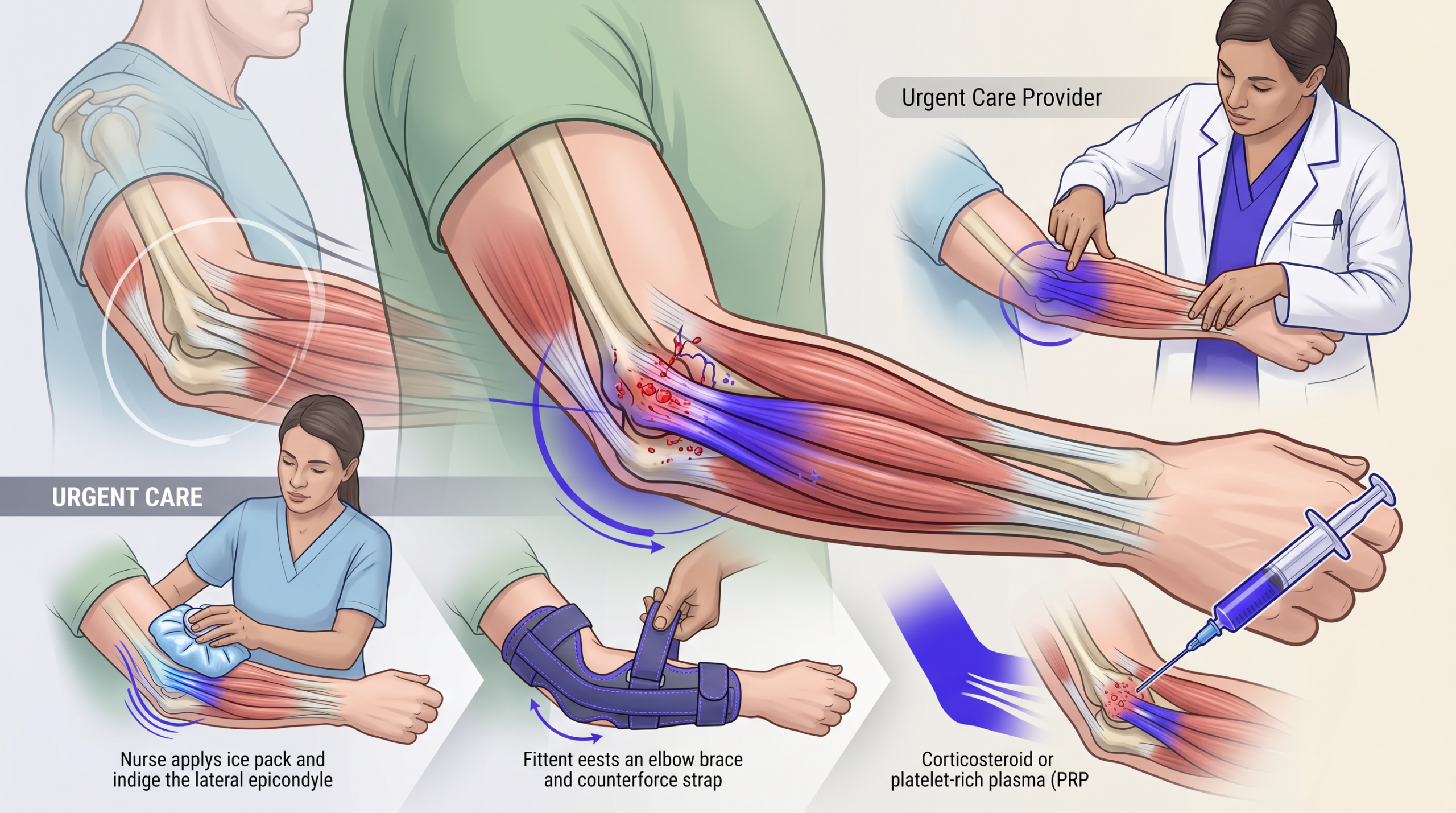
Cubital tunnel syndrome is compression of the ulnar nerve at the elbow. It causes numbness and tingling in the ring finger and pinky finger, as well as weakness in the hand. It is often worsened by bending the elbow for prolonged periods — such as when talking on the phone or sleeping with a bent arm.
How Urgent Care Diagnoses a Pinched Nerve
When you come to CityHealth Urgent Care in San Leandro with suspected nerve pain, your provider will start with a thorough evaluation:
Physical Examination
Your provider will test your reflexes, muscle strength, sensation, and range of motion. Specific tests like the Spurling test (for cervical radiculopathy) or the straight leg raise (for lumbar radiculopathy) help localize which nerve is involved. The Tinel’s sign and Phalen’s test are used to assess carpal tunnel syndrome.
X-Ray
CityHealth has on-site X-ray capability. While X-rays do not show soft tissue structures like discs and nerves directly, they are essential for ruling out fractures, bone spurs, and significant disc space narrowing. An X-ray can also assess spinal alignment and look for structural abnormalities that may be contributing to your symptoms.
When Advanced Imaging Is Needed
If your symptoms are severe, progressive, or do not respond to initial treatment, your provider may recommend an MRI for detailed imaging of the discs, nerves, and spinal canal. MRI referrals can be arranged from your urgent care visit. An EMG (electromyography) and nerve conduction study may also be ordered to assess nerve function — this is typically arranged through a neurology or physiatry specialist.
Treatment Options for Pinched Nerves
NSAIDs (Anti-Inflammatory Medications)
Non-steroidal anti-inflammatory drugs like ibuprofen and naproxen are first-line treatment for pinched nerve pain. They reduce inflammation around the compressed nerve and relieve pain. Your provider may prescribe a higher-dose prescription NSAID for short-term use if OTC doses are not providing enough relief.
Muscle Relaxants
If muscle spasm is contributing to your pain, your provider may prescribe a short course of a muscle relaxant such as cyclobenzaprine (Flexeril) or methocarbamol (Robaxin). These are typically used for a week or two and are sedating, so you should not drive or operate machinery while taking them.
Oral Steroids
A short course of oral prednisone can rapidly reduce severe inflammation and nerve swelling. It is sometimes prescribed for acute pinched nerve symptoms, particularly cervical or lumbar radiculopathy with significant radiating pain.
Steroid Injection Referral
For persistent or severe nerve root compression, an epidural steroid injection — performed by a pain management specialist, orthopedic surgeon, or interventional radiologist — can deliver anti-inflammatory medication directly to the site of nerve compression. Urgent care can refer you to the appropriate specialist for this procedure.
Physical Therapy
Physical therapy is an important part of recovery from a pinched nerve. A physical therapist can design a program of stretches and exercises to relieve nerve compression, strengthen supporting muscles, and correct posture and movement patterns that contributed to the problem. Your urgent care provider can refer you to physical therapy.
Activity Modification and Positioning
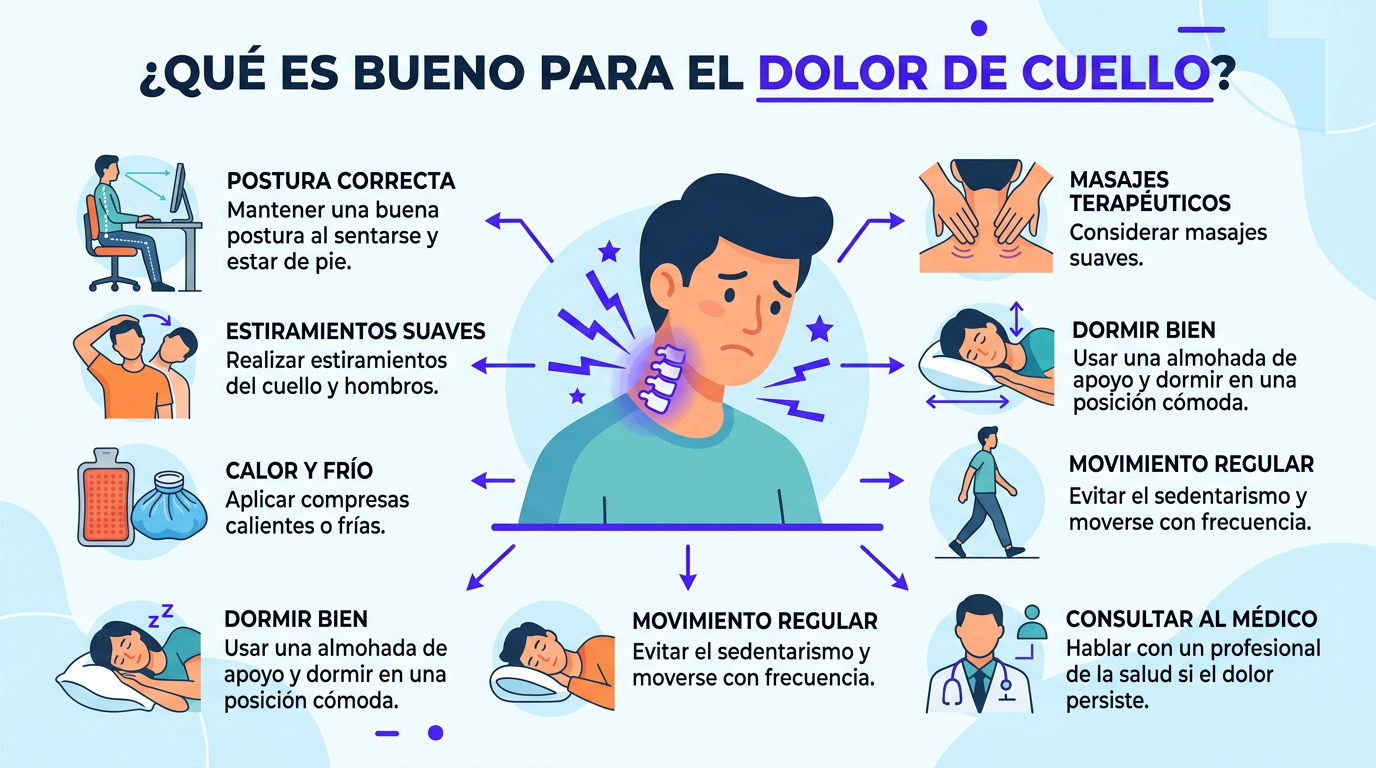
Avoiding positions and movements that worsen symptoms is an important part of self-care. Your provider will advise you on activity modifications, ergonomic adjustments (especially if your symptoms are work-related), and sleeping positions that reduce nerve pressure.
Red Flags: When to Go to the ER for a Pinched Nerve
Most pinched nerves are painful but not dangerous. However, some nerve compression syndromes are medical emergencies. Go to the emergency room immediately if you experience:
- Loss of bowel or bladder control — This can indicate cauda equina syndrome, a serious compression of nerve roots in the lower spinal canal that requires emergency surgery.
- Progressive weakness — Rapidly worsening muscle weakness in an arm or leg is a neurological emergency.
- Numbness in the groin or inner thighs (saddle anesthesia) — Another sign of cauda equina syndrome.
- Severe pain after a traumatic injury — Falls, accidents, or sports injuries with severe nerve pain may involve fractures or spinal cord injury.
- Neck pain with arm weakness after trauma — Possible cervical spinal cord injury.
According to the NIH National Institute of Neurological Disorders and Stroke, most people with a pinched nerve recover fully with conservative treatment within weeks to months. However, nerve compression involving the spinal cord or causing progressive neurological loss requires urgent evaluation.
Preventing Pinched Nerves
- Maintain good posture — keep your spine aligned when sitting, standing, and looking at screens
- Take regular breaks from repetitive tasks — stand up, stretch, and move every 30 to 60 minutes
- Set up an ergonomic workspace — monitor at eye level, keyboard at a comfortable height, feet flat on the floor
- Maintain a healthy weight to reduce stress on spinal structures
- Use proper lifting technique — lift with your legs, not your back, and avoid twisting while lifting
- Stay active — regular exercise strengthens the core muscles that support the spine
- Sleep on a supportive mattress and avoid sleeping on your stomach
Book Same-Day Care at CityHealth
CityHealth San Leandro — open 7 days a week. Walk-ins welcome, most insurance accepted. On-site lab and X-ray.
Frequently Asked Questions
Can urgent care treat a pinched nerve?
Yes. Urgent care providers can diagnose a pinched nerve through physical exam and X-ray, prescribe anti-inflammatory medications and muscle relaxants, and refer you to physical therapy or a specialist for ongoing care.
How long does a pinched nerve last?
Many pinched nerves resolve with conservative treatment within 4 to 6 weeks. Some take longer, especially if they are caused by a significant disc herniation or bone spur. Rarely, surgery is needed if conservative treatment fails or if neurological symptoms are progressing.
What is the fastest way to get rid of a pinched nerve?
Rest from aggravating activities, NSAIDs, ice or heat application, and gentle stretching are the foundation of acute treatment. Seeing a provider for prescription-strength medication and a physical therapy referral can accelerate recovery.
Should I go to urgent care or wait for my regular doctor?
If your pain is severe, limiting your ability to function, or accompanied by any neurological symptoms like weakness or loss of bladder/bowel control, go to urgent care today. Do not wait days or weeks for a primary care appointment when you are in significant pain.
Get Same-Day Pinched Nerve Care at CityHealth in San Leandro
If you are dealing with the sharp, radiating pain of a pinched nerve — in your neck, back, arm, or wrist — do not tough it out. CityHealth Urgent Care in San Leandro offers same-day evaluation, on-site X-ray, and prescription treatment. Walk in any time or book online for faster check-in.
Walk in or Book Your Appointment Online for same-day pinched nerve evaluation. On-site X-ray. Prescription anti-inflammatories and muscle relaxants available.
Need care today?
CityHealth urgent care in San Leandro offers same-day walk-in care — no appointment required. Book online or walk in.