Chest pain is one of the most alarming symptoms a person can experience — and for good reason. Whether it is a sharp twinge, a dull pressure, or a burning sensation, chest pain can mean many different things. Understanding when urgent care for chest pain is the right choice — and when you must call 911 immediately — can be life-saving.
At CityHealth Urgent Care, our clinicians evaluate and treat a wide range of conditions that cause chest discomfort. However, we want every patient to understand the critical difference between urgent care-appropriate chest pain and a medical emergency requiring an emergency room (ER).
When Chest Pain Is a Medical Emergency — Call 911 Now
Some types of chest pain require immediate emergency care. Do not drive yourself to urgent care or the ER — call 911 right away if you or someone around you experiences any of the following:
- Crushing, squeezing, or heavy pressure in the center of the chest lasting more than a few minutes
- Chest pain that radiates to the left arm, jaw, neck, back, or shoulder
- Chest pain with shortness of breath, sweating, nausea, or lightheadedness
- Sudden, severe chest pain that comes on without warning
- Chest pain with a rapid or irregular heartbeat
- Coughing up blood
- Signs of shock — pale, clammy skin; confusion; fainting
- Chest pain in someone with known heart disease, a history of heart attack, or diabetes
These symptoms may indicate a heart attack (myocardial infarction), aortic dissection, pulmonary embolism, or other life-threatening emergencies. According to the American Heart Association, every minute without treatment during a heart attack increases permanent heart muscle damage. Time is muscle — call 911 immediately.
When Urgent Care for Chest Pain Is Appropriate
Once you are confident your symptoms are not emergency-level, urgent care for chest pain is a fast, convenient option for evaluation and treatment. CityHealth is equipped to assess and treat many non-cardiac causes of chest pain, including:
Musculoskeletal Chest Pain
Muscle strain, costochondritis (inflammation of the cartilage connecting ribs to the breastbone), and rib injuries are among the most common causes of chest pain seen in urgent care. This type of pain is usually sharp, worsens when you press on the chest wall, and changes with body position or deep breathing. A fall, a tough workout, or even a prolonged cough can cause musculoskeletal chest discomfort.
Respiratory Infections
Bronchitis, pneumonia, pleuritis, and severe upper respiratory infections can all cause chest pain or tightness. You may notice the discomfort worsens when you cough or breathe deeply. CityHealth providers can perform a physical exam, check oxygen saturation, and order a chest X-ray on-site to evaluate your lungs.
Acid Reflux and GERD
Gastroesophageal reflux disease (GERD) and acid reflux frequently cause a burning sensation in the chest — often called heartburn. This pain tends to occur after eating, when lying down, or when bending over. Although it can feel alarming, reflux-related chest pain is not life-threatening and responds well to appropriate medications.
Anxiety and Panic Attacks
Anxiety and panic attacks are a surprisingly common cause of chest pain. The discomfort can feel indistinguishable from cardiac pain and may come with shortness of breath, racing heart, and dizziness. Urgent care providers can rule out cardiac and pulmonary causes of these symptoms, providing important reassurance. Learn more in our detailed guide on urgent care for anxiety.
Shingles (Early Stages)
Before the rash appears, shingles can cause burning or stabbing chest pain on one side of the torso. If you are over 50 or immunocompromised and have unexplained one-sided chest or back pain, mention it to your provider — early antiviral treatment significantly reduces severity.
What Happens at Urgent Care for Chest Pain?
When you arrive at CityHealth for chest pain evaluation, your provider will:
- Take a detailed history — onset, character, location, radiation, and associated symptoms
- Perform a physical exam — listening to your heart and lungs, checking blood pressure, and palpating the chest wall
- Check oxygen saturation via pulse oximetry
- Order diagnostic tests as needed — chest X-ray, ECG (electrocardiogram), or basic labs
- Provide treatment or referral — prescribe medications, recommend follow-up, or transfer to the ER if findings warrant it
CityHealth San Leandro locations have on-site X-ray capabilities. See our urgent care X-ray services page for more details.
Chest Pain Red Flags: Quick Reference
Use this quick guide to decide your next step:
| Symptom | Action |
|---|---|
| Crushing pressure, radiates to arm/jaw | Call 911 |
| Chest pain + shortness of breath + sweating | Call 911 |
| Sudden tearing pain in the back | Call 911 |
| Pain worsens with pressing on the chest wall | Urgent Care appropriate |
| Burning after meals, worse lying down | Urgent Care appropriate |
| Chest tightness with cough and fever | Urgent Care appropriate |
| Chest pain + anxiety/panic symptoms | Urgent Care appropriate |
When in doubt, always err on the side of caution and seek emergency care.
Chest Pain Causes That Urgent Care Can Treat
Costochondritis
Costochondritis is inflammation of the cartilage that connects the ribs to the sternum. It causes localized tenderness and sharp pain that worsens with movement or pressure. Treatment includes anti-inflammatory medications (NSAIDs), rest, and ice or heat therapy. Most cases resolve within a few weeks.
Pneumonia and Pleuritis
Pleuritis (pleurisy) is inflammation of the lining around the lungs. It causes sharp, stabbing chest pain that worsens with breathing or coughing. CityHealth providers can evaluate you with a physical exam and chest X-ray. Bacterial pneumonia — which often presents with fever, productive cough, and chest pain — is treatable with antibiotics. Read more in our bronchitis and respiratory infection guide.
GERD and Esophageal Spasm
Both GERD and esophageal spasm can produce intense chest pain that mimics cardiac pain. Esophageal spasm in particular can cause severe, squeezing chest pain. If your pain has a clear relationship to eating or drinking, it is more likely gastrointestinal in origin. Your provider may recommend an H2 blocker or proton pump inhibitor (PPI).
When to Follow Up With a Cardiologist
After ruling out an acute emergency, your urgent care provider may recommend follow-up with a cardiologist or your primary care physician. You should schedule a follow-up if:
- You have multiple cardiac risk factors (high blood pressure, diabetes, smoking, high cholesterol, family history)
- Your EKG showed any abnormalities
- Symptoms are recurrent but not emergency-level
- You are over 50 with new, unexplained chest discomfort
CityHealth can order a referral and help coordinate your care with a specialist.
Urgent Care for Chest Pain in San Leandro
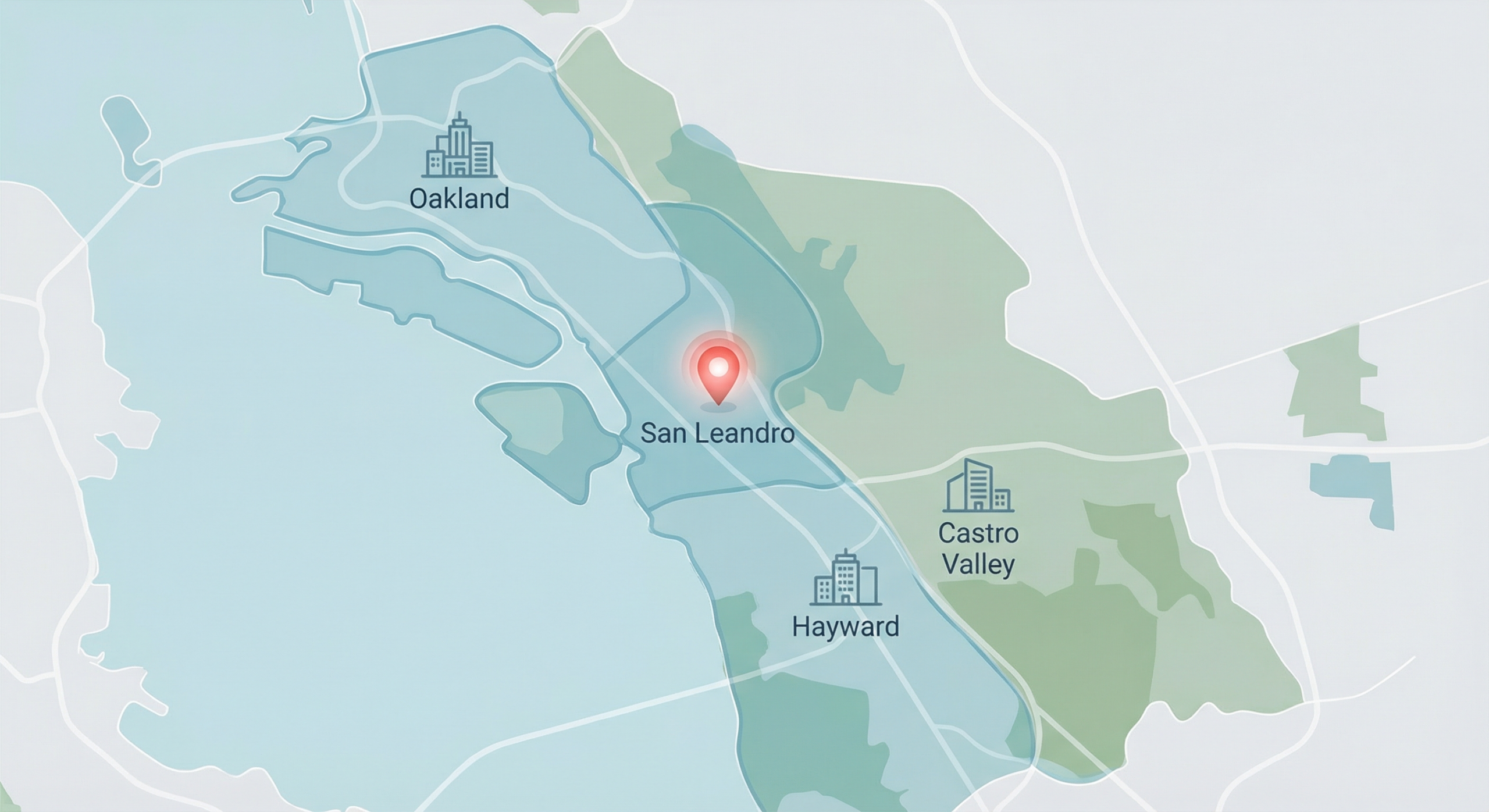
CityHealth operates urgent care clinics in Oakland, San Leandro, and Alameda. We offer walk-in appointments with no prior booking required, on-site diagnostics including X-ray, and board-certified providers experienced in evaluating chest pain.
If your chest pain is not an emergency, visit any CityHealth location today. Our teams are available seven days a week to evaluate your symptoms, run appropriate tests, and get you the answers you need quickly.
For a broader comparison of when urgent care is appropriate versus the ER, see our guide: Urgent Care vs. ER — Which Should You Choose?
Remember: If you are ever unsure whether your chest pain is an emergency, call 911 or go to the nearest emergency room. No urgent care visit is worth the risk when your heart is involved.
Need same-day care?
CityHealth San Leandro offers walk-in urgent care 7 days a week with on-site lab and X-ray. Book an appointment online or visit our San Leandro clinic.
Related: sciatica
See our complete guide: what can urgent care treat.