
Looking for a reliable at home COVID test? You are not alone. Millions of Americans now keep rapid test kits at home. These kits give quick answers when symptoms show up. In fact, an at home COVID test can give you results in just 15 minutes. Whether you feel sick, were recently exposed, or need to test before seeing a loved one, a home test is a great first step. In this guide, we will cover how to pick the right test, how to read your results, and when to seek professional care.
Types of At Home COVID Tests Available Today
There are two main types of at home COVID tests. Understanding the differences helps you choose the right one.
Rapid antigen tests
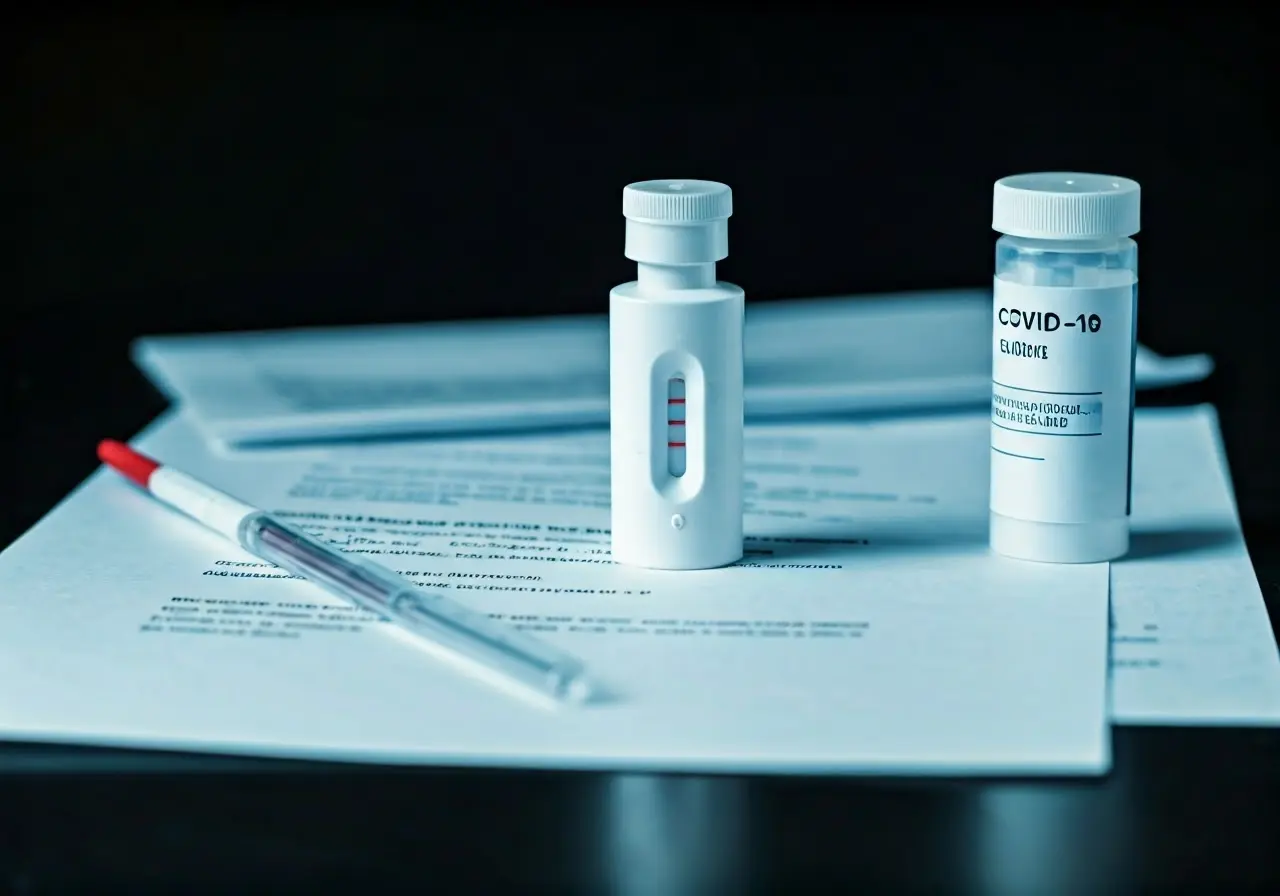
Rapid antigen tests are the most common type of at home COVID test. They detect proteins on the surface of the virus. Most importantly, they deliver results in about 15 minutes. You can buy them at pharmacies, grocery stores, and online. Most kits come with two tests. This is because the FDA recommends serial testing — taking two tests 48 hours apart. As a result, this approach gives you a good balance of speed and accuracy.
Molecular (NAAT) home tests
Molecular tests are also called nucleic acid amplification tests (NAAT). These are more sensitive than rapid antigen tests. Specifically, they detect the virus’s genetic material instead of surface proteins. However, they cost more. On the other hand, they are more accurate, especially early in an infection. Also, they may take 30 minutes or longer to show results. For this reason, many people start with a rapid test first. Then, they follow up with a molecular test if they need more certainty.
How to Use an At Home COVID Test Correctly
Getting a good result depends on proper technique. Here is a simple step-by-step guide to help you test with confidence.
- Check the expiration date. First, verify that your test kit has not expired. The FDA has extended shelf lives for many tests. So, check the FDA’s website for updated dates.
- Wash your hands well. Clean hands prevent germs that could affect your results.
- Read all instructions first. Each brand has slightly different steps. Therefore, take a moment to read the full instruction sheet before opening any parts.
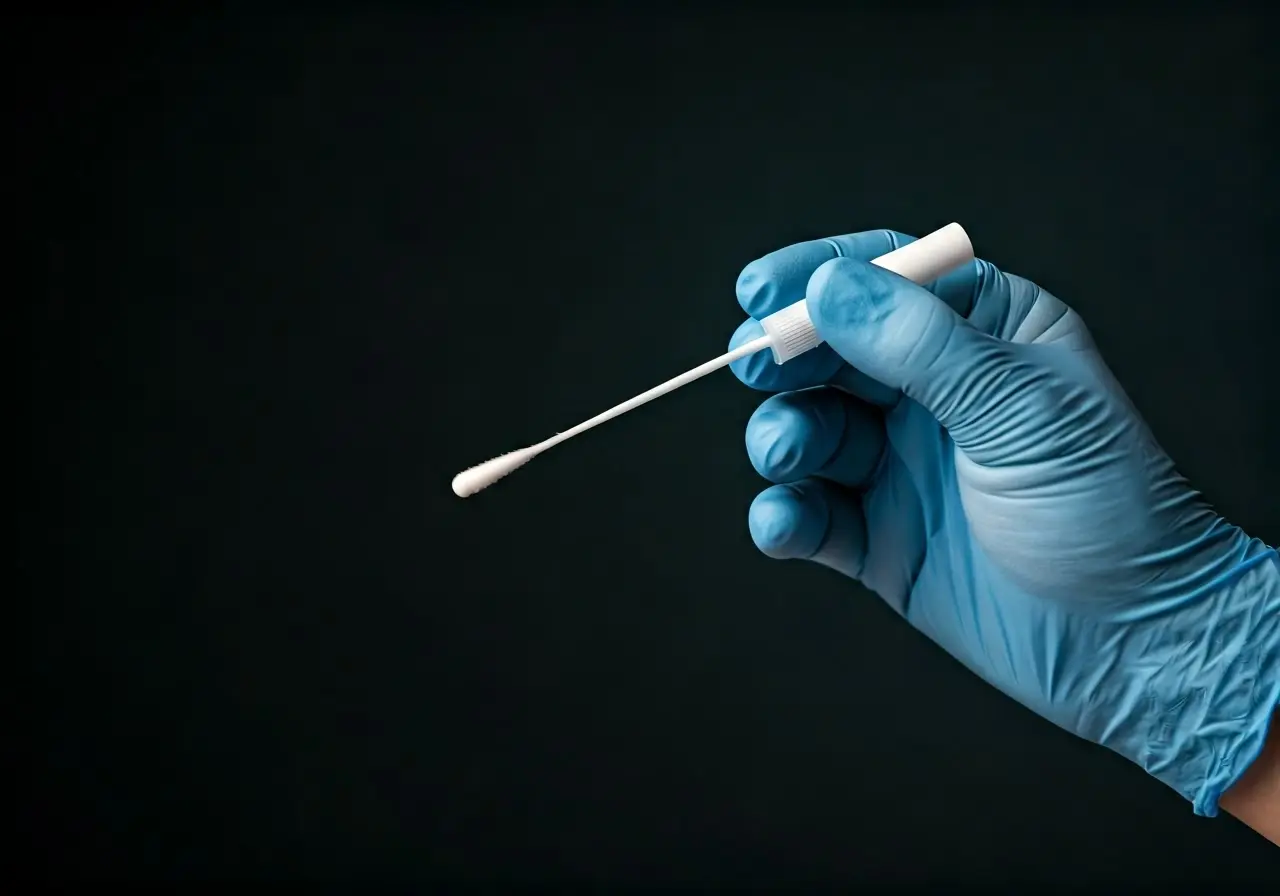
- Collect your sample properly. Most tests need a nasal swab. Insert the swab into each nostril. Then, rotate gently for 10 to 15 seconds per nostril. In addition, make sure you swab at the right depth — about half an inch to three-quarters of an inch.
- Follow the timing exactly. After placing your sample in the solution and applying it to the strip, wait the full time listed. Do not read results too early or too late. Otherwise, you may get a wrong reading.
- Read your results carefully. Two lines (even if one is faint) usually means positive. One line in the control area means negative. No lines or only a test line means the test failed. In that case, repeat the test.
Also, avoid eating, drinking, or using mouthwash for 30 minutes before testing. These actions can affect some test types.
When Should You Use an At Home COVID Test?
Knowing when to test is just as key as knowing how to test. The CDC recommends testing in these situations:
- You have COVID symptoms such as fever, cough, sore throat, body aches, or loss of taste or smell. Consequently, testing early helps you isolate fast and protect others.
- You were exposed to someone with COVID. Test at least 5 days after your last contact. Meanwhile, wear a mask around others while you wait.
- Before visiting high-risk people. If you plan to see elderly relatives or friends with weak immune systems, testing first adds a key layer of safety.
- Before or after travel. Travel testing rules have mostly been lifted. Still, testing before and after trips — especially abroad — remains a smart choice.
Additionally, if you test negative but still feel sick, test again 48 hours later. A single negative test does not rule out infection. This is especially true in the first day or two of symptoms.
At Home COVID Test vs. Clinic Testing: Which Is Right for You?
Both at home and clinic tests have their place. Here is how they compare so you can decide.
| Factor | At Home COVID Test | Clinic / Urgent Care Test |
|---|---|---|
| Speed | Results in 15-30 minutes | Rapid results same-day; PCR may take 1-3 days |
| Accuracy | Good with serial testing | PCR is the gold standard |
| Convenience | Test anytime, anywhere | Requires a visit during clinic hours |
| Documentation | Self-reported | Official medical record |
| Cost | Free or low-cost at many pharmacies | May involve copay or visit fee |
| Follow-up care | Must arrange on your own | Immediate access to treatment |
In many cases, an at home COVID test works well for a first check. However, if you need official records, have bad symptoms, or want fast access to treatment, visiting an urgent care clinic is the better choice.
What to Do If Your At Home COVID Test Is Positive
A positive result means you are likely infected and can spread the virus. Here are the steps to take right away:
- Isolate yourself. Stay home and away from others as much as you can. The CDC says to isolate for at least 5 days from when symptoms start.
- Tell your close contacts. Let anyone you have been near know so they can watch for symptoms and test too.
- Call a healthcare provider. You may qualify for antiviral drugs like Paxlovid. These work best when started within the first 5 days of symptoms. Therefore, getting medical help quickly is important. CityHealth offers same-day urgent care visits where providers can check your condition and prescribe treatment.
- Watch your symptoms. Most people recover at home with rest, fluids, and over-the-counter meds. Nevertheless, seek emergency care if you have trouble breathing, chest pain, confusion, or extreme fatigue.
- Report your results. Many states have online portals for reporting positive home tests. This helps public health teams track spread.
Tips for Keeping At Home COVID Tests on Hand
Being prepared means having tests ready before you need them. Here are some practical tips:
- Store tests at room temperature. Do not refrigerate or freeze them. Extreme temps can damage the test chemicals.
- Keep at least two kits (four tests) per person in your home. This way, you can do serial testing when needed.
- Check expiration dates often and replace expired kits. Moreover, bookmark the FDA’s shelf-life page so you always have the latest info.
- Also, consider adding test kits to your travel packing list, especially for trips abroad or cruises.
If you need lab-grade COVID testing for work, travel papers, or peace of mind, CityHealth’s San Leandro and Oakland locations offer full lab testing services with fast results.
Frequently Asked Questions About At Home COVID Tests
How accurate is an at home COVID test?
Rapid antigen tests work best when you have symptoms. That is when your viral load is highest. Sensitivity ranges from about 70% to 90% compared to PCR testing. Also, serial testing — two tests 48 hours apart — greatly improves accuracy. If you get a negative result but still feel sick, test again or visit a clinic for a PCR test.
Can I use an expired at home COVID test?
In many cases, yes. The FDA has extended the shelf life of many tests beyond the printed date. So, check the FDA website for current dates before throwing a test away. However, if the test is truly past its extended date, the results may not be reliable.
How soon after exposure should I take an at home COVID test?
The CDC says to wait at least 5 days after exposure before using a rapid antigen test. Testing too early may give a false negative. This happens because your viral load has not reached a high enough level yet. If you get symptoms before 5 days, test at that time.
Do I still need to see a doctor if my at home COVID test is positive?
Yes, you should contact a healthcare provider. This is especially important if you are over 50, have a weak immune system, or have chronic health issues. Antiviral treatments work best when started early. CityHealth offers same-day urgent care visits for COVID care and treatment.
Where can I get a free at home COVID test?
Free tests are sometimes available through government programs and community health centers. Also, some insurance plans cover them. Check with your insurance provider or ask at your local pharmacy about what is available.
Need COVID Testing or Treatment? CityHealth Can Help.
Whether you need a clinical-grade test, help reading your at home COVID test results, or treatment after a positive result, CityHealth is here for you. Walk in or book online — no appointment needed.
View Urgent Care Services | Lab Testing Services | Find a Location