
Food poisoning can strike without warning — one moment you’re fine, and the next you’re experiencing nausea, vomiting, diarrhea, and stomach cramps that leave you wondering if you need to go to the doctor. Understanding the right food poisoning treatment — and knowing when to seek medical care — can make a significant difference in how quickly you recover. Learn more about Urgent Care for Gallbladder Pain at CityHealth.
At CityHealth Urgent Care in San Leandro, we treat food poisoning cases every week. This guide covers everything you need to know about treating food poisoning at home and when to visit an urgent care clinic.
What Causes Food Poisoning?
Food poisoning occurs when you eat food or drink water contaminated with bacteria, viruses, or parasites. Common culprits include:
- Salmonella — Found in raw poultry, eggs, and unpasteurized dairy products
- E. coli — Associated with undercooked beef, raw produce, and contaminated water
- Norovirus — Highly contagious, spreads through contaminated food and surfaces
- Listeria — Found in deli meats, soft cheeses, and unpasteurized products
- Campylobacter — Common in raw or undercooked poultry
- Staphylococcus aureus — Produced in improperly stored foods like egg salad and mayonnaise
Symptoms typically begin 30 minutes to 6 hours after eating contaminated food for bacterial toxins, or 1 to 3 days for bacterial infections. According to the CDC, roughly 48 million Americans get food poisoning each year, resulting in 128,000 hospitalizations.
Food Poisoning Symptoms
The hallmark symptoms of food poisoning include:
Food poisoning? Get treated at CityHealth.
Severe vomiting, diarrhea, or signs of dehydration? CityHealth San Leandro offers same-day care including IV fluids.
Book Online →
- Nausea and stomach cramping
- Vomiting (sometimes projectile)
- Diarrhea, sometimes bloody
- Low-grade fever
- Headache and body aches
- Fatigue and weakness
Most food poisoning episodes are unpleasant but self-limiting — meaning your immune system clears the infection without medical intervention. The bigger concern is dehydration from fluid loss through vomiting and diarrhea.
Food Poisoning Treatment at Home
For mild to moderate cases, you can treat food poisoning at home with the following approach:
1. Stay Hydrated
Dehydration is the most dangerous complication of food poisoning. Replace lost fluids and electrolytes with:
- Oral rehydration solutions (Pedialyte, Liquid IV)
- Clear broth or soup
- Sports drinks diluted 50/50 with water
- Small sips of plain water
Avoid alcohol, caffeine, and dairy while symptomatic — these can worsen diarrhea and nausea.
2. Rest Your Stomach
For the first few hours, avoid eating solid food. Once vomiting stops and you feel like eating, start with bland foods:
- BRAT diet: Bananas, Rice, Applesauce, Toast
- Crackers and plain bread
- Boiled potatoes
- Clear soups
Avoid fried, fatty, or spicy foods until you’re fully recovered.
3. Use Over-the-Counter Medications Cautiously
Anti-diarrheal medications like loperamide (Imodium) can help reduce diarrhea symptoms, but use with caution. If your diarrhea contains blood or you have a high fever, do NOT take anti-diarrheal medication — these conditions suggest a bacterial infection that needs to run its course (or be treated with antibiotics).
Antinausea medications (Dramamine, Pepto-Bismol) can help with nausea.
4. Rest
Your body is working hard to fight the infection. Rest as much as possible for the first 24-48 hours.
When to Visit an Urgent Care for Food Poisoning
Home treatment works for most people, but food poisoning can become serious. Visit CityHealth Urgent Care — or seek emergency care — if you experience any of the following:
Visit Urgent Care If:
- Symptoms last more than 48-72 hours without improvement
- You can’t keep fluids down for more than 12 hours
- Fever above 102°F (38.9°C)
- Bloody diarrhea or blood in vomit
- Signs of dehydration: dry mouth, dark urine, dizziness, rapid heartbeat
- Severe abdominal cramping or pain
- Food poisoning during pregnancy
- Symptoms in a child under 2 or an elderly person
- Weakened immune system (diabetes, HIV, cancer treatment)
Call 911 or Go to the ER If:
- Confusion or difficulty thinking clearly
- Slurred speech or muscle weakness (possible botulism)
- Extreme chest pain or difficulty breathing
- Unresponsiveness
At CityHealth, our clinicians can assess your dehydration level, administer IV fluids if needed, and prescribe antibiotics for bacterial food poisoning when appropriate. We can also run diagnostic tests to identify the specific pathogen — useful if symptoms are severe or if there’s a suspected outbreak.
Food Poisoning Treatment: Medical Options
When you visit CityHealth for food poisoning, here’s what we may recommend:
Intravenous (IV) Fluids
If you’re significantly dehydrated, the fastest treatment is IV fluids. This restores hydration quickly and is far more effective than trying to drink when you can’t keep anything down. IV therapy typically provides relief within 30-60 minutes.
Anti-Nausea Medication
Prescription anti-nausea medications like ondansetron (Zofran) are significantly more powerful than over-the-counter options. We can administer these via injection for immediate relief.
Antibiotics
Antibiotics are only effective for bacterial food poisoning — not viral causes. We may prescribe them for confirmed or strongly suspected bacterial infections, particularly Campylobacter, Salmonella (in severe cases), or Shigella. We don’t prescribe antibiotics unless clearly indicated, per CDC guidelines.
Stool Testing
For severe or prolonged cases, we may order a stool culture to identify the specific pathogen. This helps guide treatment and is important for public health tracking.
How Long Does Food Poisoning Last?
Duration varies by cause:
- Staphylococcus aureus: 1-2 days
- Norovirus: 1-3 days
- Salmonella: 4-7 days (may require antibiotics in severe cases)
- Campylobacter: 2-10 days
- E. coli O157:H7: 5-10 days (seek medical care — can be serious)
- Listeria: 1-4 weeks (seek medical care — can cause serious complications)
If you’re not improving within 48-72 hours, don’t wait. Visit CityHealth urgent care for an evaluation.
How to Prevent Food Poisoning
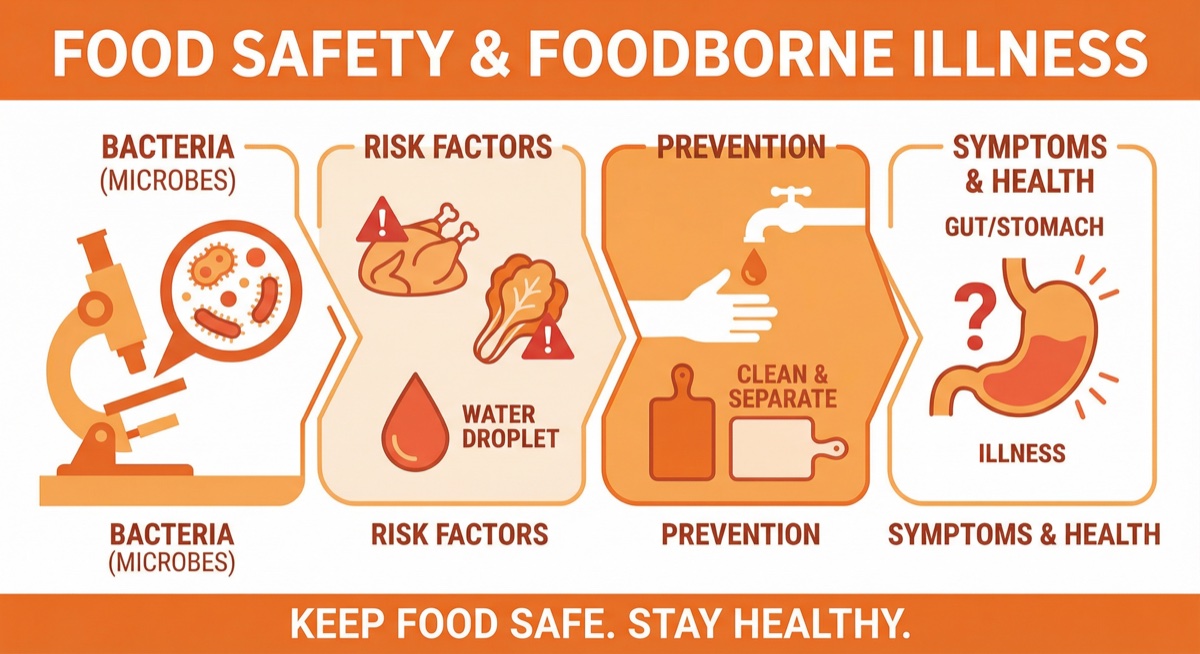
The best treatment for food poisoning is prevention. The CDC recommends four core food safety behaviors:
- Clean: Wash hands and surfaces often
- Separate: Don’t cross-contaminate raw meats and produce
- Cook: Use a food thermometer to cook to safe temperatures
- Chill: Refrigerate foods within 2 hours (1 hour if above 90°F)
Restaurant food poisoning is common — especially when buffets, raw seafood, or undercooked proteins are involved. When eating out in Oakland, choose restaurants with high health department ratings and avoid foods left out at unsafe temperatures.
Food Poisoning vs. Stomach Flu: What’s the Difference?
Many people confuse food poisoning and viral gastroenteritis (“stomach flu”). While symptoms overlap, there are key differences:
- Food poisoning: Usually traced to a specific meal, symptoms start quickly (30 min to 8 hours after eating), multiple people who ate the same food may get sick
- Stomach flu: Caused by a virus (often norovirus), spreads person to person, symptoms typically start 24-48 hours after exposure
Both conditions can be serious if dehydration occurs. The treatment approach is similar, though the specific medical interventions may differ based on cause.
Same-Day Food Poisoning Care in San Leandro
You don’t have to suffer through severe food poisoning alone. CityHealth Urgent Care in San Leandro provides same-day, walk-in care for food poisoning and all digestive illnesses. Our clinicians assess your hydration status, can administer IV fluids and anti-nausea medications on-site, and give you a clear recovery plan.
Walk in any time, seven days a week — or book online to save your spot. Most visits for food poisoning are covered by insurance, including Medi-Cal.
Feeling sick after a meal? Don’t wait. CityHealth Urgent Care is open now. Book your visit →
CityHealth Urgent Care — San Leandro
Food poisoning treatment, IV fluids, anti-nausea medications. Walk-in or book online.
Book Appointment →
See also: food poisoning treatment in San Leandro
Need same-day care?
CityHealth San Leandro offers walk-in urgent care 7 days a week with on-site lab and X-ray. Book an appointment online or visit our San Leandro clinic.