
If you need food poisoning treatment San Leandro, CityHealth urgent care is here to help. Food poisoning affects about 48 million Americans each year. Most cases are mild and pass in 1 to 3 days. However, some cases need medical care. Specifically, you should see a provider if you are dehydrated, have bloody stools, or have had symptoms for more than 3 days.
Quick Answer
Need same-day food poisoning care? CityHealth provides IV fluids, anti-nausea medicine, and stool testing. Walk-ins welcome 7 days a week.
Food Poisoning Treatment San Leandro: When to Get Help
Visit CityHealth San Leandro if you have:
- Signs of dehydration such as dark urine, dizziness, or dry mouth
- Bloody diarrhea or vomit
- Fever above 101.5 degrees
- Symptoms lasting more than 3 days
- Inability to keep fluids down for 24 or more hours
- Pregnancy, older age, or weak immune system
- Severe belly cramps
How Urgent Care Treats Food Poisoning
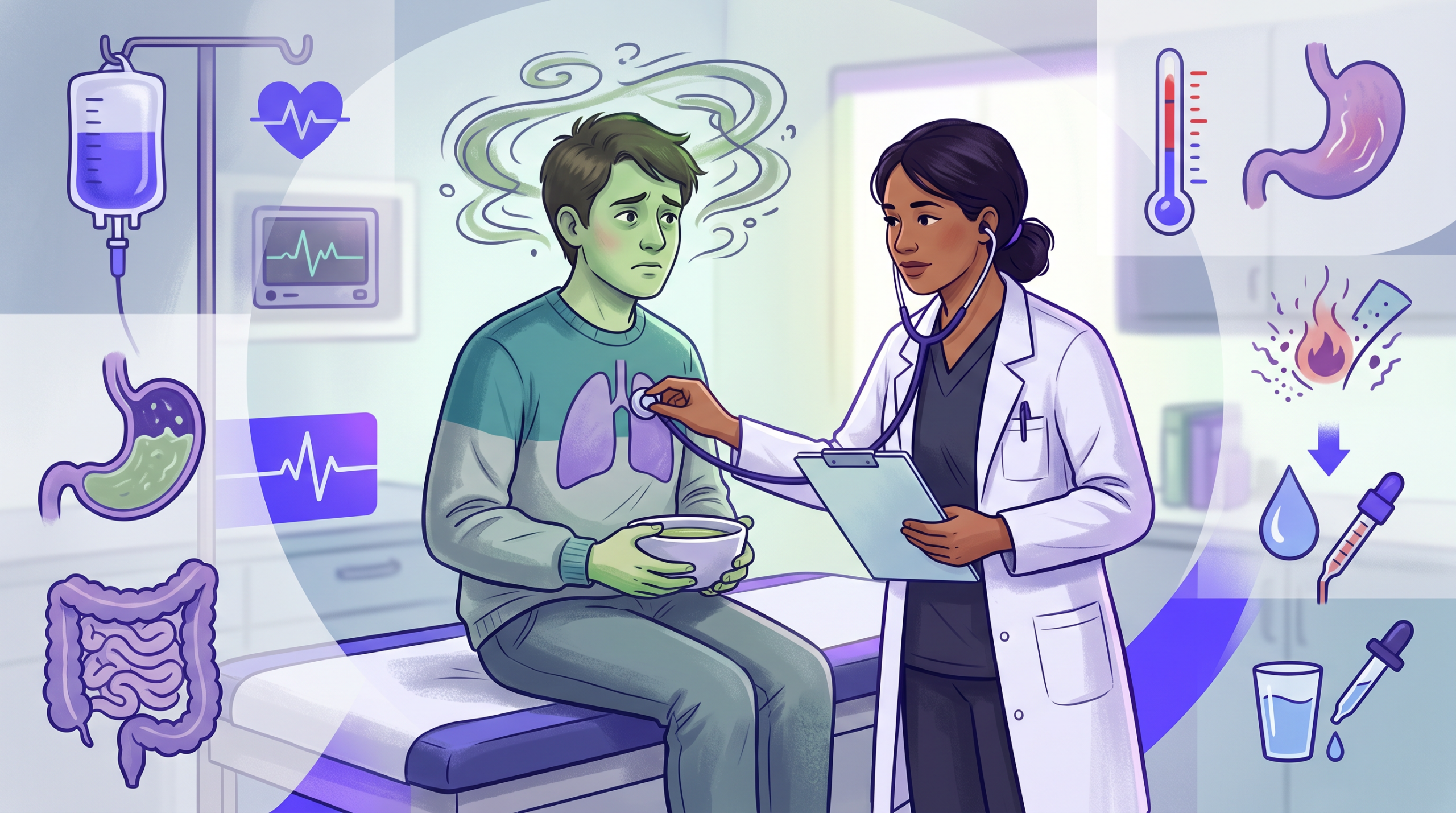
At CityHealth, treatment focuses on symptom relief. Here is what we offer:
- IV fluids for patients who are dehydrated or cannot drink
- Anti-nausea medicine like ondansetron (Zofran) to stop vomiting
- Anti-diarrheal medicine when appropriate
- Stool testing to find the bacteria or parasite causing illness
- Antibiotics only if bacterial infection is confirmed
- Electrolyte monitoring through on-site lab testing
Also, visit our urgent care page for more about walk-in services.
Walk-in or book online
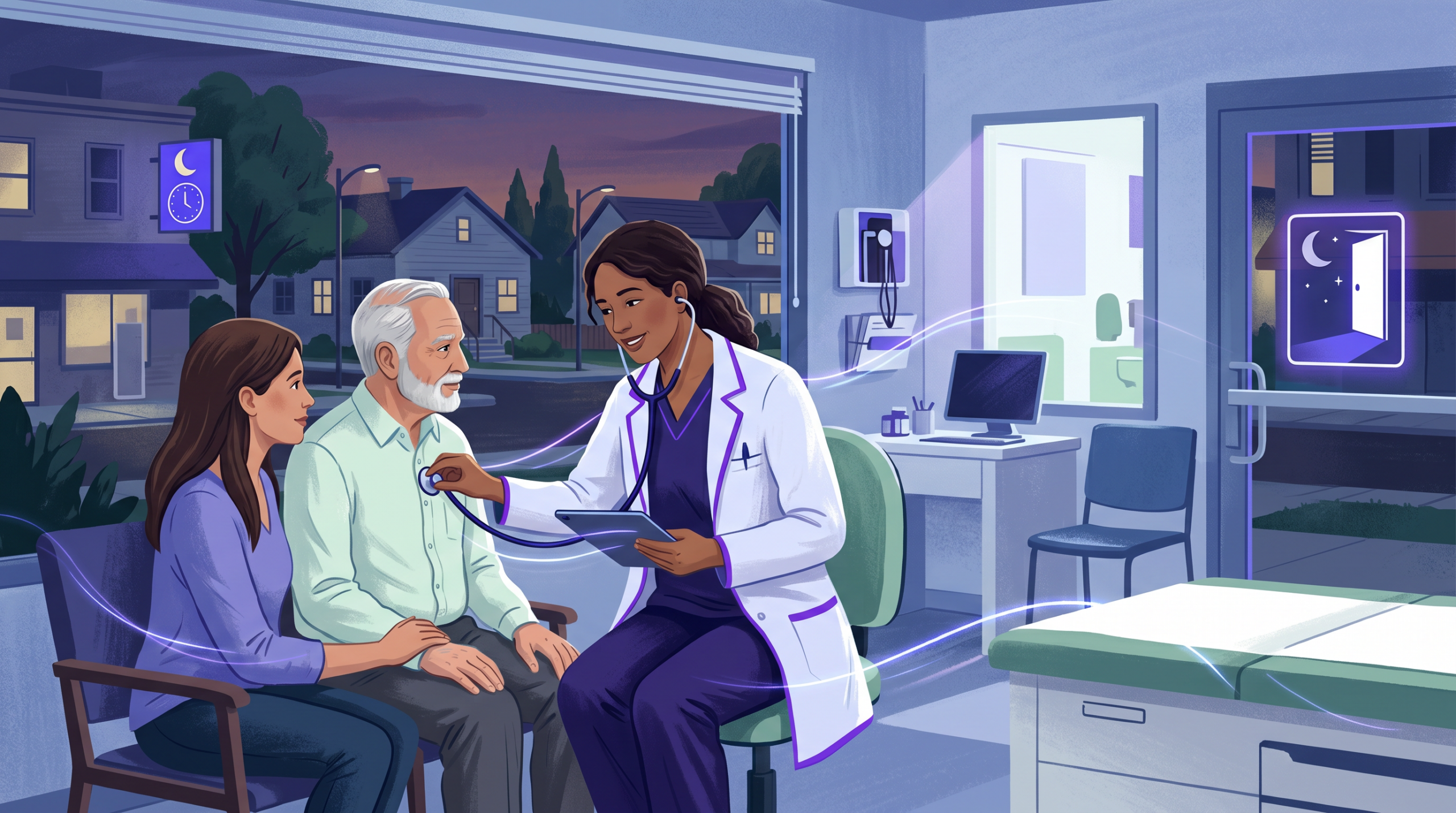
CityHealth San Leandro is open 7 days a week. Book an appointment or walk in for same-day food poisoning care.
Food Poisoning Treatment at Home vs Urgent Care
Many food poisoning cases get better at home. However, you need urgent care if home treatment is not enough. Here is how to decide:
Treat at home if:
- You can still drink fluids and stay hydrated
- Symptoms are mild (light nausea, mild diarrhea)
- You have no fever or blood in stool
- You are not in a high-risk group
Visit CityHealth if:
- You cannot keep fluids down for 24 hours
- You see blood in your stool or vomit
- You have a high fever
- Symptoms last more than 3 days
Because dehydration is the biggest risk, getting IV fluids at urgent care can make a big difference.
Common Causes of Food Poisoning
| Pathogen | Common Sources | Onset |
|---|---|---|
| Salmonella | Undercooked poultry, eggs, produce | 6-72 hours |
| E. coli | Undercooked beef, raw milk | 1-10 days |
| Norovirus | Contaminated food, person-to-person | 12-48 hours |
| Staph aureus | Food left at room temperature | 1-6 hours |
Food Poisoning Salmonella: What You Need to Know
Salmonella is one of the most common causes of food poisoning. It comes from undercooked chicken, eggs, and raw produce. Symptoms start 6 to 72 hours after eating bad food. They include diarrhea, fever, and belly cramps. Most people recover in 4 to 7 days without antibiotics. However, severe cases may need antibiotic treatment. Because salmonella can cause serious illness in young children, the elderly, and pregnant women, these groups should see a provider right away.
Home Care While You Recover
While you recover at home, follow these tips:
- Sip small amounts of clear fluids often (water, broth, electrolyte drinks)
- Avoid solid food until vomiting stops
- Then start with bland foods like crackers, toast, rice, and bananas
- Avoid dairy, caffeine, alcohol, and fatty foods
- Rest as much as you can
Who Is at Higher Risk?
Certain groups face more danger from food poisoning. Therefore, they should see a provider sooner:
- Pregnant women because Listeria can harm the baby
- Adults over 65 since the immune system weakens with age
- Children under 5 because they dehydrate faster
- People with weak immune systems from HIV, chemo, or diabetes
If you are in a high-risk group, do not wait. Visit CityHealth San Leandro for evaluation.
Preventing Food Poisoning
Prevention is the best medicine. Follow these food safety rules:
- Cook chicken to 165 degrees, ground beef to 160 degrees
- Put leftovers in the fridge within 2 hours
- Wash hands, cutting boards, and utensils after touching raw meat
- Do not eat expired or recalled foods
- Wash fruits and vegetables before eating
- When in doubt, throw it out
Food Poisoning Treatment San Leandro: What to Expect at Your Visit
When you walk into CityHealth for food poisoning treatment San Leandro, care starts right away. First, a staff member checks you in. Then your provider asks what you ate and when symptoms started. Because timing helps identify the cause, try to remember your last few meals.
Next, your provider may start an IV for fluids. This helps with dehydration fast. They may also give you anti-nausea medicine so you can keep fluids down. If needed, they will order stool or blood tests. Most visits take 30 to 60 minutes. After that, you go home with clear instructions for recovery.
Food Poisoning vs Stomach Flu
Many people confuse food poisoning with the stomach flu. However, they are different. Here is how to tell them apart:
- Food poisoning starts 1 to 6 hours after eating bad food. It causes sudden, intense vomiting and diarrhea. Also, fever is uncommon with most toxin-based cases.
- Stomach flu starts 1 to 3 days after contact with a sick person. It causes nausea, vomiting, diarrhea, and body aches. In addition, low fever is common.
Because the treatment is similar for both, CityHealth can help either way. Specifically, we focus on hydration, nausea control, and symptom relief.
When Food Poisoning Gets Serious
Most food poisoning passes in 1 to 3 days. However, some cases turn serious. Watch for these warning signs:
- Signs of severe dehydration: confusion, rapid heartbeat, very dark urine, or no urine for 8 hours
- Bloody diarrhea: this may signal E. coli or another dangerous infection
- High fever above 102 degrees that does not come down with medicine
- Symptoms in a child under 5: young children dehydrate faster, so do not wait
If you notice any of these, visit CityHealth or call 911 right away. Because complications can develop fast, early care makes a big difference.
Why Choose CityHealth for Food Poisoning Treatment San Leandro
CityHealth makes getting care easy. Here is why patients choose us:
- Open 7 days a week with walk-in availability
- IV fluids and anti-nausea medicine available during your visit
- On-site lab testing for stool cultures and blood work
- Short wait times compared to the emergency room
- Most insurance accepted including Medi-Cal and Medicare
Since food poisoning can leave you weak and dehydrated, you should not wait it out alone. Instead, walk into CityHealth and get the fluids and care you need today.
Frequently Asked Questions
Can urgent care give IV fluids for food poisoning?
Yes. CityHealth San Leandro provides IV fluids for dehydrated patients. This is one of the most effective treatments for severe food poisoning symptoms.
Should I go to urgent care or the ER for food poisoning?
Urgent care works for most food poisoning cases. However, go to the ER if you have bloody vomit, signs of severe dehydration, or you suspect botulism.
How long does food poisoning last?
Most cases clear up in 1 to 3 days. Some bacterial infections like Salmonella can last up to a week. So see a provider if symptoms go past 3 days.
Related: abdominal pain evaluation
Also see: complete guide to food poisoning treatment
Need same-day food poisoning care?
CityHealth is open 7 days a week with walk-in urgent care, on-site lab, and X-ray. Book online or learn more.
Book Same-Day Care at CityHealth
CityHealth San Leandro open 7 days a week. Walk-ins welcome. Most insurance accepted.