
Every parent wants a smooth start to the school year. A solid back to school health checklist can make all the difference. From required vaccines and sports physicals to mental health tips and sick day rules, getting ahead now means fewer problems once classes begin. Below, you will find a guide that covers what your child needs to stay healthy and ready to learn.
Why Every Family Needs a Back to School Health Checklist
Schools often require health forms before the first day. Last-minute scrambles lead to stress for parents and kids alike. In addition, children who start the year with current physicals and vaccines tend to miss fewer days of class. According to the CDC’s back to school health resources, preventive care is one of the best ways to keep kids in school. Therefore, planning ahead is not just helpful — it is key to your child’s success.
As a result, we have grouped this checklist into clear sections so you can work through each item with ease. Indeed, starting early gives you time to fix any gaps before the first bell rings.
Required Immunizations for School Entry
First, make sure your child’s vaccines are up to date. Most states require proof of shots before a child can attend school. Specifically, common required vaccines include:
- DTaP (diphtheria, tetanus, pertussis) — five doses by age six
- MMR (measles, mumps, rubella) — two doses before kindergarten
- Polio (IPV) — four doses total
- Varicella (chickenpox) — two doses
- Tdap booster — required for middle school in many states
- Meningococcal vaccine — often required for seventh graders
Moreover, the American Academy of Pediatrics (AAP) suggests yearly flu shots as well. Because rules vary by state and district, check with your child’s school early. CityHealth offers walk-in vaccination and immunization services so you can get caught up fast.
Sports Physicals and School Physicals on Your Back to School Health Checklist
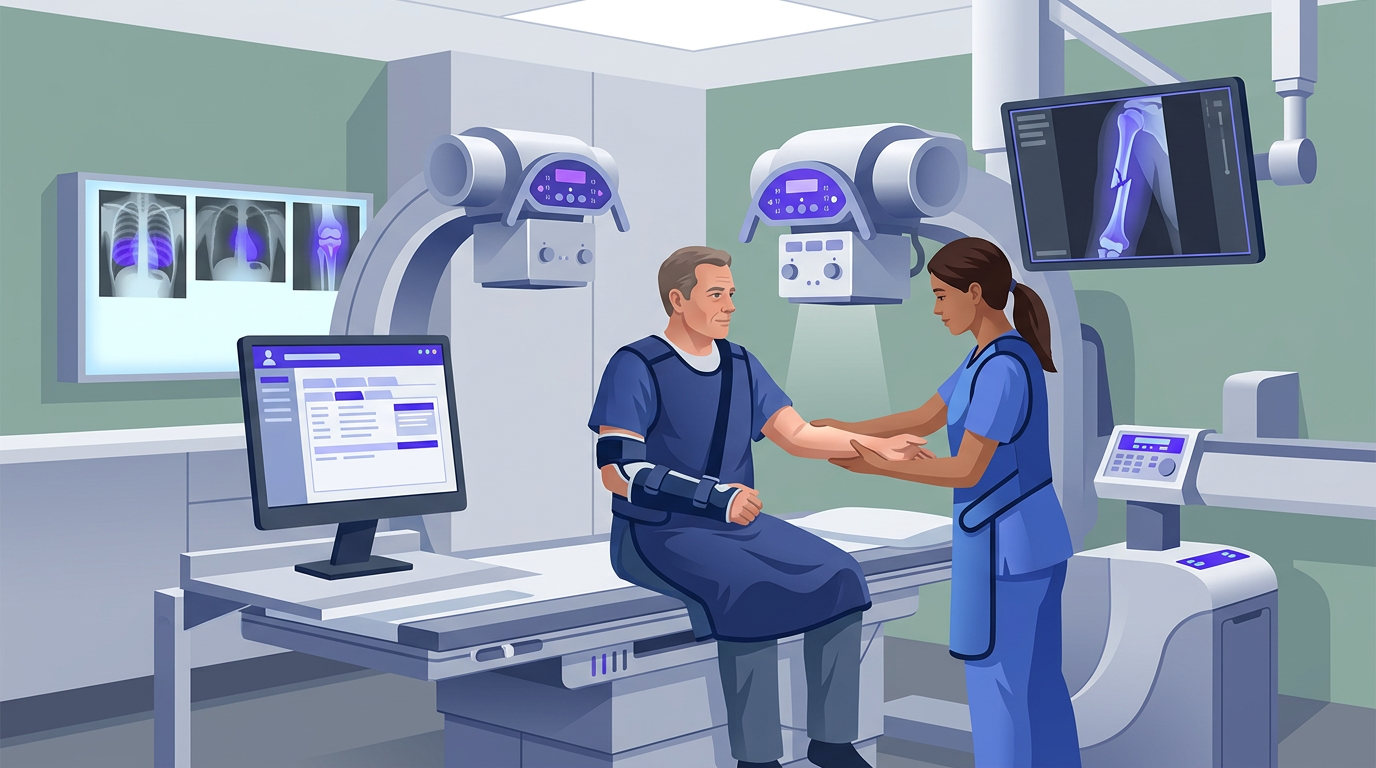
Whether your child plays sports or not, a yearly wellness exam matters. Sports physicals are required for student athletes in most districts. However, even non-athletes benefit from an annual check-up that covers:
- Height, weight, and BMI tracking
- Blood pressure and heart health screening
- Vision and hearing baseline checks
- Bone and muscle health review
- Updates on chronic conditions like asthma or diabetes
Additionally, these visits let your doctor update shot records and discuss health topics for your child’s age. For instance, teens may need to talk about sleep or nutrition. CityHealth provides same-day sports physicals with no appointment needed.
Mental Health Check-In Before School
While physical health gets the most attention, mental health matters just as much. In fact, the CDC reports that about 1 in 6 children aged 2 to 8 has a mental or developmental concern. Also, big changes like a new school or grade level can cause anxiety.
So how can you check in? Here are some ideas:
- Ask open-ended questions about the coming year
- Watch for shifts in sleep, appetite, or mood
- Set daily routines two weeks before school begins
- Talk about ways to handle stress, like deep breathing
- Seek professional help if your child has faced a big life change
Equally important, let your child know it is okay to talk about feelings. Also, when kids feel safe sharing, they are more likely to ask for help early.
Dental and Vision Screenings
Dental issues and poor vision are top reasons kids struggle at school. Consequently, booking dental and eye exams before the year starts is a smart move. The AAP says children should have a full eye exam by age five. After that, follow up every one to two years.
For dental care, the AAP advises visits twice a year starting at age one. Signs your child needs an eye exam sooner include squinting or sitting too close to screens. Similarly, toothaches or trouble chewing call for an earlier dental visit.
Managing Asthma and Allergies at School
If your child has asthma or allergies, extra planning is needed. Before school starts, work with the doctor to create or update an action plan. Then share it with the school nurse and teachers. Ultimately, this step can prevent scary emergencies during the school day.
Specifically, make sure these items are in place:
- Rescue inhaler or EpiPen stored at school with proper forms
- Written steps for when and how to use emergency medicines
- A list of allergens shared with cafeteria staff and teachers
- A plan for field trips and outdoor time during high-pollen days
Furthermore, teach your child to spot their own symptoms and speak up. Because early action prevents crises, this step alone can help a great deal.
Sick Day Guidelines: When to Keep Kids Home
Even with great planning, kids get sick. Therefore, knowing when to keep your child home is key. As a general rule, keep them home if they have:
- Fever of 100.4 F or higher — wait 24 hours fever-free before returning
- Vomiting or diarrhea — wait 24 hours after the last episode
- Persistent cough that disrupts class or suggests illness
- Unexplained rash — especially with fever
- Pink eye — keep home 24 hours after starting drops
- Strep throat — return after 24 hours on antibiotics
On the other hand, mild sniffles without fever usually do not need a sick day. If you are unsure, CityHealth’s urgent care for kids can help. Walk-ins are always welcome.
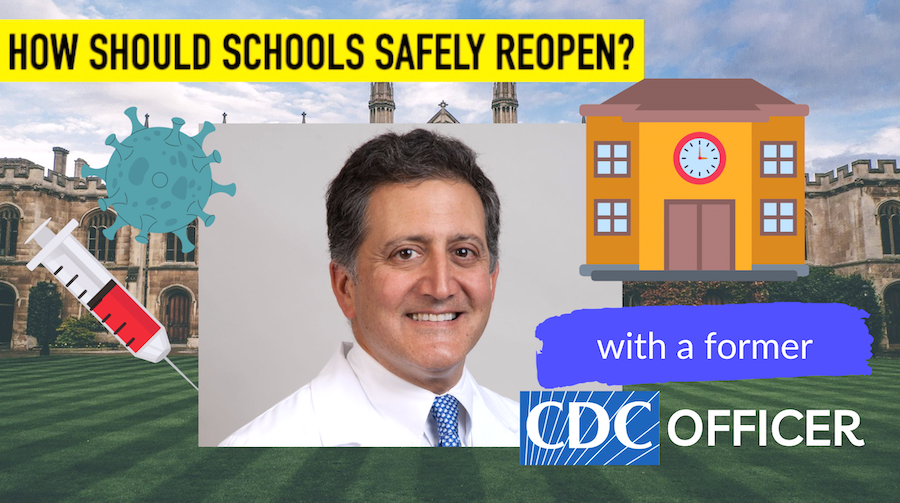
Expert Insight: Dr. Jeffrey Klausner on Kids and School Health
Dr. Jeffrey Klausner is a clinical professor of Medicine at USC. He is also an expert in infectious disease prevention. In a conversation with CityHealth, he shared key points for parents:
- Vaccines remain the best protection for school-age children
- Good airflow and outdoor time reduce the spread of illness
- A holistic approach to health gives children the best chance to thrive
Similarly, Dr. Klausner tells parents to watch for stomachache, cough, and fever. Above all, his main advice is clear: get kids back in school with the right steps in place. That is vital for growth and learning.

Frequently Asked Questions
What vaccines does my child need before going back to school?
Most schools require DTaP, MMR, polio, and varicella vaccines. Additionally, many states require a Tdap booster and meningococcal vaccine for middle school. Check with your school district, and visit CityHealth for walk-in immunizations.
When should I schedule my child’s school physical?
Ideally, book the physical four to six weeks before school starts. This gives time for follow-up tests or catch-up vaccines. CityHealth offers same-day sports physicals if you need one fast.
How do I know if my child is too sick for school?
Keep your child home for fever of 100.4 F or higher, vomiting, diarrhea, or signs of pink eye or strep throat. When in doubt, visit CityHealth urgent care for kids for a quick check.
What should a back to school health checklist include?
A complete checklist includes current vaccines, a sports or wellness physical, dental and vision exams, a mental health check-in, plans for asthma or allergies, and clear sick day rules.
Ready to check off your list?
CityHealth serves Oakland (Montclair Village) and San Leandro with same-day physicals, walk-in shots, and pediatric urgent care — no appointment needed. Book online or walk in today. Find a location | Sports physicals | Immunizations | Kids urgent care