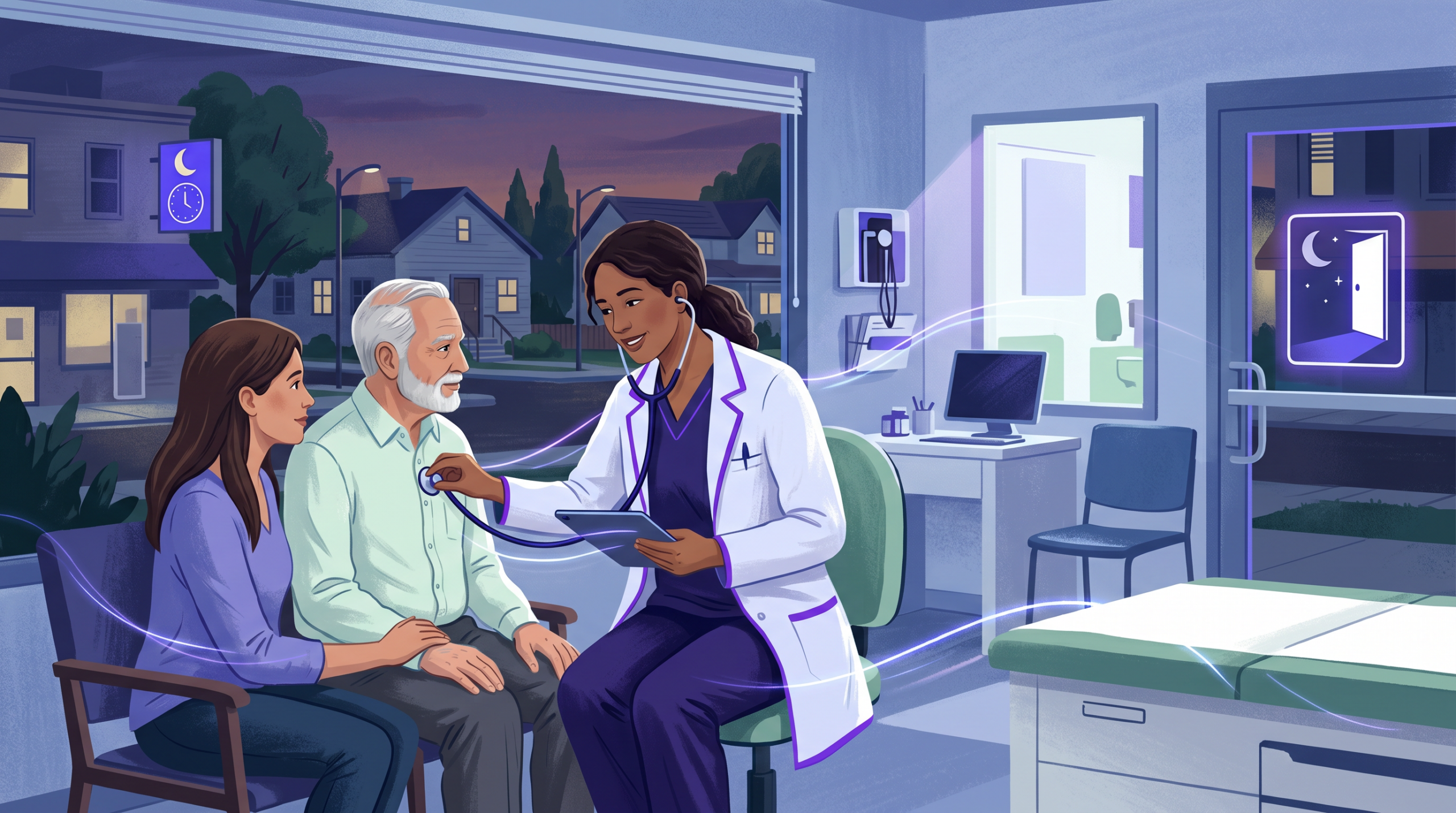

It is 7 PM, your throat feels like sandpaper, and your doctor’s office closed two hours ago. So can urgent care prescribe medication, or will they just tell you to follow up with your PCP? The answer is yes. Urgent care providers are licensed to prescribe nearly every medication your primary care doctor can, with a few specific exceptions. Here is exactly what they prescribe, what they avoid, and how the process works.
Medically reviewed by Sean Parkin, PA, CEO & Founder — Urgent Care
Can Urgent Care Prescribe Medication for Common Conditions?
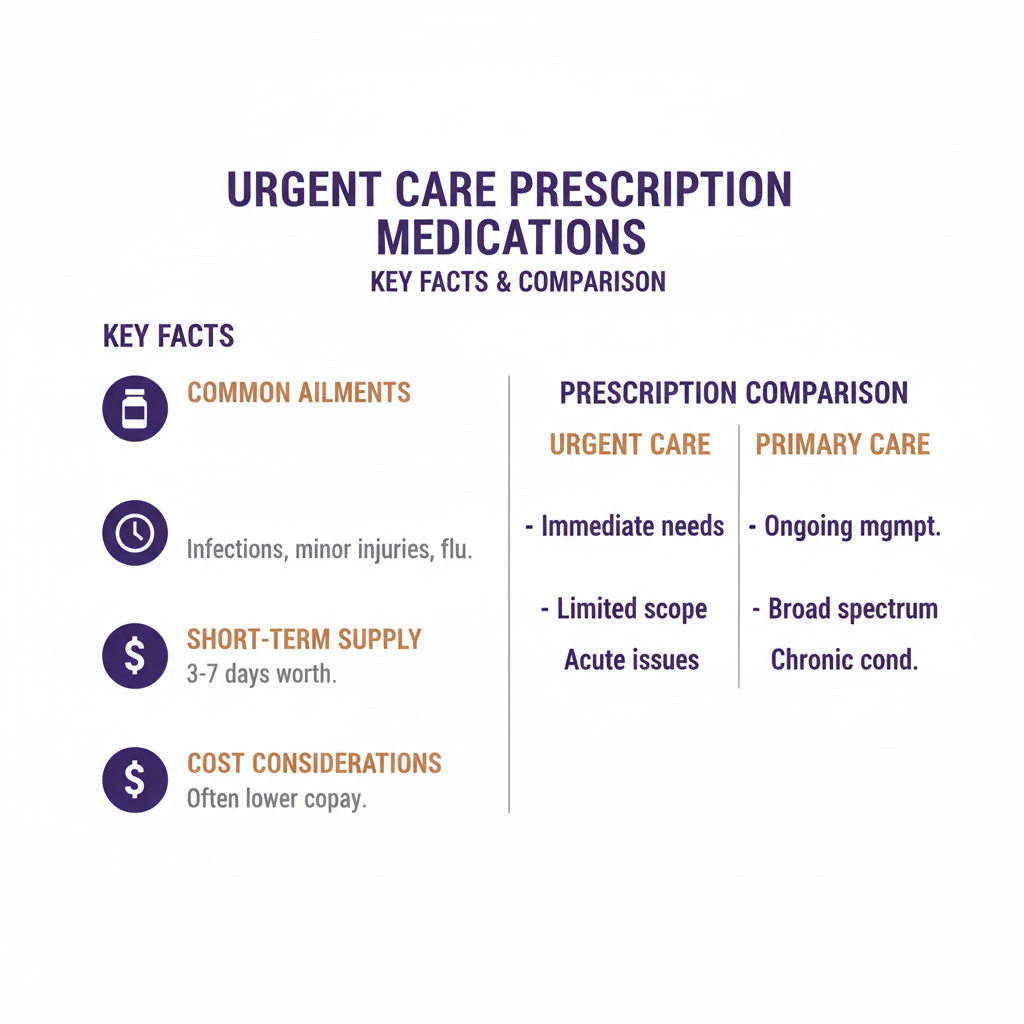
Doctors, PAs, and nurse practitioners at urgent care hold the same license to prescribe as your regular doctor. However, urgent care prescribes medication for short-term, acute needs — not ongoing care. According to the Urgent Care Association, walk-in clinics treat most of the same conditions as a primary care office.
Antibiotics
The most common prescription at urgent care. For example, providers prescribe antibiotics for confirmed bacterial infections — strep throat, urinary tract infections, bacterial sinus infections, skin infections like cellulitis, and ear infections. Furthermore, they will run a rapid test first to confirm bacteria before prescribing.
Antivirals
If you catch the flu within the first 48 hours of symptoms, urgent care can prescribe Tamiflu (oseltamivir) or similar antivirals. Because timing matters, these drugs work best when started early.
Pain Medications
Prescription-strength NSAIDs (ibuprofen 600-800mg, naproxen), acetaminophen, muscle relaxants like cyclobenzaprine, and topical pain creams. In addition, for more on controlled pain medications, see our guide on urgent care and pain meds.
Steroids for Swelling and Inflammation
Prednisone is a common urgent care drug. It treats severe allergic reactions, asthma flare-ups, and bad swelling. For instance, steroid packs work well for poison ivy, bronchitis, or joint pain.
Breathing Medications
Inhalers like albuterol help open your airways fast. Nebulizer treatments are given on-site. In addition, providers prescribe cough drugs and pills for bronchitis. As a result, you can walk in with breathing trouble and leave with a plan.
Stomach and Nausea Medications
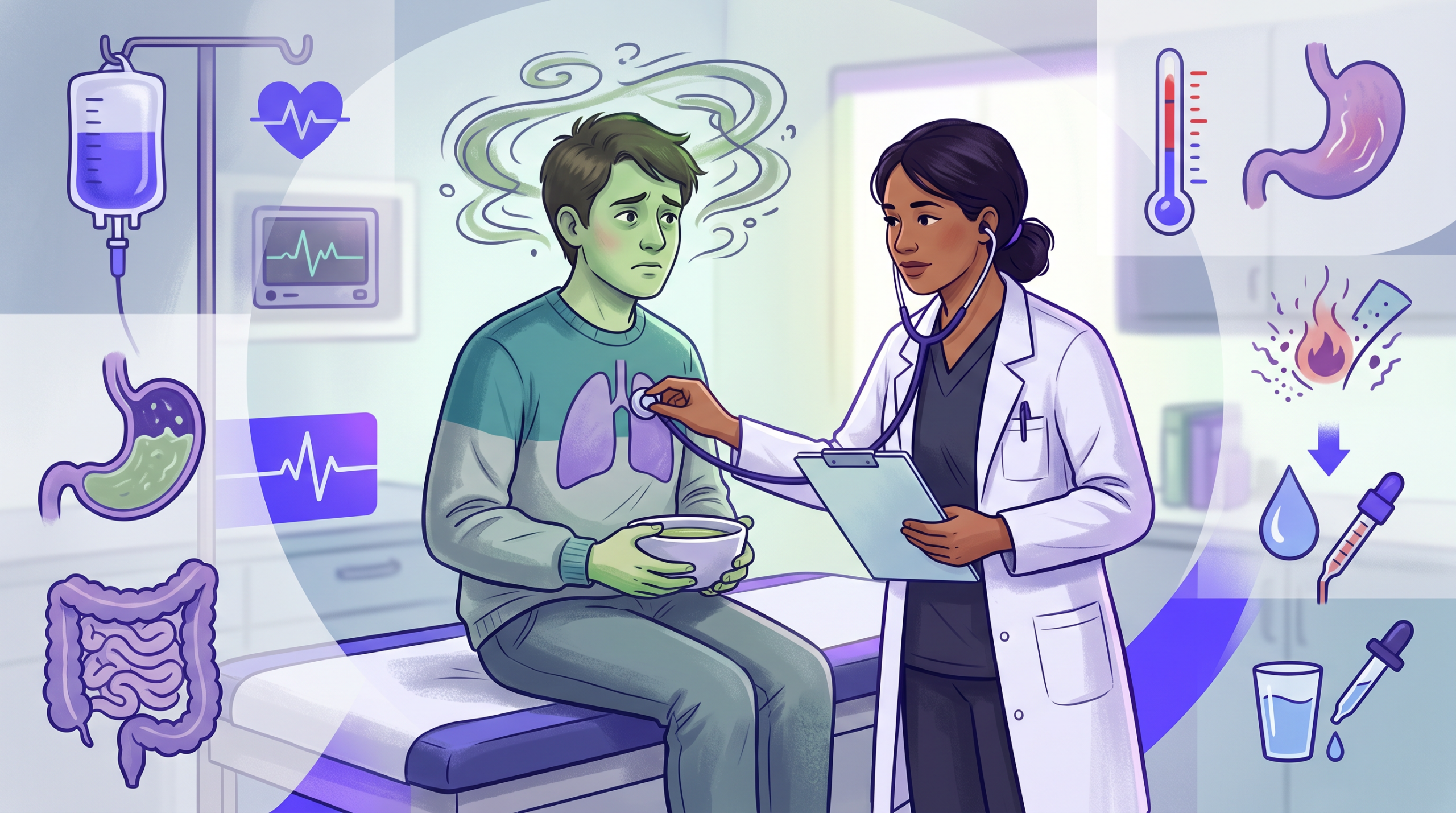
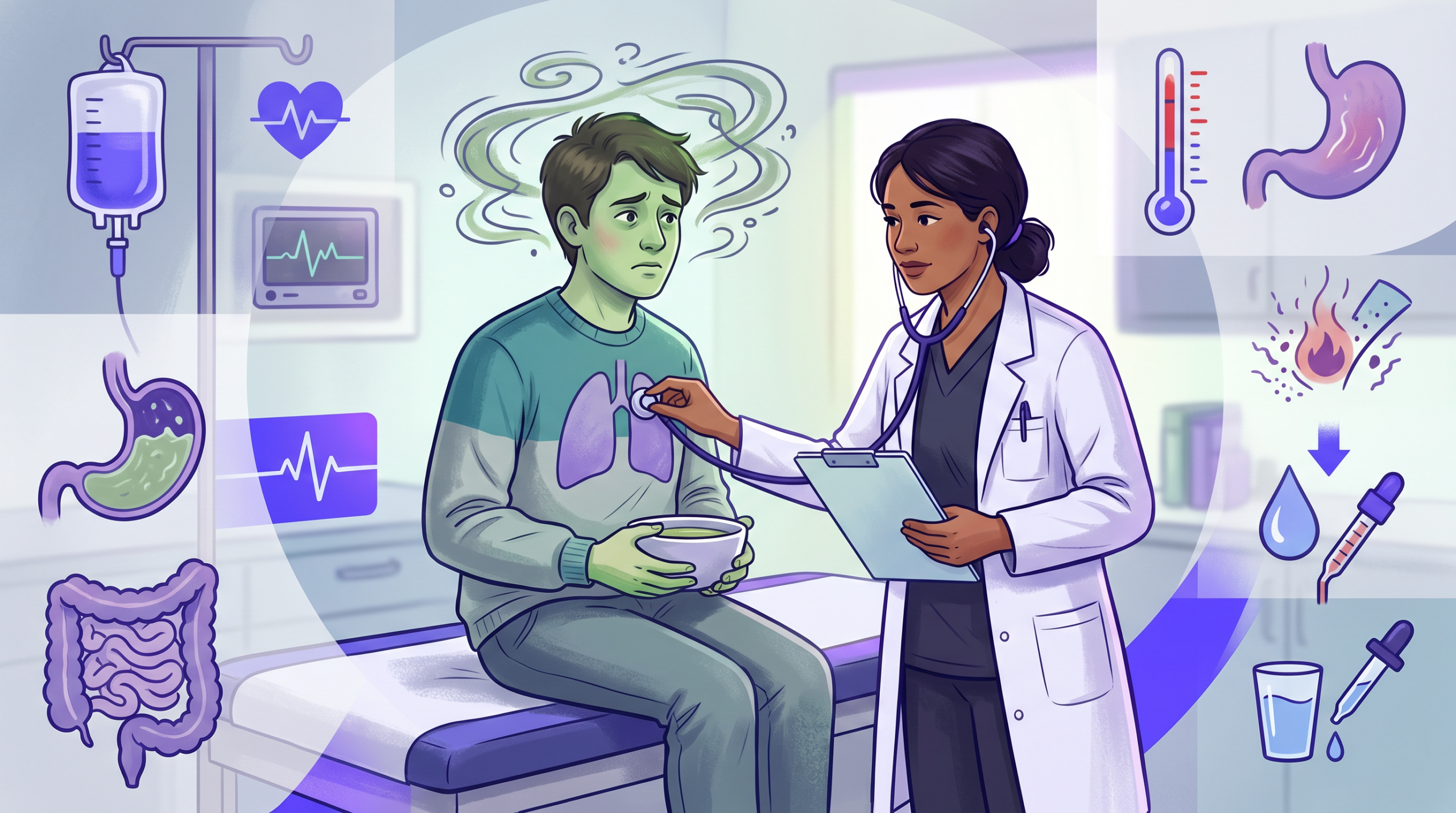
Zofran helps stop nausea. Acid reflux drugs, anti-diarrhea pills, and treatments for food poisoning are all available. Because dehydration is a risk, some clinics also give IV fluids on-site.
Allergy, Skin, Ear, and Eye Medications
Strong allergy pills, epi pens for severe allergic reactions, nasal sprays, antifungal creams for ringworm, steroid creams for rashes, and antibiotic drops for pink eye. In short, urgent care can prescribe medication for nearly every common acute issue.
What Medications Can Urgent Care Not Prescribe?
Urgent care providers can legally prescribe most drugs. However, some types are off-limits due to safety rules:
- Long-term pain pills or anxiety drugs — opioids for chronic pain, Xanax for ongoing anxiety, and ADHD drugs like Adderall all need a regular doctor who knows your history.
- Mental health drugs — antidepressants and mood drugs need careful dosing over time. However, urgent care may give you a short bridge supply if you run out.
- Drugs needing prior approval — some specialty drugs need insurance sign-off that takes days. As a result, urgent care cannot handle these.
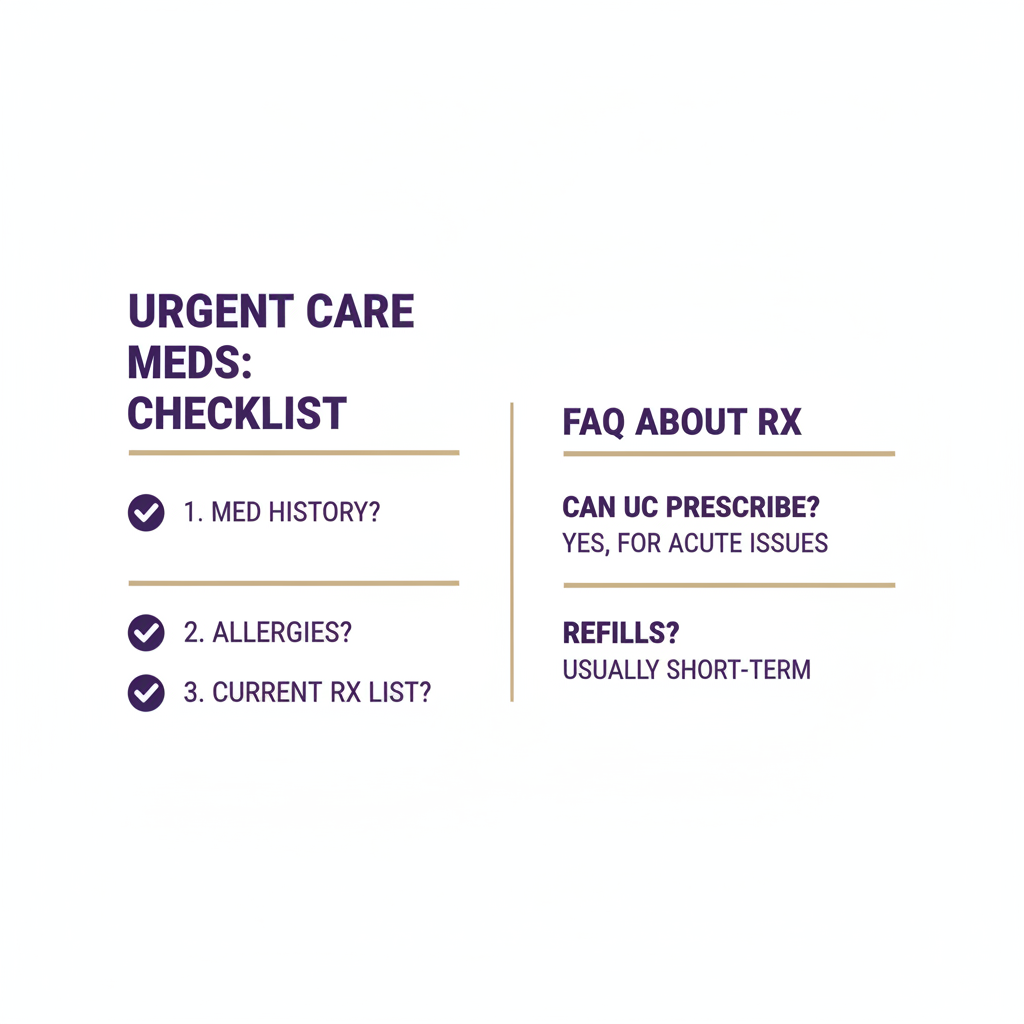
- Refills they did not start — most providers write a short refill (3-7 days) to hold you over. On the other hand, they will not take over your ongoing prescriptions.
Can Urgent Care Refill Prescriptions You Already Take?
Say you ran out of blood pressure pills on a Saturday. Your pharmacy says they need a new script. Urgent care can help — with limits.
Most providers write a short bridge supply — enough to last until you see your regular doctor. This works for common daily drugs like blood pressure pills, thyroid pills, or cholesterol drugs. Therefore, bring the pill bottle or know the exact drug name and dose.
Controlled drugs (Adderall, Xanax, opioids) are harder. Federal and state rules make it tough for urgent care to refill these. As a result, your best bet is to call your regular doctor’s on-call line.
Common Questions About Urgent Care Prescriptions
Can urgent care prescribe medication for my child? Yes. Urgent care treats kids and teens for most of the same conditions as adults. Providers adjust drug types and doses based on age and weight.
Can I choose which pharmacy gets my prescription? Yes. Just tell your provider which one you prefer. They send it over right away. In fact, most pharmacies fill it within 30-60 minutes.
What if I do not have insurance? You can still get prescriptions at urgent care. Ask your provider about generic options, which cost much less. For instance, generic antibiotics often cost under $10 at most pharmacies.
Can urgent care prescribe medication over the phone? No. A provider needs to examine you first. However, some clinics offer telehealth visits where a video call counts as an exam. After that, they can send a prescription to your pharmacy.
How Prescriptions at Urgent Care Work
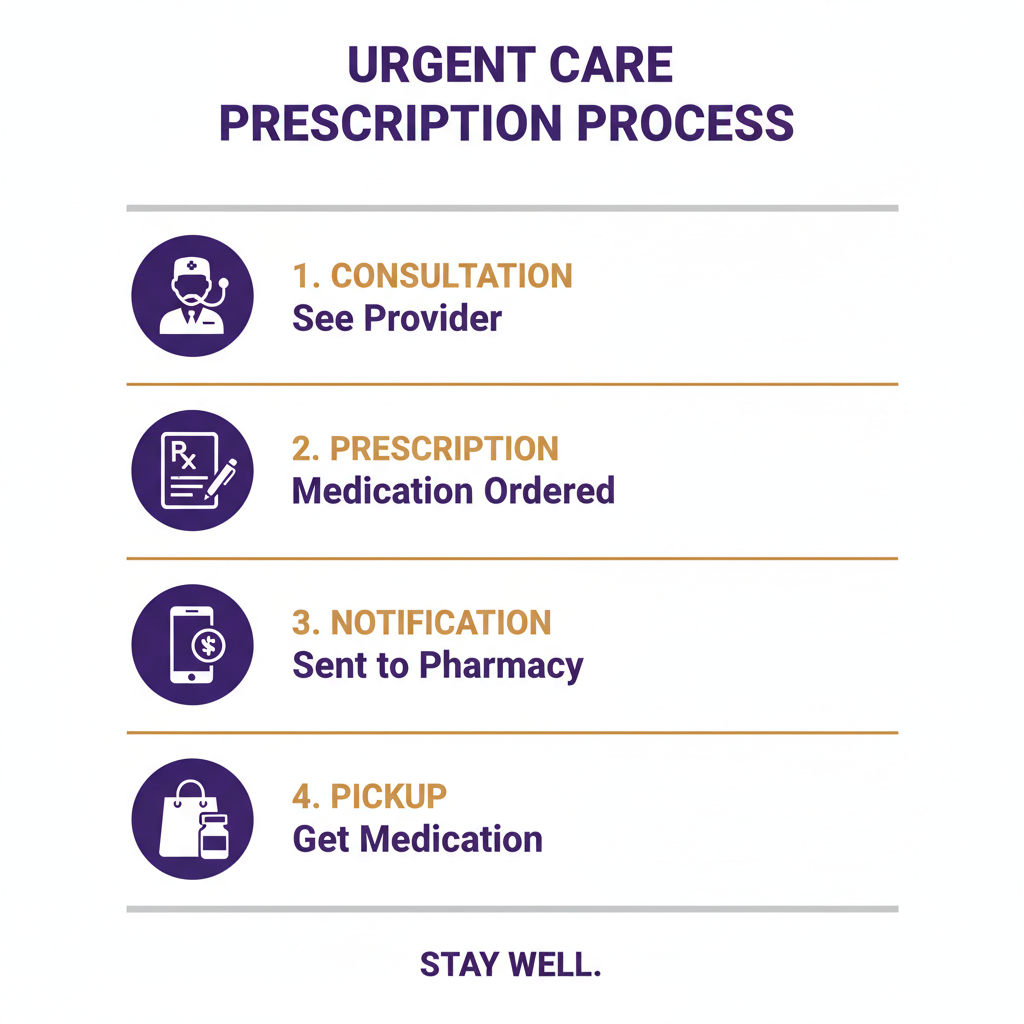
The process is straightforward. Here is what to expect when urgent care prescribes medication for you:
1. Walk in and describe your symptoms. No appointment needed at CityHealth. In addition, mention any medications you currently take to avoid interactions.
2. Get examined and tested. Your provider may run a rapid strep test, flu test, urinalysis, or other diagnostics before prescribing. Because this ensures accuracy, you get the right medication rather than a guess.
3. Receive your prescription. Most clinics send prescriptions electronically to your pharmacy. Furthermore, some on-site treatments (injections, nebulizer treatments, IV medications) happen during your visit.
4. Pick up at your pharmacy. Electronic prescriptions typically arrive within minutes. As a result, many pharmacies fill urgent care prescriptions within 30-60 minutes.
Tips for Getting Prescriptions at Urgent Care
- Bring your medication list. Because knowing what you take prevents drug interactions, this speeds up your visit significantly.
- Mention your pharmacy preference. Your provider sends the prescription electronically, so tell them which pharmacy works best.
- Ask about generic options. If cost concerns you, ask for generic versions. For instance, most antibiotics have affordable generic equivalents.
- Request a note for work or school. If your medication means time off, your provider can write a doctor’s note during the same visit.
- Follow up with your PCP. Urgent care handles the immediate problem. However, your regular doctor should know about new prescriptions.
Why Choose Urgent Care Over the ER for Prescriptions?
You might think the ER is the only option when your doctor is closed. But urgent care handles the same prescriptions for much less money and less wait time. For example, an ER visit for a UTI can cost $500-$2,000. The same visit at urgent care costs $100-$250. You get the same antibiotic either way.
In addition, ER wait times average 2-4 hours. At CityHealth, most patients are seen within 30 minutes. Therefore, for any non-emergency that needs a prescription, urgent care is the smarter choice.
Get Your Medication Today at CityHealth
So can urgent care prescribe medication? Yes. Antibiotics, antivirals, pain drugs, steroids, and dozens more. CityHealth providers handle it all in a single walk-in visit. No appointment. No referral.
Walk in to CityHealth today — open 7 days a week in San Leandro. Get your diagnosis, get your prescription sent to your pharmacy, and start feeling better today.