Should you go to urgent care for an allergic reaction? Yes. CityHealth San Leandro treats urgent care allergic reaction cases including hives, swelling, rashes, and mild anaphylaxis. We provide same-day epinephrine, steroids, and antihistamine treatment.
You ate something new, got stung by a bee, or tried a different laundry detergent. Now your skin is covered in hives, your eyes are puffy, and you’re not sure what to do next.
Here’s the good news: most allergic reactions don’t need an ER. An urgent care allergic reaction visit can handle the majority of these situations faster and at lower cost. CityHealth in San Leandro sees allergic reactions daily and can get you treated the same day you walk in.
But some allergic reactions are emergencies. Knowing the difference could save your life. Let’s break it down.
Urgent Care for Allergic Reactions: What We Treat
Not all allergic reactions are the same. The severity determines where you should go for treatment.
Mild Allergic Reactions
Mild reactions stay localized. They’re uncomfortable but not dangerous. Common signs include:
- Hives or red patches on one area of the body
- Mild itching or tingling
- Slight swelling around the contact site (for example, a bug bite)
- Sneezing, runny nose, or watery eyes
You can usually manage mild reactions at home with over-the-counter antihistamines like Benadryl or Zyrtec. However, if symptoms don’t improve in an hour, visit urgent care.
Moderate Allergic Reactions
Moderate reactions spread beyond the contact area. They need medical treatment. Signs include:
- Widespread hives covering large parts of your body
- Facial swelling, especially around the eyes and lips
- Intense itching that over-the-counter medications don’t relieve
- Stomach cramps, nausea, or vomiting after eating a potential allergen
- Mild difficulty breathing — not severe, but noticeable
This is exactly when an urgent care allergic reaction visit makes sense. CityHealth can administer stronger medications, monitor you, and make sure things don’t escalate.
Severe Allergic Reactions (Anaphylaxis)
Anaphylaxis is a medical emergency. Call 911 immediately. Signs include:
- Throat tightness or swelling that makes it hard to breathe or swallow
- Wheezing, gasping, or labored breathing
- Dizziness, lightheadedness, or fainting
- Rapid or weak pulse
- Severe drop in blood pressure
- Feeling of impending doom (this is a real medical symptom of anaphylaxis)
If you carry an EpiPen, use it immediately. Then call 911 even if symptoms improve, because anaphylaxis can return in a second wave (biphasic reaction) hours later.
When to Go to Urgent Care for an Allergic Reaction
Urgent care is the right call when your reaction is uncomfortable or worsening but not life-threatening. Come to CityHealth if:
- Hives are spreading across your body
- Your face, lips, or eyes are swelling
- Itching is severe and antihistamines aren’t helping
- You have stomach symptoms after eating something you might be allergic to
- A rash appeared after starting a new medication
- You were stung by an insect and the reaction is spreading beyond the sting site
- You’re unsure whether your reaction is getting better or worse
In all these cases, urgent care can give you faster, stronger treatment than what’s available over the counter.
When to Call 911 Instead of Visiting Urgent Care
Skip urgent care and call 911 if any of these apply:
- Throat is tightening or voice sounds hoarse
- Breathing is difficult, labored, or wheezy
- You feel dizzy or faint
- You’ve had anaphylaxis before and recognize the early signs
- Symptoms are getting worse rapidly — within minutes
When in doubt, call 911. It’s always better to overreact than underreact with allergic emergencies.
What Urgent Care Does for Allergic Reactions
At CityHealth, here’s what a typical urgent care allergic reaction visit looks like:
- Assessment — we evaluate the type and severity of your reaction
- Antihistamines — stronger prescription-strength doses if OTC medications didn’t work
- Steroids — oral prednisone or an injection to reduce inflammation and prevent the reaction from bouncing back
- Epinephrine — for moderate-to-severe reactions that need immediate stabilization
- Monitoring — we watch you for 30 to 60 minutes to make sure symptoms are improving, not rebounding
- Follow-up plan — prescriptions, EpiPen if appropriate, and a referral to an allergist for testing
Most patients leave feeling significantly better within an hour of arriving.
Common Allergens That Trigger Reactions
The usual suspects behind allergic reactions include:
- Food — peanuts, tree nuts, shellfish, milk, eggs, wheat, soy, and fish account for 90% of food allergies
- Insect stings — bees, wasps, hornets, and fire ants
- Medications — penicillin, sulfa drugs, NSAIDs, and contrast dye
- Latex — gloves, balloons, and some medical devices
- Environmental — pollen, pet dander, mold, and dust mites
- Contact allergens — nickel, fragrances, poison ivy, and certain skin care products
If you don’t know what caused your reaction, an allergist can run skin prick or blood tests to identify the trigger. CityHealth can refer you after your urgent care visit.
First Aid for Allergic Reactions at Home
While you decide whether to visit urgent care, here’s what to do right away:
- Remove the trigger if possible — stop eating the food, move away from the insect, wash off the contact allergen
- Take an antihistamine — diphenhydramine (Benadryl) works fastest; cetirizine (Zyrtec) causes less drowsiness
- Apply cool compresses to itchy or swollen areas
- Use an EpiPen if you have one and symptoms are severe — inject into the outer thigh
- Monitor closely for 2 hours — allergic reactions can worsen suddenly
If symptoms improve within an hour, you can likely manage at home. If they plateau or get worse, head to CityHealth.
Allergic Reactions in Children
Kids can’t always describe what they’re feeling. Watch for these signs:
- Pulling at or scratching their tongue, ears, or throat
- Refusing to eat or drooling more than usual
- Voice changes or hoarseness
- Hives or flushing on the face, neck, or chest
- Sudden behavioral changes — irritability, lethargy, or crying
Children’s allergic reactions can escalate faster than adults’. If your child shows any moderate symptoms, don’t wait — bring them to urgent care or call 911 for severe signs.
Urgent Care for Allergic Reactions at CityHealth San Leandro
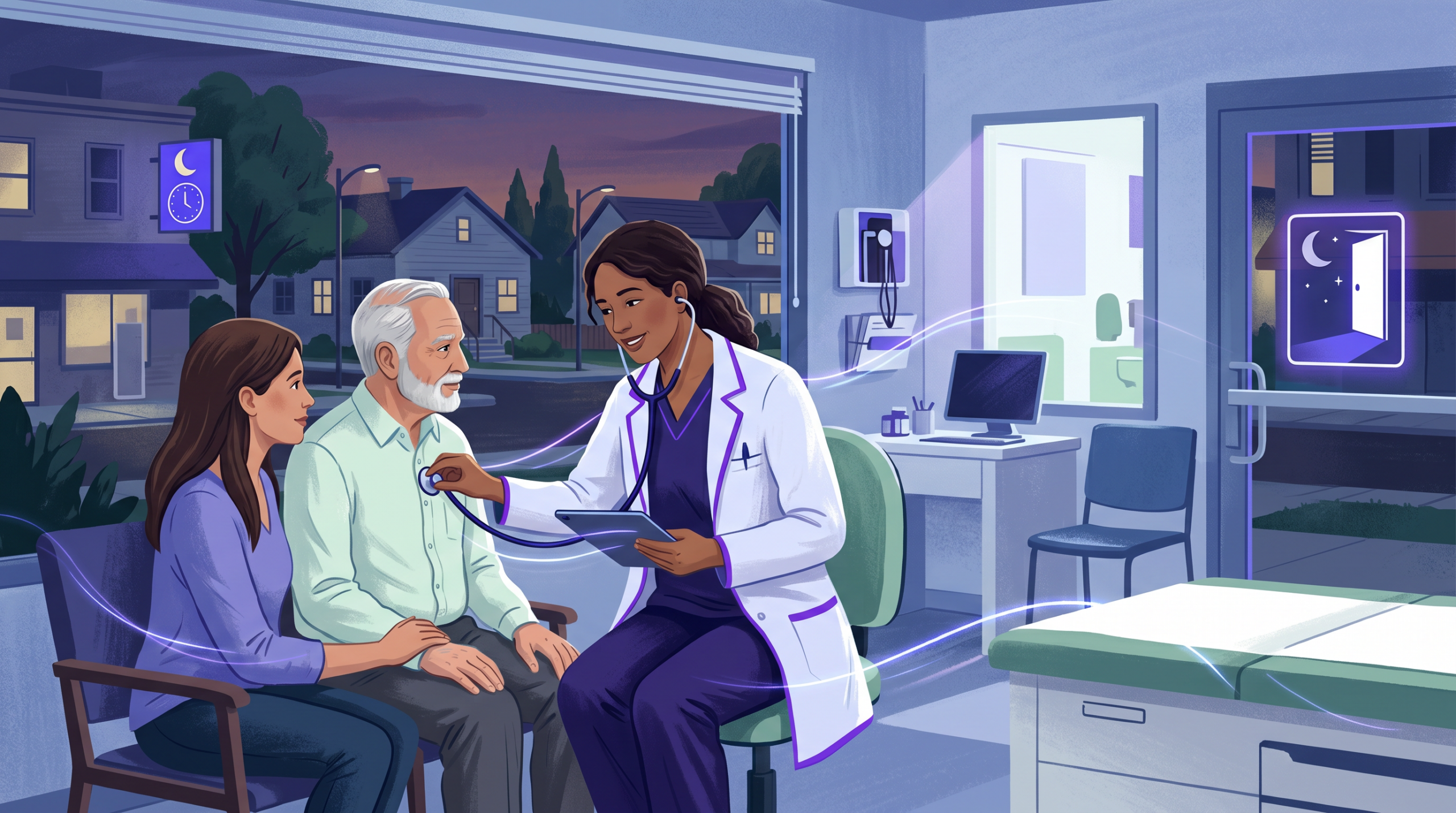
CityHealth treats allergic reactions 7 days a week. Whether it’s hives from a new food, swelling from a bee sting, or a rash from a medication, we can help. Walk in or book ahead — we’ll see you the same day.
Book your visit online or call (510) 984-2489.
FAQ: Urgent Care for Allergic Reactions
Can urgent care treat an allergic reaction?
Yes. Urgent care treats mild to moderate allergic reactions with antihistamines, steroids, and monitoring. For severe reactions with throat swelling or breathing problems, call 911.
How long should I wait before going to urgent care for hives?
Take an over-the-counter antihistamine first. If hives haven’t improved in one hour, or if they’re spreading, visit urgent care. Don’t wait longer than a few hours, because delayed treatment makes reactions harder to control.
Does CityHealth test for allergies?
CityHealth treats acute allergic reactions and can prescribe EpiPens. For allergy testing (skin prick tests and blood panels), we refer you to an allergist. We can set up that referral during your visit.
How much does an urgent care visit for an allergic reaction cost?
Most insurance plans cover urgent care with a copay of $25 to $75. CityHealth also offers self-pay pricing. Call (510) 984-2489 for details.