
Looking for eczema treatment near Oakland? CityHealth provides eczema treatment Oakland area patients can access through our dermatology department. We treat eczema, psoriasis, and chronic skin conditions with same-day and scheduled appointments.
Dealing with red, itchy, cracked skin that keeps flaring up? You might have eczema. And if over-the-counter creams aren’t cutting it anymore, you need a dermatologist. CityHealth offers expert eczema treatment in Oakland at our Montclair Village dermatology clinic every Wednesday. Our board-certified team treats everything from mild dry patches to severe flare-ups that disrupt your sleep and daily life.
In this guide, you’ll learn what eczema actually is, what triggers it, and every treatment option we offer. More importantly, you’ll know exactly when it’s time to see a dermatologist instead of fighting it alone.
Eczema Treatment Oakland: Our Dermatology Approach
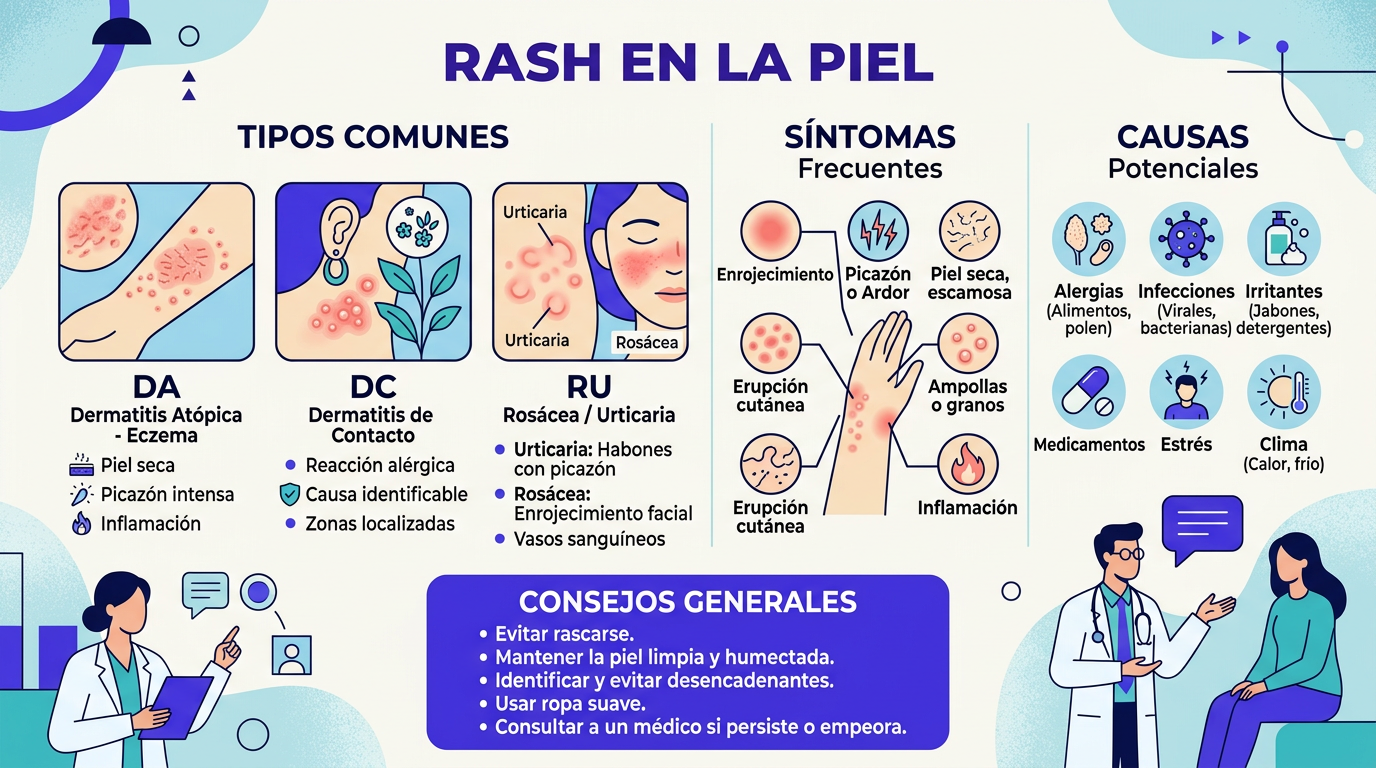
Eczema is a group of skin conditions that cause inflammation, itching, and irritation. The most common type is atopic dermatitis. But there are other forms too, including contact dermatitis, dyshidrotic eczema, and nummular eczema. None of them are contagious. You can’t catch eczema from someone else.
More than 31 million Americans deal with some form of eczema. It can show up in infancy and stick around into adulthood. Or it can appear for the first time when you’re an adult. Many people with eczema also have asthma, hay fever, or food allergies. In other words, if your immune system tends to overreact, eczema often comes along for the ride.
Types of Eczema We Treat at CityHealth Oakland
Atopic Dermatitis
This is the most common type. Atopic dermatitis happens because your skin barrier doesn’t work properly. As a result, moisture escapes easily and irritants get in. Your immune system overreacts, and that’s what causes the redness, itching, and inflammation.
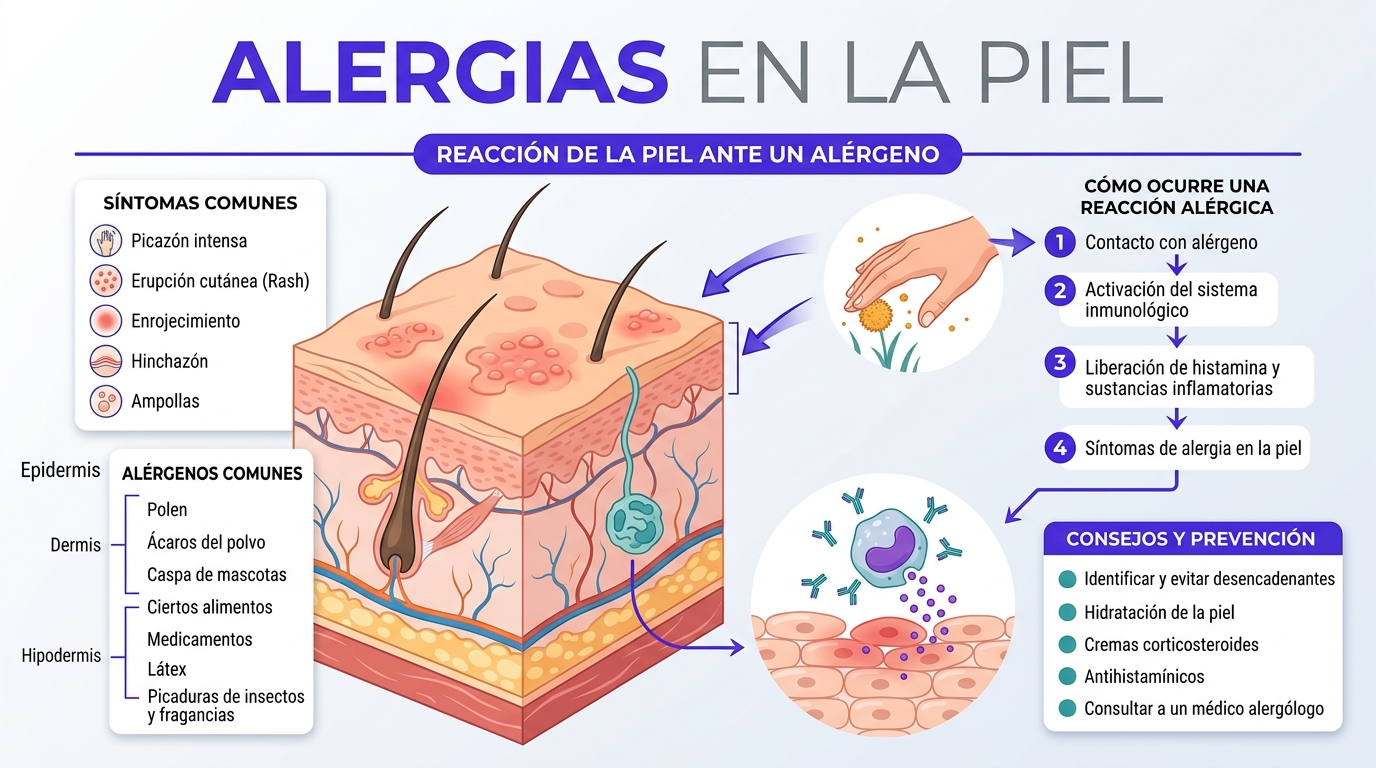
Flare-ups are triggered by allergens, stress, temperature swings, and certain fabrics or soaps. Common symptoms include:
- Intense itching, especially at night
- Dry, scaly patches on the face, neck, elbows, and knees
- Thickened or leathery skin from repeated scratching
- Small raised bumps that may weep fluid
- Raw, swollen skin after scratching
Contact Dermatitis
Contact dermatitis is a skin reaction triggered by touching something specific. There are two types:
- Irritant contact dermatitis happens from repeated exposure to harsh substances like soaps, cleaning products, or chemicals
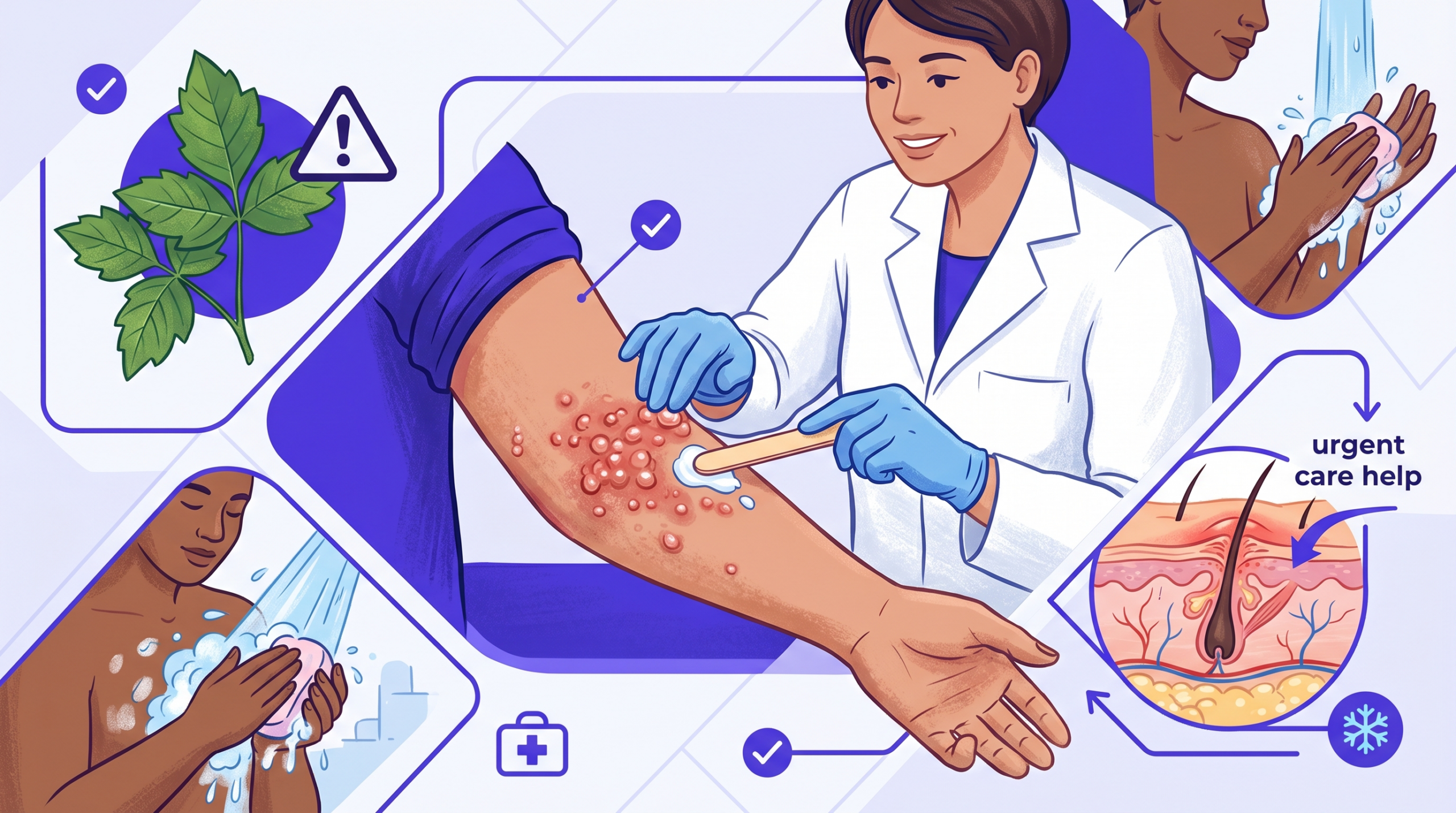
- Allergic contact dermatitis happens when your immune system reacts to an allergen such as nickel (in jewelry), fragrances, latex, or poison ivy
The rash usually shows up exactly where your skin touched the trigger. A patch test done by a dermatologist can identify which allergens are causing your reaction. This is something we offer at CityHealth Oakland.
Dyshidrotic Eczema
This type creates small, intensely itchy blisters on your palms, fingers, and soles of your feet. Stress, sweating, and contact with metals like nickel and cobalt tend to make it worse. It’s more common in people who also have hay fever or allergic asthma.
Nummular Eczema
Nummular eczema produces coin-shaped patches of irritated skin. It can look a lot like ringworm, which is why getting a proper diagnosis matters. Dry skin, insect bites, and chemical irritants are common triggers.
Common Eczema Triggers to Watch For
Managing your triggers is one of the most important parts of any eczema treatment in Oakland or anywhere else. Here are the most common ones:
- Dry skin is the most universal trigger. When your skin loses moisture, it becomes more vulnerable to flares.
- Fragranced soaps and detergents strip your skin’s natural oils. Switch to fragrance-free products.
- Synthetic fabrics like polyester and wool can irritate sensitive skin. Cotton is usually safer.
- Sweat during exercise or hot weather can trigger itching and redness.
- Emotional stress activates immune pathways that worsen inflammation.
- Pet dander and dust mites are airborne allergens that aggravate atopic dermatitis.
- Food allergens such as milk, eggs, peanuts, soy, and wheat affect some children.
- Temperature extremes cause problems on both ends. Cold dry air and sudden heat both trigger flares.
A dermatologist at CityHealth Oakland can help you identify your personal triggers through a detailed history and, if needed, allergy testing.
Eczema Treatment Options at CityHealth Oakland
There’s no cure for eczema. However, it can be managed effectively with the right combination of daily skin care and medication. Here’s what we offer for eczema treatment in Oakland at our Montclair Village clinic.
Moisturizers and Emollients (The Foundation)
Daily moisturizing is the single most important thing you can do for eczema. Keeping your skin barrier intact reduces how often and how badly you flare. We recommend:
- Thick creams or ointments over thin lotions (lotions have more water and can actually dry your skin)
- Fragrance-free, dye-free formulas
- Applying right after bathing while your skin is still slightly damp
- Ceramide-containing moisturizers that help rebuild the skin barrier
Topical Corticosteroids
Topical steroids are the most commonly prescribed treatment for eczema flares. They reduce inflammation and itching quickly. Steroids come in many strengths, ranging from mild hydrocortisone 1% to potent clobetasol. Your dermatologist will choose the right strength based on your flare severity and where it is on your body.
Use steroids only during flares, not as daily maintenance. Long-term overuse can thin the skin over time.
Calcineurin Inhibitors (Non-Steroidal)
Tacrolimus (Protopic) and pimecrolimus (Elidel) are non-steroidal anti-inflammatory creams. They’re especially useful for:
- Sensitive areas like the face, neck, and skin folds where steroids cause more side effects
- Long-term maintenance to prevent flares between steroid courses
- Patients who haven’t responded well to steroids alone
These work by blocking the immune response that drives eczema inflammation without affecting your skin’s structure.
Crisaborole (Eucrisa)
Eucrisa is an FDA-approved non-steroidal ointment for mild-to-moderate eczema. It’s a PDE4 inhibitor, which means it reduces inflammation through a different pathway than steroids. It’s approved for patients 3 months and older, making it a good long-term option without steroid side effects.
Dupixent (Dupilumab): The Game-Changer for Severe Eczema
Dupixent has transformed eczema treatment for people with moderate-to-severe atopic dermatitis. It’s an injectable biologic that blocks two key proteins (IL-4 and IL-13) driving the immune overreaction behind eczema.
Clinical trials show Dupixent significantly reduces itching, clears skin, and improves quality of life for patients who haven’t responded to topical treatments. You take it as an injection every 2 to 4 weeks, either in the clinic or at home after training.
Dupixent is also approved for asthma, nasal polyps, and eosinophilic esophagitis. These conditions frequently coexist with severe eczema. Your CityHealth dermatologist will evaluate whether you’re a good candidate.
Other Systemic Treatments
For severe eczema that doesn’t respond to topical treatments, additional options include:
- JAK inhibitors (abrocitinib, upadacitinib) are newer oral medications that reduce immune signaling. They work fast and can produce dramatic improvement.
- Oral immunosuppressants like cyclosporine, methotrexate, or mycophenolate for short-term flare management
- Phototherapy (light therapy) using narrowband UVB can reduce inflammation in widespread eczema
The American Academy of Dermatology provides detailed treatment guidelines for atopic dermatitis.
Eczema in Children vs. Adults: Key Differences
Eczema looks and behaves differently depending on age:
- Infants (0 to 2): Typically appears on the face, scalp, and outer limbs. The skin may be weepy and crusted.
- Children (2 to 12): Usually shows up in skin folds like inside the elbows, behind the knees, and around the ankles and wrists.
- Adults: More common on hands, eyelids, and neck. Can also involve large body areas.
Many children outgrow eczema, but some carry it into adulthood. Adults who develop eczema for the first time later in life often have contact dermatitis rather than atopic dermatitis. Either way, a dermatologist can give you a clear diagnosis.
When to See a Dermatologist for Eczema Treatment in Oakland
You should book an appointment at CityHealth’s Oakland dermatology clinic if:
- Over-the-counter moisturizers and hydrocortisone aren’t controlling your symptoms anymore
- Eczema is affecting your sleep, work, or daily activities
- You’re getting frequent skin infections from scratching
- You need prescription treatments like calcineurin inhibitors, Dupixent, or oral medications
- You’re not sure whether your rash is actually eczema or something else
Our Oakland dermatology team also treats related conditions including psoriasis and rosacea. Both can sometimes be confused with eczema, so an accurate diagnosis is the first step.
Book Eczema Treatment in Oakland
CityHealth Oakland Montclair Village. Dermatology open Wednesdays. Board-certified dermatologists, most insurance accepted.
What to Expect at Your CityHealth Eczema Appointment
CityHealth’s dermatology clinic is in Oakland’s Montclair Village neighborhood and is open every Wednesday. Here’s what happens at your visit:
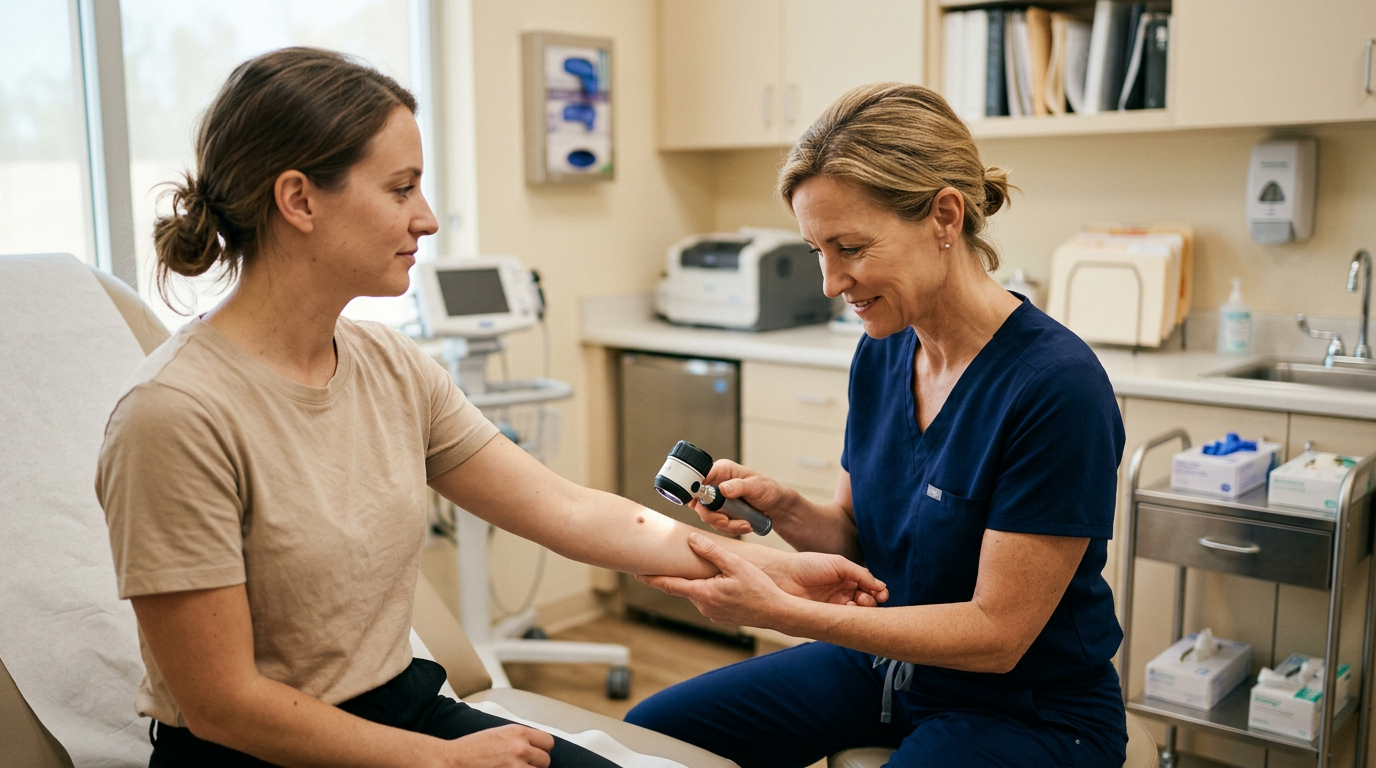
- A thorough skin exam by a licensed dermatology provider
- Review of your eczema history, triggers, and past treatments
- A personalized treatment plan ranging from basic skin care to prescription medications
- Education on managing flares and maintaining your skin barrier long-term
- Referral to an allergist if food or environmental allergy testing would be helpful
Our team also offers cosmetic dermatology services. Visit our cosmetic dermatologist page for more details.
Start Your Eczema Treatment in Oakland Today
Don’t let eczema run your life. CityHealth’s dermatology clinic in Oakland (Montclair Village) is open every Wednesday, and we offer the full range of eczema treatment options. From moisturizers and topical steroids all the way to Dupixent and JAK inhibitors, we’ll build a plan that works for your skin.
Book your eczema treatment appointment in Oakland today. CityHealth Dermatology is available Wednesdays at our Montclair Village location.
Learn more about our dermatology services at CityHealth Oakland Montclair (Wednesdays only).
Need care today? CityHealth offers walk-in urgent care in San Leandro for non-dermatology needs. Open 7 days a week. Call (510) 984-2489 or book online.