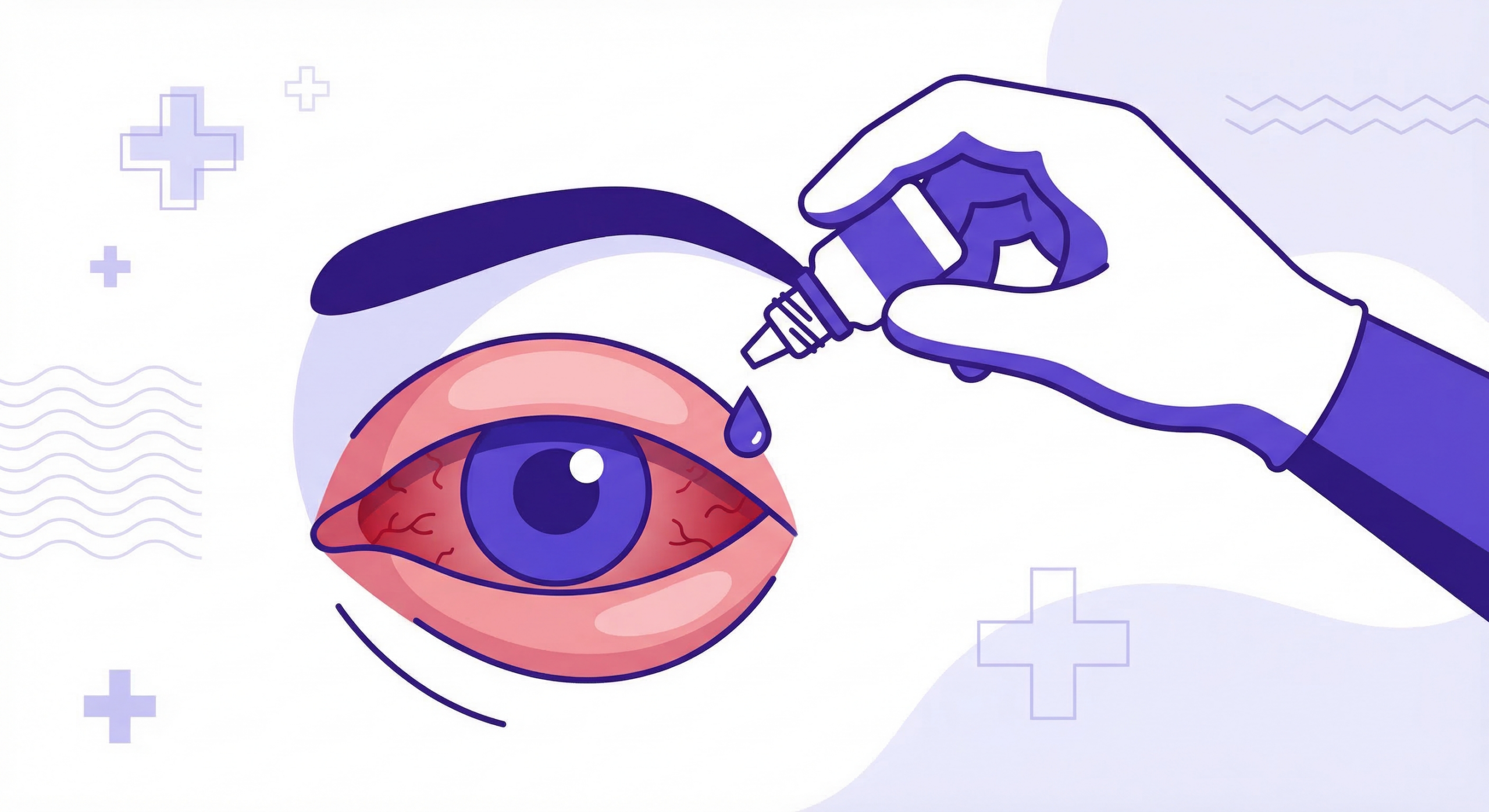

Quick Answer: Does Urgent Care Treat Pink Eye?
Yes. CityHealth San Leandro treats pink eye (conjunctivitis) same-day — no appointment needed. We determine if it’s bacterial, viral, or allergic and prescribe antibiotic eye drops when appropriate. Walk in or book online.
Woke up with a red, goopy, or crusty eye? You probably have conjunctivitis — better known as pink eye. Knowing whether your pink eye needs treatment (and what kind) can save you time and discomfort. Here’s what you need to know about pink eye and urgent care.
What Is Pink Eye (Conjunctivitis)?
Pink eye is inflammation of the conjunctiva — the thin, clear tissue that covers the white of your eye and lines the inside of your eyelid. When the conjunctiva becomes inflamed, the blood vessels dilate and the eye appears pink or red. Hence the name.
Pink eye is extremely common. It affects people of all ages, though it spreads rapidly among children in school settings. Most cases are not dangerous, but some types — especially bacterial and gonococcal conjunctivitis — require prompt treatment to prevent complications.
Types of Pink Eye
There are four main types of conjunctivitis, and treatment depends on which type you have:
1. Bacterial Conjunctivitis
Caused by bacteria such as Staphylococcus, Streptococcus, or Haemophilus. This type is common in children and is highly contagious.
Symptoms: Thick yellow or green discharge, eye crustiness (especially in the morning), redness, possible lid swelling. Usually affects one eye but can spread to both.
Treatment: Antibiotic eye drops or ointment (erythromycin, tobramycin, or azithromycin). Most cases resolve within 5–7 days with treatment. Urgent care can diagnose and prescribe antibiotic drops the same day.
2. Viral Conjunctivitis
Caused by adenovirus, herpes simplex virus, or other respiratory viruses. Often accompanies a cold.
Symptoms: Watery discharge (not thick or yellow), redness, light sensitivity, foreign body sensation. Usually affects one eye first, then the other. Often associated with an upper respiratory infection.
Treatment: Viral pink eye does not respond to antibiotics. It resolves on its own in 7–14 days. Cold compresses and artificial tears provide symptomatic relief. Urgent care can confirm the diagnosis and rule out bacterial causes.
3. Allergic Conjunctivitis
Triggered by allergens such as pollen, pet dander, or dust mites.
Symptoms: Intense itching (the hallmark symptom), watery discharge, redness, and puffiness in both eyes simultaneously. Often seasonal and associated with other allergy symptoms (runny nose, sneezing).
Treatment: Antihistamine eye drops (ketotifen, olopatadine), oral antihistamines, and avoiding the allergen. Prescription drops are available if OTC options are insufficient. Urgent care can prescribe stronger antihistamine eye drops.
4. Chemical or Irritant Conjunctivitis
Caused by exposure to chlorine, smoke, contact lens solutions, or other irritants.
Symptoms: Redness, burning, watery eyes. Usually resolves once the irritant is removed.
Treatment: Flushing the eye with clean water or saline. If symptoms persist, see a provider to rule out chemical injury.
Does Urgent Care Treat Pink Eye?
Yes — urgent care is one of the best places to go for pink eye. CityHealth San Leandro evaluates eye symptoms, determines the type of conjunctivitis, and prescribes antibiotic eye drops when appropriate — all on the same visit.
Reasons to choose urgent care for pink eye:
- No appointment needed — walk in and be seen the same day
- We can diagnose bacterial vs. viral vs. allergic conjunctivitis based on your symptoms and history
- We prescribe antibiotic eye drops in-office for bacterial pink eye
- We can evaluate whether your eye symptoms need an ophthalmology referral
- We provide return-to-school/work clearance guidance for children and adults
When to Go to Urgent Care vs. the ER for Eye Problems
Most pink eye cases are appropriate for urgent care. However, some eye symptoms require the ER or immediate ophthalmology care:
Go to urgent care for:
- Pink, red, or goopy eye that started within the last few days
- Eye discharge (yellow, green, or white) with redness
- Itchy eyes with watery discharge (allergy eye)
- Pink eye in a contact lens wearer (important to get evaluated — contact lens wearers are at higher risk of bacterial keratitis)
- Pink eye spreading to the other eye or to household members
Go to the ER for:
- Sudden loss of vision
- Chemical splash in the eye (flush immediately with water for 15 minutes before going)
- Foreign object stuck in the eye you cannot remove
- Severe pain that is not relieved by OTC pain medication
- Significant eye injury or trauma
Is Pink Eye Contagious?
Bacterial and viral conjunctivitis are highly contagious. They spread through:
- Direct contact with eye secretions (touching your eye and then touching another person’s eye)
- Sharing towels, pillowcases, makeup, or contact lens equipment
- Touching contaminated surfaces and then touching your eyes
- Respiratory droplets (viral pink eye spreading during a cold)
Allergic and chemical conjunctivitis are not contagious.
When can I return to work or school with pink eye?
Most health authorities recommend staying home from school or work until:
- Bacterial: 24 hours after starting antibiotic eye drops and discharge has significantly decreased
- Viral: Until the eye is no longer red and actively draining (usually 3–7 days)
- Allergic: No restriction — not contagious
Contact Lenses and Pink Eye
If you wear contact lenses and develop pink eye, stop wearing your lenses immediately and switch to glasses until your eye is fully healed and you have been cleared by a provider. Contact lens wear during pink eye significantly increases the risk of a corneal infection (keratitis), which can permanently affect vision.
Throw away any contact lenses you wore during the period of infection. Do not wear them again without cleaning your lens case and using fresh solution.
Frequently Asked Questions About Pink Eye
Can urgent care prescribe eye drops for pink eye?
Yes. CityHealth urgent care can prescribe antibiotic eye drops for bacterial conjunctivitis and prescription antihistamine drops for allergic conjunctivitis. No appointment is needed.
How long does pink eye last?
Bacterial pink eye with treatment: 5–7 days. Without treatment: up to 2 weeks. Viral pink eye: 7–14 days. Allergic pink eye: lasts as long as allergen exposure continues.
Can I go to urgent care for pink eye if I have insurance?
Yes. CityHealth accepts most major insurance plans, including Blue Shield, Aetna, United Healthcare, Medi-Cal, Medicare, and Alameda Alliance for Health.
What antibiotic eye drops are used for pink eye?
Common antibiotic eye drops prescribed for bacterial conjunctivitis include erythromycin ointment, tobramycin, polymyxin B/trimethoprim (Polytrim), and azithromycin. Your provider will choose based on your symptoms and age.
Looking for pink eye treatment specifically in San Leandro? Learn more about pink eye treatment at CityHealth San Leandro.
Pink Eye Treatment in San Leandro
CityHealth urgent care evaluates and treats pink eye same-day — no appointment needed. Antibiotic eye drops prescribed in-office for bacterial conjunctivitis.
Book a Visit