That familiar burning sensation when you use the bathroom — combined with an urgent need to go every few minutes — is hard to ignore. If you suspect you have a urinary tract infection (UTI), you are probably wondering where to get help fast. Urgent care for a UTI is often the quickest, most convenient option. At CityHealth Urgent Care in San Leandro, we diagnose and treat UTIs the same day — no appointment necessary.
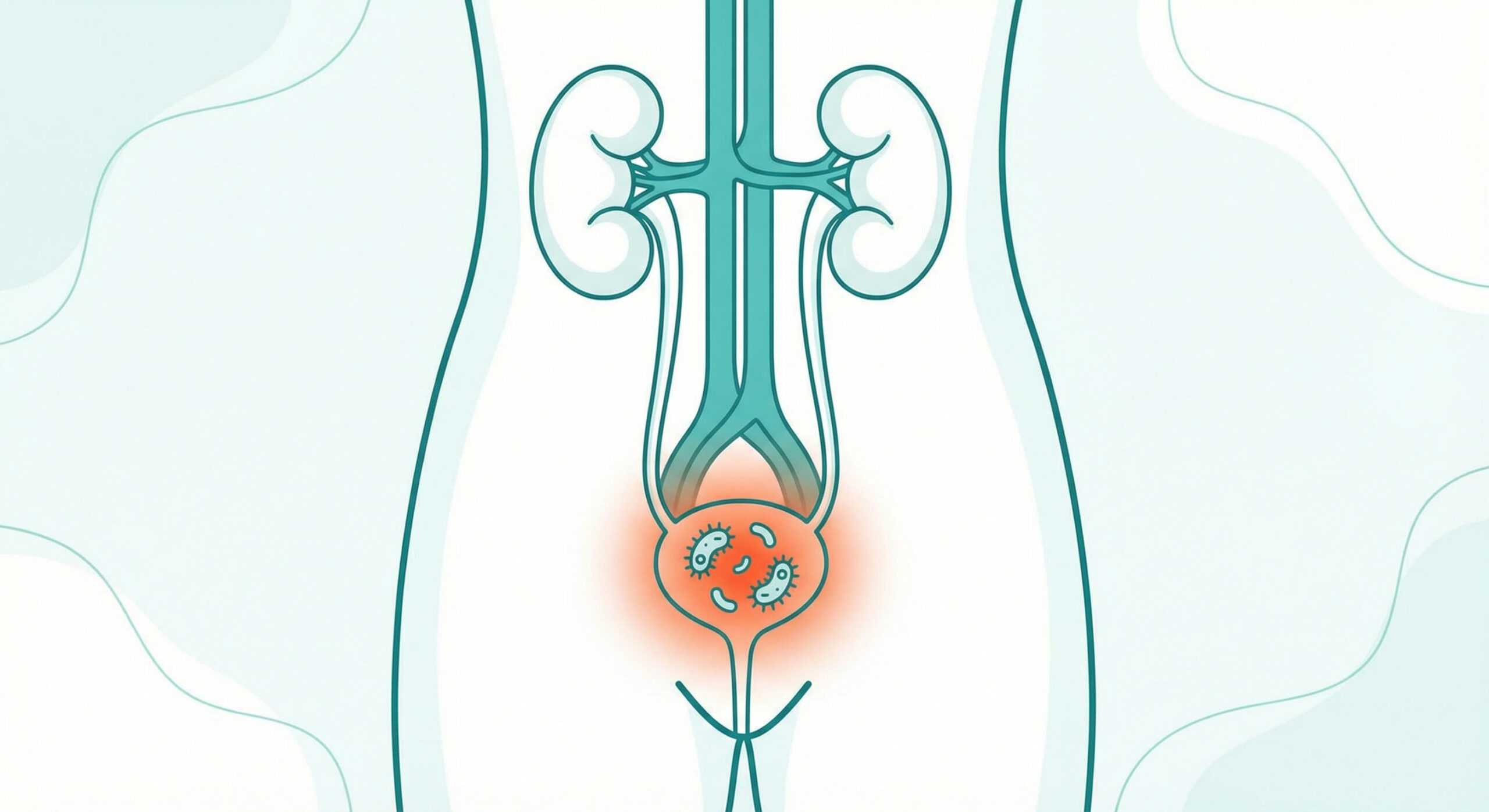
What Is a Urinary Tract Infection (UTI)?
A urinary tract infection is a bacterial infection that affects any part of the urinary system — including the kidneys, ureters, bladder, and urethra. According to the Mayo Clinic, most UTIs involve the lower urinary tract — specifically the bladder and urethra. When the infection is limited to the bladder, it is called cystitis. When it spreads to the kidneys, it becomes a more serious condition called pyelonephritis.
UTIs are extremely common. Women are significantly more likely to develop them due to a shorter urethra, which makes it easier for bacteria to reach the bladder. However, men, children, and older adults can also develop UTIs. The most common cause is Escherichia coli (E. coli) bacteria, which normally lives in the digestive tract but can enter the urinary system through the urethra.
Urgent Care for a UTI: Common Symptoms to Watch For
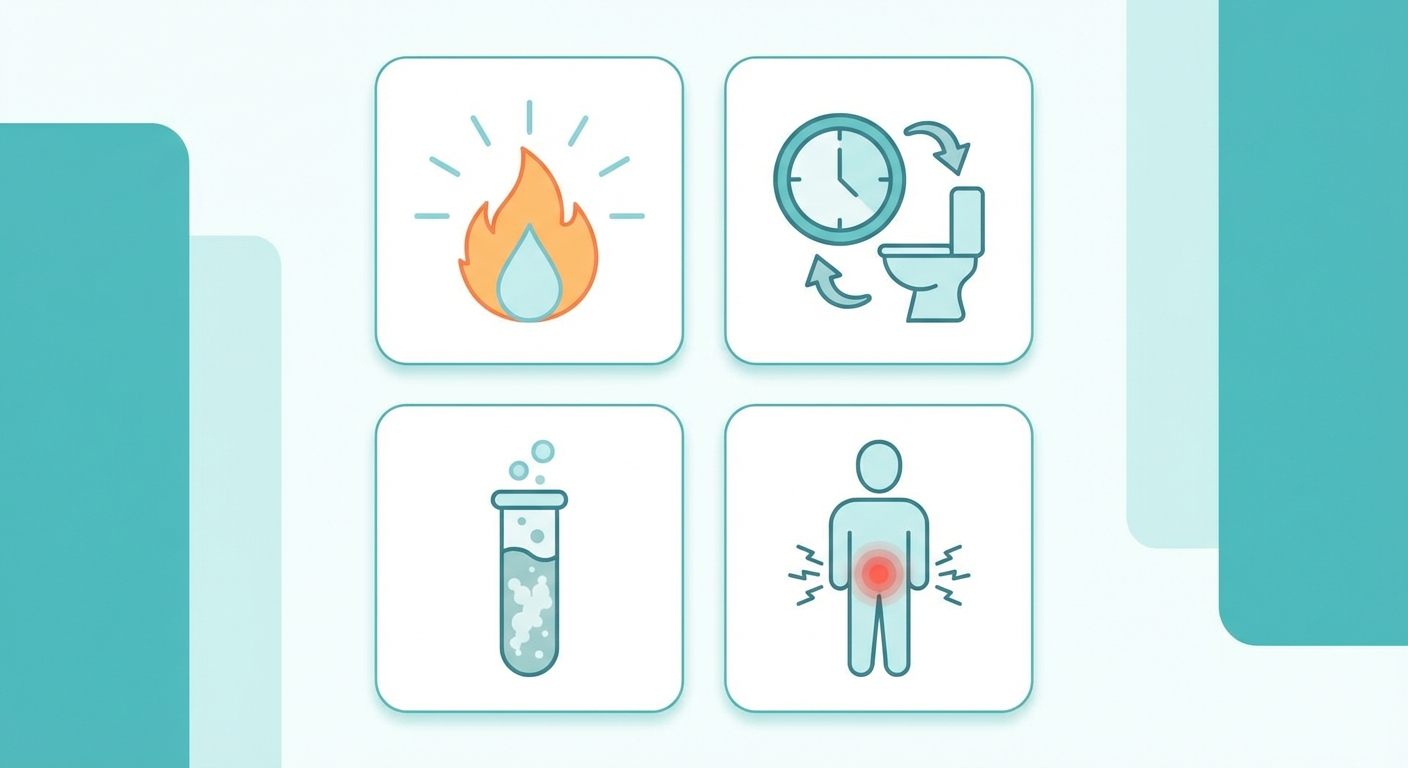
Recognizing UTI symptoms early helps you seek treatment before the infection spreads. The most common signs of a UTI include:
- A burning or stinging sensation when urinating — the hallmark symptom
- A frequent, urgent need to urinate — even when your bladder is nearly empty
- Passing only small amounts of urine despite feeling a strong urge
- Cloudy, dark, or strong-smelling urine
- Urine that appears pink, red, or cola-colored — a sign of blood in the urine
- Pelvic pressure or pain — particularly in the center of the pelvis and around the pubic bone
- Fatigue or a general feeling of being unwell
In older adults, UTI symptoms may present differently. Confusion, agitation, or sudden changes in behavior are sometimes the only signs of a UTI in elderly patients. If you notice these changes in an older family member, seek medical evaluation promptly.
When Should You Go to Urgent Care for a UTI?
Not every UTI requires a trip to the emergency room, but most UTIs do need prompt medical attention. Antibiotics are the only way to clear a UTI — drinking water and cranberry juice alone will not treat an active infection. Therefore, seeing a provider quickly matters.
You should visit urgent care for a UTI if you experience:
- Burning, pain, or discomfort when urinating
- Frequent urges to urinate that do not go away
- Cloudy, pink, or foul-smelling urine
- Pelvic pain or pressure
- Symptoms that came on suddenly or are getting worse
- A previous history of UTIs and recognizable symptoms
Urgent care is the right choice for most UTIs because it offers same-day appointments, on-site urine testing, and the ability to prescribe antibiotics in a single visit. Furthermore, urgent care is typically faster and more affordable than going to an emergency room for a non-emergency condition like a straightforward UTI.
When to Go to the Emergency Room Instead
Some UTIs require emergency care. Go to the ER immediately if you develop any of the following alongside your UTI symptoms:
- High fever (above 103°F / 39.4°C) with chills or shaking
- Severe back or side pain (which may indicate a kidney infection)
- Nausea and vomiting that prevent you from taking medication
- Confusion or disorientation (especially in older adults)
- Pregnancy with UTI symptoms
These symptoms suggest the infection may have spread to the kidneys — a condition called pyelonephritis — which requires more aggressive treatment and possibly intravenous antibiotics.
What to Expect During Your Urgent Care UTI Visit
Visiting CityHealth Urgent Care for a suspected UTI is straightforward. Here is what to expect at your urgent care UTI appointment:
Step 1: Check-In
You can walk in or check in online to save your spot. A medical assistant will collect your basic information, measure your vitals, and ask about your symptoms. Be ready to describe when symptoms started, how severe they are, and whether you have had UTIs in the past.
Step 2: Urinalysis
The provider will ask you to provide a clean-catch urine sample — a midstream sample collected after cleaning the genital area with an antiseptic wipe. The lab will analyze the sample for white blood cells (which indicate infection), red blood cells, and bacteria. Results from a urinalysis are typically available within 15 to 30 minutes.
Step 3: Diagnosis and Prescription
If the urinalysis confirms a UTI, your provider will prescribe an antibiotic. In some cases, a urine culture may also be collected. This test identifies the specific bacteria causing the infection and ensures the antibiotic prescribed will be effective. Culture results take 24 to 48 hours and may lead to a follow-up prescription adjustment if needed.
How Urgent Care Treats a UTI: Antibiotics and More
Because UTIs are bacterial infections, antibiotics are the primary treatment. According to the Mayo Clinic, commonly prescribed antibiotics for uncomplicated UTIs include:
- Trimethoprim/sulfamethoxazole (Bactrim) — a first-line option for many UTIs
- Nitrofurantoin (Macrobid) — highly effective for bladder infections
- Fosfomycin — a single-dose option for uncomplicated UTIs
- Cephalexin — often used when other antibiotics are not appropriate
Most patients feel noticeably better within 24 to 48 hours of starting antibiotics. However, it is critical to complete the full course of treatment — even if symptoms resolve early. Stopping antibiotics prematurely can allow bacteria to survive, leading to a recurring infection that may be harder to treat. Moreover, incomplete antibiotic courses contribute to antibiotic resistance.
In addition to antibiotics, your provider may suggest over-the-counter phenazopyridine (AZO), a urinary analgesic that numbs the lining of the urinary tract to ease burning and discomfort. It is important to note that phenazopyridine treats symptoms only — it does not treat the infection itself. It will also turn your urine bright orange or red, which is normal and not a cause for alarm.
Home Care Tips While You Recover From a UTI
Alongside antibiotic treatment, these home remedies can help relieve symptoms and support your recovery:
- Drink plenty of water — aim for at least 8 glasses per day to help flush bacteria from your urinary tract
- Avoid caffeine, alcohol, and citrus juices — these can irritate the bladder and worsen burning
- Apply a heating pad on your lower abdomen to relieve pelvic pain and pressure
- Take over-the-counter pain relievers like ibuprofen or acetaminophen for discomfort
- Rest — your body needs energy to fight the infection
- Wipe front to back after using the bathroom to prevent bacteria from spreading
Cranberry products (juice or supplements) are often mentioned as a UTI remedy. However, evidence for their effectiveness in treating an active UTI is limited. Cranberry products may help prevent recurrent UTIs in some people, but they should never replace antibiotics for an active infection.
UTI Won’t Wait
CityHealth San Leandro offers same-day UTI diagnosis and antibiotic treatment — walk-in or book online. On-site urinalysis, results in minutes.
How to Prevent UTIs From Coming Back
If you experience frequent UTIs, prevention strategies can significantly reduce your risk. Here are evidence-based steps that help:
- Stay well hydrated — drinking water dilutes urine and encourages frequent urination, which flushes bacteria out before they can take hold
- Urinate after sexual activity — this helps eliminate bacteria that may have entered the urethra
- Wipe front to back after urinating and after bowel movements
- Avoid holding urine for long periods — urinate when you feel the urge
- Wear breathable, cotton underwear — synthetic fabrics can trap moisture and encourage bacterial growth
- Avoid harsh soaps, douches, or sprays in the genital area — these disrupt the natural bacterial balance
- Consider a probiotic — emerging research suggests certain strains may support urinary health
Additionally, women who use diaphragms or spermicide-coated condoms may be at higher risk for UTIs. If you experience recurrent infections, talk to your provider about alternative contraception options.
Get Fast UTI Treatment at CityHealth Urgent Care
You should not have to suffer through a UTI while waiting days for a primary care appointment. At CityHealth Urgent Care in Oakland (Montclair Village) and San Leandro, we offer same-day UTI diagnosis and treatment — walk-ins welcome, seven days a week.
Our on-site lab processes urine samples quickly, so you can get your diagnosis and prescription in a single visit. We also offer virtual urgent care for UTI consultations — ideal if you have had a UTI before and recognize your symptoms. A provider can assess your situation and send a prescription to your pharmacy without you having to leave home.
Whether you walk in or connect virtually, CityHealth is here to help you feel better fast. No appointment needed. No long waits. Just fast, effective care.
This article is for informational purposes only and does not constitute medical advice. Always consult a qualified healthcare provider for diagnosis and treatment of medical conditions.
Ready to be seen? Book your appointment at CityHealth online, or walk in to our Oakland or San Leandro location — no appointment required, though booking online gets you seen faster.
Need same-day care?
CityHealth San Leandro offers walk-in urgent care 7 days a week with on-site lab and X-ray. Book an appointment online or visit our San Leandro clinic.
See our complete guide: what can urgent care treat.