
Back pain is one of the most common reasons people visit urgent care — and for good reason. While most back pain resolves with rest and over-the-counter medication, some cases need professional evaluation right away. Understanding when to seek urgent care for back pain can help you avoid complications and get the right treatment faster.
In this guide, we explain the most common causes of back pain, the warning signs that require immediate care, and what to expect when you visit CityHealth for back pain treatment.
Common Causes of Acute Back Pain
Back pain can stem from dozens of causes, but the most common are musculoskeletal — meaning they involve muscles, ligaments, and joints rather than the spine’s internal structures.
The most frequent causes of back pain include:
- Muscle strain or sprain — Sudden movements, lifting heavy objects, or awkward positions can overstretch muscles and ligaments in the back. This is the most common cause of acute back pain.
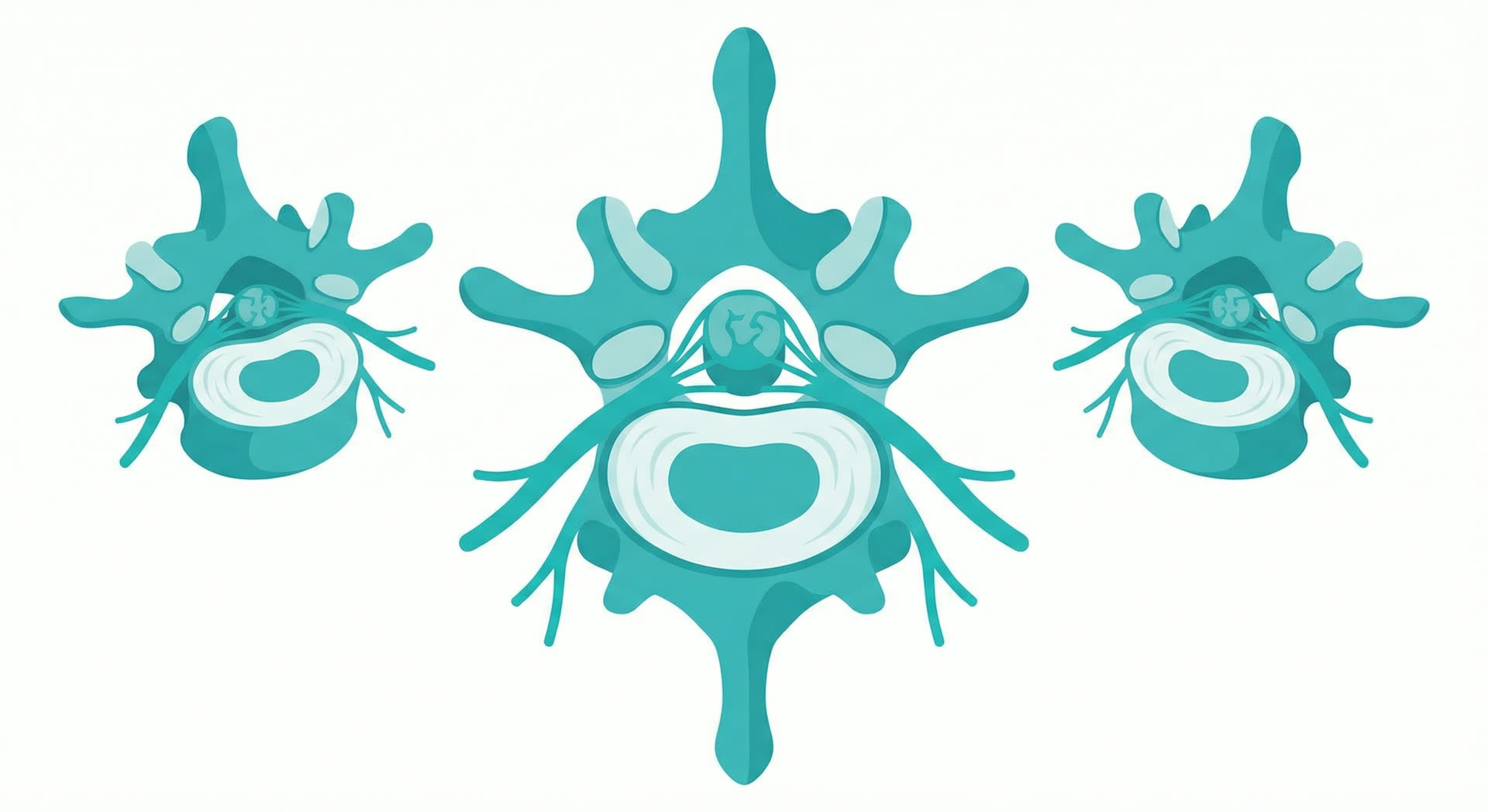
- Herniated disc — The soft cushions between spinal vertebrae can bulge or rupture, pressing on nearby nerves and causing pain, numbness, or shooting sensations down the legs.
- Sciatica — Compression of the sciatic nerve causes pain that radiates from the lower back through the buttocks and down one or both legs.
- Osteoarthritis — Breakdown of cartilage in the spinal joints, common in adults over 50.
- Kidney stones or kidney infection — These can cause intense flank or lower back pain and require medical evaluation to distinguish from musculoskeletal causes.
According to the National Institute of Arthritis and Musculoskeletal and Skin Diseases, low back pain is the leading cause of disability worldwide and affects approximately 80% of adults at some point in their lives.
When Should You Go to Urgent Care for Back Pain?
Most mild to moderate back pain improves within a few days with rest, ice, and anti-inflammatory medications. However, certain symptoms suggest you need urgent care for back pain promptly.
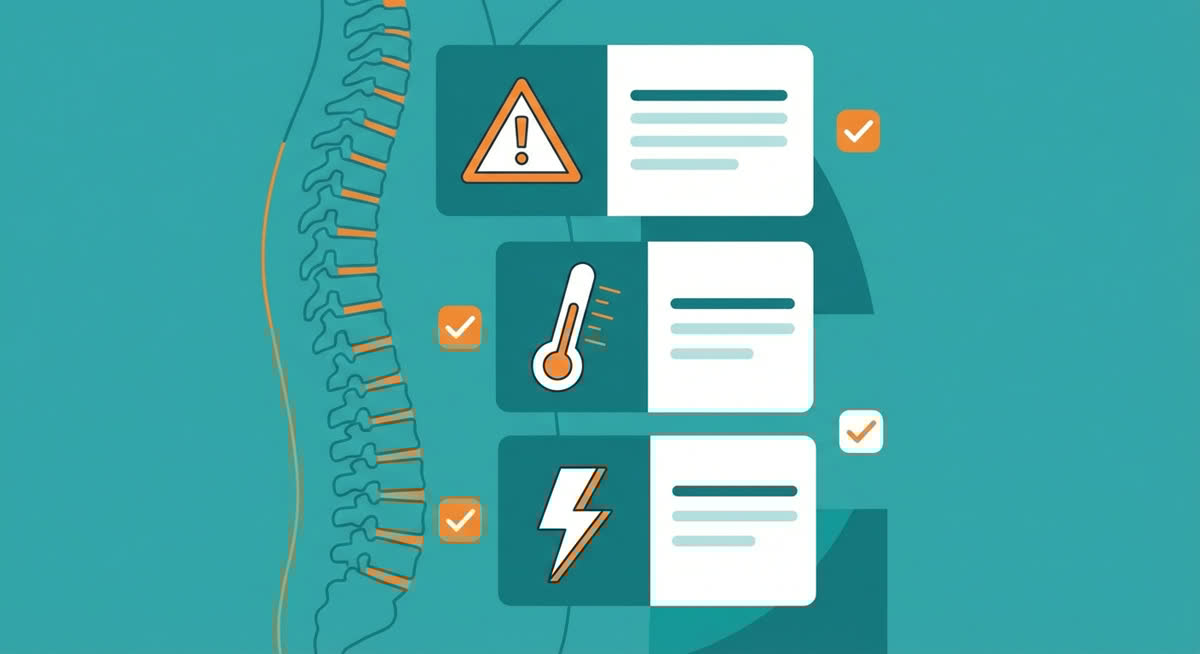
Visit urgent care if your back pain is accompanied by:
- Pain following an injury — such as a fall, car accident, or heavy lifting
- Pain that is severe and doesn’t improve with rest or OTC medication
- Pain that radiates down one or both legs — particularly below the knee, which may indicate nerve compression
- Numbness or tingling in the legs or feet
- Fever combined with back pain — which may indicate a spinal or kidney infection
- Difficulty urinating alongside back pain — possible kidney issue
- Back pain that worsens when lying down
- Back pain with unexplained weight loss
At CityHealth Urgent Care in Oakland and San Leandro, we can evaluate acute back pain, perform X-rays, and prescribe appropriate medication — all during a same-day visit.
When Back Pain Is a Medical Emergency
Certain back pain symptoms are medical emergencies requiring the ER, not urgent care. Go to the emergency room immediately if you experience:
- Loss of bladder or bowel control combined with back pain — this may indicate cauda equina syndrome, a serious nerve compression emergency
- Sudden leg weakness or paralysis
- Severe back pain following a serious accident or trauma
- Numbness in the groin or inner thigh area (saddle anesthesia)
These symptoms are rare, but they require immediate emergency evaluation. Don’t wait — call 911 or go to the nearest ER.
Diagnosing Back Pain at Urgent Care
When you visit CityHealth for urgent care for back pain, your provider will take a thorough history and physical exam. They’ll ask about the onset of your pain, what makes it better or worse, and whether you have any of the red flag symptoms described above.
Depending on your presentation, your visit may include:
- X-rays — to rule out fractures, especially after a fall or accident (available on-site at CityHealth)
- Urinalysis — to check for kidney infections or kidney stones when flank pain is involved
- Neurological examination — testing reflexes, sensation, and strength to assess for nerve involvement
Back Pain Treatment Options
Treatment for back pain at urgent care depends on the underlying cause and severity. Common treatment approaches include:
- NSAIDs (ibuprofen, naproxen) — Reduce inflammation and pain. These are typically the first-line recommendation for musculoskeletal back pain.
- Muscle relaxants — May be prescribed for severe muscle spasms that don’t respond to NSAIDs alone.
- Ice and heat therapy — Ice reduces acute inflammation in the first 48-72 hours; heat helps relax muscles afterward.
- Activity modification — Short periods of rest are helpful, but prolonged bed rest actually delays recovery.
- Physical therapy referral — For persistent or recurring back pain, physical therapy builds core strength and improves posture.
- Antibiotics — Prescribed when back pain is caused by a kidney or spinal infection.
Preventing Back Pain
Many cases of back pain are preventable with good habits. Specifically:
- Maintain good posture — Sit and stand tall, with shoulders back and spine neutral. Avoid prolonged slouching.
- Lift correctly — Bend at the knees, not the waist. Hold objects close to your body. Don’t twist while lifting.
- Strengthen your core — Exercises that build abdominal and back muscle strength provide better spinal support.
- Maintain a healthy weight — Excess weight increases mechanical stress on the lower back and spine.
- Invest in an ergonomic workspace — Adjust monitor height, chair height, and keyboard position to reduce strain.
Get Same-Day Back Pain Care at CityHealth
If you’re dealing with back pain that’s limiting your daily life, urgent care for back pain at CityHealth is a smart, efficient option. We offer on-site X-rays, comprehensive evaluation, and same-day treatment at our Oakland and San Leandro locations — without the ER wait times or costs.
Don’t let back pain slow you down. Book your urgent care appointment online or walk in to either CityHealth location today. Our team is ready to help you get back to feeling your best.
our Oakland and San Leandro locations are open 7 days a week | check our insurance and pricing page.


