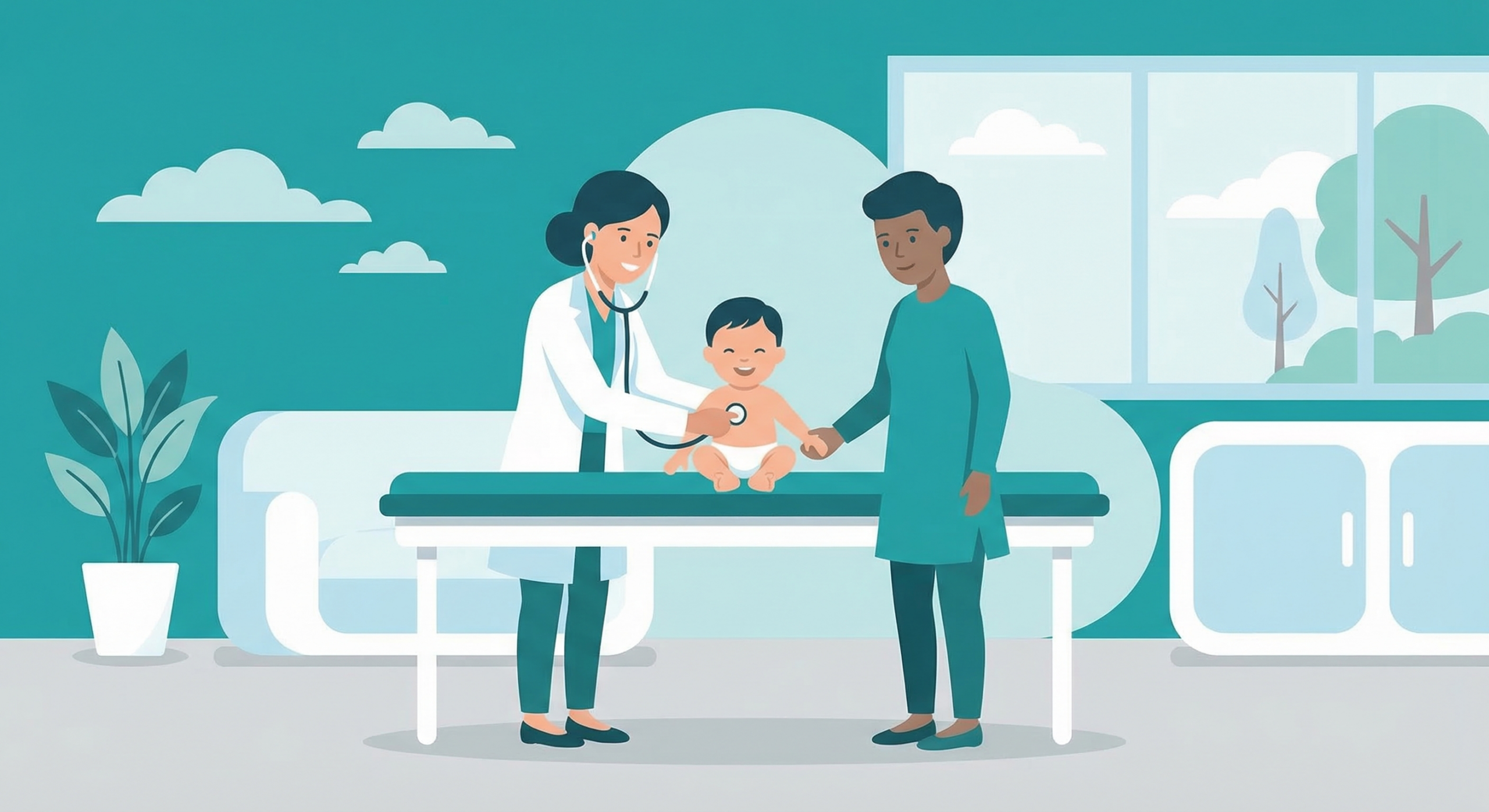
Dehydration is one of the most common reasons people visit urgent care — and it can escalate quickly from mild discomfort to a genuine medical emergency. Whether it’s caused by a stomach virus, intense exercise, heat exposure, or illness, understanding when to treat dehydration at home versus when to head to urgent care for dehydration can make a significant difference in recovery. This guide walks you through the signs, severity levels, and treatment options available at CityHealth Urgent Care. Learn more about Urgent Care for Nausea and Vomiting at CityHealth.
What Is Dehydration and Why Does It Happen?
Dehydration occurs when your body loses more fluid than it takes in, disrupting normal physiological functions. Water is essential for nearly every bodily process — from regulating temperature and blood pressure to delivering nutrients and removing waste. When fluid levels drop too low, these systems begin to fail.
Common causes of dehydration include:
- Vomiting and diarrhea — gastrointestinal illness is one of the most rapid causes of fluid loss
- Fever — increases fluid loss through sweating and increased metabolic rate
- Excessive sweating — from exercise, heat, or hot weather
- Insufficient fluid intake — not drinking enough water throughout the day
- Frequent urination — caused by diuretics, alcohol, or uncontrolled diabetes
- Burns — large burns cause significant fluid loss through the skin
Recognizing the Signs and Symptoms of Dehydration
Dehydration exists on a spectrum from mild to severe. Recognizing the signs early allows for prompt intervention before the situation becomes dangerous.
Need same-day care?
CityHealth San Leandro treats dehydration, including IV fluid therapy. Walk-in or book online — no long ER wait.
Book Online →
Mild Dehydration
- Thirst
- Dry mouth and lips
- Darker-than-usual urine (yellow to amber)
- Decreased urination frequency
- Slight fatigue or headache
Moderate Dehydration
- Very dark or orange-colored urine
- Dizziness or lightheadedness, especially when standing
- Significant fatigue and weakness
- Dry skin that doesn’t snap back quickly when pinched
- Muscle cramps
- Nausea
- Sunken eyes
Severe Dehydration — Seek Care Immediately
- No urination for 8+ hours, or urine is very dark brown
- Rapid heartbeat (palpitations)
- Rapid breathing
- Confusion, disorientation, or extreme irritability
- Inability to keep fluids down due to persistent vomiting
- Fainting or loss of consciousness
- Sunken fontanelle (soft spot) in infants
- Dry, cool, or mottled skin
When Dehydration Becomes an Emergency
Mild dehydration can generally be managed at home with oral fluids. But urgent care for dehydration is warranted when symptoms become moderate-to-severe, when oral rehydration has failed, or when the dehydration is accompanied by other concerning symptoms.
Go to urgent care — or call 911 — if you or someone you’re with experiences:
- Confusion or altered mental status
- Inability to keep any fluids down after repeated attempts
- Signs of shock (rapid weak pulse, pale/clammy skin, faintness)
- Fever above 103°F (39.4°C)
- Signs of severe dehydration in an infant or elderly person
- Dehydration caused by unknown illness (e.g., could be diabetic ketoacidosis)
- Chest pain, difficulty breathing, or irregular heartbeat alongside dehydration
For life-threatening signs such as loss of consciousness, seizures, or suspected shock — go to the emergency room or call 911.
For same-day treatment, visit urgent care in San Leandro at CityHealth — walk-ins welcome 7 days a week.
IV Fluids at Urgent Care: What to Expect
One of the most effective treatments for moderate-to-severe dehydration is intravenous (IV) fluid therapy. CityHealth Urgent Care offers IV fluid administration for dehydration — a treatment that rehydrates far more efficiently than drinking fluids when your body is struggling to absorb oral intake.
Here’s what the process looks like at urgent care:
- Assessment: A provider evaluates your vital signs, mental status, and urine output to determine the severity of dehydration.
- Lab work (if needed): Blood tests may check electrolytes (sodium, potassium), kidney function (BUN, creatinine), and blood sugar.
- IV placement: A small needle is placed in a vein, typically in the arm or hand.
- Fluid infusion: Normal saline (0.9% sodium chloride) or lactated Ringer’s solution is administered, often with added electrolytes or dextrose if indicated.
- Monitoring: Vital signs and symptoms are monitored throughout the infusion.
- Duration: A typical urgent care IV fluid session lasts 1–2 hours depending on severity.
Most patients feel significantly better after IV rehydration — the improvement in energy, headache, nausea, and dizziness can be dramatic and rapid.
Urgent Care vs. Home Treatment for Dehydration
Not all dehydration requires a medical visit. Here’s how to decide between treating at home versus seeking urgent care dehydration treatment:
Treat at Home When:
- Symptoms are mild — thirst, slightly dark urine, minor fatigue
- You can keep fluids down (water, sports drinks, oral rehydration solutions like Pedialyte)
- Dehydration is caused by exercise or heat and you feel improving with rest and fluids
- No high fever, confusion, or other alarming symptoms
At home, drink water or oral rehydration solutions slowly and steadily. Avoid alcohol, excessive caffeine, and sugary juices. If due to vomiting, try sipping small amounts of clear liquid every 5–10 minutes.
Go to Urgent Care When:
- Symptoms are moderate-to-severe or worsening despite oral fluids
- You can’t keep fluids down due to vomiting or nausea
- You’ve had diarrhea or vomiting for more than 24 hours
- You’re elderly, have a chronic illness (diabetes, kidney disease, heart disease), or are pregnant
- A child under 1 year old is showing signs of dehydration
- You have confusion, severe dizziness, or palpitations
Dehydration in Special Populations
Certain groups are at higher risk for serious complications from dehydration and should seek medical care sooner:
Infants and Young Children
Children have a higher surface area-to-volume ratio and can dehydrate faster than adults. Warning signs include: no wet diaper for 6–8 hours, no tears when crying, sunken soft spot (fontanelle), dry mouth, and unusual lethargy or irritability. Any moderate dehydration in a child under 1 year should be evaluated medically.
Elderly Adults
Older adults have a diminished thirst response and may not recognize they’re becoming dehydrated. They’re also more likely to take medications (diuretics, blood pressure drugs) that increase fluid loss. Confusion or sudden behavioral changes in an elderly person can be the first sign of serious dehydration.
People with Diabetes
High blood sugar causes the kidneys to excrete excess glucose in urine, carrying large amounts of water with it. Dehydration in a diabetic patient — especially with nausea, vomiting, or mental status changes — requires urgent evaluation to rule out diabetic ketoacidosis (DKA), a life-threatening condition.
Book Same-Day Care at CityHealth
CityHealth San Leandro — open 7 days a week. Walk-ins welcome, most insurance accepted. On-site lab and X-ray.
Preventing Dehydration
The best treatment is prevention. General fluid intake guidelines from the Mayo Clinic recommend approximately 3.7 liters (125 oz) of total water per day for men and 2.7 liters (91 oz) for women from all food and beverage sources. Increase intake during illness, exercise, hot weather, and pregnancy.
- Drink water consistently throughout the day — don’t wait until you’re thirsty
- Increase fluid intake when exercising or sweating heavily
- Consume electrolyte drinks during prolonged exercise or illness
- Eat water-rich foods: watermelon, cucumber, soups, broths
- Limit alcohol and caffeinated beverages, which have mild diuretic effects
Get Dehydration Treatment at CityHealth Urgent Care
CityHealth has two urgent care locations — Montclair Village (Oakland) and San Leandro — with walk-in availability and same-day appointments. Our providers can evaluate dehydration severity, administer IV fluids, run necessary lab work, and address any underlying cause (stomach virus, food poisoning, heat illness, etc.).
Don’t wait until dehydration becomes severe. Book your appointment at CityHealth online, or walk in at either location. We see patients quickly — no ER wait times required.
Sources: Mayo Clinic — Dehydration | National Institutes of Health — Dehydration Treatment