
Telehealth dermatology lets you see a skin doctor from home. You do not need to drive to a clinic or wait weeks for a visit. Instead, you can talk to a board-certified skin doctor the same day. All you need is a phone or computer. In this guide, we explain how telehealth dermatology works. We also cover what skin issues it treats best. Finally, we explain when you still need to visit in person.
What Is Telehealth Dermatology?
Telehealth dermatology uses technology to deliver skin care visits remotely. It is also called teledermatology. There are two main formats.
Live video visits: You meet with a skin doctor in real time over video. Essentially, this is like an office visit from your couch. The doctor can look at your skin through your camera. You can ask questions and get answers right away. Plus, you save time on travel.
Store-and-forward visits: You send in clear photos of your skin concern. You also add a short note about your symptoms. Then the doctor reviews it all and sends back a plan. Usually, this takes 24 to 48 hours. This method works well for issues that are not urgent.
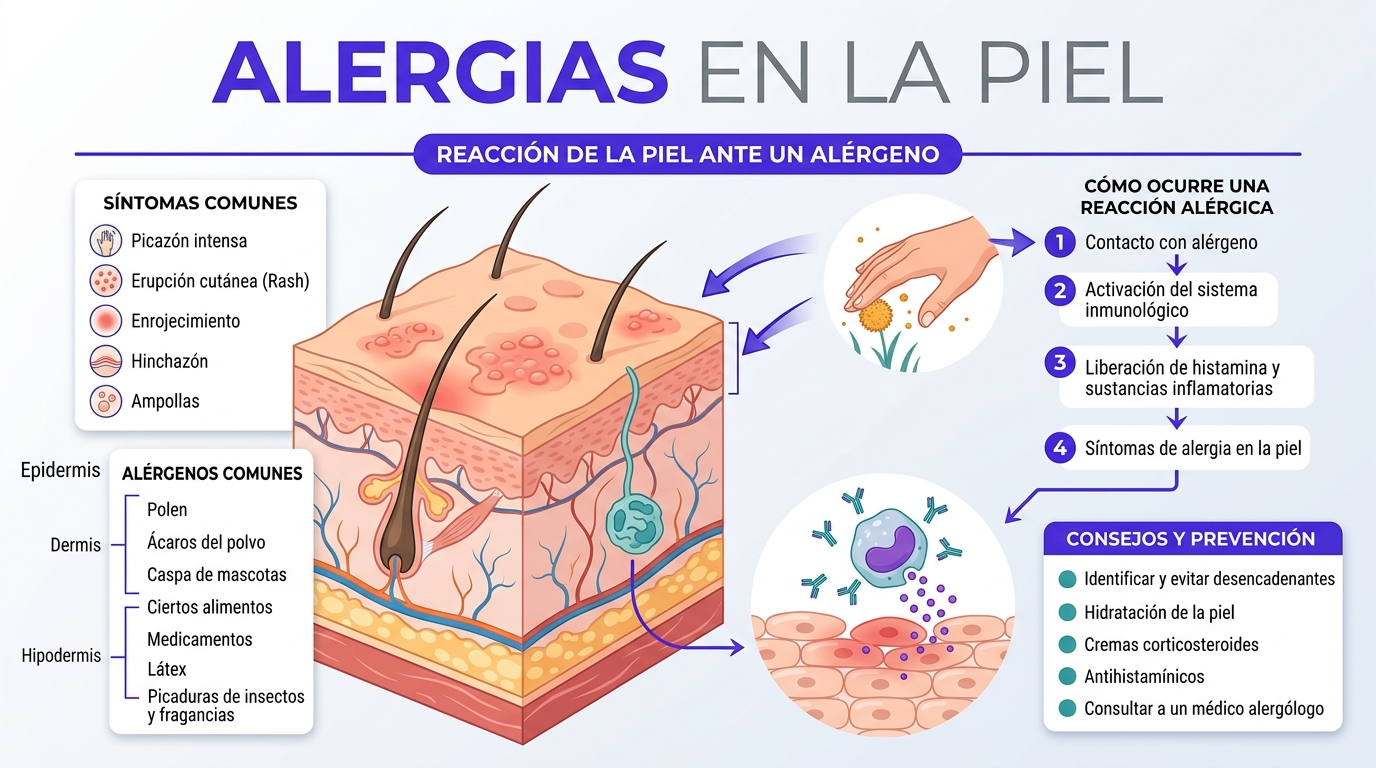
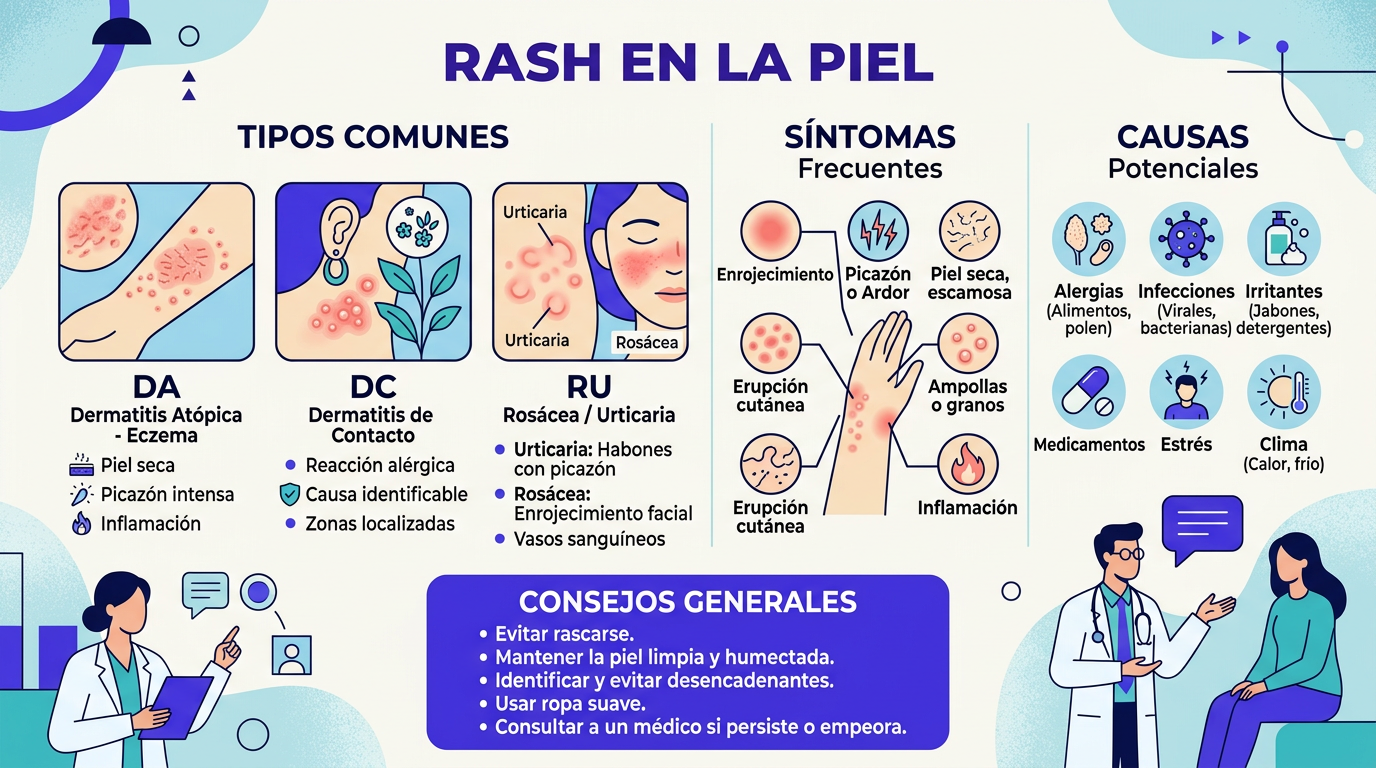
Indeed, both formats have strong evidence behind them. For example, a review in JAMA found that teledermatology is highly accurate. Specifically, it works well for common issues like acne, eczema, psoriasis, and rosacea. Overall, most patients get the same quality of care as an in-person visit.
Key Benefits of Telehealth Dermatology
Faster Access and More Convenience
The average wait to see a skin doctor in the U.S. is over 30 days. However, telehealth cuts that wait by a lot. At CityHealth, virtual visits are open on short notice. As a result, you can address a new skin concern the same week.
Additionally, telehealth is great for busy patients in Oakland and San Leandro. Since you do not need to go to the office, you can skip taking time off work. This is especially helpful for routine follow-ups. It also works well for simple prescription renewals.
Less Stress and More Comfort
Some patients feel uneasy talking about skin issues in a clinic. For instance, concerns like acne, hair loss, or rashes in private areas can be hard to discuss face to face. However, speaking from home often leads to more open talks. Because patients feel more at ease, they tend to share more details. As a result, the doctor can make a better diagnosis and build a stronger treatment plan.
Ongoing Care for Long-Term Conditions
Skin conditions like psoriasis, eczema, rosacea, and chronic acne need ongoing care. Furthermore, these issues often flare up without warning. Telehealth makes it easy to check in with your provider often. You can talk about how a treatment is working. You can also adjust your meds quickly. In fact, you can handle flare-ups without booking an office visit each time. Ultimately, this leads to better long-term results.
Better Access for Patients with Limited Mobility
Some patients have chronic pain or mobility issues. Others have weak immune systems and should limit clinic exposure. Similarly, elderly patients who depend on family for rides benefit greatly. Essentially, what would take a full day of coordinating transport becomes a short video call from home. Because of this, telehealth helps remove barriers to skin care for many people.
Skin Conditions That Work Well with Telehealth Dermatology
Of course, not every condition can be diagnosed remotely. However, many common skin concerns work well with a virtual visit. Here are some examples:
- Acne — Doctors can diagnose and treat acne with creams, pills, or hormonal therapy. Clear photos help them assess the type and severity.
- Eczema — Flare management, prescription steroids, and trigger counseling all work well remotely.
- Psoriasis — Providers can monitor disease activity and adjust topical treatments. They can also discuss biologic options.
- Rosacea — Diagnosis and treatment with creams are easy to handle via video.
- Fungal skin infections — Ringworm and athlete’s foot are often easy to spot from photos. Doctors can prescribe treatment right away.
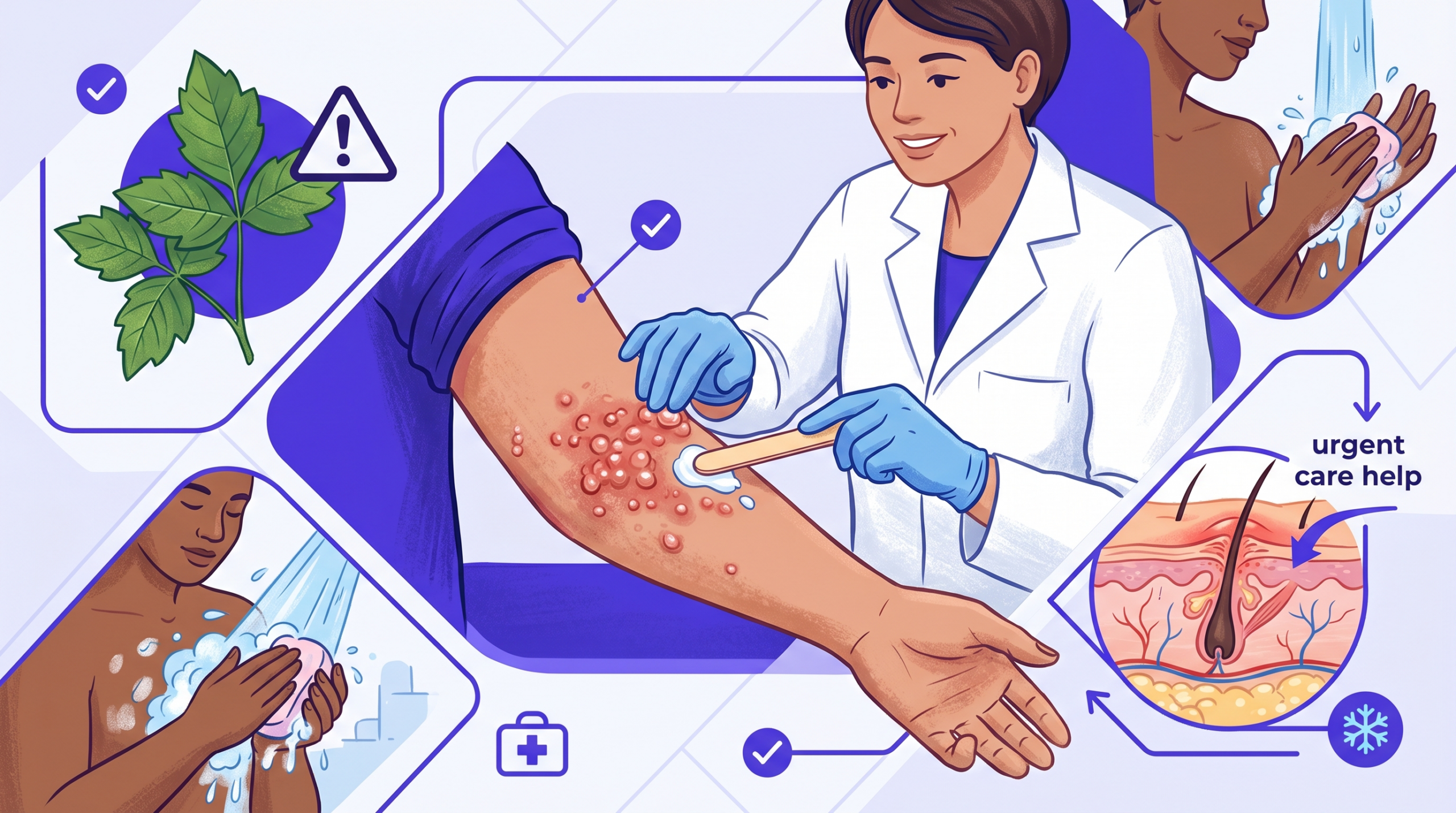
- Drug rashes — If you started a new medication and got a rash, a provider can look at photos. Then they can decide the next steps.
- Hair loss — A provider can review your health history and look at patterns from photos. Then they can discuss treatment options with you.
- Prescription renewals — For stable conditions, telehealth makes it simple to renew meds without an office visit.
When You Still Need an In-Person Visit
Although telehealth works well for many skin concerns, it cannot replace every service. Still, it is good to know when you need to go in. In-person visits are needed for:
- Skin biopsies — Any mole or growth that looks off and needs a tissue sample requires an office visit.
- Skin cancer screenings — Full-body skin exams are best done in person. The doctor can use tools and feel for changes.
- Procedures — Things like injections, peels, laser treatments, and skin tag removal cannot be done remotely.
- Severe or fast-changing conditions — Widespread rashes, rapid infections, or suspected skin cancer need immediate in-person evaluation.
- Children under 2 — Infant skin conditions often need in-person exams for accuracy.
How to Prepare for a Telehealth Dermatology Visit
To begin with, getting the most from your virtual visit takes a bit of planning. Here are some tips to help you get ready:
- Take clear photos ahead of time — Use natural lighting if you can. Take close-up shots and wider shots of the area. Also, avoid using filters on your camera.
- Have your medication list ready — Write down which creams and pills you use on your skin. Also list any other medications you take.
- Note your timeline — When did the issue start? Has it changed? What makes it better or worse?
- Check your tech — Make sure your camera, microphone, and internet work before the visit. Use a well-lit room.
- Be ready for a follow-up — Your doctor may ask you to come in for a biopsy or procedure. This happens if something in your photos needs a closer look.
Telehealth Dermatology at CityHealth Oakland
CityHealth offers virtual care visits for skin concerns and urgent care needs. Our doctors can diagnose and treat many skin conditions remotely. They can also write prescriptions. Furthermore, they can set up any needed in-person follow-up at our Montclair Village dermatology clinic in Oakland. In short, you get full skin care support from one team.
Whether you are managing a long-term skin condition, dealing with a new rash, or need a prescription renewed, virtual care makes it simple. So why wait? Book a telehealth visit online today. Same-day slots are often open. Also, no insurance is required for telehealth visits. Self-pay pricing is clear and affordable.
Sources: JAMA Dermatology | American Academy of Dermatology: Telemedicine | HHS.gov Telehealth
Book a telehealth visit today
CityHealth offers virtual care for skin concerns — same-day appointments often available. Book online or learn more about CityHealth virtual care. In-person visits available in Oakland (Montclair Village) and San Leandro.
Need care today? CityHealth offers walk-in urgent care in San Leandro — no appointment needed. Open 7 days a week. Call (510) 984-2489 or book online.