Choosing between a rapid antigen test and a PCR test can feel confusing, especially when you need answers fast. Both options detect infections, but they work differently and suit different situations. In this guide, we break down how at-home antigen testing works, when to use it, how accurate the results are, and how the two methods compare. Whether you are testing at home or visiting a clinic, this article will help you pick the right test for your needs.
What Is a Rapid Antigen Test?
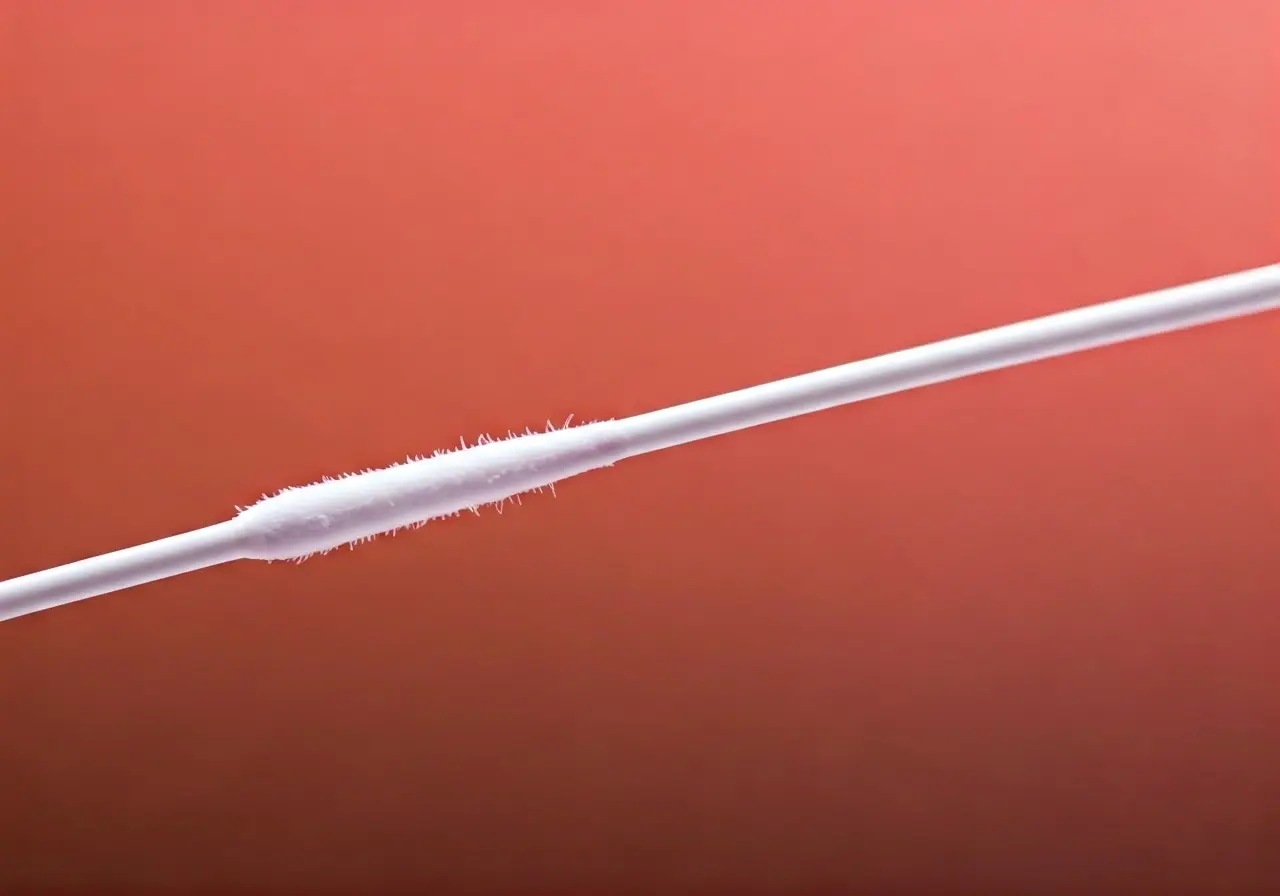
Essentially, a rapid antigen test is a quick screening tool that detects specific proteins on the surface of a virus. Unlike PCR, which amplifies genetic material in a lab, this type of test looks for viral proteins directly. Because of this, it delivers results in about 15 minutes without any lab equipment.
For instance, most at-home test kits you find in stores use antigen-based technology. They typically require a nasal swab, and you apply the sample to a test strip. If viral proteins are present in large enough amounts, the strip shows a positive result. These kits are widely available for COVID-19, flu, and RSV.
How At-Home Antigen Tests Work
Understanding how these tests work can help you trust the results. Here is a simple breakdown of the process:
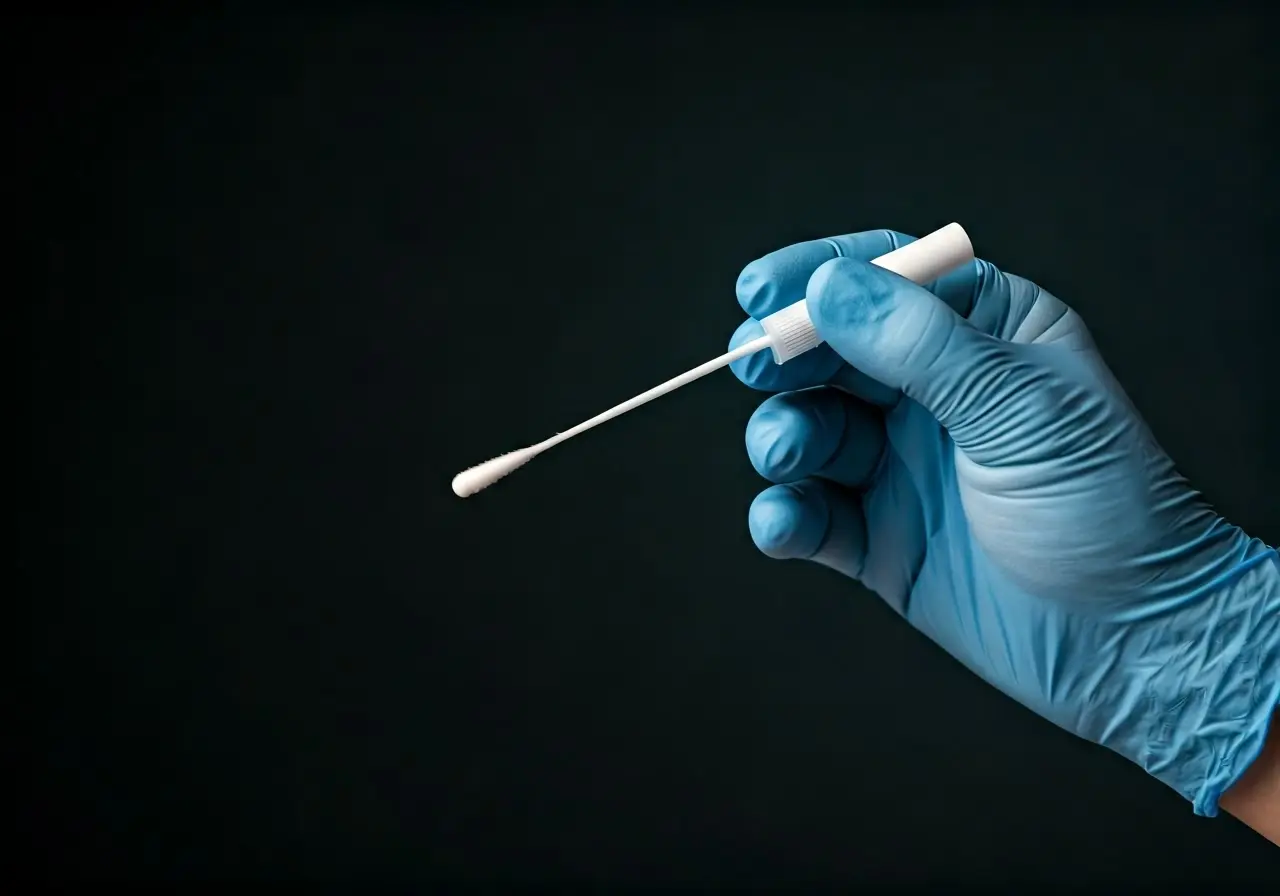
- Collect a sample. First, swab the inside of your nose, following the kit instructions carefully.
- Apply the sample. Then, place the swab into a liquid solution and add drops to the test strip.
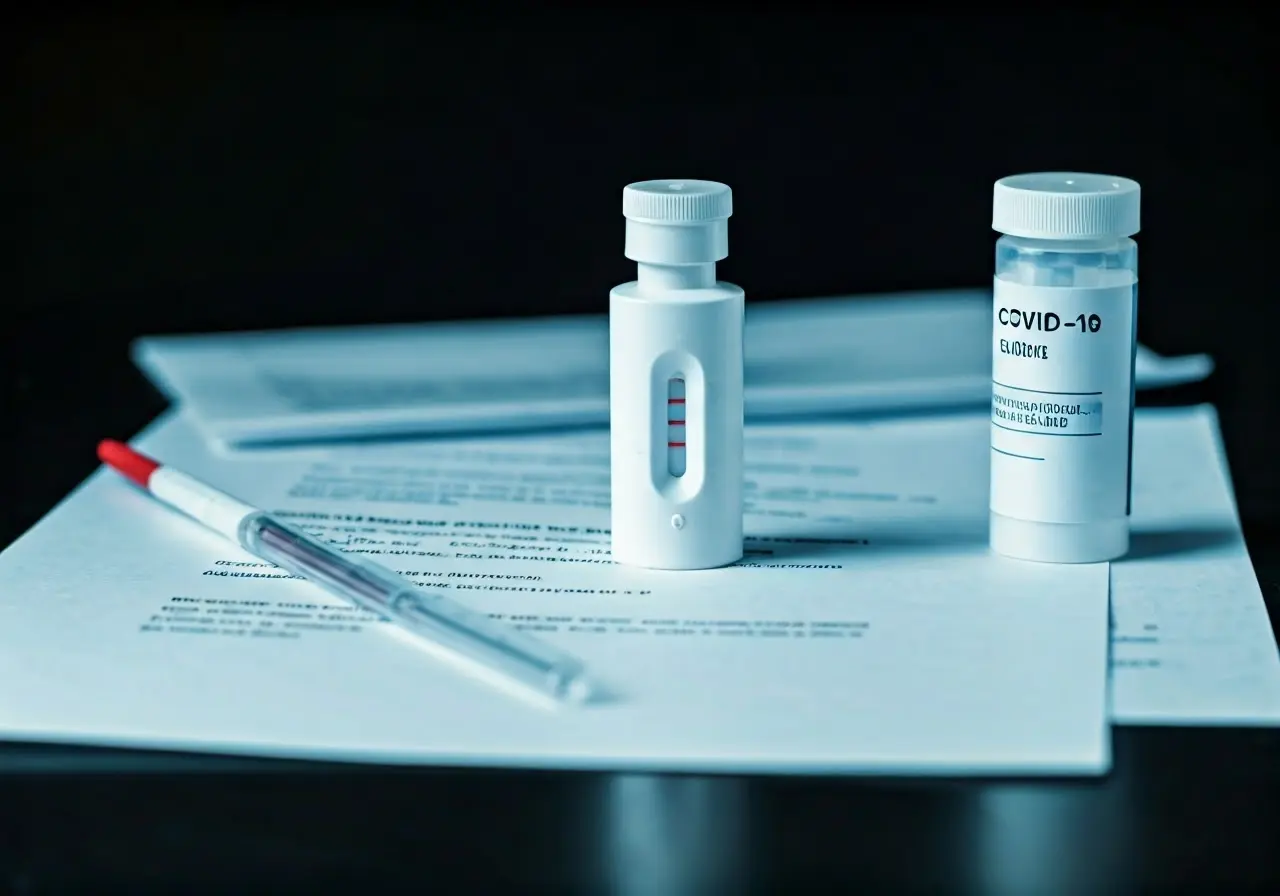
- Wait for results. Finally, within 15 minutes, lines appear on the strip. One line means negative, and two lines mean positive.
The test strip contains antibodies that bind to viral proteins. When enough viral particles are present, the antibodies trigger a visible line. As a result, these tests work best when you have a higher viral load, such as when you already have symptoms.
How PCR Tests Work
PCR stands for polymerase chain reaction. Essentially, this method amplifies tiny amounts of viral genetic material, making it highly sensitive. Even small traces of a virus can produce a positive result. However, PCR requires lab processing, and results may take 24 to 48 hours.
Because of their sensitivity, PCR tests are considered the gold standard for confirming an infection. They can detect a virus earlier in the course of illness, even before symptoms appear. On the other hand, this sensitivity means PCR can sometimes pick up leftover viral material after you are no longer contagious.
Rapid Antigen vs. PCR: Key Differences
To help you decide, here is a side-by-side comparison:
- Speed: An at-home antigen test gives results in 15 minutes, while PCR takes 24 to 48 hours.
- Sensitivity: PCR detects lower amounts of virus. In contrast, antigen-based tests need a higher viral load.
- Cost: At-home kits are affordable and widely available. PCR usually costs more and requires a lab or clinic visit.
- Best use: Use an antigen kit for quick screening when you have symptoms. Use PCR for confirmation or early detection after a known exposure.
In short, both tests have a place in your health toolkit. The best choice depends on your situation, timing, and what you need the result for.
When to Use a Rapid Antigen Test
Knowing when to test is just as important as knowing which test to use. Here are situations where a rapid antigen test makes the most sense:
- You have symptoms. If you feel sick with a cough, sore throat, or fever, an at-home antigen kit is a fast first step.
- Before a gathering. Similarly, testing before visiting elderly relatives or attending an event adds a layer of safety.
- After an exposure. However, wait at least 3 to 5 days after exposure for the most reliable result. Testing too early may produce a false negative.
- Repeat testing. If your first test is negative but you still feel unwell, test again 48 hours later. The FDA recommends serial testing to improve accuracy.
For greater certainty, especially after a known exposure with no symptoms yet, a PCR test is the better option. CityHealth offers lab testing services including same-day PCR for fast confirmation.
How Accurate Are Antigen Tests?
Naturally, accuracy is one of the most common concerns with at-home testing. So how reliable are these results?
In particular, studies show that antigen-based tests are most accurate when viral load is high, which usually happens 1 to 3 days after symptoms start. During this window, sensitivity can reach 80% to 90%. Before symptoms appear, sensitivity drops significantly. That is why timing and repeat testing matter so much.
According to the CDC, a positive antigen result is generally reliable. Nevertheless, a single negative result does not rule out infection. Consequently, the CDC advises repeat testing and following up with PCR if symptoms persist.
Above all, it is important to follow the kit instructions carefully. Dr. Barbara Kilian of CityHealth recommends: “Make sure you blow your nose before doing the test and place the swab far enough into your nose. Proper technique makes a big difference in accuracy.”
Proper Testing Tips for Better Results
To get the most reliable results from your at-home test, keep these tips in mind:
- Read all instructions first. Each brand may differ slightly, so check before you start.
- Check the expiration date. Expired tests may give inaccurate results.
- Blow your nose before swabbing to clear excess mucus.
- Swab deeply enough. A shallow swab may miss the virus entirely.
- Wait the full time. Above all, do not read the test before or after the recommended window.
Following these steps helps you avoid false negatives and get a clearer picture of your health status.
What to Do After Your Test
First, if your test is positive, isolate and contact your healthcare provider right away. CityHealth offers urgent care services with same-day visits and no appointment required. Antiviral treatments work best when started early, so do not delay.
Conversely, if your test is negative but you still have symptoms, test again in 48 hours or schedule a PCR test. Similarly, if you had a known exposure, a single negative result does not guarantee you are clear. Follow-up testing is always a smart move.
Frequently Asked Questions
How long does a rapid antigen test take?
Most at-home antigen kits deliver results within 15 minutes. As a result, they are ideal for quick screening before events or when symptoms first appear.
Can an at-home test detect the flu?
Yes. Several multi-pathogen kits now detect COVID-19, influenza A, influenza B, and RSV in a single test. Check the box label to confirm what your kit covers.
Are at-home test kits still free?
As of 2026, free distribution programs have largely ended. However, many insurance plans still cover the cost. You can also purchase test kits at most pharmacies for around $10 to $25. Additionally, CityHealth offers affordable testing options at our clinics.
Should I get a PCR test after a negative at-home result?
If you have symptoms or a known exposure and your home test is negative, a PCR test can provide more certainty. Indeed, PCR is more sensitive and can detect the virus earlier. Visit CityHealth’s lab testing page to learn more.
How accurate are at-home tests compared to PCR?
Antigen-based tests are less sensitive than PCR, especially before symptoms appear. Nevertheless, when used at the right time and with proper technique, they are a reliable screening tool. Furthermore, repeat testing improves accuracy significantly.

Need a test or feeling sick?
CityHealth serves Oakland (Montclair Village) and San Leandro with same-day visits and no appointment required. We offer antigen and PCR testing, flu testing, and urgent care for respiratory illness. Book online or walk in. Find a location near you | See all urgent care services.