
Quick Answer: Kidney Infection at Urgent Care
Kidney infections (pyelonephritis) require antibiotic treatment. CityHealth San Leandro can diagnose and treat mild-to-moderate kidney infections same day with urine culture, blood work, and oral antibiotics. If you have high fever (above 103°F), severe vomiting, or significant kidney pain, go to the ER.
A kidney infection — medically known as pyelonephritis — is a serious bacterial infection that occurs when bacteria travel up from the bladder into one or both kidneys. Unlike a bladder infection (cystitis), a kidney infection requires prompt treatment to prevent potentially life-threatening complications.
Kidney Infection Symptoms
Kidney infection symptoms overlap with UTI symptoms but include additional, more serious signs:
Symptoms Also Present with UTI
- Burning or pain with urination
- Frequent urge to urinate
- Cloudy or foul-smelling urine
- Blood in urine (hematuria)
Symptoms That Suggest Kidney Involvement
- Flank pain: Pain in the back or side, below the ribcage — the hallmark sign of kidney infection. May be on one or both sides.
- Fever (typically 100–104°F) — Often higher than with a simple bladder infection
- Chills and shaking
- Nausea and vomiting
- Fatigue and general illness
- Tender to touch on the back at the kidney area
If you have UTI symptoms plus fever, flank pain, or nausea/vomiting, you likely have a kidney infection (not just a bladder UTI) and need prompt evaluation.
What Causes Kidney Infections?
Most kidney infections are caused by bacteria (usually E. coli) traveling upward from the urethra → bladder → ureters → kidney. This is called an ascending infection. Risk factors include:
- Recent or untreated bladder UTI
- Female anatomy (shorter urethra)
- Pregnancy (enlarged uterus can block urine flow)
- Diabetes (impaired immune function)
- Kidney stones (blockage allows bacterial growth)
- Urinary tract obstruction (enlarged prostate, tumors)
- Urinary catheter use
- Weakened immune system
How Is a Kidney Infection Diagnosed?
At CityHealth San Leandro, diagnosis includes:
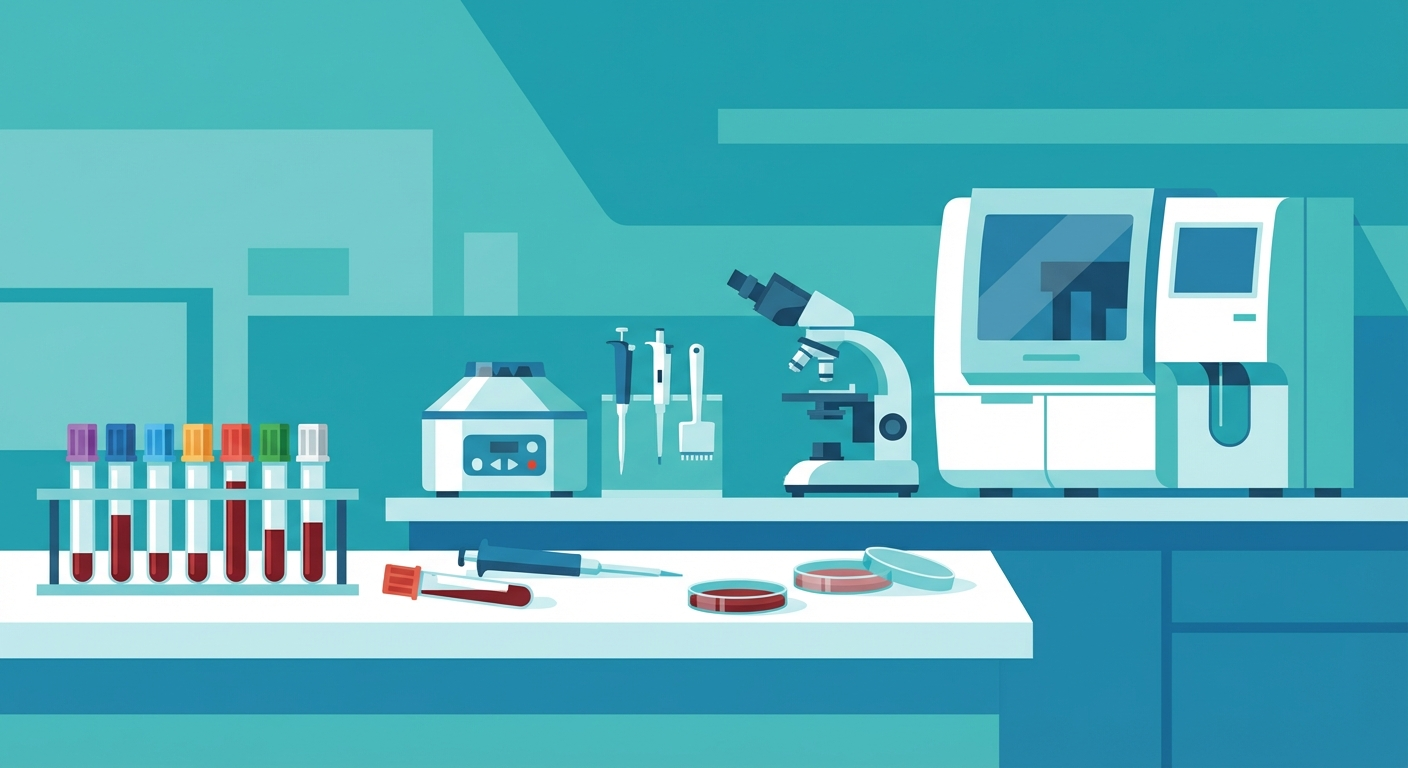
- Urinalysis: Checks for white blood cells, nitrites, and bacteria in urine — results in minutes
- Urine culture: Identifies the specific bacteria and antibiotic sensitivity — critical for guiding treatment. Results in 24–72 hours.
- Blood work: Complete blood count (elevated white blood cells confirm infection), kidney function tests (creatinine, BUN), and blood cultures if sepsis is suspected
- Physical exam: Checking for costovertebral angle (CVA) tenderness — tapping the back at the kidney level reproduces flank pain in kidney infection
If your symptoms suggest severe infection or complications, referral for CT imaging or ER transfer may be necessary.
Kidney Infection Treatment
Treatment depends on severity:
Mild-to-Moderate Kidney Infection (Oral Antibiotics)
Outpatient treatment with a 7–14 day course of oral antibiotics. Common choices:
- Fluoroquinolones (ciprofloxacin, levofloxacin) — first-line if local resistance rates are low
- TMP-SMX (Bactrim) — if sensitivity is confirmed on culture
- Oral cephalosporins (cephalexin) for pregnant patients or if fluoroquinolones are contraindicated
Most patients improve significantly within 24–48 hours of starting antibiotics. Complete the full course even if you feel better.
Severe Kidney Infection (ER Required)
The following require ER evaluation and likely IV antibiotics or hospitalization:
- High fever (above 103°F) not responding to acetaminophen/ibuprofen
- Severe vomiting preventing oral medications or hydration
- Signs of sepsis (rapid heart rate, low blood pressure, altered consciousness)
- Immunocompromised patients (diabetes, HIV, chemotherapy)
- Pregnant women with high fever
- No improvement after 24–48 hours on oral antibiotics
Can Urgent Care Treat a Kidney Infection?
Yes — urgent care can treat many kidney infections. If your symptoms are mild to moderate (pain, fever below 103°F, no vomiting), urgent care is an appropriate first stop. CityHealth San Leandro can:
- Perform urinalysis to confirm infection and identify bacteria
- Order urine culture to identify the specific bacteria causing your infection
- Prescribe oral antibiotics (Cipro, Bactrim, or others based on culture results)
- Assess severity and determine whether hospital admission is needed
- Provide IV fluids and IV antibiotics if you are severely dehydrated or cannot keep fluids down
Go to the ER instead of urgent care if you have:
- Fever above 103°F or severe rigors (shaking chills)
- Inability to keep any fluids or medications down
- Severe pain not relieved by medication
- Signs of sepsis: confusion, rapid heart rate, low blood pressure
- Known kidney disease, diabetes, or immunosuppression
- Pregnancy with kidney infection symptoms (always go to ER or OB)
Kidney Infection vs UTI: How to Tell the Difference
Both UTIs and kidney infections involve the urinary tract, but they affect different parts:
- UTI (lower tract): affects the bladder and urethra. Symptoms: painful urination, urgency, frequency, cloudy urine, pelvic discomfort. Usually no fever.
- Kidney infection (upper tract / pyelonephritis): affects one or both kidneys. Symptoms: all of the above PLUS flank or back pain (below the ribs, one side), high fever (101°F+), chills, nausea, vomiting. Feels like being hit in the back.
If a UTI is not treated, bacteria can travel up to the kidneys and cause pyelonephritis. This is why treating a UTI promptly matters.
How Long Does a Kidney Infection Last?
Most kidney infections begin improving within 24–48 hours of starting antibiotics. A full treatment course is typically 7–14 days. Symptoms like fever and flank pain usually resolve within 3–5 days on appropriate antibiotics.
Complete the full antibiotic course even after feeling better. Stopping early can allow the infection to return — often with antibiotic-resistant bacteria.
If you are not improving after 48 hours on antibiotics, go to urgent care for re-evaluation. You may need a different antibiotic or IV therapy.
Think You Have a Kidney Infection?
CityHealth San Leandro provides same-day urinalysis, urine culture, and antibiotic treatment for kidney infections. Walk-in or book online. If you have high fever or severe symptoms, go to the ER.
Preventing Kidney Infections
- Treat bladder UTIs promptly — don’t wait for them to resolve on their own
- Stay well-hydrated — drinking plenty of water helps flush bacteria from the urinary tract
- Urinate after sex
- Wipe front to back (for women) to prevent bacteria from entering the urethra
- If you have recurrent UTIs or kidney infections, discuss with your provider about preventive antibiotics
Related: Urinary Tract Health at CityHealth
Urgent Care for UTI | UTI in Men | Kidney Stones at Urgent Care