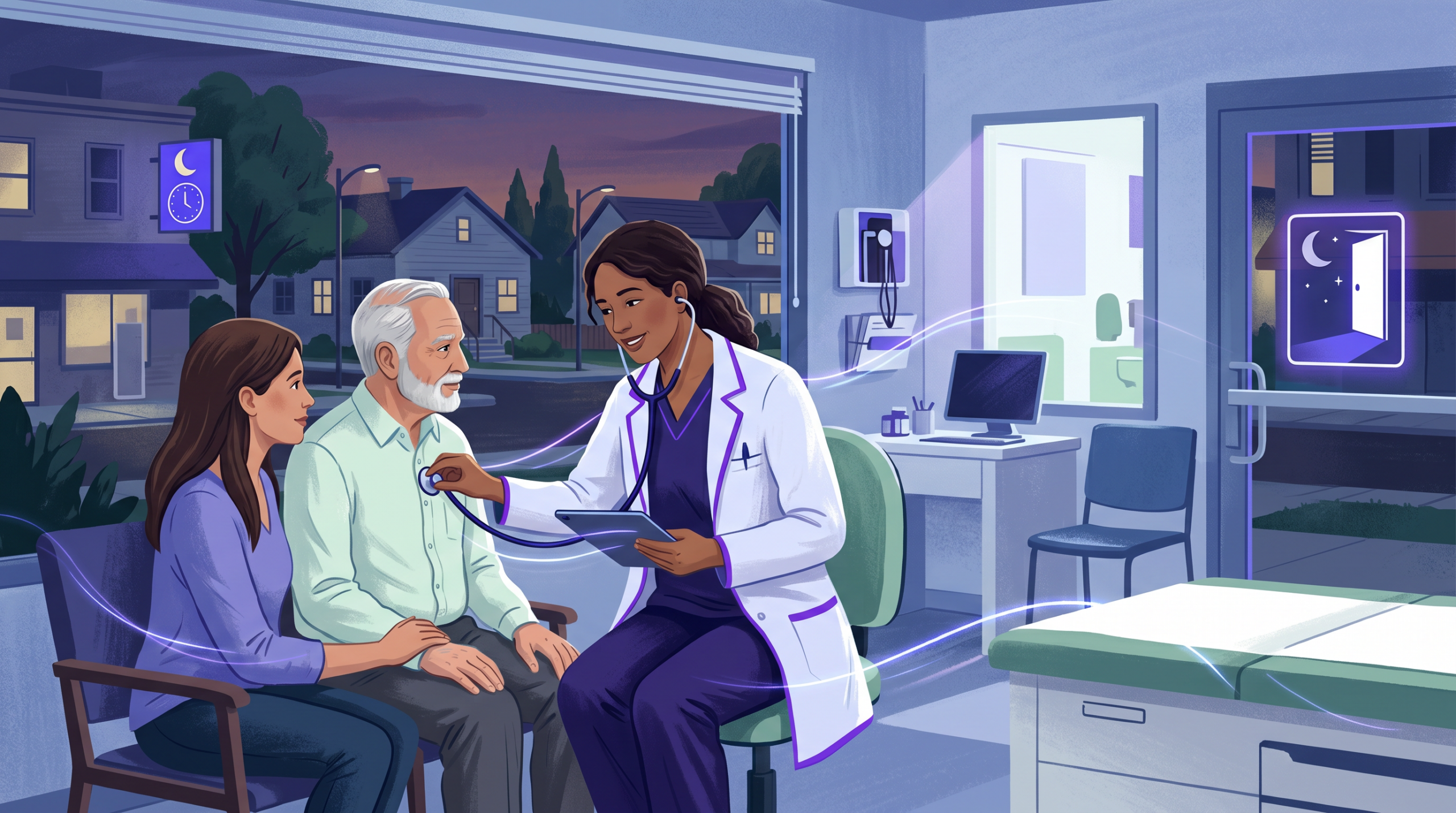
A 102-degree fever hits your kid at 7 PM on a Tuesday. Your doctor’s office closed two hours ago. The ER wait is four hours long. So what does urgent care treat, and could it handle this? Yes. Urgent care clinics treat dozens of conditions that fill up emergency rooms every day. You can walk in with no appointment, get seen fast, and pay a fraction of the ER cost. Below, you will find a full list of 40+ conditions urgent care handles, plus when to go to the ER instead.
Medically reviewed by Sean Parkin, PA — CEO & Founder, CityHealth Urgent Care
What Does Urgent Care Treat? The Full List of Conditions
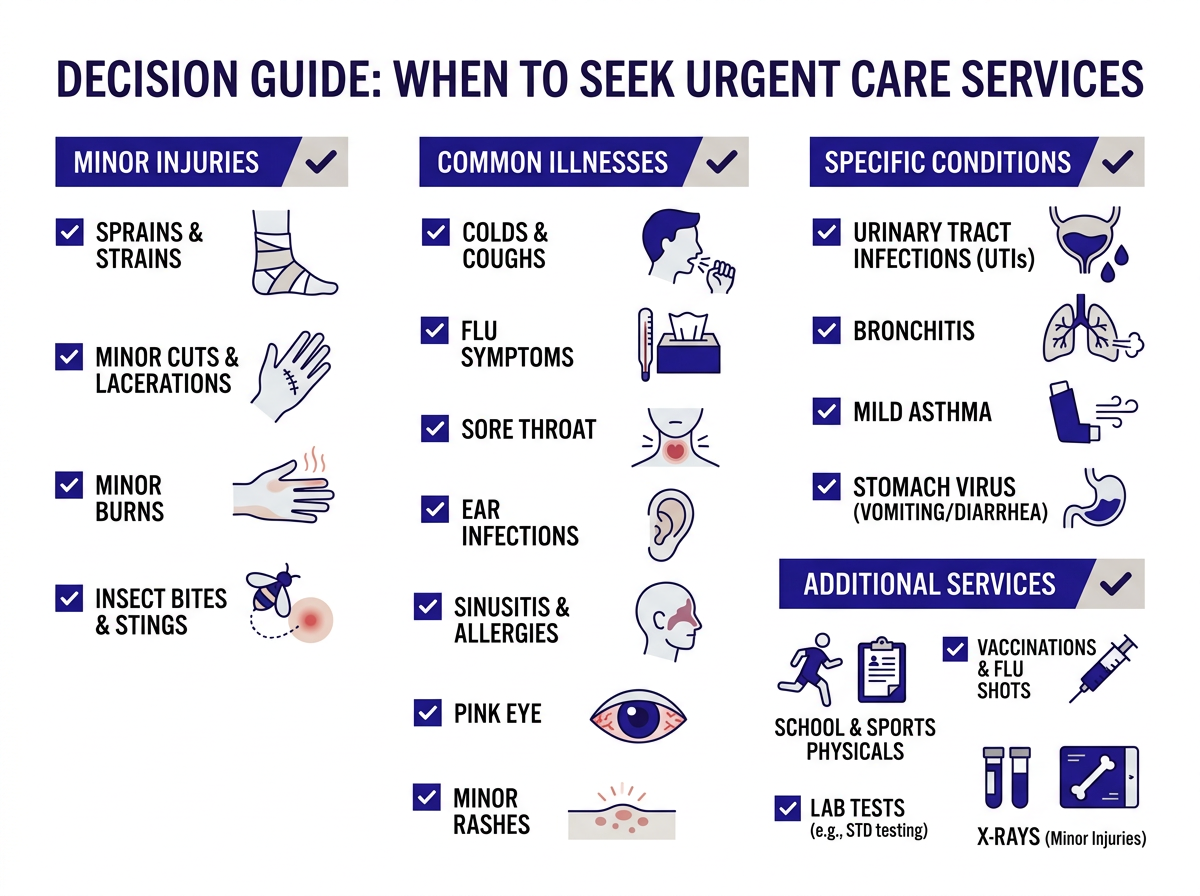
Urgent care centers handle non-life-threatening conditions that still need same-day care. Think of anything too urgent for a scheduled visit but not severe enough for the ER. Here is a full breakdown by category.
Colds, Flu, and Respiratory Infections
Respiratory illness makes up the largest share of urgent care visits. You can walk in for:
- Cold and flu symptoms (cough, congestion, body aches, fever)
- Sore throat and strep throat (rapid strep tests on-site)
- Sinus infections
- Bronchitis
- Ear infections
- COVID-19 testing and treatment
Because these clinics stock rapid tests, you can often get a diagnosis and a prescription for antibiotics in one visit. That same process at a primary care office might take days to set up.
Stomach and Digestive Issues
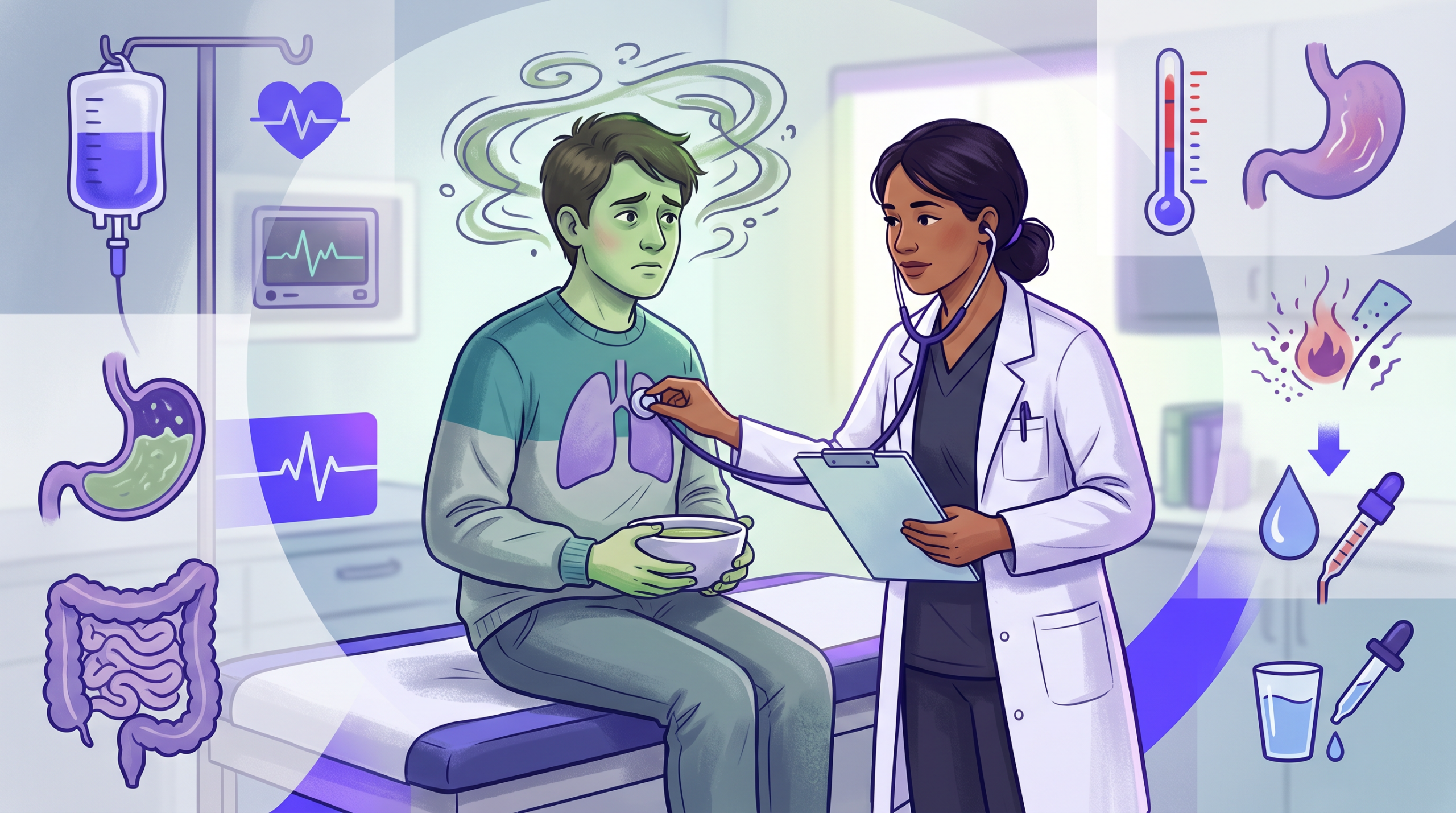
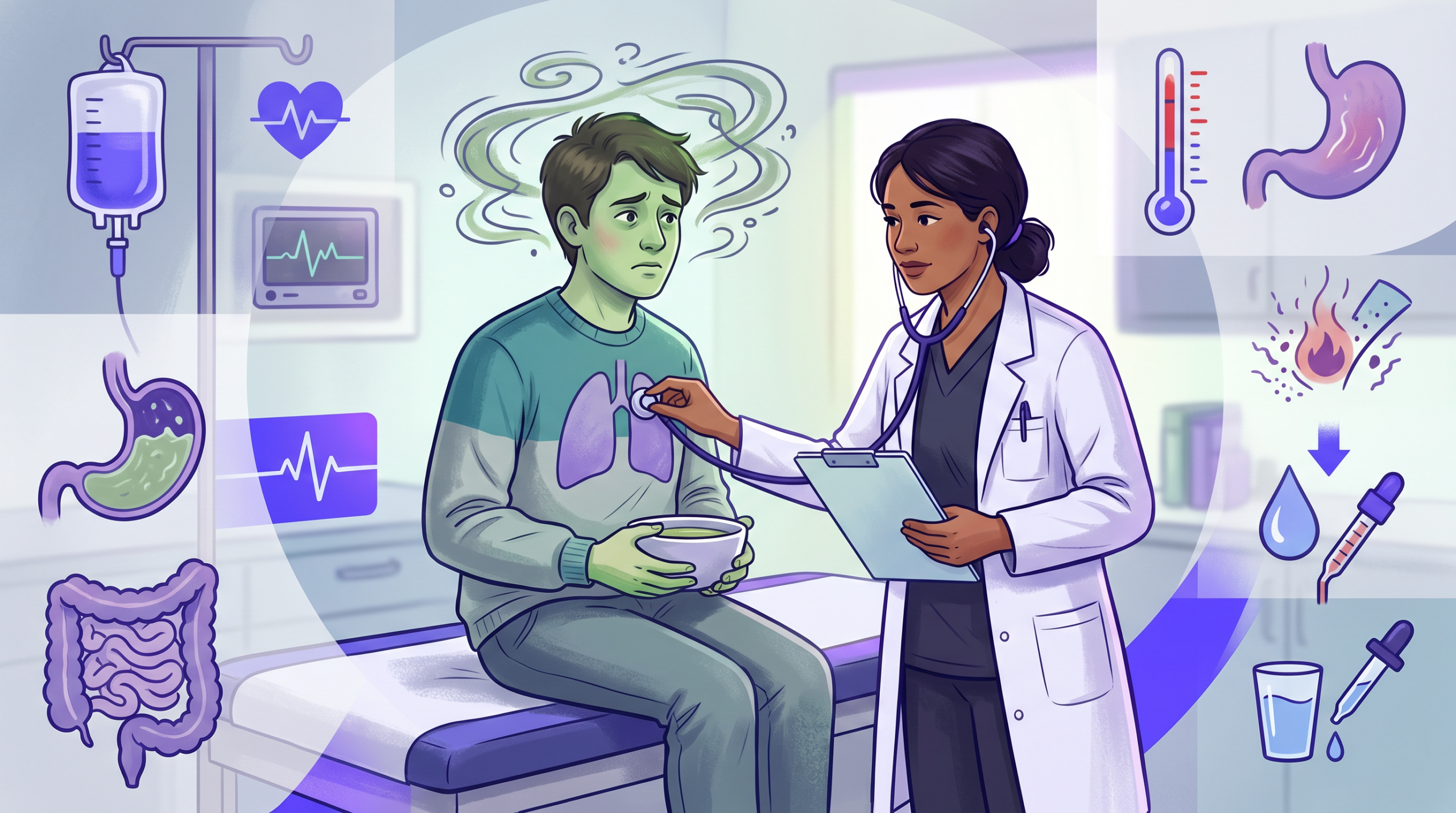
Vomiting, diarrhea, and belly pain send thousands of people to ERs each year. However, most of these cases qualify for urgent care. You can be seen for:
- Nausea and vomiting
- Diarrhea and dehydration
- Mild to moderate abdominal pain
- Food poisoning
- Acid reflux flare-ups
Still, if your symptoms include severe belly pain with high fever, blood in your stool, or signs of appendicitis, go to the ER. For everything else, urgent care can run labs and start treatment that same day.
Minor Injuries
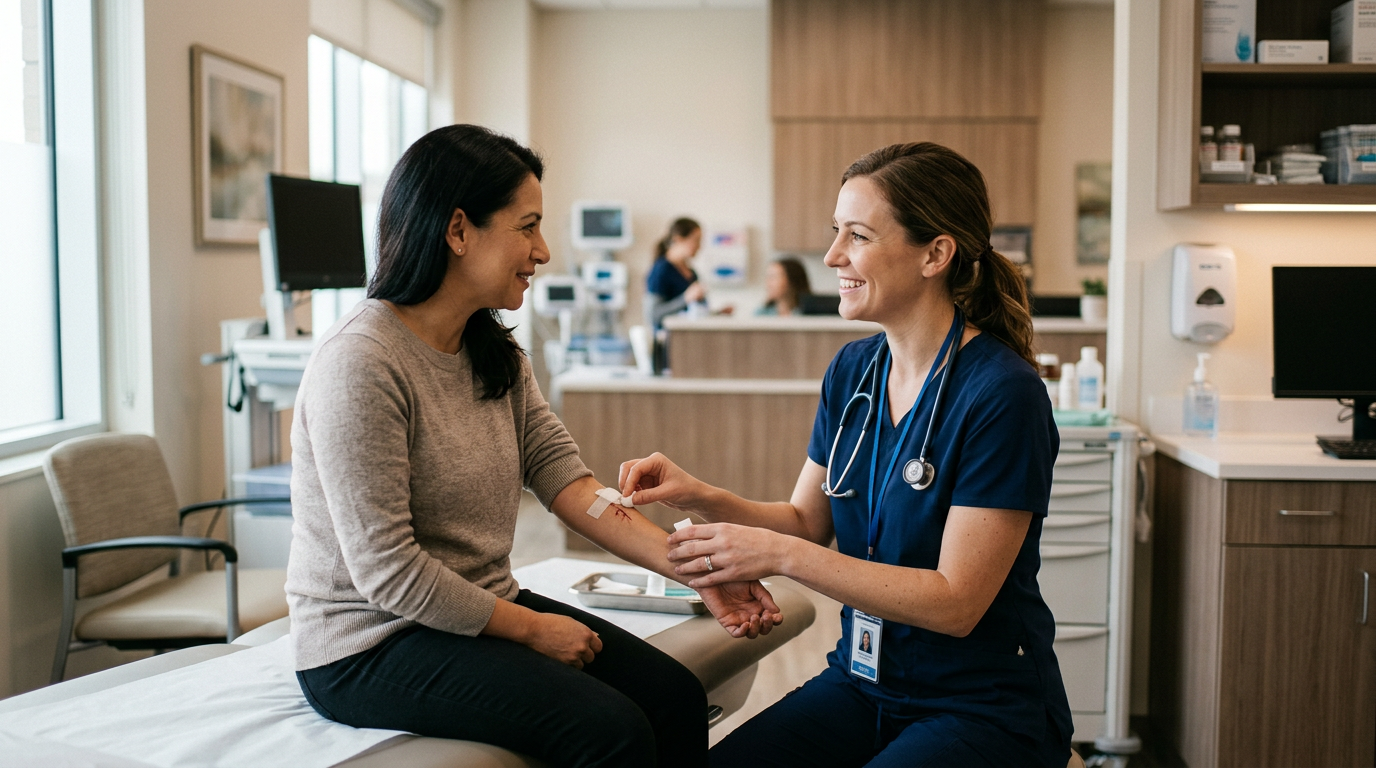
Sprains, strains, and small fractures account for a large portion of urgent care visits. Also, most clinics have X-ray machines and splinting supplies on-site. You can walk in for:
- Sprains and strains
- Minor fractures (fingers, toes, wrists)
- Cuts that need stitches
- Minor burns
- Insect bites and stings
- Animal bites (non-severe)
- Splinter and glass removal
For example, a twisted ankle from a weekend hike does not need an ER visit. An urgent care provider can X-ray it, check for a fracture, and fit you with a splint or boot on the spot.
Skin Conditions and Infections
Skin problems that pop up fast often feel scary. However, urgent care treats many of them. In particular, you can walk in for:
- Rashes and mild allergic reactions
- Poison oak and poison ivy
- Skin infections and abscesses
- Minor wound infections
- Eczema and contact dermatitis flare-ups
Urinary and Reproductive Health
UTIs are one of the most common reasons people visit urgent care. In addition to urinary tract infections, clinics can also test for and treat:
- Bladder infections
- Yeast infections
- STI testing and treatment
- Pregnancy testing
Eye and Ear Problems
Pink eye at 8 AM before school? An earache keeping you up all night? Specifically, urgent care handles these fast. Common visits include:
- Pink eye (conjunctivitis)
- Eye infections
- Swimmer’s ear
- Earwax removal
- Foreign objects in the eye or ear
Allergies and Asthma
Seasonal allergies and mild asthma flare-ups respond well to urgent care. Providers can prescribe antihistamines, inhalers, or short steroid courses. However, if you have severe trouble breathing or throat swelling, call 911 right away.
Beyond Sick Visits: What Does Urgent Care Treat for Routine Health?
Most people link urgent care with illness and injury. Yet many clinics also offer services you might only expect from a primary care doctor. These include:
- Sports and school physicals
- Annual wellness exams
- Blood work and lab panels (cholesterol, blood sugar, thyroid)
- Vaccinations (flu shots, tetanus, travel vaccines)
- Pre-employment physicals and drug screens
- Referrals to specialists
This is especially helpful if you lack a primary care provider or your PCP has a weeks-long wait. You can walk into urgent care for a physical, get blood drawn, and receive results within days. According to the CDC, urgent care centers now see tens of millions of visits per year, and a growing share of those are for routine preventive care.
The Walk-In Advantage: Why Urgent Care Saves You Time and Money
The biggest gap between urgent care and other options is access. You do not need an appointment. You do not need a referral. Just walk in, sign in, and get treated.
Here is how urgent care stacks up against your other choices:
- Primary care: The average wait for a new patient slot is 26 days, per a Merritt Hawkins survey. Urgent care sees you the same day.
- Emergency room: The average ER visit costs over $2,000 and takes 2 to 4 hours. Meanwhile, an urgent care visit costs $150 to $300 and takes under an hour.
- Telehealth: Useful for basic questions. However, telehealth providers cannot run labs, take X-rays, or stitch a wound through a screen.
Therefore, for the vast majority of non-emergency needs, urgent care gives you the fastest path from symptoms to treatment.
When to Skip Urgent Care and Go to the ER
Urgent care has limits. Certain conditions need emergency-level resources. Given that, go to the ER if you have:
- Chest pain or signs of a heart attack
- Trouble breathing that does not improve
- Stroke symptoms (facial droop, arm weakness, slurred speech)
- Severe head injuries or loss of consciousness
- Heavy, uncontrolled bleeding
- Compound fractures (bone through skin)
- High fever with stiff neck and confusion
If you are unsure, call the clinic first. Essentially, staff can help you pick the right level of care before you drive anywhere.
What to Expect at Your Urgent Care Visit
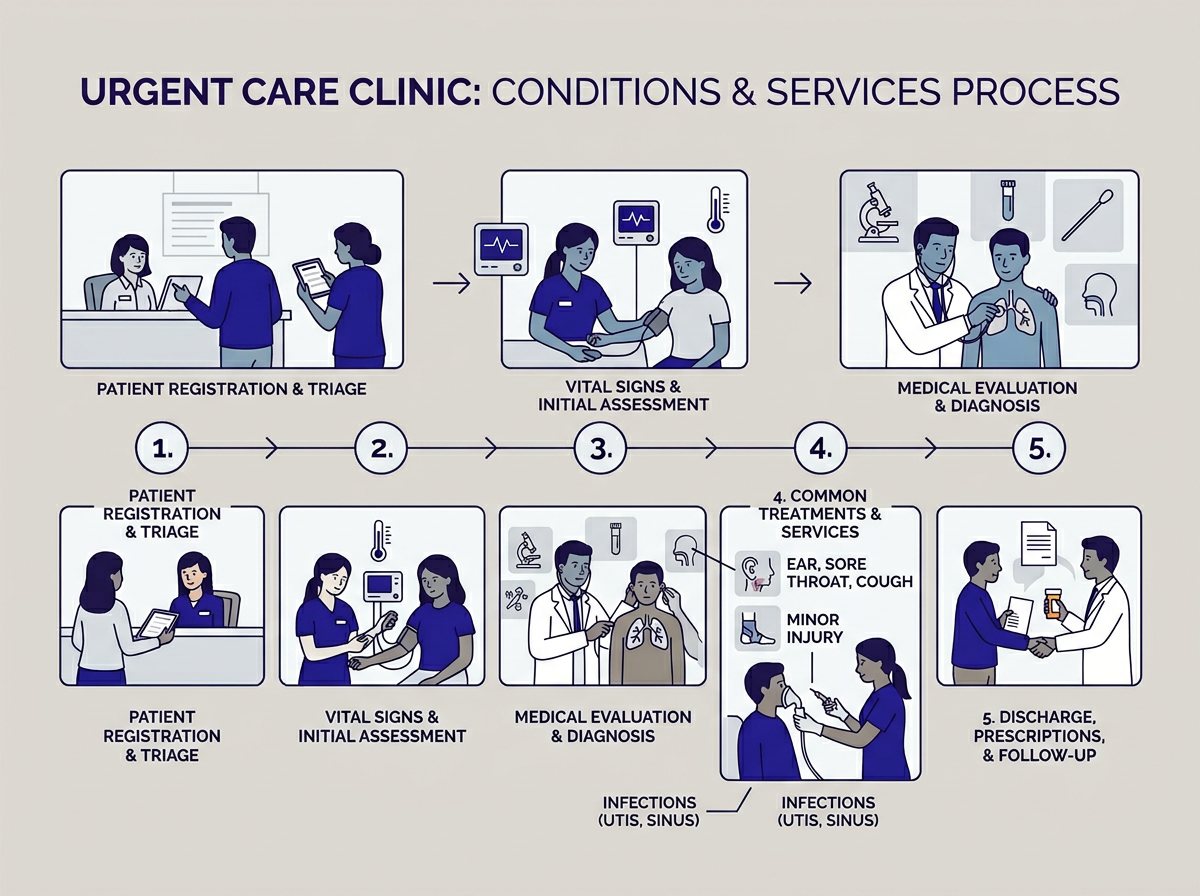
Walking into a clinic for the first time can feel new. Here is what to expect at urgent care so you feel ready:
- Check in. Bring your ID, insurance card, and a short note on your symptoms. Also, many clinics offer online check-in to cut your wait.
- Get evaluated. A provider (physician, PA, or nurse practitioner) examines you, orders tests, and talks through findings.
- Receive treatment. Then you leave with a diagnosis, prescriptions, follow-up steps, or referrals as needed.
Most visits take 30 to 60 minutes from check-in to checkout. Because urgent care clinics keep evening and weekend hours, you can fit a visit around your work or school schedule. Furthermore, you can bring your kids along since most clinics treat patients of all ages.
CityHealth Urgent Care: Walk-In Care in San Leandro, CA
CityHealth Urgent Care in San Leandro, CA treats all of the conditions listed above and more. As a BASS Medical Group affiliate and Latina/woman-owned practice, CityHealth offers affordable, quality care to the Bay Area community.
You do not need a primary care provider to visit. CityHealth handles physicals, blood work, sick visits, and specialist referrals. As a result, you get comprehensive care in one place. Moreover, the clinic accepts most major insurance plans and offers transparent pricing for self-pay visits.
Whether you woke up with a sore throat, twisted your ankle, or need a school physical for your child, CityHealth can help. Walk in or book ahead to skip the wait.
Ready to be seen today? Book your appointment online or walk in to CityHealth Urgent Care. No referral needed.