Urgent Care Strep Test: How It Works, How Accurate It Is, and What Happens Next
Your throat is on fire. Swallowing feels like broken glass. You need to know fast — strep or just a virus? An urgent care strep test gives you the answer in about 10 minutes. And if the test comes back positive, you walk out with a prescription the same visit. That’s the whole advantage of urgent care over waiting two weeks for a primary care appointment.
Medically reviewed by Sean Parkin, PA — CEO & Founder, CityHealth Urgent Care
What Is a Strep Test and How Does It Work?
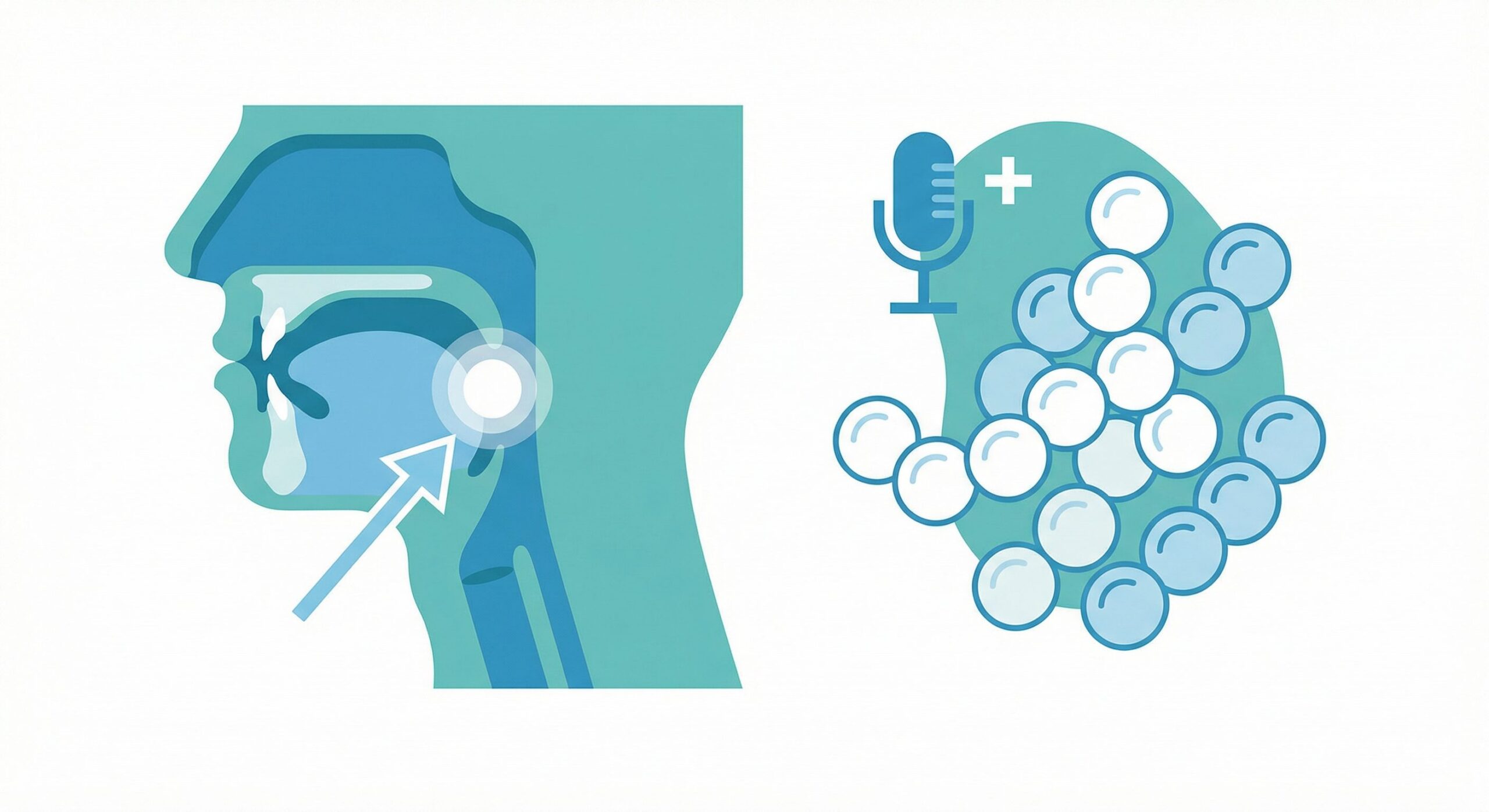
A strep test checks for Group A Streptococcus — the bacteria that causes strep throat. The test uses a throat swab: a cotton-tipped applicator rubbed across the back of your throat and tonsils for a few seconds. It’s quick and mildly uncomfortable. However, most people handle it just fine. Indeed, the whole process is over in well under a minute.
There are three test types available at urgent care:
- Rapid antigen test — the most common. Results in 10 to 20 minutes. Sensitivity is 85 to 90%, meaning it catches most strep infections accurately
- Throat culture — the lab grows bacteria from your swab over 24 to 48 hours. It’s more sensitive than the rapid test. For example, urgent care often sends a backup culture if your rapid test is negative but your symptoms look like strep
- Rapid PCR test — newer technology with over 99% accuracy. Results come in 30 to 60 minutes. Furthermore, it eliminates the need for a backup culture in most cases
How Accurate Is the Urgent Care Strep Test?
The rapid antigen test catches about 85 to 90% of strep cases. In other words, it misses roughly 1 in 10 infections. Because of this, most urgent care providers follow a clear protocol.
- Positive rapid test: Strep is confirmed. Antibiotics are prescribed. You start treatment the same day.
- Negative rapid test, high suspicion: Your provider sends a throat culture to the lab. You’ll hear back within 24 to 48 hours. If the culture grows strep, antibiotics are called in at that point.
- Negative rapid test, low suspicion: Most likely a viral sore throat. As a result, antibiotics won’t help — and your provider will focus on symptom relief instead.
At centers that use rapid PCR testing, accuracy exceeds 99%, according to research published in the Journal of Urgent Care Medicine. In that case, you don’t need a backup culture at all.
What Happens If Your Strep Test Is Positive?
A positive test confirms a bacterial infection. However, the good news is strep responds well to antibiotics. Most people feel significantly better within 24 to 48 hours. Specifically, fever often breaks within the first day of treatment. Your provider will prescribe one of the following:
- Amoxicillin or penicillin — first-line treatments for strep throat. A 10-day course is standard for most adults and children
- Azithromycin — prescribed instead if you have a penicillin allergy
- Cephalexin — another alternative for those who can’t take penicillin-class drugs
Even after you feel better, finish the full antibiotic course. Stopping early is a common mistake. It can leave bacteria behind and increase the risk of complications like rheumatic fever. Furthermore, incomplete courses contribute to antibiotic resistance over time.
You’re contagious until you’ve been on antibiotics for at least 24 hours and your fever is gone. For more detail, see how long is strep contagious.
What Happens If the Strep Test Is Negative?
A negative rapid test doesn’t always mean you don’t have strep. Because the rapid test has 85 to 90% sensitivity, false negatives do happen — particularly early in the infection or if the swab didn’t collect enough sample.
Your provider will use a scoring tool called the Centor score to assess clinical probability. It looks at temperature, degree of throat redness, white patches on tonsils, swollen lymph nodes, and whether you have a cough. If your score is high despite a negative rapid test, a backup culture is sent to the lab. In contrast, a low score with a negative test means antibiotics are unlikely to help and are typically not prescribed. Instead, the focus shifts to symptom relief — fluids, rest, and over-the-counter medications.
Strep vs. Viral Sore Throat: How to Tell the Difference
You can’t reliably self-diagnose strep — that’s why testing exists. However, some patterns point toward strep rather than a virus. Knowing these can help you decide whether a walk-in visit makes sense.
More likely to be strep:
- Sudden and severe sore throat
- Fever above 101°F
- White or yellow patches on the tonsils
- Swollen and tender lymph nodes in the neck
- No cough — strep rarely causes a cough
More likely viral:
- Gradual onset with runny nose
- Cough or hoarse voice alongside the sore throat
- Mouth sores
- Low-grade or no fever
Still, even experienced clinicians can be wrong without a test. The test is the only reliable way to confirm. See our full guide: strep throat vs. sore throat — how to tell the difference.
Does Urgent Care Prescribe Antibiotics for Strep on the Spot?
Yes — and that’s one of the biggest reasons to choose urgent care for a sore throat. If your test is positive (or your clinical picture is convincing), your provider writes the prescription right then. You fill it at the pharmacy on the way home. By that evening, you’re already fighting the infection.
In addition to prescribing antibiotics, urgent care can also address symptoms — fever reducers, throat numbing sprays, and guidance on what to eat and drink while you recover. See also: can urgent care prescribe antibiotics for more on what’s available.
How Much Does a Strep Test Cost at Urgent Care?
Cost depends on your insurance. With most major plans — including Medi-Cal and Alameda Alliance — the strep test and visit are covered with a standard co-pay, typically $20 to $50. Without insurance, an urgent care visit for strep is significantly less expensive than an ER visit for the same complaint.
CityHealth is transparent about pricing. Specifically, ask at the front desk before your visit if cost is a concern. We accept cash, credit cards, and most Bay Area insurance plans. Also, Medi-Cal and Alameda Alliance members are fully covered with no out-of-pocket cost in many cases.
Walk In Now — No Appointment Needed
Don’t wait on a primary care appointment that’s two weeks away. If you have strep symptoms — especially sudden severe throat pain, fever, and white patches on the tonsils — walk into CityHealth Urgent Care in San Leandro today. No appointment needed. Most strep evaluations take under 30 minutes from check-in to prescription.
Early treatment means faster recovery. Walk in, get tested, and start feeling better today.
Walk in to CityHealth for your strep test — no appointment needed →
Common Questions About Strep Testing at Urgent Care
How long does a strep test take at urgent care? The rapid swab itself takes about 30 seconds. Then, results come in 10 to 20 minutes. So you’re typically in and out — test plus prescription — in under 30 minutes.
Do I need an appointment for a strep test? No. CityHealth is walk-in only. Simply come in, check in at the front desk, and you’ll be seen promptly. No scheduling required.
What if the test is negative but I still feel terrible? First, your provider will review your full clinical picture. If strep is still suspected, a backup throat culture is sent to the lab. Results come back within 24 to 48 hours. Additionally, your provider may treat your symptoms in the meantime — regardless of the test result.
Can urgent care treat children for strep? Yes. CityHealth sees patients of all ages. Children with sore throat, fever, and classic strep symptoms are evaluated and treated the same way. The strep test process is the same — a brief throat swab and 10 to 20 minutes for results. Therefore, there’s no reason to wait for a pediatric appointment when symptoms are clear.
Can I get a strep test without symptoms? Generally, strep testing is recommended when you have symptoms. However, if you’ve been exposed to someone with confirmed strep and want to be checked — for example, to protect an infant or immunocompromised person in your home — walk in and talk to a provider. They’ll assess whether testing makes sense for you.