Urgent Care for RSV: When to Walk In and What to Expect
RSV moves fast. One day: a runny nose and mild cough. Two days later: wheezing, labored breathing, and a fever that won’t break. If you’re wondering whether urgent care for RSV is the right move — yes, it is. However, the key is going early. Walk in while symptoms are moderate, and you get real treatment. Wait until you’re struggling to breathe, and you’ll need the ER instead.
Medically reviewed by Sean Parkin, PA — CEO & Founder, CityHealth Urgent Care
What Is RSV?
Respiratory syncytial virus (RSV) is a common virus that infects the lungs and airways. For healthy adults, it often feels like a bad cold and clears up in one to two weeks. However, for high-risk groups, RSV can become dangerous quickly.
According to the CDC, RSV sends 60,000 to 160,000 older adults to the hospital every year. Furthermore, it causes 6,000 to 10,000 deaths annually in older adults. Because of this, early evaluation is important — especially if you are in a vulnerable group.
Who Is at Risk?
RSV is not only a disease of infants. In fact, older adults and people with weakened immune systems face serious complications too. You’re at higher risk if you are:
- 65 or older — your immune response weakens with age, making RSV harder to clear
- Immunocompromised — for example, from chemotherapy, HIV, organ transplant, or long-term steroid use
- Living with COPD or asthma — RSV commonly triggers severe flares in people with existing lung disease
- Managing heart failure — CHF raises RSV hospitalization risk by 8 times compared to otherwise healthy adults
- A parent of a young infant or toddler — babies are especially vulnerable; moreover, symptoms typically peak between days 3 and 5
RSV Symptoms to Watch For
RSV symptoms overlap with the cold and flu. As a result, it’s easy to dismiss early signs. Still, a few patterns stand out that suggest RSV rather than a simple cold.
Common symptoms in adults include:
- Runny nose and congestion — usually the first sign
- Low-grade fever — typically 100 to 101°F
- Dry cough — may become productive over time
- Wheezing — a high-pitched sound while breathing that signals narrowed airways
- Shortness of breath — more common in older adults and those with lung disease
- Fatigue — RSV drains your energy even in mild cases
In infants and young children, watch for nasal flaring, grunting while breathing, and chest retractions. Chest retractions means you can see the skin pulling in between the ribs with each breath. Additionally, breathing pauses in infants require a 911 call — not a trip to urgent care.
Urgent Care for RSV: What to Expect at CityHealth
CityHealth can evaluate and treat most RSV cases. Here is what happens when you walk in.
Diagnosis
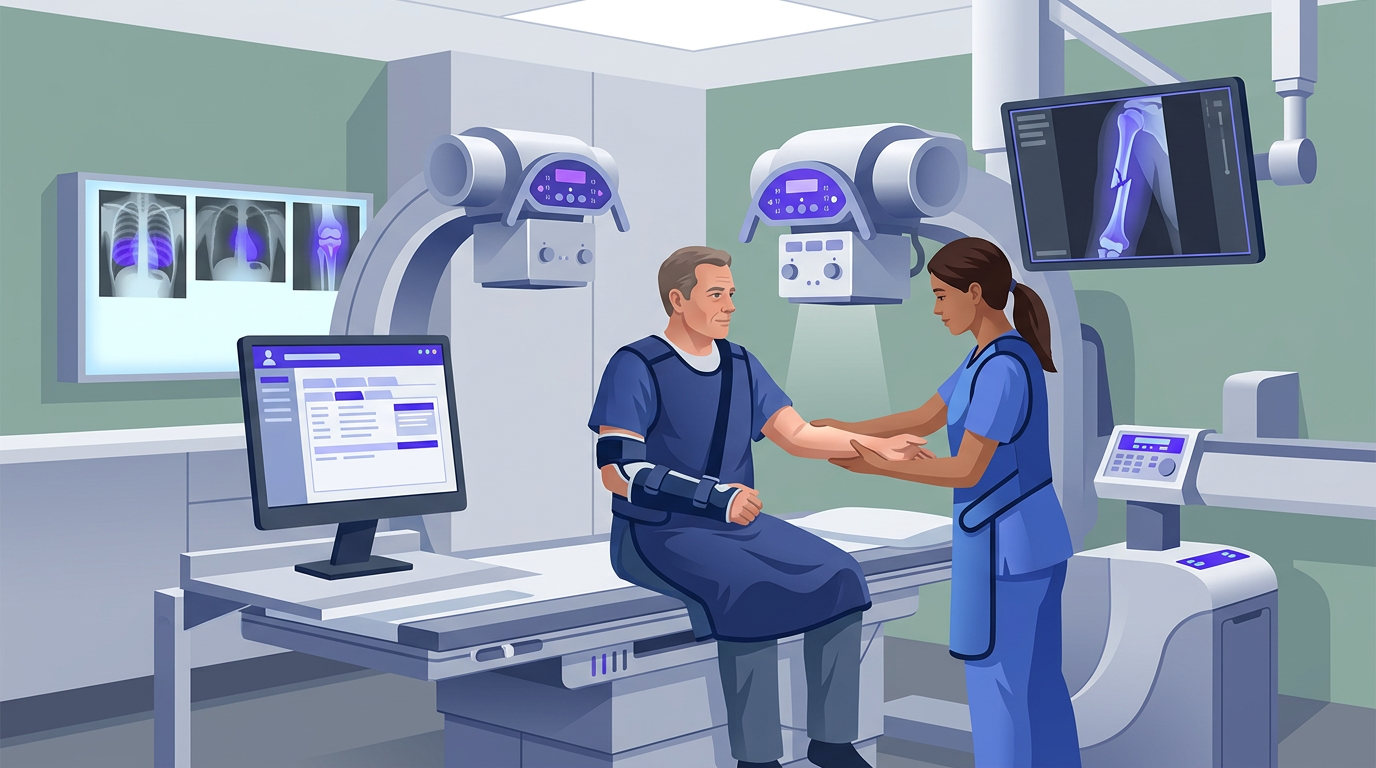
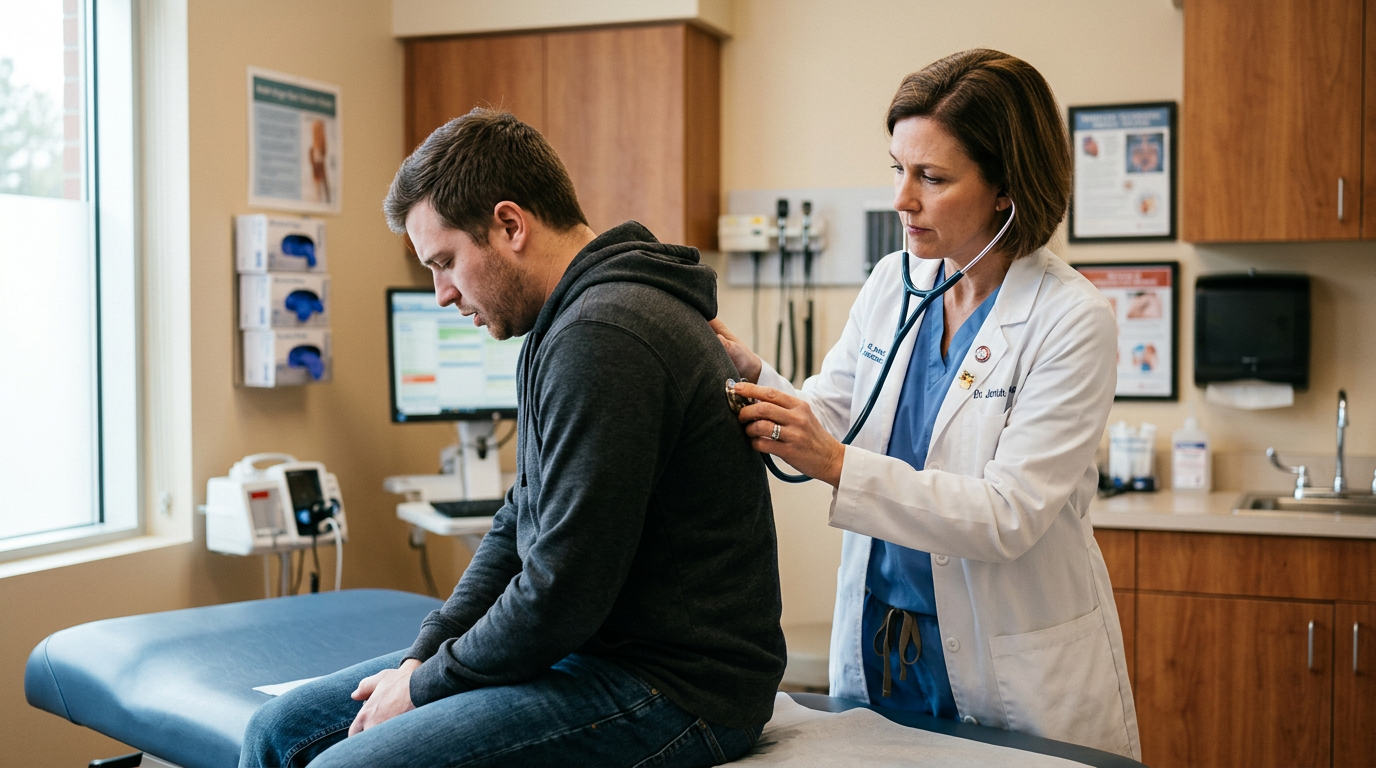
First, your provider checks your oxygen level with a pulse oximeter. Then, they listen to your lungs and review your symptoms. RSV-specific rapid tests are available. However, diagnosis is often clinical — meaning your exam and symptom history guide the decision. If pneumonia is a concern, CityHealth has on-site X-ray to check your lungs.
Treatment
RSV is a virus. Therefore, antibiotics don’t work against the virus itself. However, treatment still makes a real difference:
- Bronchodilators — such as albuterol — open airways and reduce wheezing. These work even when the underlying cause is viral
- Prescription fever and cough management — targeted medication based on your specific symptoms
- IV fluids — if you’re dehydrated from fever or vomiting. See does urgent care do IV fluids
- Secondary infection check — RSV opens the door to bacterial pneumonia and ear infections. Consequently, early detection of these complications can prevent a much longer illness
- Monitoring and referral — if your oxygen drops or your breathing worsens, the team stabilizes you and facilitates an ER transfer when needed
For High-Risk Patients Specifically
Adults 65 and older may qualify for RSV-related antiviral treatment in specific clinical contexts. In addition, your provider will assess your breathing rate and oxygen saturation to determine whether hospitalization is the safer choice. In many cases, early urgent care treatment prevents a more serious hospital stay.
Urgent Care vs. ER: How to Decide
This is the most important decision when RSV hits. Use this as your guide.
Go to urgent care if:
- Symptoms are mild to moderate — runny nose, low-grade fever, manageable cough
- You’re breathing comfortably at rest
- Oxygen saturation is 94% or above
- You’re keeping fluids down without vomiting
- You’re in a high-risk group and want early assessment and monitoring
Go to the ER immediately if:
- You or your child are struggling to breathe
- Lips, fingertips, or skin are turning bluish — this is cyanosis and requires emergency care
- A child shows chest retractions, nasal flaring, or any breathing pauses
- Oxygen saturation falls below 90%
- Symptoms are worsening rapidly over hours — not gradually over days
For a full breakdown, see urgent care vs. the ER — when each makes sense.
How Long Does RSV Last?
For healthy adults, RSV typically resolves in one to two weeks. Symptoms peak in the first three to five days, then gradually improve. However, in high-risk adults — especially those over 65 or with existing lung disease — recovery can stretch to three or four weeks. Moreover, complications like pneumonia can extend the illness significantly.
Children typically peak between days 3 and 5. Still, if your child is not improving by day 7 — or gets worse after initially improving — that’s reason to be seen again.
RSV Prevention: What Works
RSV spreads through respiratory droplets and through contact with contaminated surfaces. It can survive on hard surfaces for several hours. For example, touching a doorknob and then rubbing your eye is a common way people pick up RSV.
Key prevention steps:
- Wash your hands with soap and water for 20 or more seconds — especially before touching your face
- Disinfect frequently touched surfaces: phones, doorknobs, and countertops
- Stay home when you’re sick to protect elderly family members and infants around you
- Ask your provider about the RSV vaccine — it is now approved for adults 60 and older. Additionally, it is recommended during pregnancy to protect newborns in their first months of life
Walk In Today — No Appointment Needed
If RSV is hitting you hard — or if you’re in a high-risk group and want early monitoring — CityHealth Urgent Care in San Leandro is open now. No appointment needed.
We check your oxygen, evaluate your lungs, run labs if needed, and start treatment all in one visit. For more on respiratory illness treatment, see urgent care for cough. Don’t wait until breathing becomes a struggle. Walk in early and get ahead of it.
Walk in or book your visit at CityHealth →
Common Questions About RSV at Urgent Care
Can urgent care test for RSV? Yes. Rapid RSV tests are available. Results come in 15 to 30 minutes.
Will they give me anything for RSV at urgent care? Yes — bronchodilators for wheezing, IV fluids if needed, and medication to manage symptoms like fever and cough. However, antibiotics are not prescribed unless a bacterial infection is also found.
Does insurance cover urgent care for RSV? Most major plans do. Ask at the front desk if you’re unsure. Walk-in urgent care costs far less than an ER visit for the same symptoms.
Can a child get RSV treatment at CityHealth? Yes. CityHealth sees patients of all ages. Children with mild to moderate RSV symptoms are treated at urgent care. Go to the ER if a child has severe breathing trouble or oxygen below 90%.