
Urgent Care for Whiplash: What to Expect, When to Go, and When to Head to the ER
Whiplash doesn’t always hurt right away. You can walk away from a car accident feeling fine, then wake up the next morning barely able to turn your head. When that happens, urgent care for whiplash is a smart first call. Providers examine your injury, order X-rays, manage your pain, and start your recovery plan — all the same day. No appointment needed.
Medically reviewed by Paul Dwight, PA — Physician Assistant, CityHealth Urgent Care

What Is Whiplash?
Whiplash is a neck injury from a sudden, forceful back-and-forth movement of the head. Car accidents cause most cases. However, sports collisions and falls can cause it too. Because the neck muscles, tendons, and ligaments stretch past their normal range, they get inflamed and painful.
Symptoms often don’t appear right away. Many people feel fine for hours after the injury. However, common signs include:
- Neck pain and stiffness
- Trouble turning your head side to side
- Headaches starting at the base of the skull
- Shoulder, upper back, or arm pain
- Fatigue and dizziness
Because symptoms can be delayed, getting checked after a significant impact is smart — even if you feel okay right now. According to the American Academy of Family Physicians, whiplash symptoms may take 24 hours or more to appear after an injury.
Can You Go to Urgent Care for Whiplash?
Yes. Urgent care is often the best first stop. Providers run a full physical exam, check your range of motion, and order X-rays to rule out fractures. In addition, they prescribe muscle relaxants and anti-inflammatories for pain. For most whiplash cases, urgent care handles everything in one visit.
At CityHealth Urgent Care, we have on-site X-ray at our San Leandro location. So you get evaluated and imaged without going to a second facility.
Urgent Care for Whiplash vs. ER: How to Decide
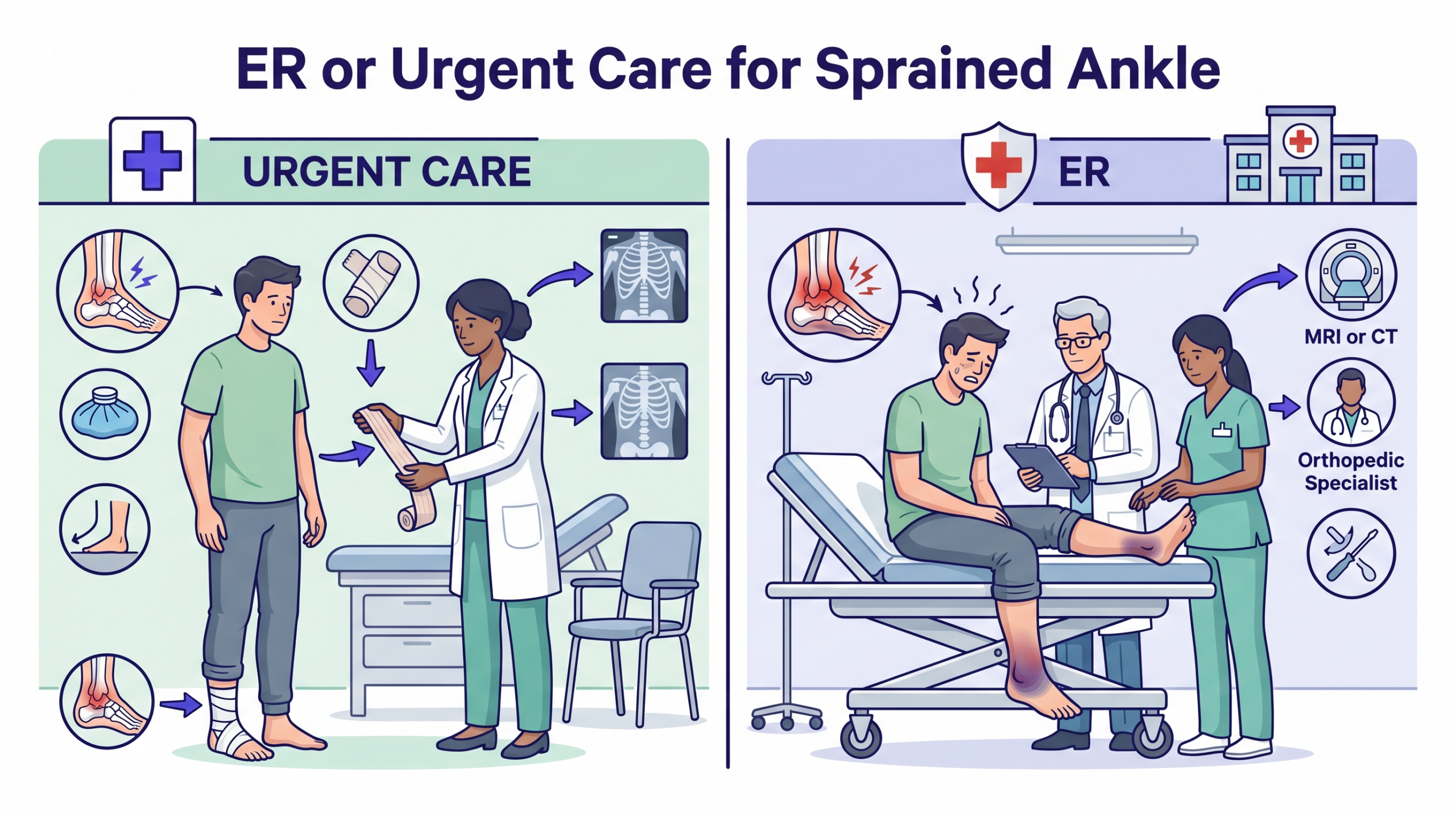
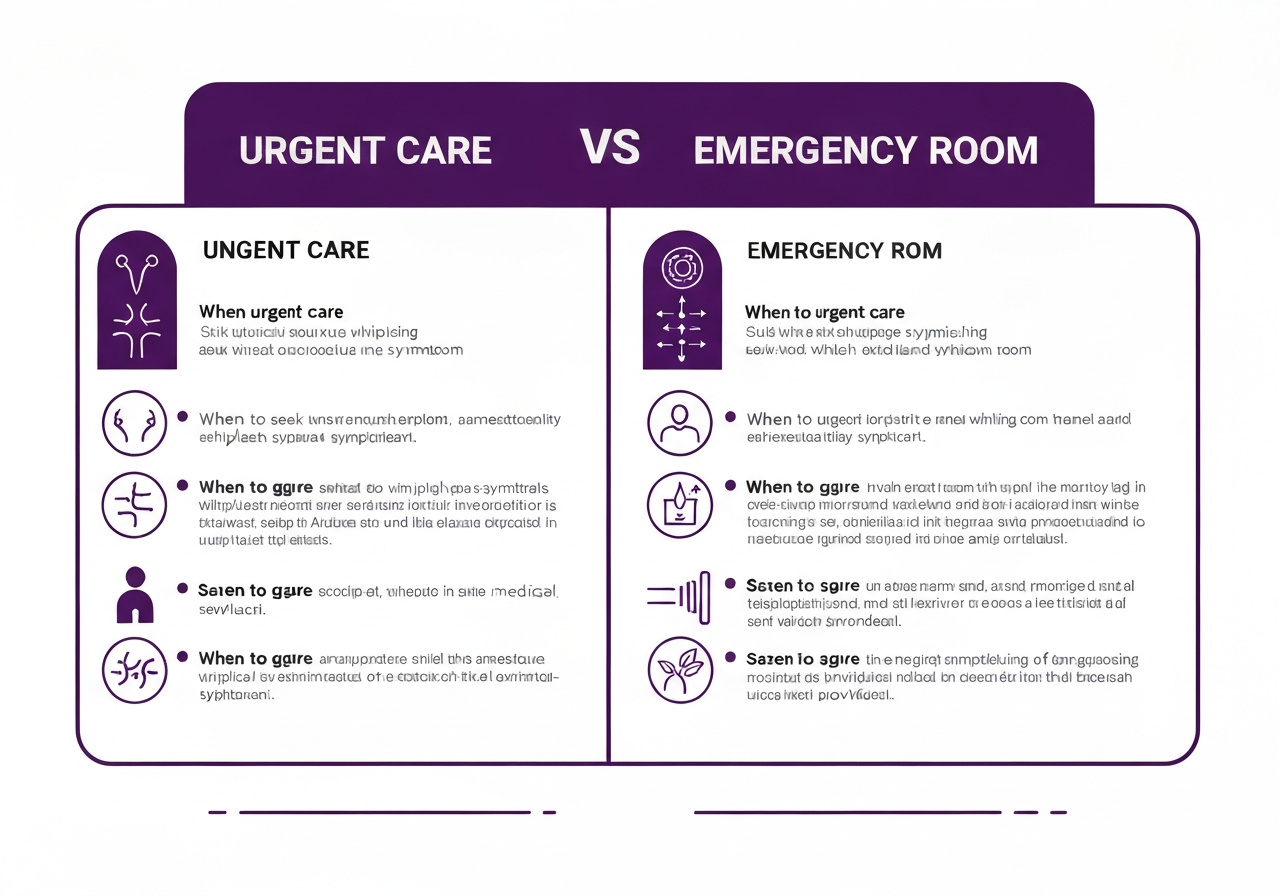
For most whiplash injuries, urgent care is the right call. However, go straight to the emergency room if you have any of these:
- Loss of consciousness, even briefly
- Numbness or tingling in your arms or hands
- Weakness in your arms or legs
- Trouble walking or controlling your bladder or bowel
- Severe or rapidly worsening neck or back pain
If none of those apply, urgent care works well. In fact, it’s often faster and cheaper than the ER for a standard whiplash visit.
What Urgent Care Will Do for Whiplash
Here’s what happens when you come in for urgent care for whiplash:
- Physical exam: The provider checks your neck range of motion, reflexes, and arm sensation. Because nerve involvement changes the treatment plan, this check matters.
- X-rays: Imaging rules out fractures and dislocations. If soft tissue damage is suspected, the provider may refer you for an MRI next.
- Pain treatment: Prescription muscle relaxants and anti-inflammatories reduce pain and spasm faster than over-the-counter options.
- PT referral: Early physical therapy is one of the best predictors of good recovery. Therefore, urgent care providers typically refer you right at the first visit.
- Injury documentation: If you need records for insurance or a legal claim, the provider documents the date, mechanism, and findings.
How Long Does Whiplash Last?
Most cases resolve within a few weeks to a couple of months. However, recovery depends on severity:
- Mild: Pain and stiffness improve within 2–4 weeks with rest and anti-inflammatories
- Moderate: May take 6–12 weeks, especially with physical therapy
- Severe: Can last several months if disc or nerve involvement is present
Because early treatment cuts the risk of chronic pain, getting seen quickly is worth it. People who stay active and start PT early recover faster than those who rest for extended periods.
Red Flags That Mean Whiplash Is More Serious
Most whiplash is a soft tissue injury. However, watch for these warning signs:
- Numbness or tingling in your arms or hands: This can mean nerve compression
- Weakness in your grip: Another nerve warning sign
- Pain shooting down your arm: Known as radiculopathy
- Symptoms that worsen over 24–48 hours
- New or worsening headaches after the initial injury
Because these signs suggest more than muscle strain, return to urgent care or go to the ER if they develop. Don’t wait to see if things improve on their own.
What Helps Whiplash Heal Faster
The old advice for whiplash was to rest completely and wear a soft collar. However, research has changed that recommendation. Here’s what actually speeds up recovery:
- Stay gently active: Complete rest slows healing. So keep moving within your pain limits. Short walks are helpful from day one.
- Apply heat and ice: Ice reduces swelling in the first 48 hours. After that, heat relaxes tight muscles. Use 15–20 minutes at a time.
- Physical therapy: Because targeted stretching and strengthening rebuild the injured tissues, PT is one of the best tools for recovery. Start early rather than waiting.
- Take anti-inflammatories consistently: Ibuprofen or naproxen work best when taken on a schedule during the acute phase. Waiting until pain is severe makes them less effective.
- Sleep position matters: Use a pillow that keeps your neck neutral. A pillow that’s too high or too flat makes morning stiffness worse.
- Avoid prolonged screen time: Sitting with your head forward looking at a phone or monitor strains the healing tissues. Therefore, take breaks and check your posture often.
In addition, follow up with your provider if symptoms aren’t improving after 4–6 weeks. Because chronic whiplash is harder to treat than acute whiplash, early intervention prevents long-term problems.
Whiplash After a Car Accident
Get evaluated after a car accident even if you feel fine. Here’s why it matters:
- Adrenaline masks pain right after impact. So symptoms may not show up for 12–24 hours.
- Early documentation creates a medical record for insurance claims
- CityHealth’s providers are experienced with motor vehicle injury evaluations
- For work-related injuries, CityHealth handles workers’ comp visits too
Get Seen Today — No Appointment Needed
Whiplash gets worse without treatment. Because delayed care raises the risk of chronic neck pain, getting seen quickly matters. CityHealth Urgent Care in San Leandro offers same-day whiplash evaluation, on-site X-ray, and immediate pain management.
Hours: Monday 10am–7pm, Tuesday through Friday 9am–7pm, weekends 9am–5pm. Call (510) 984-2489.
Walk in to CityHealth Urgent Care — no appointment needed. We’ll evaluate your injury, get imaging if needed, and start treatment the same day.
Frequently Asked Questions
Should I go to urgent care or the ER for whiplash?
Urgent care is right for most cases — neck stiffness, pain, and limited motion without nerve symptoms. Go to the ER if you have numbness in your arms, weakness, loss of consciousness, or symptoms suggesting spinal cord injury.
Can urgent care check for whiplash?
Yes. Urgent care providers examine neck range of motion, reflexes, and nerve function. In addition, they order X-rays to rule out fractures. However, soft tissue damage needs clinical evaluation — MRI requires a specialist referral for most cases.
How long should I wait before going to urgent care for whiplash?
Don’t wait at all. Get seen within 24–48 hours of the injury. Because symptoms can be delayed, early documentation and assessment prevent problems from being missed later. In addition, early treatment improves recovery time significantly.