
Urgent Care for Plantar Fasciitis: Can They Help, and When Should You Go?
That stabbing heel pain when you take your first steps in the morning? That’s often plantar fasciitis. If the pain is getting worse instead of better, urgent care for plantar fasciitis is a good option. Providers can confirm the diagnosis, prescribe treatment, and get you moving again — same day, no appointment needed.
Medically reviewed by Paul Dwight, PA — Physician Assistant, CityHealth Urgent Care
What Is Plantar Fasciitis?
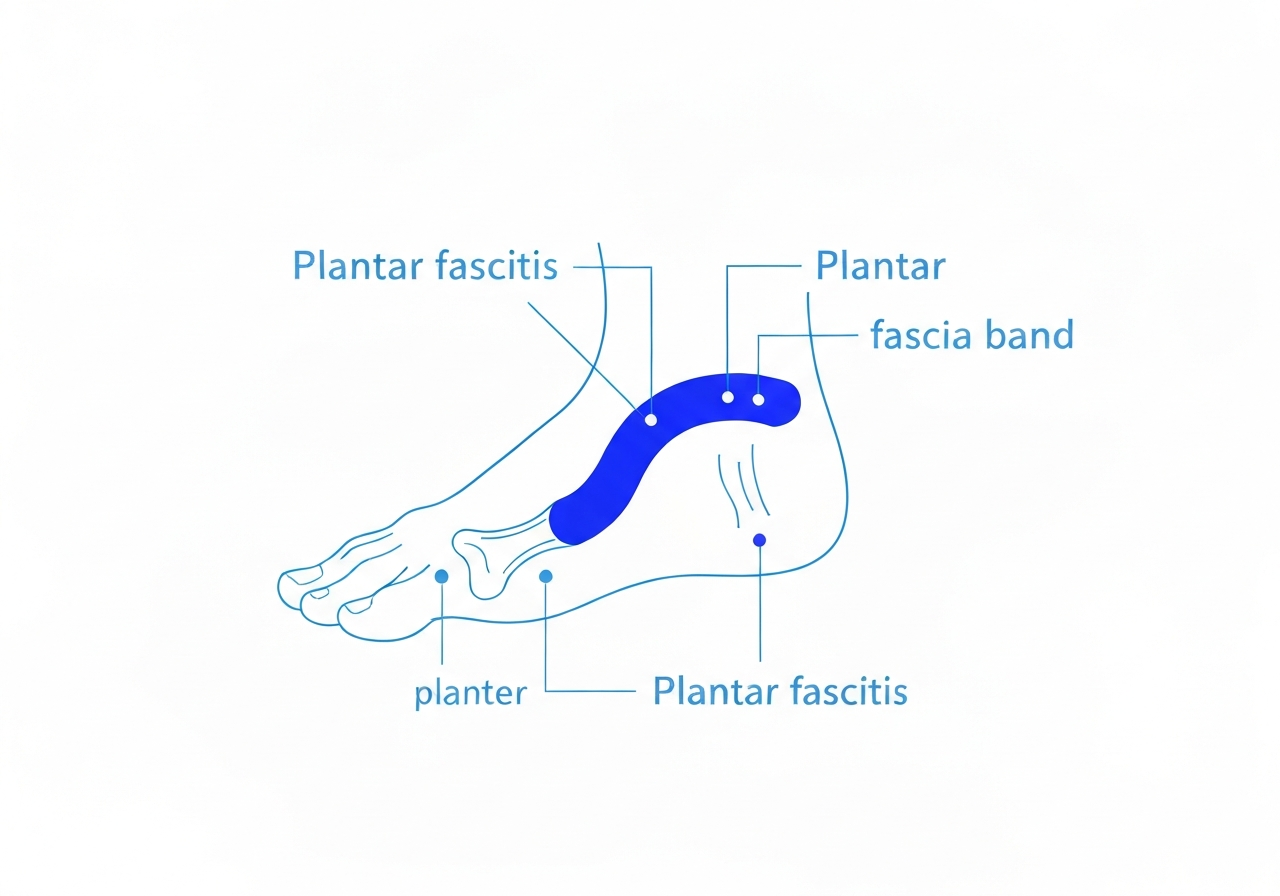
Plantar fasciitis is inflammation of the plantar fascia. That’s a thick band of tissue along the bottom of your foot. It connects your heel bone to your toes. Because this band absorbs shock with every step, overuse causes small tears that build up over time.
The key symptom is sharp heel pain first thing in the morning. It’s also bad after sitting for a long time. However, it often gets better after walking a few minutes. Then it comes back after long activity. In addition, you may feel pain along the arch, not just the heel.
According to the American Academy of Orthopaedic Surgeons, plantar fasciitis affects more than 2 million Americans each year. Therefore, it’s one of the most common causes of heel pain in adults.
Can Urgent Care Diagnose Plantar Fasciitis?
Yes. Urgent care providers can diagnose plantar fasciitis through a physical exam. Because the pattern of symptoms is very characteristic, imaging isn’t always needed. Here’s how it works:
- Physical exam: The provider presses on the bottom of your heel near the arch. If that spot is tender, it strongly points to plantar fasciitis.
- History: Pain that’s worst in the morning and improves with walking is highly characteristic. So is pain that returns after long periods of rest.
- X-ray when needed: CityHealth has on-site X-ray. So if the provider wants to rule out a stress fracture or heel spur, imaging happens the same visit.
Because the diagnosis is mostly clinical, you’ll know what you’re dealing with before you leave.
When to Go to Urgent Care for Plantar Fasciitis
Not every case needs urgent care. However, go in if any of these apply:
- Sudden, severe heel pain after a fall or jump. This could be a stress fracture — not plantar fasciitis.
- Pain getting worse even with rest, ice, and ibuprofen
- Swelling, bruising, or warmth in the heel or foot. These signs suggest a different diagnosis.
- Pain that stops you from walking or bearing weight normally
- Symptoms lasting more than two weeks without improvement
For mild pain that started recently, try home treatment first. But if you’ve already rested and iced and things aren’t improving, an urgent care visit makes sense.
What Can Urgent Care Do for Plantar Fasciitis?
Visiting urgent care for plantar fasciitis isn’t just about ruling out worse problems. Providers can offer real treatment on the spot. For example:
- Prescription anti-inflammatories: A short course of prescription NSAIDs works better than over-the-counter doses. This reduces both pain and inflammation faster.
- Taping: Some providers tape the foot to reduce stress on the fascia. This gives immediate relief for a few days while the inflammation calms down.
- Steroid injection: A cortisone shot into the heel rapidly cuts inflammation and pain. See also: can urgent care give steroid shots?
- X-ray on-site: Rules out fractures or bone problems in the same visit. No separate imaging appointment needed.
- PT referral: Plantar fasciitis responds well to physical therapy. Because the exercises are specific, a referral gets you to the right treatment faster.
- Podiatry referral: For complex or chronic cases, urgent care documents your visit and refers you to a specialist.
At CityHealth Urgent Care, you can get all of this same-day. No appointment, no waiting weeks for a specialist opening.
Who Gets Plantar Fasciitis?
Plantar fasciitis can happen to anyone. However, certain groups are at higher risk. For example:
- Runners and athletes: High-mileage running puts repeated stress on the fascia. Because the strain adds up over time, overtraining is a common trigger.
- People who stand all day: Teachers, nurses, retail workers, and warehouse workers develop plantar fasciitis at higher rates than desk workers.
- Flat feet or high arches: Both cause abnormal foot mechanics. Therefore, the fascia absorbs more stress than it should with each step.
- Tight calves: A tight Achilles tendon and calf muscles pull on the heel and increase stress on the fascia.
- Unsupportive footwear: Flat sandals, worn-out sneakers, or going barefoot on hard floors all reduce arch support.
- Sudden increase in activity: Starting a new workout routine or dramatically increasing your step count can trigger it.
In addition, people over 40 are more susceptible. However, younger athletes — especially runners — develop it too.

Home Treatments to Try First
If the pain is moderate and not getting worse, try these steps at home first. Because plantar fasciitis is an overuse injury, rest is often the most important step:
- Rest: Cut back on running, jumping, or standing for long periods for a few days
- Ice: Roll a frozen water bottle under your foot for 15 minutes twice a day
- Morning stretch: Before getting out of bed, stretch your calf and the bottom of your foot. This directly helps with first-step pain.
- Ibuprofen or naproxen: Take with food for a few days to reduce inflammation
- Supportive shoes: Avoid flat shoes or going barefoot on hard floors. Because the fascia needs arch support, the right footwear makes a real difference.
However, if these measures haven’t helped after a week or two, get a provider’s input. Ongoing inflammation can worsen without proper treatment.
Urgent Care vs. Podiatrist: Which One Do You Need?
Urgent care is the right first stop when pain is new, severe, or affecting your ability to walk. A podiatrist is better for ongoing or recurring plantar fasciitis that needs:
- Custom orthotics fitted to your specific foot
- Night splints for severe morning pain
- Shockwave therapy for stubborn cases
- Surgery (rare — only after 6–12 months of failed conservative treatment)
In addition, if urgent care thinks you need podiatry, they’ll refer you and document the visit. So the specialist has the context they need right away.
Walk In Today — No Appointment Needed
Heel pain that’s getting worse shouldn’t wait for a PCP opening weeks out. Because CityHealth has X-ray on-site and same-day treatment options, urgent care for plantar fasciitis gets you faster relief than waiting.
San Leandro hours: Monday 10am–7pm, Tuesday through Friday 9am–7pm, weekends 9am–5pm.
Walk in to CityHealth today. Call (510) 984-2489 with questions. We’ll evaluate your heel pain, get imaging if needed, and start treatment the same day.
Frequently Asked Questions
Can urgent care do anything for plantar fasciitis?
Yes. Urgent care can confirm the diagnosis, prescribe anti-inflammatories, give steroid injections, order X-rays, and refer you to PT or podiatry — all in one visit. So you leave with a plan, not just a diagnosis.
Should I go to urgent care or wait for a podiatrist?
Go to urgent care if pain is severe, sudden, or worsening. However, for mild pain that’s been going on for months, calling a podiatrist directly may be more efficient. They have the full range of long-term treatment tools.
Can urgent care diagnose plantar fasciitis without an X-ray?
Yes. The diagnosis is usually made from your symptoms and a physical exam. Because the pain pattern is highly characteristic, imaging isn’t always required. However, X-rays are ordered when the provider wants to rule out a fracture.
How long does plantar fasciitis take to heal?
Most cases resolve within 6–12 months. However, cases that start treatment early — with rest, stretching, and proper support — often improve much faster than those left untreated.