
Urgent Care for Nosebleed: When to Go, What to Expect, and When to Head to the ER
A nosebleed that won’t stop after 15 minutes needs medical attention. Urgent care for nosebleed treatment is the right move for most people. It’s faster than the ER, costs less, and providers can stop even stubborn bleeds on the spot. However, some nosebleeds point to a more serious problem. This guide explains when urgent care is enough, when you need the ER, and what happens when you walk in.
Medically reviewed by Sean Parkin, PA — CEO & Founder, CityHealth Urgent Care
How to Stop a Nosebleed at Home First
Before you go anywhere, try these steps. Because most nosebleeds start in the front of the nose where blood vessels are thin, direct pressure usually works.
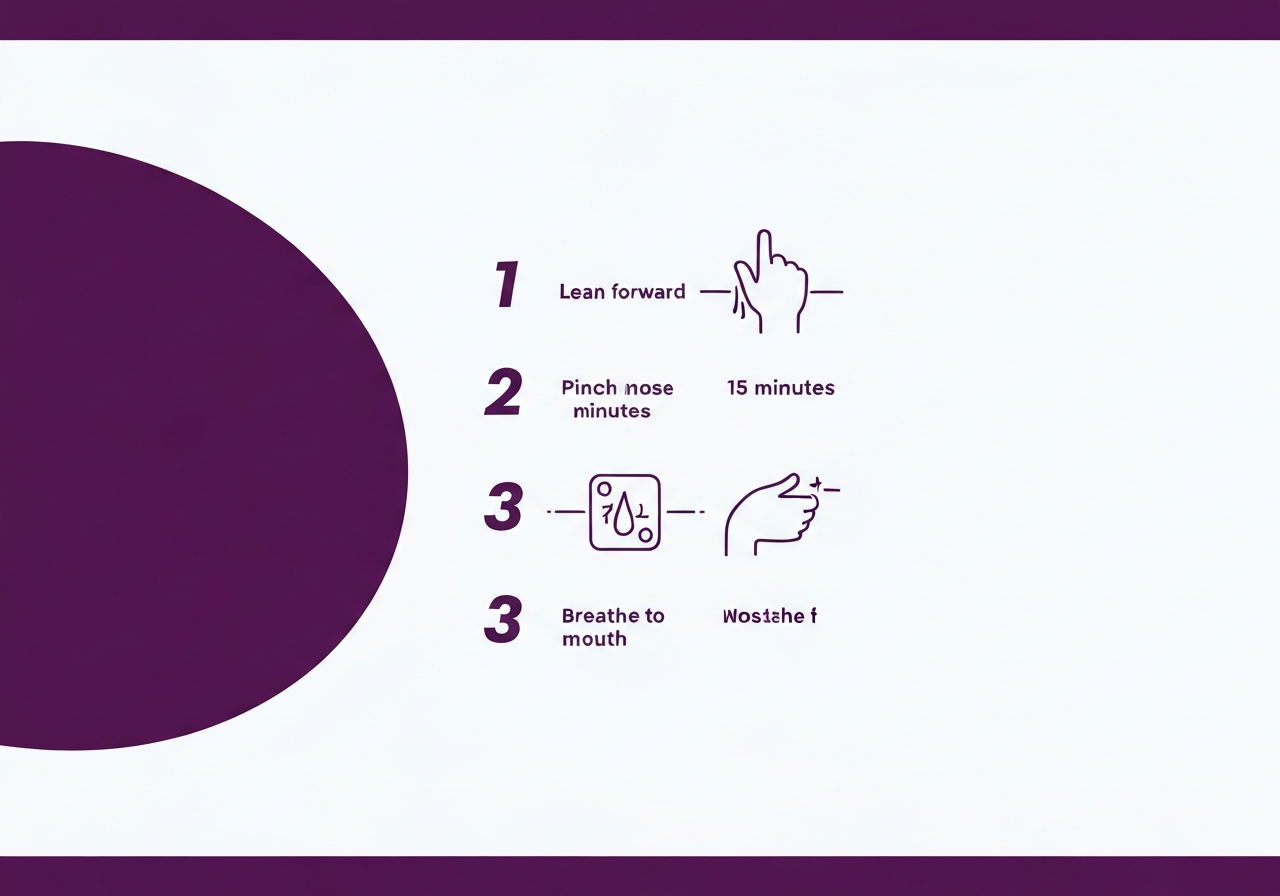
- Lean forward slightly — not back. Tilting your head back sends blood down your throat, which can cause nausea.
- Pinch the soft part of your nose — the area below the bony bridge — and hold for 10 to 15 minutes without checking. Every time you release, the clot breaks.
- Breathe through your mouth and stay calm. Anxiety raises blood pressure, and higher blood pressure makes bleeding harder to control.
- Apply a cold pack to the bridge of your nose if you have one.
In addition, avoid lying down or tilting your head back. Although those positions feel more comfortable, they make things worse. If 15 minutes of steady pressure hasn’t stopped the bleeding, however, it’s time to seek care.
When Urgent Care for Nosebleed Is the Right Call
Urgent care for nosebleed treatment is the right choice in these situations. For example, go in if:
- Bleeding continues after 15–20 minutes of steady pressure
- You’re getting nosebleeds several times a week
- The bleed followed a hit to the face (without major trauma or loss of consciousness)
- You take blood thinners like warfarin, aspirin, or Eliquis, and the bleeding won’t slow down
- You have a bleeding disorder or clotting condition
- Blood is coming from both nostrils at once
- You’re swallowing significant amounts of blood
Because urgent care is walk-in, you don’t need to call ahead. At CityHealth Urgent Care, providers can evaluate and treat persistent nosebleeds same-day at our San Leandro and Oakland locations.
Urgent Care vs. ER for a Nosebleed
For most nosebleeds that need medical attention, urgent care handles it well. However, some situations require the emergency room instead. Here’s how to decide:
Go to the ER if:
- The bleed followed a serious head injury or car accident
- You’re losing blood so fast that you feel faint or dizzy
- You have chest pain or trouble breathing along with the bleeding
- You lost consciousness at any point
Urgent care is the right choice if:
- Bleeding won’t stop but you feel stable and alert
- You had a minor bump or fall
- You take blood thinners and the bleeding is heavier than usual
- You’ve had several nosebleeds this week and want them checked out
The ER is built for life-threatening emergencies. Therefore, a nosebleed that needs treatment but isn’t putting your life at risk is better handled at urgent care — you’ll be seen faster and spend significantly less money. According to the American College of Emergency Physicians, emergency rooms treat approximately 400,000 nosebleed visits per year in the US, many of which could have been handled at a lower level of care.
Urgent Care for Nosebleed: What Happens When You Walk In
When you arrive, the provider checks your vital signs and asks how long you’ve been bleeding. Treatment depends on what’s causing the bleed and how severe it is. Because urgent care facilities carry the tools for nasal emergencies, you’ll typically get the bleeding stopped in the same visit.
Common urgent care treatments for nosebleeds include:
- Nasal packing: Gauze or a small balloon is placed inside the nostril to apply pressure from the inside. It stays in place for 24–48 hours in most cases, so you’ll leave with packing in and instructions to follow at home.
- Cauterization: Chemical cauterization uses silver nitrate to seal a bleeding blood vessel. It’s quick and effective for anterior bleeds. The procedure takes just a few minutes in the exam room.
- Topical vasoconstrictors: Medications like oxymetazoline shrink blood vessels fast. In addition to stopping the bleed, these reduce swelling in the nasal lining.
- Lab work: If you’re on blood thinners or have recurring bleeds, the provider may order bloodwork to check your clotting function. CityHealth offers on-site blood testing at San Leandro.
For posterior nosebleeds — which start deeper in the nasal cavity and are less common — urgent care may refer you to an ENT specialist or the ER. Because posterior bleeds are harder to pack, they sometimes need more specialized care.
Common Causes of Nosebleeds
Most nosebleeds happen in the front of the nose, where the blood vessels sit close to the surface. Because these vessels are fragile, they break easily. Common triggers include:
- Dry air: Low humidity dries out the nasal lining and makes it crack. This is why nosebleeds spike in winter and in air-conditioned spaces.
- Nose-picking or blowing too hard: Both put direct pressure on thin vessels.
- Allergies and upper respiratory infections: Inflammation and frequent nose-blowing irritate the lining over time.
- Blood thinners: Aspirin, warfarin, and newer anticoagulants reduce clotting ability. Therefore, bleeds are harder to stop and may happen more frequently.
- High blood pressure: Hypertension doesn’t directly cause nosebleeds, but it makes them harder to control once they start.
- Nasal sprays: Overuse of decongestant sprays dries and irritates the lining.
Although most nosebleeds are harmless, recurring bleeds without an obvious cause sometimes indicate a bleeding disorder or, in older adults, a nasal polyp or growth. So if you’re having more than two or three per month, have them evaluated.
Preventing the Next Nosebleed
Once the bleed is stopped, here’s how to lower your chances of another one. Because dryness is the number one trigger, moisture is your main tool:
- Run a humidifier in your bedroom, especially in winter
- Apply a small amount of petroleum jelly inside each nostril at night
- Use saline nasal spray daily to keep the lining hydrated
- Avoid blowing your nose hard for several days after a bleed
- Don’t pick — even gentle friction can reopen a healing vessel
In addition, if blood thinners are contributing to frequent bleeds, talk with your prescribing provider. However, don’t adjust or stop those medications on your own without guidance.
Nosebleed After a Fall or Hit to the Face
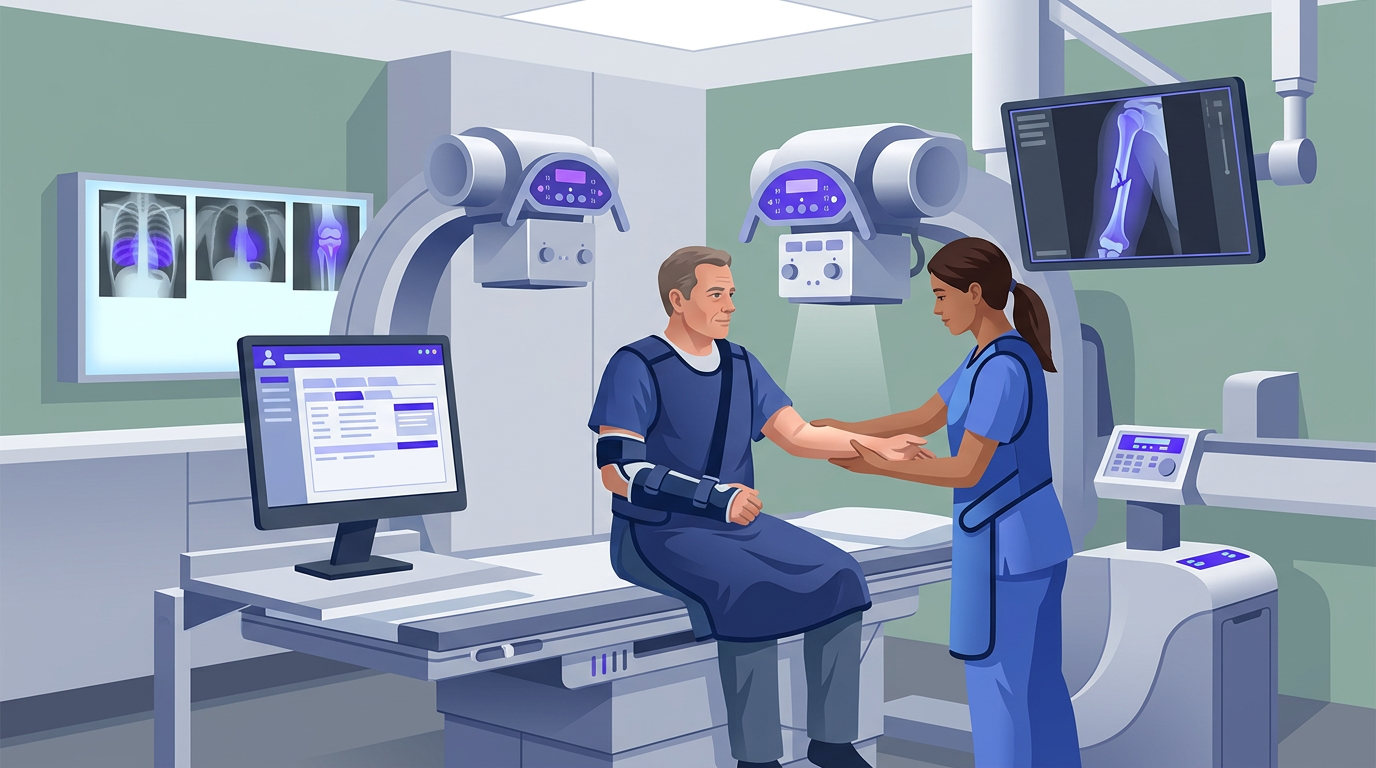
A nosebleed from facial trauma needs evaluation even if the bleeding stops quickly. At urgent care, providers can assess for a broken nose with an X-ray, check for a septal hematoma (blood pooling that needs draining), and confirm there’s no deeper injury.
Go to the ER instead if the fall or hit was severe, if you lost consciousness even briefly, or if you notice clear fluid from the nose — because that can indicate a skull fracture.
Get Seen Today — No Appointment Needed
Most nosebleeds that need treatment don’t require an ER visit. Because urgent care for nosebleed treatment is faster and more affordable, it’s the right first step. CityHealth Urgent Care in San Leandro is open Monday 10am–7pm, Tuesday through Friday 9am–7pm, and weekends 9am–5pm.
Walk in to CityHealth Urgent Care today. No appointment needed. Call (510) 984-2489 if you have questions before you come in. We treat nosebleeds, recurring bleeds, and facial injuries same day — and we can check your blood work on-site if needed.
Frequently Asked Questions
Can urgent care treat a nosebleed that won’t stop?
Yes. Urgent care providers can cauterize bleeding vessels, place nasal packing, and find the underlying cause. Most nosebleeds that don’t respond to home care are handled well at urgent care — however, posterior bleeds sometimes need ENT or ER follow-up.
How much does urgent care cost for a nosebleed?
An urgent care visit typically costs $100–$300 depending on your insurance and what treatment is needed. That’s far less than an ER visit for the same complaint. CityHealth accepts most major insurance plans and offers self-pay rates.
Should I go to the ER for a nosebleed?
Only if you feel faint from blood loss, the bleed followed a serious head injury, or you have symptoms beyond the bleeding. For most cases, urgent care is faster, cheaper, and equally effective.
How do I know if I have a posterior nosebleed?
Posterior bleeds start deeper in the nose. Signs include blood draining down your throat even when leaning forward, bleeding from both sides at once, and a bleed that doesn’t respond to 20 minutes of pressure. Because these are harder to treat, they need a provider’s evaluation.