Anxiety is not just a mental health condition — it is a full-body experience. During an anxiety or panic attack, the physical symptoms can be so intense that many people genuinely fear they are having a heart attack or stroke. Understanding when to seek urgent care for anxiety is important: it ensures you get the physical evaluation you need while also connecting you to appropriate mental health support.
At CityHealth Urgent Care, we see patients with anxiety-related physical symptoms every day. Our role is to evaluate those symptoms thoroughly, rule out serious cardiac or pulmonary causes, and help you understand what is happening in your body.
Can I Go to Urgent Care for Anxiety?
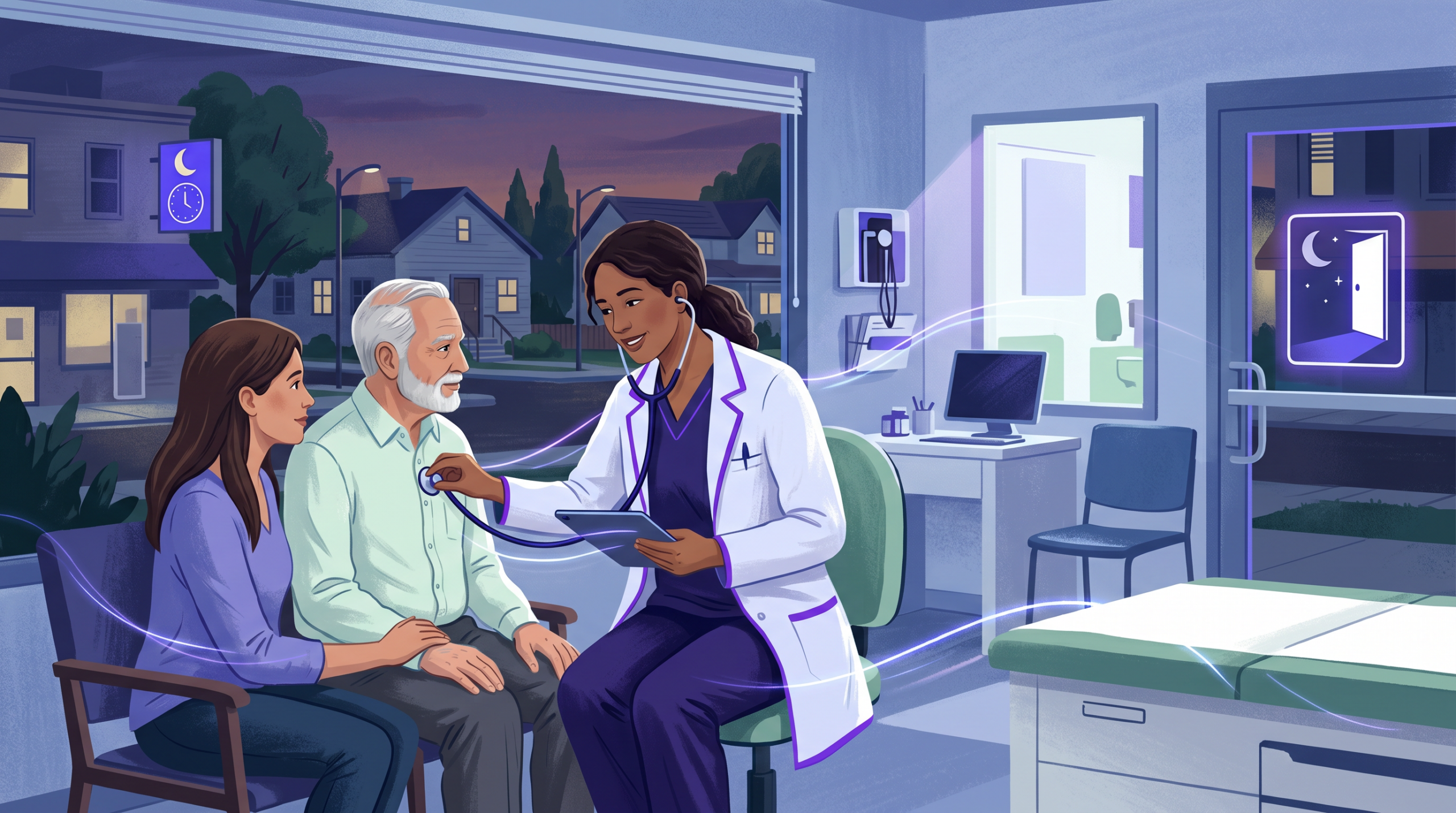
Yes — you can go to urgent care for anxiety. Urgent care is the right choice when anxiety symptoms are severe or when you are unsure whether you are having a panic attack or a cardiac event. CityHealth San Leandro can evaluate your symptoms, rule out physical causes, and provide same-day treatment to help stabilize your condition.
Reasons to go to urgent care for anxiety:
- Your anxiety symptoms came on suddenly and are severe (chest pain, racing heart, difficulty breathing)
- You cannot distinguish whether your symptoms are from anxiety or a physical condition (heart attack, asthma)
- You need a prescription for short-term anxiety management while awaiting a therapist or psychiatrist
- You are experiencing an anxiety or panic attack that is not improving
- You have not been previously diagnosed with anxiety and want a medical evaluation
Urgent care is not a replacement for mental health therapy or psychiatric care. For ongoing anxiety management, our providers can refer you to appropriate mental health resources.
Physical Symptoms of Anxiety That May Warrant Urgent Care
Anxiety activates the body’s fight-or-flight response, triggering a cascade of physical reactions. These symptoms are real and can be alarming:
- Chest tightness or pressure
- Shortness of breath or a feeling of not getting enough air
- Racing or pounding heart (palpitations)
- Dizziness or lightheadedness
- Numbness or tingling in the hands, feet, or face
- Nausea or stomach upset
- Sweating or chills
- Trembling or shaking
- Feeling of impending doom or unreality
The challenge is that many of these symptoms — especially chest tightness and shortness of breath — overlap with symptoms of serious cardiac and respiratory conditions. Seeking urgent care for anxiety is often the right call when you cannot confidently distinguish between the two.
When to Go to Urgent Care vs. Call 911 for Anxiety Symptoms
Not every episode of chest tightness is an anxiety attack. Call 911 immediately if you experience:
- Severe chest pain, especially with pressure radiating to your arm, jaw, or back
- Sudden loss of consciousness or fainting
- Lips or fingertips turning blue (cyanosis)
- Sudden severe shortness of breath with no prior anxiety history
- Chest pain with a history of heart disease, blood clots, or recent surgery
If you are unsure, always default to calling 911 or going to the emergency room. Once cardiac and pulmonary emergencies have been ruled out, urgent care for anxiety is entirely appropriate for ongoing or recurrent anxiety symptoms.
Read our complete guide on urgent care for chest pain to understand which symptoms indicate a cardiac emergency.
Why Anxiety Symptoms Can Mimic Cardiac Conditions
During an anxiety or panic attack, the sympathetic nervous system floods your body with adrenaline (epinephrine). This causes your heart to beat faster, your breathing to quicken, and your muscles to tense. Blood flow shifts away from the digestive system and toward the muscles.
This physiological response is identical to what the body does during actual physical danger. From the body’s perspective, there is no difference between a panic attack and a real threat — the experience is the same. This is why panic attacks can feel so convincing and terrifying.
According to the National Institute of Mental Health (NIMH), anxiety disorders affect over 19% of adults in the United States each year, making them the most common mental health condition. Physical manifestations are a core part of the disorder — not just a side effect.
What Urgent Care Can Do for Anxiety Symptoms
CityHealth urgent care providers cannot provide long-term psychiatric care or ongoing therapy. However, when you present with anxiety symptoms, we can:
Rule Out Cardiac Causes
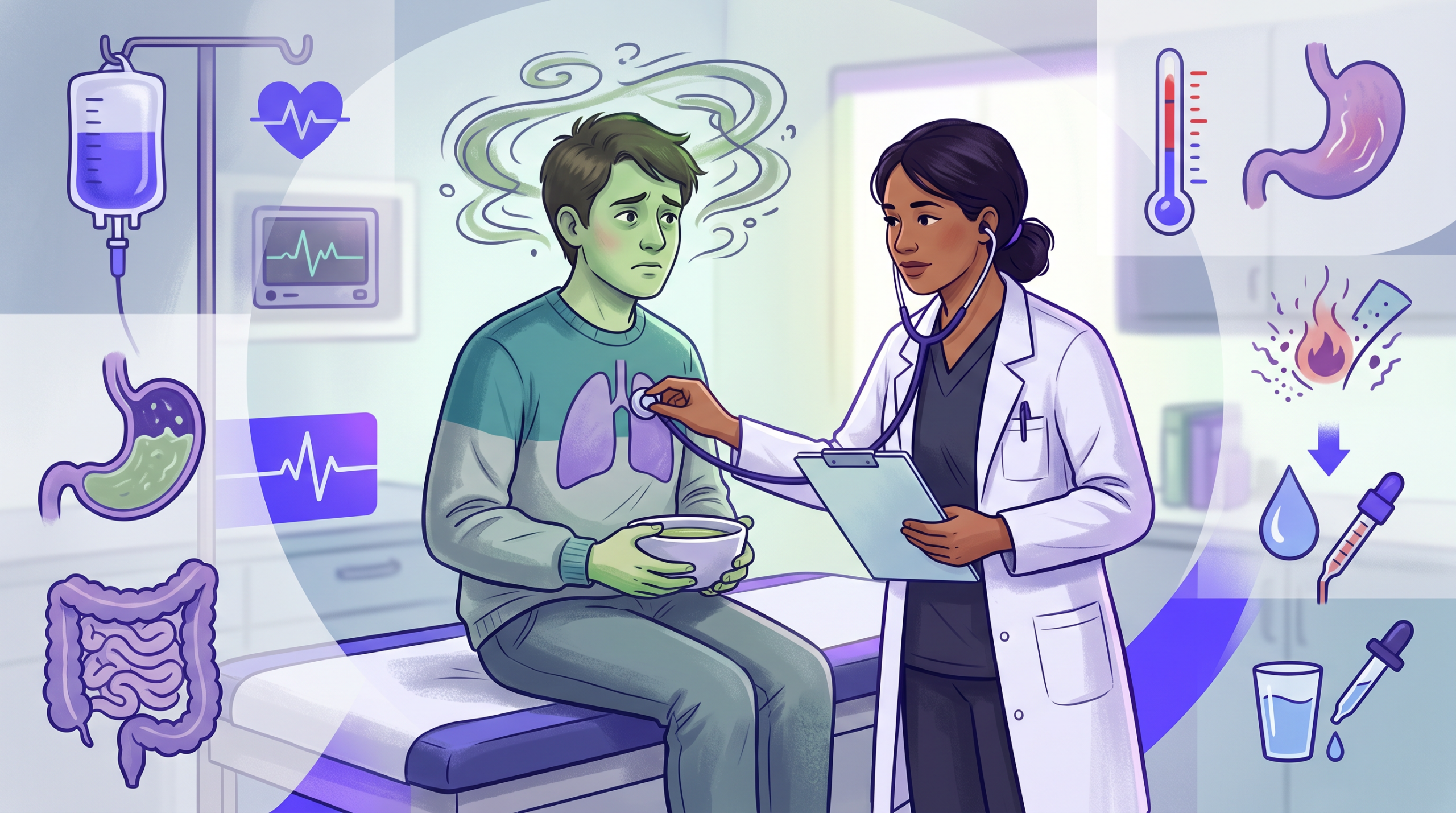
We perform an EKG (electrocardiogram) to assess your heart rhythm and look for any signs of cardiac abnormality. A normal EKG during chest tightness and palpitations provides powerful reassurance that your symptoms are not cardiac in origin.
Check Oxygen Levels and Breathing
A pulse oximetry reading confirms that your blood oxygen levels are normal. We can also listen to your lungs to rule out asthma, bronchospasm, or other respiratory conditions that can cause shortness of breath and mimic anxiety.
Run Basic Labs
Certain medical conditions can cause or worsen anxiety symptoms, including hyperthyroidism (which causes racing heart and tremor), low blood sugar (which causes shakiness and sweating), anemia (which causes rapid heart rate and shortness of breath), and electrolyte imbalances (which can trigger palpitations). A simple blood draw can check thyroid function, blood glucose, a complete blood count, and electrolytes. Visit our page on urgent care blood tests in Oakland to learn about our lab services.
Provide Short-Term Symptomatic Relief
If you are in the midst of an acute panic episode, a provider can offer supportive care and, when clinically appropriate, prescribe a short course of a benzodiazepine for immediate symptom relief. This is not a long-term solution — it is a bridge while you get connected with a mental health provider.
Provide Referrals and Resources
CityHealth providers can refer you to mental health services, primary care, or a psychiatrist for longer-term anxiety management. We can also provide documentation for employee assistance programs or other support services.
Breathing Techniques to Use During an Anxiety Episode
If you are experiencing an anxiety episode and waiting to be seen, try the 4-7-8 breathing technique: inhale through your nose for 4 seconds, hold for 7 seconds, then exhale slowly through your mouth for 8 seconds. Repeat 3 to 4 times. Controlled breathing activates the parasympathetic nervous system, which counteracts the fight-or-flight response and reduces symptoms significantly.
When Anxiety Requires More Than Urgent Care
Urgent care is appropriate for acute physical symptom evaluation and one-time or infrequent anxiety episodes. However, if anxiety is significantly affecting your daily life, you need ongoing care from a mental health professional. Consider seeking further care if you experience panic attacks more than once a week, if anxiety interferes with work or relationships, or if you are using alcohol or substances to manage anxiety symptoms.
Effective treatments for anxiety disorders include cognitive behavioral therapy (CBT), medication (SSRIs and SNRIs), and a combination of both. These are best managed by your primary care provider or a psychiatrist.
Urgent Care for Anxiety in Oakland and the East Bay
CityHealth serves patients in Oakland, San Leandro, and Alameda with walk-in care available seven days a week. If you are experiencing anxiety symptoms that are affecting your physical health and you need a medical evaluation, we are here to help. We will assess your symptoms thoroughly, run appropriate tests to rule out serious causes, and connect you with the resources you need to feel better. Visit any CityHealth location today.
Also see: Urgent Care for Chest Pain | Urgent Care for High Blood Pressure | Urgent Care vs. ER
Need same-day care?
CityHealth San Leandro offers walk-in urgent care 7 days a week with on-site lab and X-ray. Book an appointment online or visit our San Leandro clinic.
See our complete guide: what can urgent care treat.