
Quick Answer
If your dog bit you and broke the skin, wash the wound with soap and water for at least 5 minutes, apply firm pressure to control bleeding, and get it evaluated by a medical provider the same day. CityHealth urgent care in San Leandro sees dog bite wounds walk-in, 7 days a week — no appointment needed. Call (510) 984-2489 or just come in.
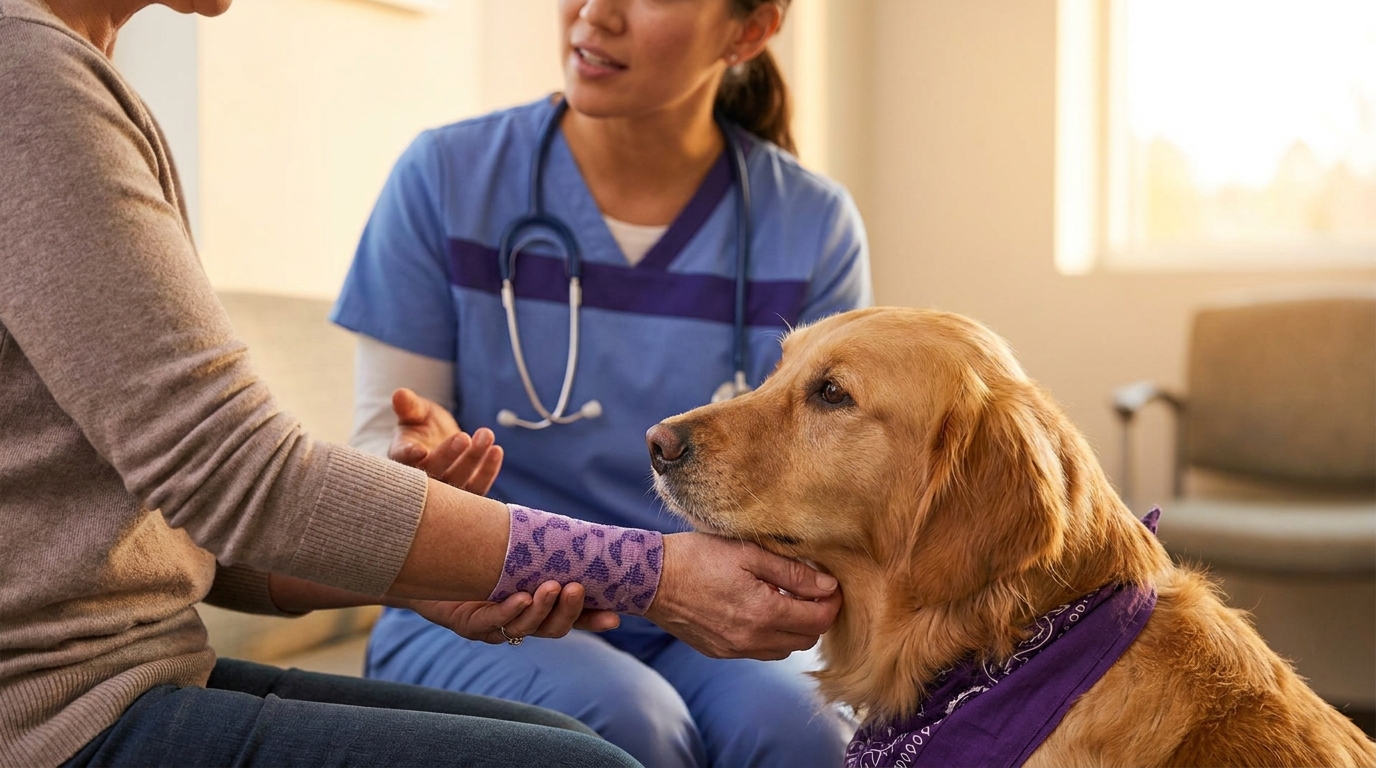
My dog bit me is something thousands of people search every year, usually within minutes of it happening. Whether it was a quick snap during bathtime, a reaction to pain, or something that came out of nowhere from a dog you’ve had for a decade, if the skin broke, you need to take it seriously. Dog bites get infected faster than most people expect, and the window for doing the right thing is short.
What to Do in the First Hour After Your Dog Bites You
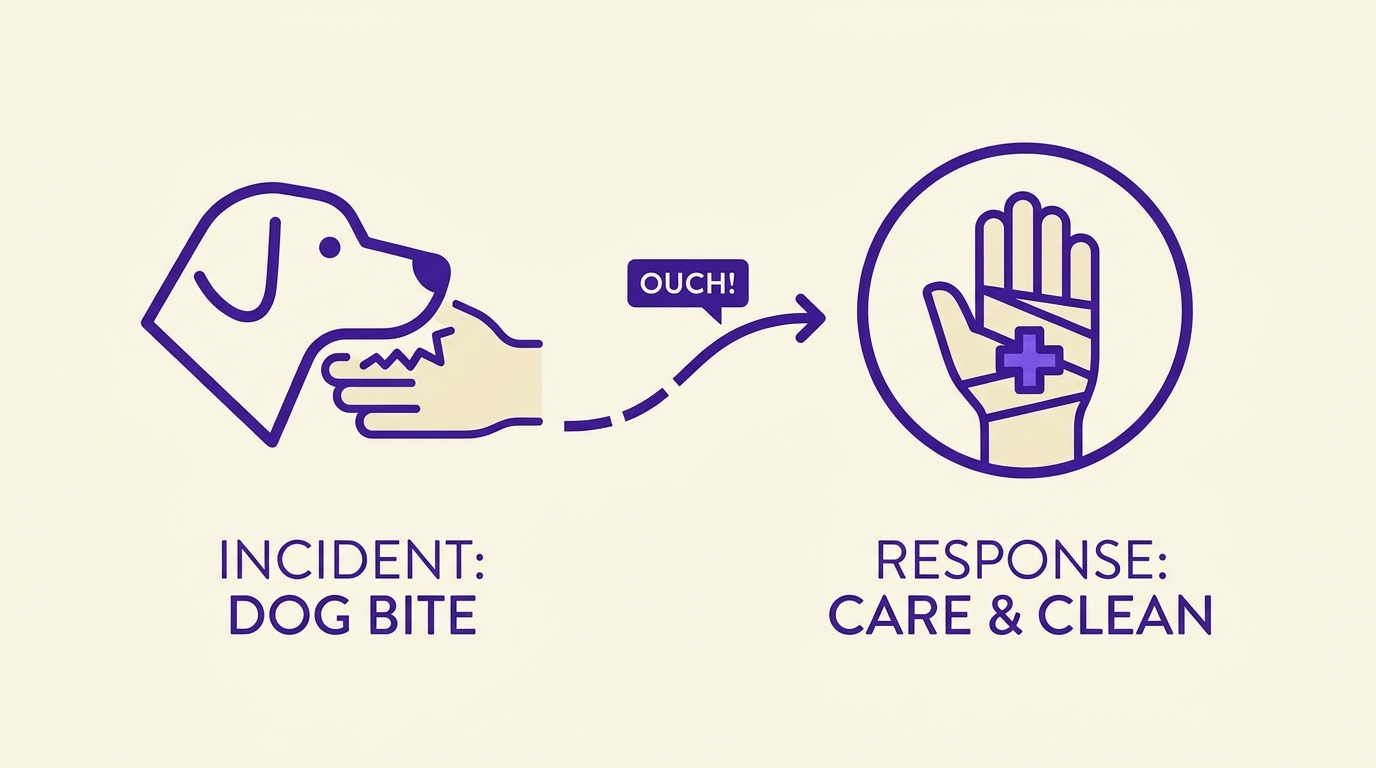
The first 60 minutes matter. Dog mouths carry a dense mix of bacteria, and once those bacteria get into a puncture wound or laceration, they have a warm, protected place to multiply. Here’s the exact order of operations:
Stop the bleeding first. Apply firm, steady pressure with a clean cloth or gauze. Most dog bite wounds stop bleeding within 10 to 15 minutes of continuous pressure. Don’t keep lifting the cloth to check — that breaks the clot before it’s set.
Wash the wound thoroughly. Run clean water over it for at least 5 minutes, then scrub gently with mild soap. This is the single most effective thing you can do to cut infection risk. The goal is to physically flush bacteria out of the wound, not just rinse the surface.
Cover it. After washing, apply an over-the-counter antibiotic ointment if you have it, and cover with a clean bandage. Keep it covered until you’re seen by a provider.
Don’t wait on evaluation. Even if the wound looks minor, a bite that breaks the skin needs a medical eye on it the same day. Puncture wounds are especially deceptive. They look small on the outside but can drive bacteria deep into tissue where they’re hard to reach and harder to treat.
When a Dog Bite Needs Urgent Care — Which Is Most of the Time
People talk themselves out of going in. The dog is vaccinated. The bite doesn’t look that bad. It already stopped bleeding. These reactions are understandable, but the infection risk from a dog bite isn’t only about rabies. It’s about the bacteria that live in every dog’s mouth, vaccinated or not.
Get seen the same day if any of these apply:
- The bite broke the skin, even slightly
- It’s a puncture wound, especially on the hand, foot, or face
- The wound is near or on a joint — knuckle, wrist, ankle, knee
- You have diabetes, are immunocompromised, or take corticosteroids regularly
- You haven’t had a tetanus booster in the last 5 years
- The bite is deep enough to see fat or tissue below the skin
- You can’t confirm the dog’s vaccination history
The Mayo Clinic recommends seeking care immediately for any animal bite that breaks the skin. That guidance applies to bites from pets you know well.
What about rabies?
If the dog is your own, is vaccinated, and there was a clear reason for the bite — pain, surprise, resource guarding — the rabies risk is very low. But it still needs to be assessed by a provider, not assumed at home. If the dog was a stray, acting erratically, or you genuinely can’t confirm vaccination status, tell the provider right away. That changes the evaluation completely.
What about bacterial infection?
The main organisms to worry about are Pasteurella, Staphylococcus, Streptococcus, and Capnocytophaga — all common in dog mouths, all capable of causing serious infection within 24 to 48 hours. Signs of infection include redness spreading beyond the wound edge, increasing pain after the first day, warmth, swelling, pus, red streaking, or fever. If you see any of those, don’t wait for your follow-up appointment. Come back in immediately.
What Happens When You Come In for a Dog Bite
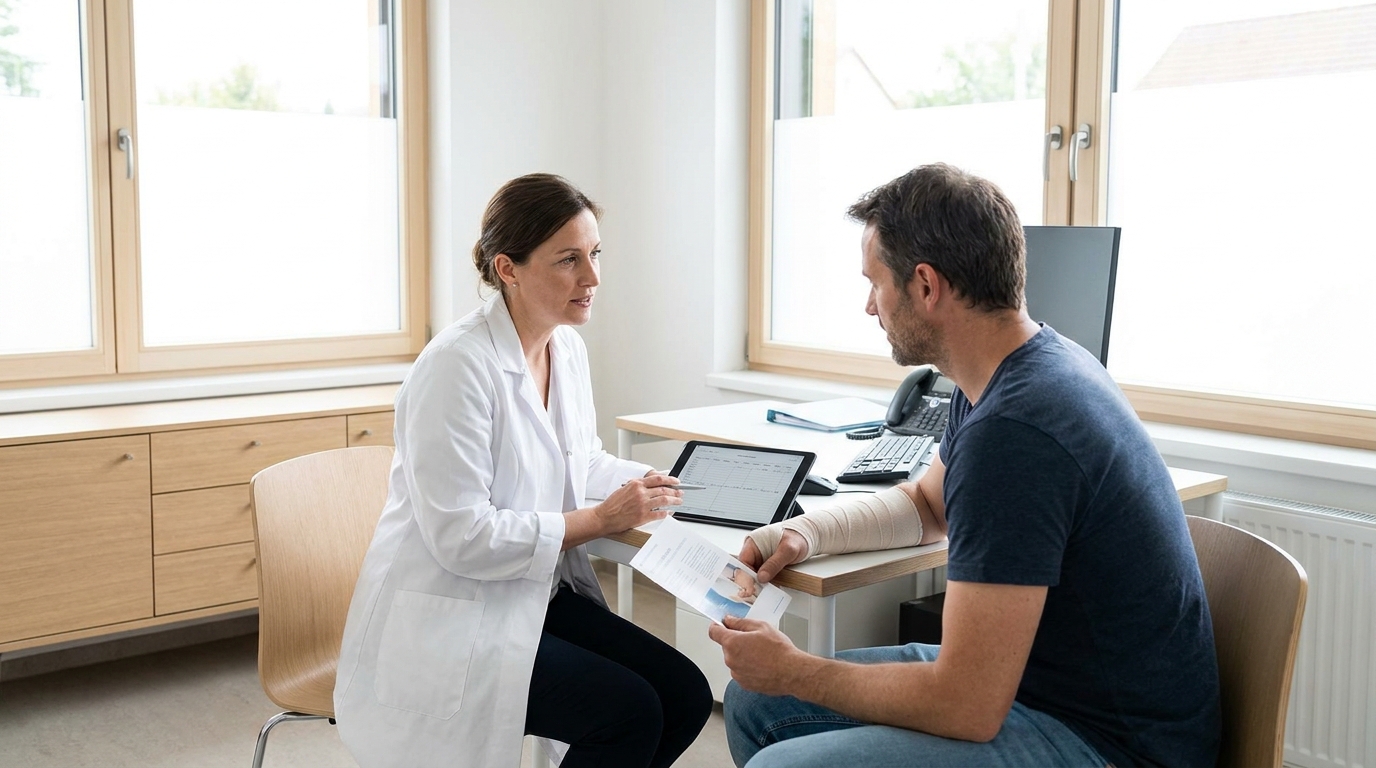
At CityHealth urgent care in San Leandro, a dog bite visit covers several things in a single visit.
Wound assessment. The provider examines the depth, location, and contamination level of the bite. Hands and joints get extra scrutiny because infections there can affect tendons and cause long-term damage if not caught early.
Irrigation. The wound gets professionally irrigated to flush bacteria and debris. This is more thorough than anything you can do at home with a running faucet and a bar of soap.
Decision on closure. Not every dog bite wound should be sutured. Puncture wounds are often left open to reduce infection risk. Lacerations on the face may be sutured for cosmetic reasons. Your provider will explain the reasoning for whatever approach makes sense for your specific wound.
Antibiotics. Most dog bite wounds that break the skin get a course of antibiotics. Amoxicillin-clavulanate (Augmentin) is the standard choice. If you’re allergic to penicillin, alternatives are available.
Tetanus check. You’ll be asked when you last had a booster. If it’s been more than 5 years, you’ll likely get one during the visit. If you’re not sure when your last one was, assume it’s been too long.
Reporting requirements. In California, healthcare providers are required to report certain animal bites to local animal control. Your provider will walk you through what that means and what to expect. It’s standard procedure and doesn’t automatically mean anything happens to your dog.

Dog Bite Aftercare Once You Get Home
Getting evaluated is step one. What you do after matters just as much.
Keep the wound clean and covered. Change the dressing once or twice a day, and whenever it gets wet or dirty. Wash your hands before touching it. A fresh bandage isn’t overkill — it’s basic infection prevention.
Finish the antibiotics. Don’t stop them when the wound looks better. The full course is what prevents antibiotic-resistant infection from developing in tissue that still has bacterial load even when the surface looks healed.
Watch for warning signs. Redness spreading outward from the wound edge, pain that increases after day two, warmth, swelling, discharge, red streaking, or any fever — come back in or call. These can move fast.
Don’t skip follow-up. Some wounds, especially on the hands, need a recheck at 24 to 48 hours. That appointment exists for a reason. Keep it.
CityHealth urgent care at 201 Dolores Ave in San Leandro is open 7 days a week. Self-pay visits start at $145, and most major insurance is accepted including Medi-Cal and Alameda Alliance. Walk in any time — no appointment, no referral needed.
Dog bite? Walk in for wound care today.
CityHealth urgent care in San Leandro is open 7 days a week. No appointment, no referral, no waiting on hold.
WALK IN FOR WOUND CARE →Or call (510) 984-2489
Frequently Asked Questions
My dog bit me but didn’t break the skin — do I still need to see a doctor?
If the skin is completely intact, the infection risk is very low and a clinic visit usually isn’t necessary. Clean the area with soap and water, watch for any bruising or delayed skin breakdown over the next day, and monitor for anything unusual. If the skin breaks at all, even slightly, treat it as a bite wound and get evaluated the same day.
My dog is vaccinated — do I still need to worry about rabies?
A bite from a vaccinated household dog carries very low rabies risk, but the wound still needs to be evaluated by a provider regardless. If you can’t confirm the dog’s vaccination status, or the dog was behaving strangely before the bite, tell your urgent care provider right away so they can do a proper rabies risk assessment and determine if post-exposure treatment is needed.
How fast does a dog bite infection develop?
Dog bite infections can set in quickly. Pasteurella infections — the most common type from dog bites — can produce symptoms within 12 to 24 hours. Signs include redness that spreads beyond the wound, increasing pain, warmth, and swelling. Other bacterial infections may take 24 to 72 hours to become visible. Starting antibiotics within the first day significantly lowers your risk of a serious infection developing.
Can urgent care handle a dog bite, or do I need the ER?
Urgent care can treat the vast majority of dog bites. Go to the ER instead if the bite is actively bleeding and won’t stop after 15 minutes of direct pressure, involves major tissue damage, or you’re showing signs of systemic infection like high fever, confusion, or red streaking moving rapidly up a limb. For everything else, urgent care is faster, far less expensive, and fully equipped for wound care, antibiotics, and tetanus.
Do I need a tetanus shot after a dog bite?
If your last tetanus booster was more than 5 years ago, you should get one after any bite that breaks the skin. If it’s been more than 10 years, you definitely need one. If you’re unsure of your last booster date, your urgent care provider will check and administer one on the spot if needed — it’s a routine part of a dog bite visit.
Bottom Line
When your dog bites you and breaks the skin, the move is always the same: wash it, cover it, and get it seen the same day. Don’t wait to see if it gets infected. By the time infection signs are obvious, you’ve already lost the easiest window to stop it from spreading. A same-day urgent care visit means a provider can clean the wound properly, prescribe antibiotics if needed, check your tetanus status, and flag anything that warrants a closer look.
CityHealth urgent care is at 201 Dolores Ave in San Leandro, open Monday through Friday 9am to 7pm (Monday opens at 10am) and Saturday through Sunday 9am to 5pm. Walk-ins are welcome every day. See all urgent care services or book your appointment online if you’d prefer to reserve a spot before you come in.