Does Urgent Care Do Blood Work? Yes — Here’s What to Expect
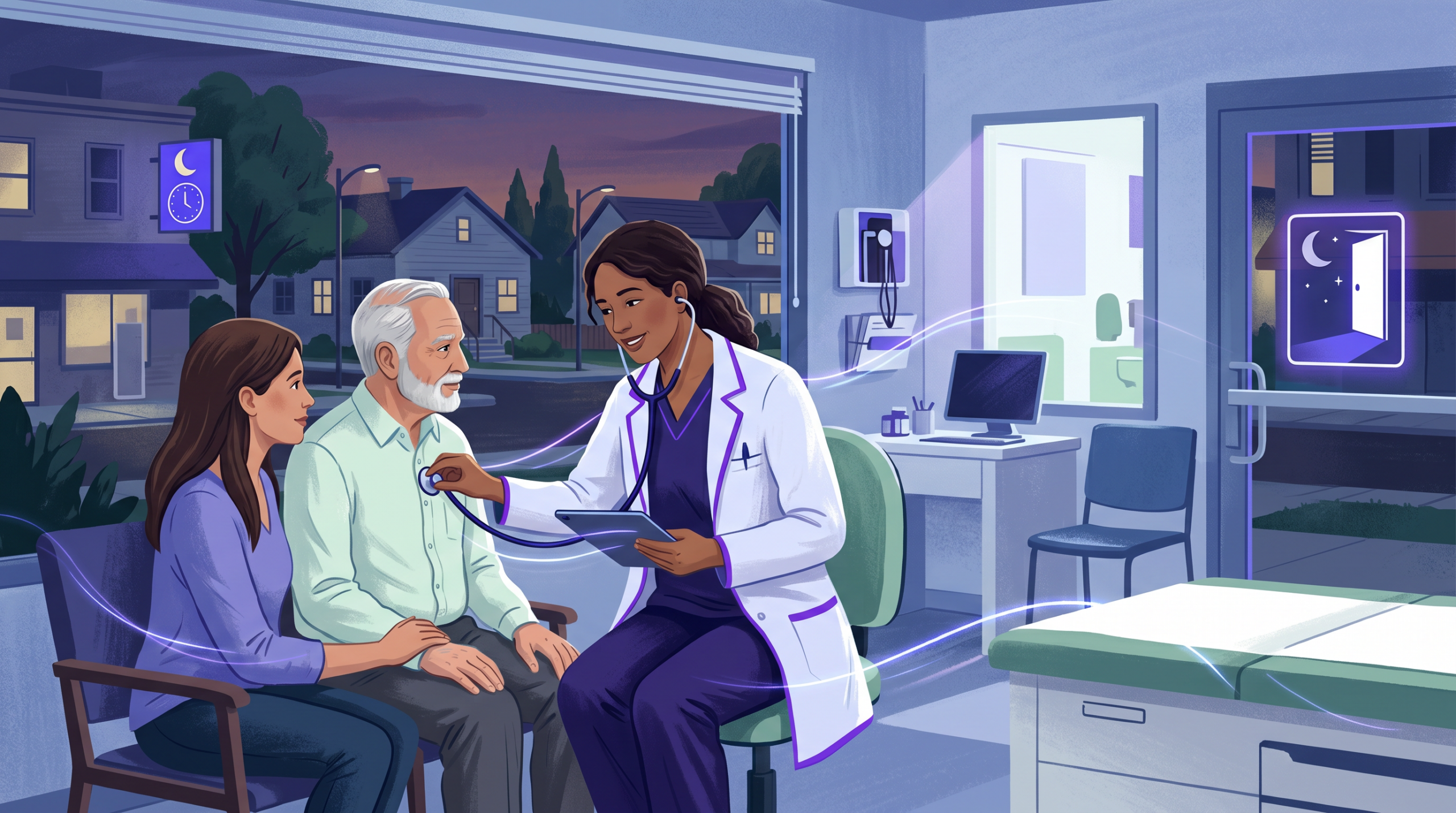
If you’re asking, does urgent care do blood work — yes, most do. You can walk into a full-service urgent care center today, have blood drawn, and get results back the same day for most common tests. No appointment. No referral from another doctor. No waiting two weeks to get into your primary care physician.
Medically reviewed by Sean Parkin, PA — CEO & Founder, CityHealth Urgent Care
However, not every clinic offers the same tests. Here’s exactly what urgent care blood work includes, how fast results come back, and what it costs.
Does Urgent Care Do Blood Work?
Yes — urgent care centers can draw blood, order lab panels, and return results the same day for most standard tests. The provider you see writes the order right there. Because of this, you don’t need a separate primary care visit to authorize the draw.
For example, a complete blood count, metabolic panel, cholesterol check, or thyroid screen can all happen at walk-in urgent care. In addition, many centers handle STI panels, pregnancy blood tests, and A1C checks for diabetes monitoring. A small number of highly specialized tests still require a hospital lab, but those come up far less often than people expect.
At CityHealth Urgent Care in San Leandro, blood draws are available walk-in during all operating hours. Furthermore, most standard panels process through our lab partner the same day.
What Blood Tests Can Urgent Care Run?
The specific tests vary by clinic. However, most full-service urgent care centers offer the following:
- Complete Blood Count (CBC) — checks red blood cells, white blood cells, and platelets. Also used to diagnose infection, anemia, and clotting disorders.
- Comprehensive Metabolic Panel (CMP) — evaluates kidney function, liver enzymes, blood sugar, and electrolytes. For example, this is standard for annual checkups and diabetes monitoring.
- Basic Metabolic Panel (BMP) — a shorter version of the CMP, focused on kidney function and blood sugar.
- Lipid Panel — measures total cholesterol, LDL, HDL, and triglycerides. Therefore, this is the key test for cardiovascular risk screening.
- Hemoglobin A1C — shows your average blood sugar over the past three months. Consequently, it’s the standard test for diagnosing and monitoring type 2 diabetes.
- Thyroid Function (TSH, T3, T4) — screens for hypothyroidism and hyperthyroidism. Moreover, this panel helps explain unexplained fatigue, weight changes, and mood shifts.
- STI panels — HIV, syphilis, hepatitis B and C. In addition, rapid HIV tests return results in minutes.
- Pregnancy test (blood hCG) — more sensitive than a urine test. As a result, it’s useful when a urine test is unclear or very early in a suspected pregnancy.
- Mononucleosis (mono) test — a blood spot test for the Epstein-Barr virus.
- Influenza A/B — rapid testing for flu, typically returning results within 15 minutes.
How Fast Do You Get Blood Work Results at Urgent Care?
Most urgent care blood test results return within one to two hours for rapid panels. However, full lab panels typically take 24 to 48 hours. Speed depends on what’s being tested and how the clinic processes samples.
For instance, rapid in-office tests — flu, strep, mono, pregnancy — return results in 10 to 15 minutes. These run at the clinic with no external lab involved. Because of this, they’re useful when you need an answer before leaving the building.
Standard lab panels, on the other hand, go to a reference lab. If the clinic uses a courier or has a nearby lab partner, results often come back the same afternoon or next morning. Therefore, a few panels — certain hormonal assays, some cultures — may take two to three days.
When you come in, ask the provider what turnaround to expect for your specific test. Also, most clinics now send results via a patient portal so you don’t have to wait for a phone call.
Does Urgent Care Do Blood Work for Specific Conditions?
Blood Work for Pregnancy
Yes. A blood pregnancy test (quantitative hCG) is more sensitive than a urine test. Therefore, it can detect pregnancy earlier and confirm a positive urine test. Results typically come back within a few hours.
Blood Work for Diabetes
Urgent care runs fasting glucose tests and hemoglobin A1C panels. A1C doesn’t require fasting, which makes it easier. In addition, it shows your average blood sugar over the past 90 days — the key diagnostic test for type 2 diabetes. If you’ve been putting off getting checked, walk-in urgent care removes the barrier.
Blood Work for Thyroid
Thyroid panels — TSH, free T3, free T4 — are available at most urgent care centers. For example, if you’re dealing with unexplained fatigue, weight gain, hair loss, or unusual cold sensitivity, a thyroid panel is a logical first step. Moreover, the provider reviews results with you and refers you to an endocrinologist if needed.
Blood Work for Cholesterol
A lipid panel covers total cholesterol, LDL, HDL, and triglycerides. Most guidelines recommend cholesterol screening starting at age 35 for men and 45 for women. However, earlier screening makes sense if you have risk factors like family history or high blood pressure. Consequently, urgent care handles this routinely — no appointment, no waiting for an annual physical slot.
What Does Blood Work at Urgent Care Cost?
Cost depends on your insurance and which tests you need. However, urgent care labs are significantly cheaper than hospital outpatient labs in most cases.
With insurance: You pay your plan’s copay or coinsurance. Most urgent care visits run $30–$75 with a typical commercial plan. Furthermore, lab work may be billed separately under your lab benefit. Check your plan details because some insurers apply blood work toward your deductible rather than the copay.
Without insurance: A basic metabolic panel might run $30–$60. A full comprehensive panel with thyroid and lipid screen might run $100–$200. As a result, this is a fraction of what hospital labs charge uninsured patients.
At CityHealth, we accept most major insurance plans. For instance, we take Medi-Cal, Covered California plans, and major commercial insurance. We’ll also give you an out-of-pocket estimate before any blood draw.
Do You Need a Doctor’s Order for Blood Work at Urgent Care?
No. When you come to urgent care, the provider you see writes the order themselves. Because of this, you don’t need to visit your primary care doctor first, get a referral, and then separately schedule a lab appointment. The visit, the order, and the draw all happen in one place.
This is one of the key advantages of urgent care over stand-alone labs. For example, if you want a cholesterol check before a routine physical but your doctor’s office is booked for three weeks, urgent care gets it done today. Therefore, you arrive at your physical with results already in hand.
When to Go to the ER Instead
Urgent care blood work is appropriate for most non-emergency situations. However, go to the emergency room if you have:
- Chest pain or pressure with shortness of breath
- Signs of a stroke — facial drooping, sudden arm weakness, or slurred speech
- Severe allergic reaction with throat swelling
- High fever with confusion or stiff neck
- Vomiting blood or severe abdominal pain
According to the CDC, urgent care appropriately handles the majority of non-emergency cases that would otherwise go to the ER. For those situations, urgent care is faster, cheaper, and less stressful.
Get Blood Work Done Today at CityHealth
You don’t need a referral, an appointment, or a two-week wait to get blood work done. Walk into CityHealth Urgent Care in San Leandro and a provider evaluates your needs, orders the appropriate tests, and draws your blood — all in one visit.
We handle panels for routine checkups, chronic condition monitoring, pregnancy, thyroid, STIs, and diabetes. Same-day results for most common tests. Book a same-day appointment or walk in — no referral needed.