Doctor Visit Without Insurance: What It Costs and How to Save
You wake up with a sore throat that won’t quit. Maybe your kid has a fever that keeps climbing. You know you need to see someone today, but you don’t have health insurance. So the first question hits: how much does a doctor visit without insurance actually cost? The answer depends on where you go. For instance, a primary care office might charge $150 to $400. Meanwhile, an emergency room could bill you $750 or more. However, affordable options exist, and most people don’t know about them. In fact, a doctor visit without insurance can cost far less than you expect when you choose the right setting.
This guide breaks down real costs for every type of visit. In addition, it covers proven ways to lower your bill, from cash-pay discounts to prescription savings programs. If you live near San Leandro or the greater East Bay, you have more options than you think.

Medically reviewed by Sean Parkin, PA — CEO & Founder, CityHealth
How Much Does a Doctor Visit Without Insurance Cost?
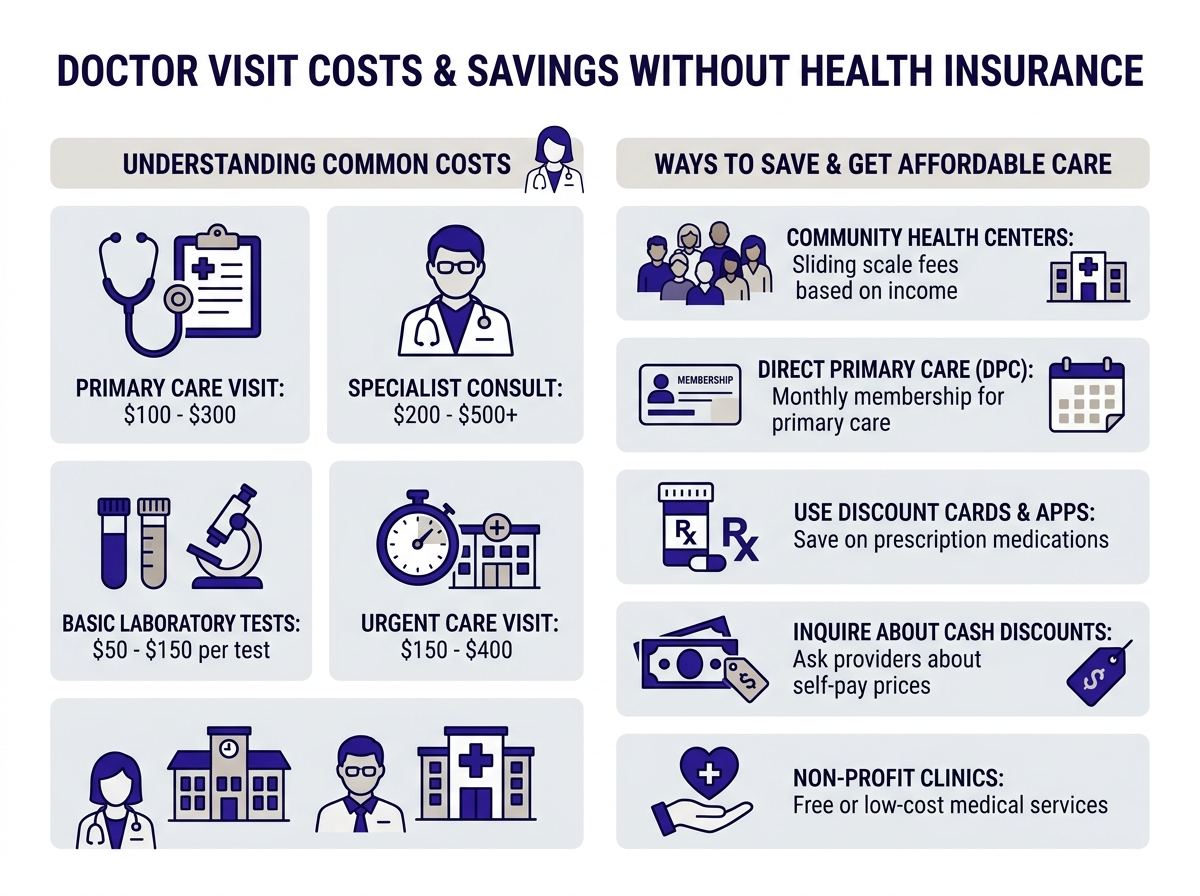
Costs vary widely based on the type of facility, your location, and the complexity of your visit. Below are the national averages for 2025 across common care settings:
- Primary care office visit: $150 to $400. A basic checkup or sick visit falls on the lower end. However, add lab work or procedures, and the bill climbs fast.
- Urgent care clinic: Around $165 on average. Most visits for common illnesses fall between $100 and $250, depending on what tests or treatments you need.
- Walk-in retail clinic (CVS MinuteClinic, Walgreens): Under $100 for basic services like flu tests or strep screenings. However, these clinics handle a narrow range of conditions.
- Telehealth visit: $89 to $99 through platforms like Teladoc or Doctor on Demand. This option works well for simple issues where a physical exam isn’t critical.
- Emergency room: $750 or more on average. For a serious condition, ER bills regularly exceed $2,000 before any imaging or specialist fees.
Clearly, the gap between a $165 urgent care visit and a $750 ER visit matters. For non-life-threatening problems, choosing the right setting saves you hundreds of dollars every single time.
Cheapest Ways to See a Doctor Without Insurance
Of course, not every option works for every situation. Here are the most affordable paths to care, ranked from lowest cost to highest.
1. Community Health Centers
Federally Qualified Health Centers (FQHCs) use a sliding fee scale based on your income and family size. Specifically, if you earn below 200% of the federal poverty level, you could pay as little as $20 to $40 per visit. The U.S. has over 1,400 of these centers. You can find one near you through Healthcare.gov’s community health center directory.
The downside? Unfortunately, wait times can stretch for weeks. As a result, if you need care today, this option won’t help.
2. Telehealth Platforms
Virtual visits cost $89 to $99 with no subscription required on most platforms. A provider can diagnose common problems like sinus infections, UTIs, pink eye, and skin rashes through video. Furthermore, they can send prescriptions to your local pharmacy.
Telehealth works well for straightforward issues. However, it falls short when you need lab work, X-rays, or a hands-on exam. After all, a provider can’t listen to your lungs or press on your abdomen through a screen.
3. Walk-In Retail Clinics
CVS MinuteClinic and Walgreens Healthcare Clinic charge under $100 for basic services. Specifically, they handle flu shots, strep tests, blood pressure checks, and minor skin issues. Nurse practitioners staff most of these clinics.
Their limitations matter, though. In particular, retail clinics typically won’t treat sprains, lacerations that need stitches, or anything requiring an X-ray. Besides, hours can also be unpredictable.
4. Urgent Care Clinics
For the broadest range of walk-in services at a reasonable price, urgent care hits the sweet spot. The average visit costs around $165, and most clinics offer X-rays, lab tests, stitches, splinting, and IV fluids on-site. Most importantly, you get same-day care with no appointment needed.
At CityHealth in San Leandro, uninsured patients get transparent, upfront pricing with no surprise bills. In other words, you know what you’ll pay before treatment starts. That’s a big deal when you’re paying out of pocket. Learn more about urgent care without insurance in the East Bay.
5. Primary Care Offices
A standard office visit runs $150 to $400. However, many primary care practices offer a cash-pay discount of 20% to 40% if you ask. Also, some offer direct primary care memberships at $50 to $100 per month for unlimited visits. This works well for ongoing care needs but not for one-time sick visits.
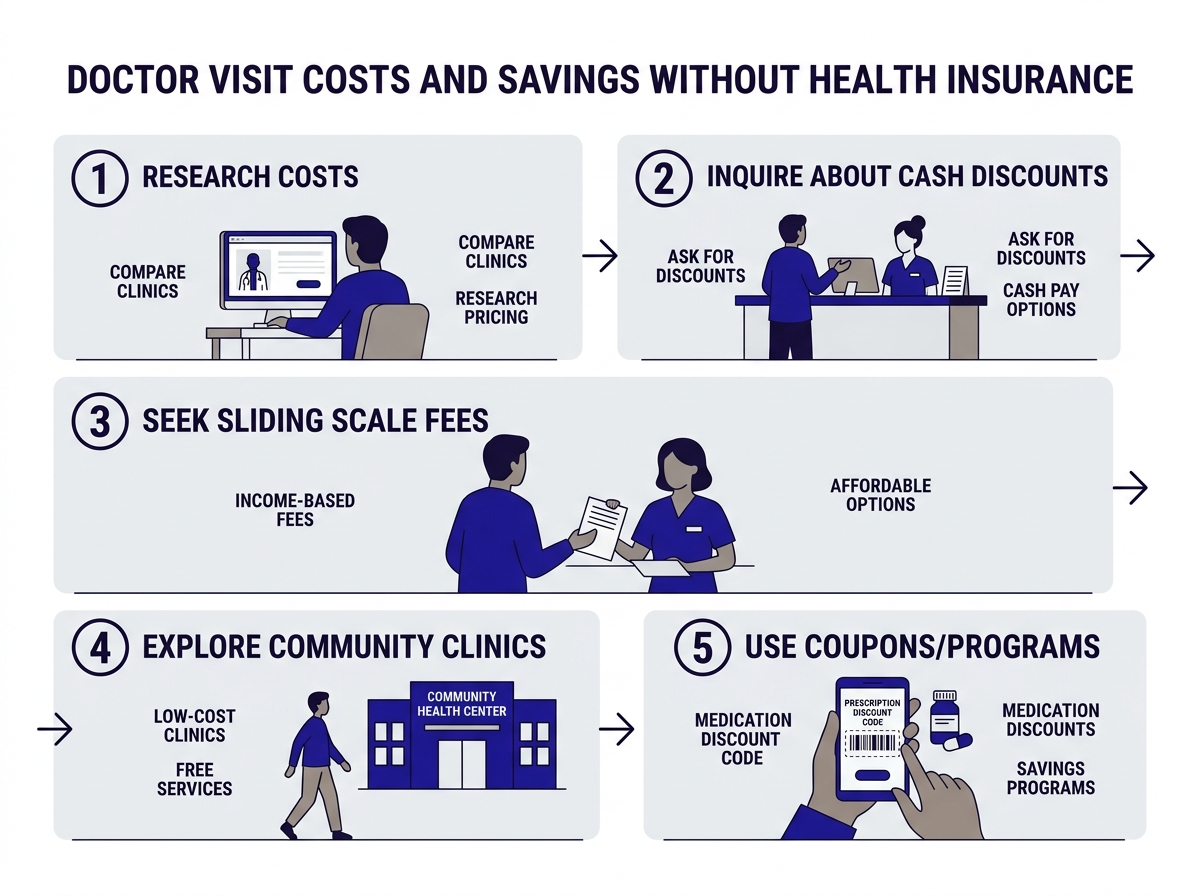
How to Lower Your Bill for a Doctor Visit Without Insurance
No matter where you go, these strategies can reduce what you owe. Indeed, a few simple steps can make a big difference.
Ask for the Cash-Pay Price
Most medical facilities have two price lists: one for insurance companies and one for cash-paying patients. The cash price is almost always lower. Because insurance rates include administrative overhead, coding complexity, and negotiation padding, self-pay patients shouldn’t have to absorb those extra costs.
Therefore, always ask: “What is your cash-pay or self-pay rate?” before your visit. Many clinics, including CityHealth, post their prices online so you can compare before you walk in. If you’re finding doctors with no insurance, start by calling and asking about their self-pay pricing.
Negotiate Before Treatment
You have more bargaining power than you realize. Because providers prefer guaranteed payment over sending a bill to collections, they’re often willing to work with you. Try these approaches:
- Ask for a prompt-pay discount. Offer to pay in full at the time of service in exchange for 10% to 30% off.
- Request itemized estimates. When you see line items, you can question charges that seem excessive or unnecessary.
- Compare prices. Then tell the billing office you’ve checked prices at other facilities. Competition drives discounts.
Use GoodRx or RxSaver for Prescriptions
A doctor visit is only part of the cost. In fact, prescriptions can double or triple your total expense. GoodRx coupons reduce prescription costs by up to 80% at major pharmacies like CVS, Walgreens, and Costco. Also, the app is free and requires no registration.
For example, a 10-day course of generic amoxicillin (commonly prescribed for strep throat or sinus infections) costs $4 to $10 with a GoodRx coupon. Without it, the same prescription might run $25 to $50.
Check for Sliding Scale Programs
Community health centers aren’t the only providers with income-based pricing. In addition, many hospitals, nonprofit clinics, and even some urgent care facilities offer sliding scale fees. Bring proof of income (a recent pay stub or tax return) and ask if you qualify for reduced rates.
Furthermore, some states have charity care programs that require hospitals to discount or forgive bills for low-income patients. For instance, California mandates that nonprofit hospitals provide financial assistance to qualifying patients.
Consider a Health Sharing Plan
Health sharing ministries and similar organizations aren’t insurance. Instead, members contribute monthly and share each other’s medical costs. Plans start around $100 to $200 per month. They won’t cover everything, but they can soften the blow of unexpected medical bills. Just read the fine print carefully, because these plans have significant exclusions.
What Can Urgent Care Treat? (More Than You Think)
Many people default to the ER because they don’t know what urgent care can handle. Here’s what a well-equipped walk-in clinic in San Leandro like CityHealth treats every day:
- Infections: strep throat, sinus infections, ear infections, UTIs, bronchitis, pink eye
- Injuries: sprains, strains, minor fractures, cuts needing stitches, burns
- Skin issues: rashes, allergic reactions, insect bites, abscesses that need draining
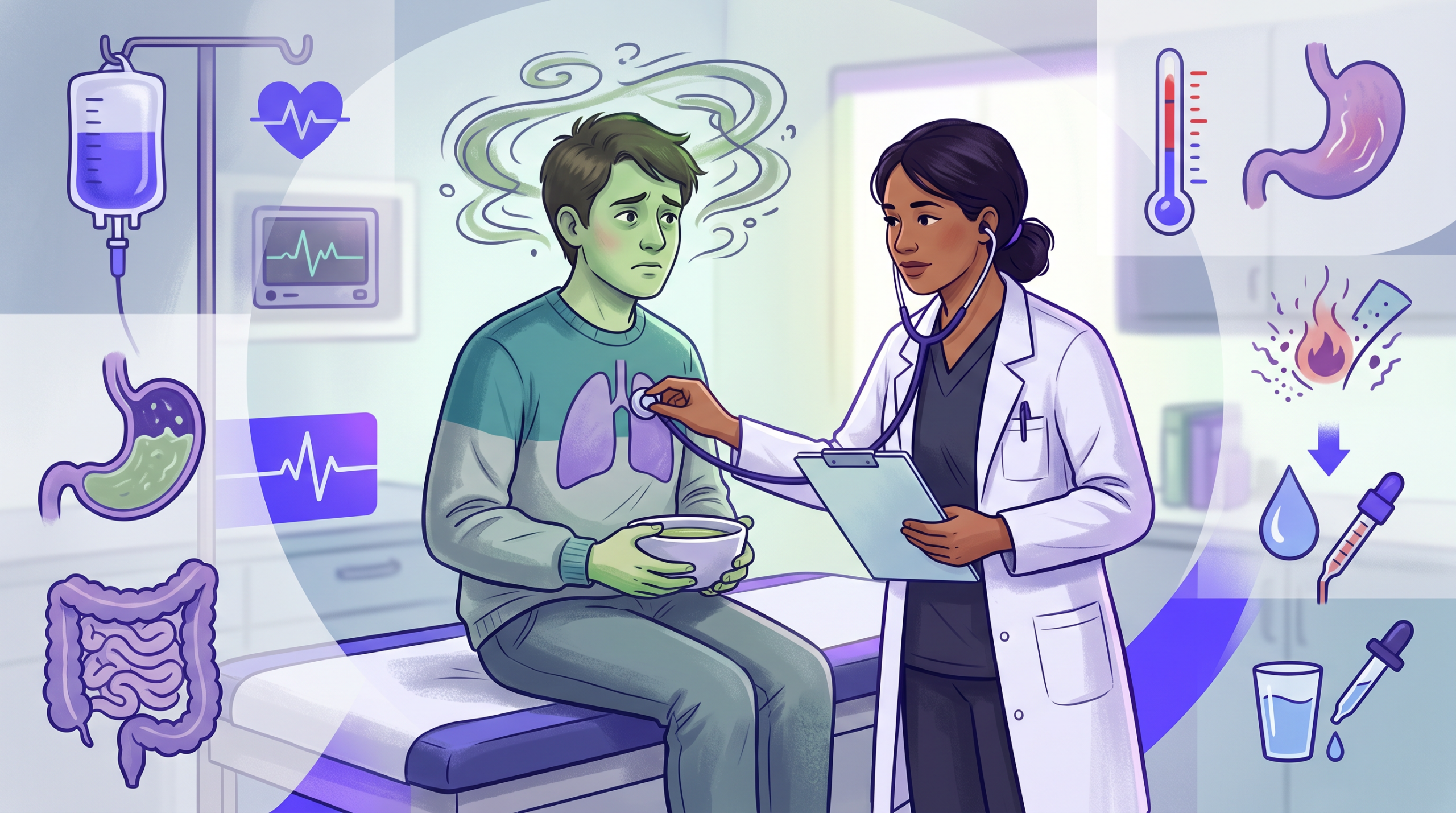
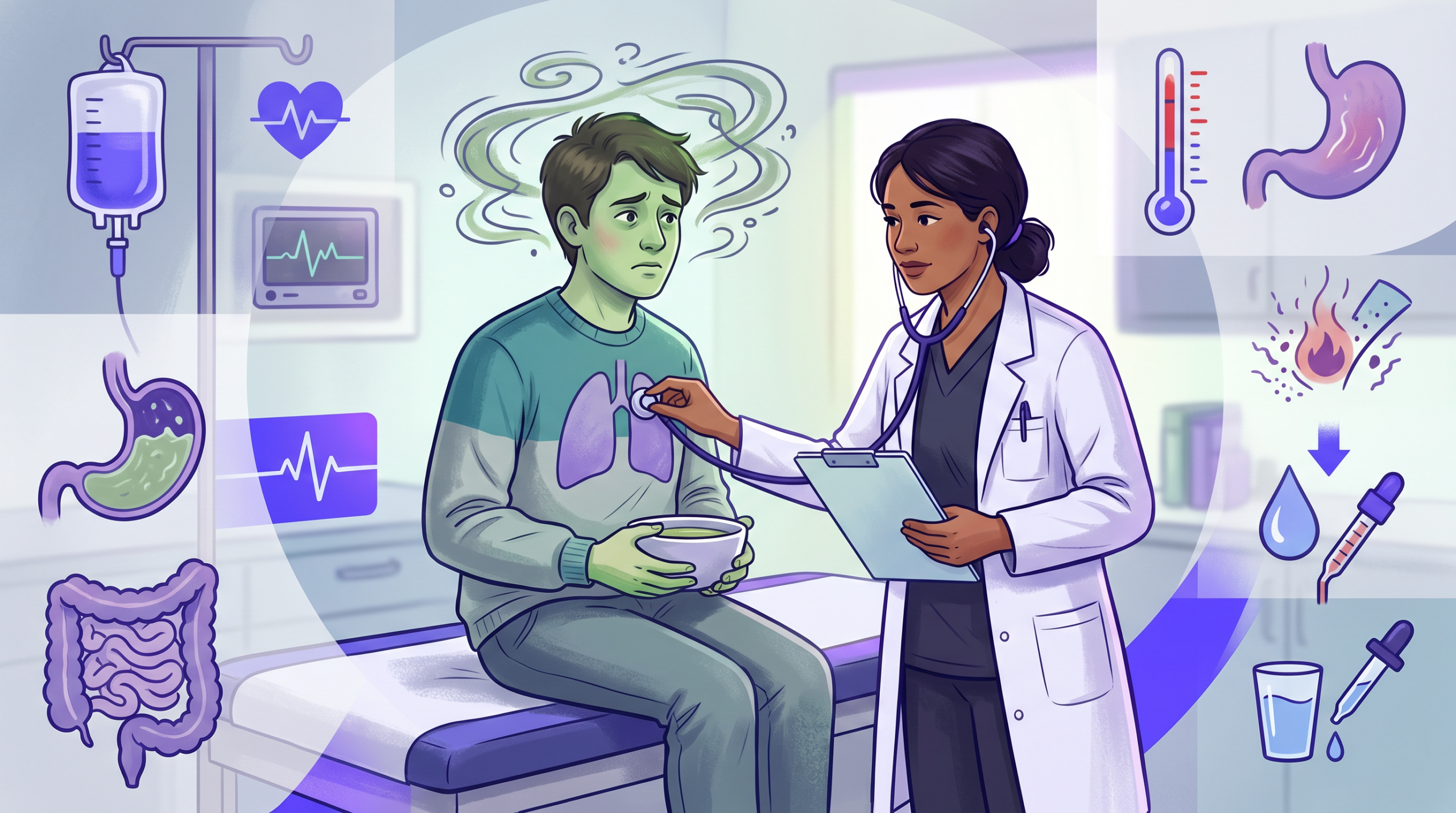
- Stomach problems: food poisoning, nausea, dehydration (IV fluids available)
- Respiratory issues: asthma flare-ups, coughs, flu, COVID testing and treatment
- Diagnostics: X-rays, rapid strep and flu tests, urinalysis, blood work
- Preventive care: physicals, flu shots, STD testing
Notably, that covers roughly 80% of the reasons people visit an ER, according to the Urgent Care Association. Consequently, the difference in cost is hundreds of dollars, sometimes thousands.
When to Go to the ER Instead of Urgent Care
Urgent care has limits. Indeed, some situations demand an emergency room, regardless of cost. Call 911 or go to the ER for:
- Chest pain or difficulty breathing
- Signs of stroke (facial drooping, arm weakness, slurred speech)
- Severe allergic reactions (anaphylaxis)
- Uncontrolled bleeding
- Loss of consciousness or severe head injury
- Suspected heart attack
- Broken bones with visible deformity
- High fever in infants under 3 months old
For everything else, however, urgent care provides faster, cheaper, and equally effective treatment. For example, a typical urgent care wait time runs 15 to 45 minutes. In contrast, the average ER wait exceeds 2 hours before you even see a doctor. For a deeper comparison, read our guide on urgent care vs the ER.
Free and Low-Cost Alternatives Worth Knowing
Beyond the options above, a few other resources also help uninsured patients get care:
Free Clinics
The National Association of Free & Charitable Clinics lists over 1,400 free clinics across the U.S. These rely on volunteer providers and donations. Naturally, services vary by location, and many have income requirements. Wait times can be long, but the price is right.
Urgent Care Payment Plans
Some urgent care clinics offer interest-free payment plans for larger bills. As a result, this spreads the cost over several months without adding to your total. Ask about payment options before your visit or at check-in.
Prescription Assistance Programs
Drug manufacturers run Patient Assistance Programs (PAPs) for people without insurance. Essentially, these programs provide brand-name medications for free or at very low cost. NeedyMeds.org maintains a searchable database of over 300 programs. Therefore, if your doctor prescribes a brand-name drug, check there before filling the prescription.
Marketplace Insurance (Open Enrollment)
If you’re consistently paying out of pocket, ACA marketplace insurance might save you money over time. Depending on your income, subsidies can reduce premiums to under $50 per month. Also, special enrollment periods open after qualifying life events like job loss, moving, or turning 26. Check Healthcare.gov to see what you qualify for.
Your Step-by-Step Plan for an Affordable Doctor Visit
Here’s exactly what to do the next time you need medical care without insurance:
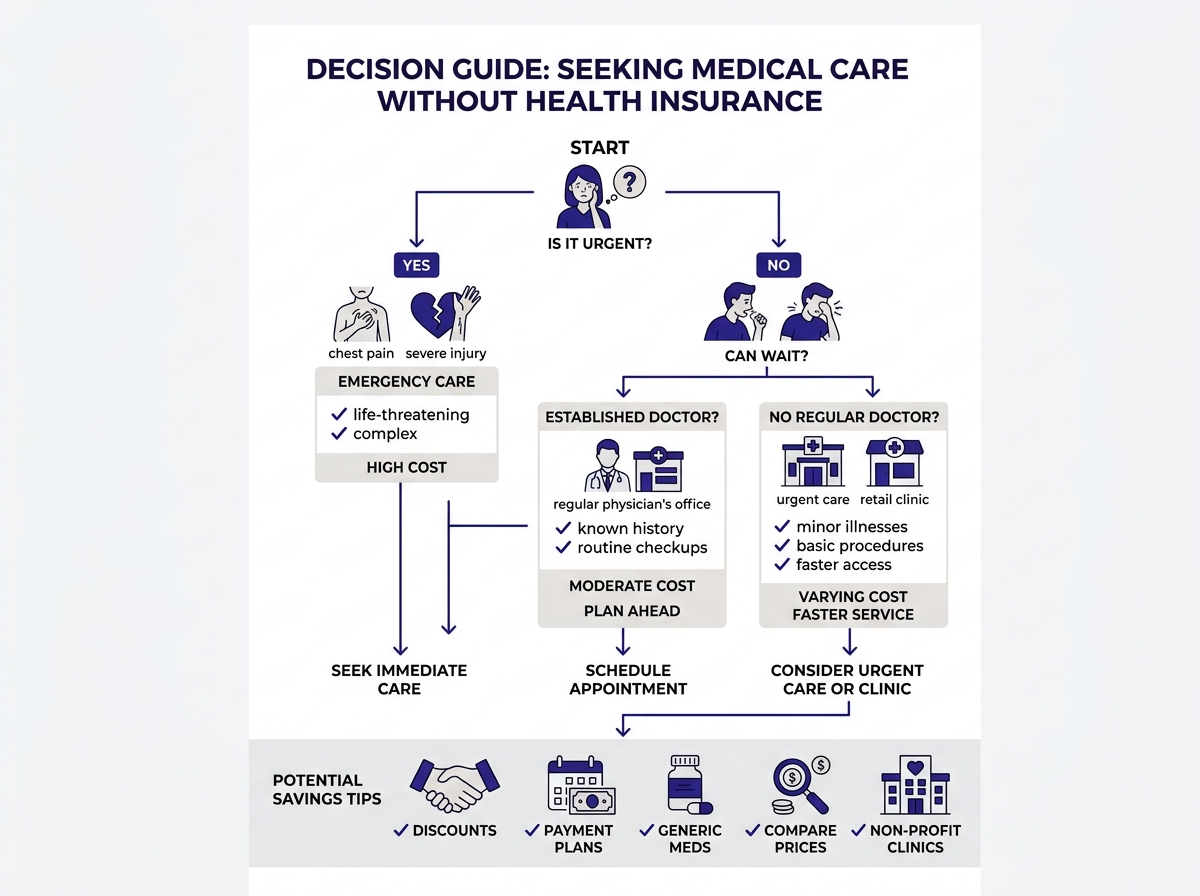
- First, assess the urgency. Is it a true emergency (chest pain, stroke symptoms, severe bleeding)? Go to the ER. For everything else, keep reading.
- Next, choose the right setting. Simple issue like a cold or rash? Try telehealth ($89 to $99). Need an exam, X-ray, or stitches? Head to urgent care (~$165). Need ongoing primary care? Then look into community health centers.
- Then, call ahead and ask for pricing. Say: “I’m paying out of pocket. What is your self-pay rate for [your condition]?” Compare at least two facilities.
- Also, bring your ID and any medical records. Previous test results or medication lists help the provider work faster, which keeps your bill lower.
- Additionally, ask about discounts at check-in. Prompt-pay discounts, sliding scale programs, and payment plans are often available but rarely advertised.
- Finally, use GoodRx for prescriptions. Before filling any prescription, check GoodRx or RxSaver for the lowest price at pharmacies near you.
Get Affordable Care at CityHealth Today
A doctor visit without insurance doesn’t have to drain your bank account. At CityHealth in San Leandro, we built our clinic around the people who need transparent, affordable care the most. Walk in any day with no appointment. You’ll get upfront pricing with no hidden fees. Above all, you’ll see an experienced provider who takes the time to listen.
We treat everything from strep throat and sprained ankles to UTIs and lacerations. Furthermore, X-rays, lab tests, and prescriptions are all available on-site. You’ll know your cost before we start, and you’ll leave with a clear plan for getting better.
Walk In Today — No Insurance Needed
CityHealth Urgent Care is located in San Leandro, CA, and serves patients from Oakland, Hayward, Castro Valley, San Lorenzo, and the surrounding East Bay communities. Open 7 days a week. No appointment required.