

You woke up feeling terrible. Your throat is raw, maybe you have a fever, and your regular doctor can’t see you for two weeks. So you start weighing urgent care vs Minute Clinic. Both accept walk-ins. Both promise quick visits. However, they are not the same thing. Indeed, picking the wrong one could mean a wasted trip or care that falls short of what you need.
Here is what sets these two apart and how to pick the right one for your situation.
What Is a Minute Clinic?
MinuteClinic is CVS Health’s retail clinic brand. Essentially, you find them inside CVS pharmacy stores, near the pharmacy counter. They are staffed by nurse practitioners (NPs) or physician assistants (PAs) who handle a short list of minor health issues.
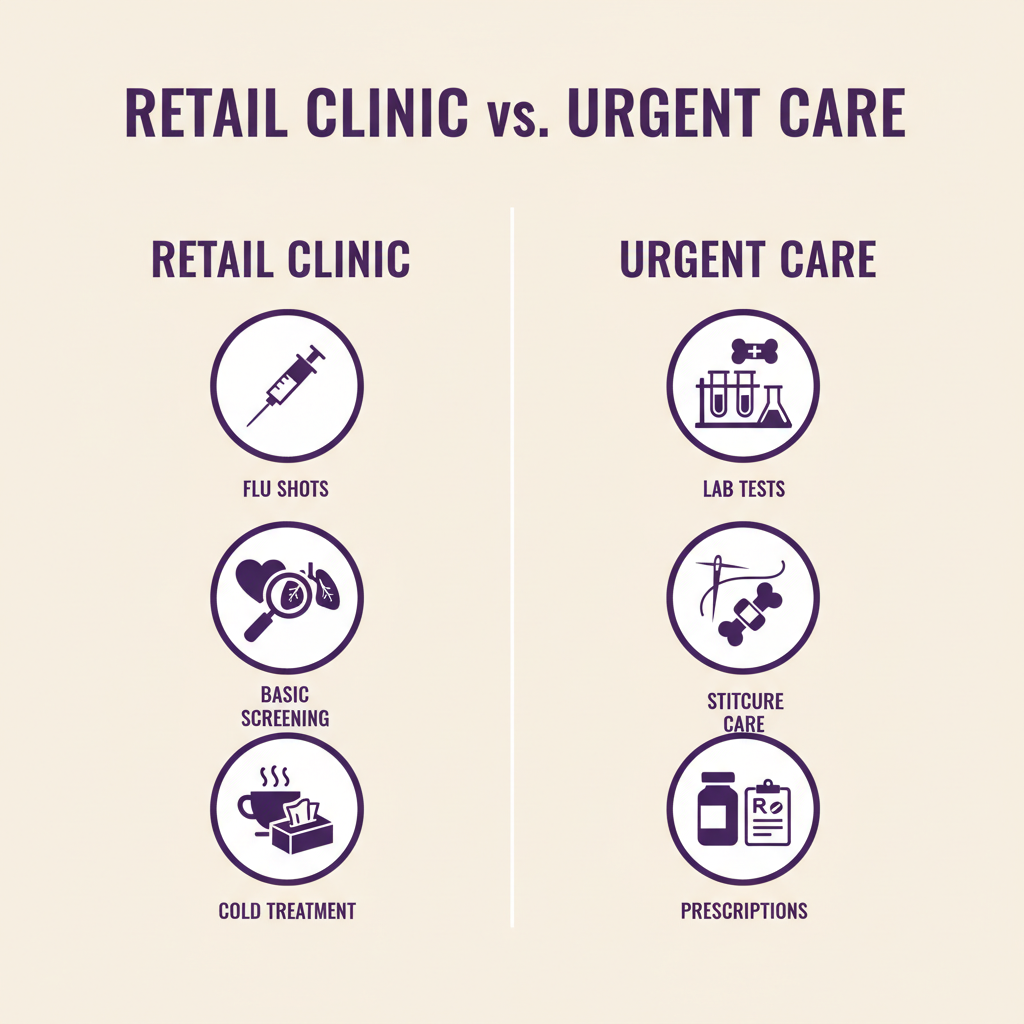
Because they sit inside retail stores, MinuteClinics keep limited gear on-site. Specifically, there are no X-ray machines, no labs for blood work, and no way to do stitches or splinting. Their scope stays narrow on purpose: basic screenings, shots, and care for common colds and infections.
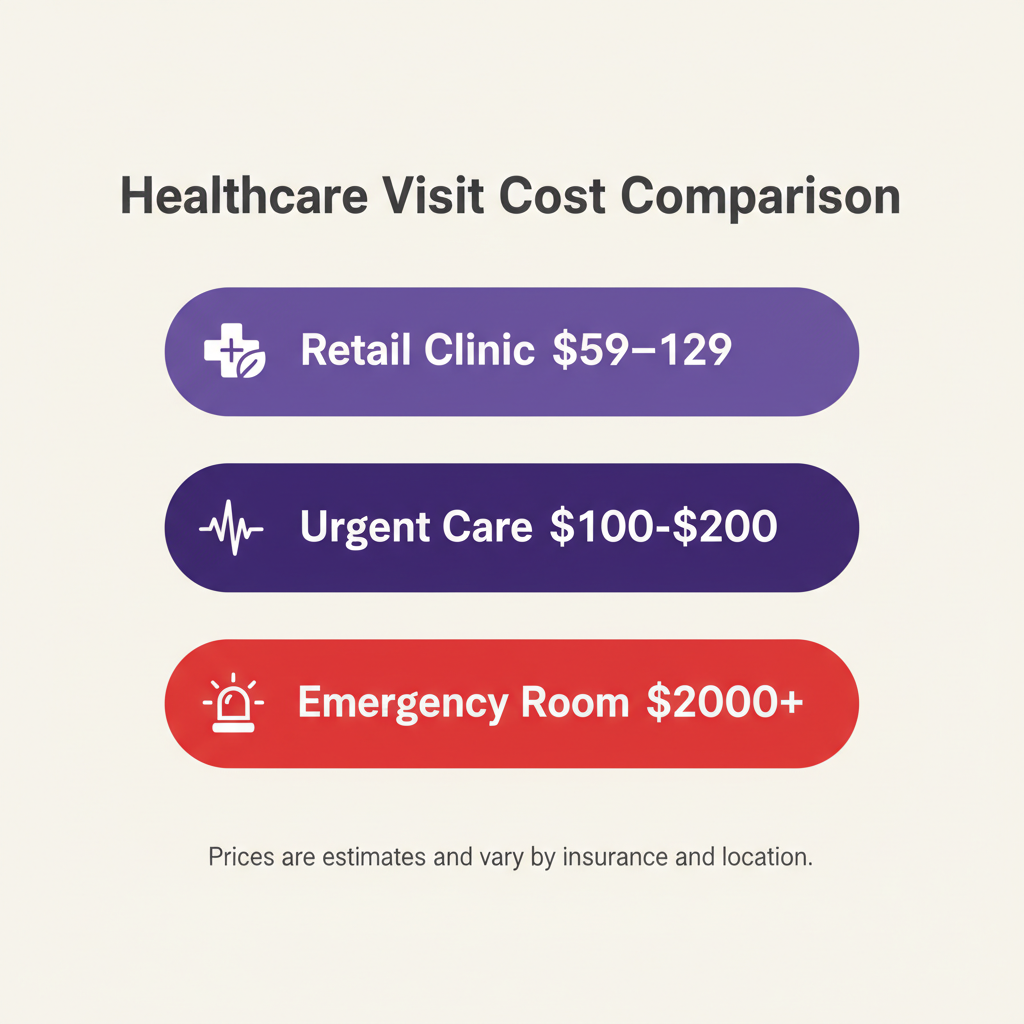
A typical MinuteClinic visit costs $59 to $129 before insurance. Most visits last about 15 to 20 minutes.
What Is Urgent Care?
Urgent care centers are standalone medical clinics built to handle a much wider range of health problems. In contrast to retail clinics, they come equipped with on-site X-rays, lab testing, and treatment rooms for hands-on medical work.
Staffing runs deeper too. In addition to NPs and PAs, many urgent care centers have physicians on staff. Consequently, these doctors evaluate complex cases, read imaging, and manage issues that call for more clinical skill. At CityHealth Urgent Care in San Leandro and Oakland, the team treats fractures, cuts that need stitches, UTIs, lung infections, and occupational health needs.
Visits typically cost $100 to $200 with insurance. That is still far less than a trip to the ER.
Urgent Care vs Minute Clinic: Key Differences
The core gap between these two options comes down to scope. Essentially, one is a quick stop for basic tasks. The other is a full medical clinic. Here is how they stack up in the areas that matter most.
Services and What Each Can Do
MinuteClinic handles basic care: flu tests, strep tests, ear checks, shots, and health screenings. However, they cannot do X-rays, draw blood for lab panels, stitch a wound, or splint a broken bone.
Urgent care covers all of that and much more. Because these clinics keep diagnostic tools on-site, providers can take X-rays to check for breaks, run lab tests for infections, and do minor procedures like wound repair and abscess drainage. Also, providers can prescribe a wider range of drugs. If you need antibiotics, anti-nausea meds, or a short-term pain plan, urgent care handles it. For more details, see our guide on whether urgent care can prescribe medication.
Staffing and Expertise
MinuteClinics use NPs and PAs who follow set protocols for a short list of issues. Although they do solid work in that lane, their rules limit what they can diagnose and treat.
In contrast, urgent care centers employ a broader team. At CityHealth, our providers include PAs and physicians who can assess tricky cases, order imaging, and refer you to a specialist if needed. Especially when your symptoms don’t match a simple checklist, this difference matters.
Hours and Access
MinuteClinic hours shift by location. Most run from about 8:30 AM to 7:30 PM on weekdays, with shorter weekend hours. Furthermore, some locations close on Sundays.
Urgent care centers often stay open longer. CityHealth is open 8 AM to 8 PM on weekdays and 9 AM to 5 PM on weekends, including both Saturday and Sunday. So if you get sick on a Sunday afternoon, urgent care is more likely to have its doors open.
Cost Comparison
MinuteClinic visits start at about $59 for basic screenings and can top $129 for fuller visits. Urgent care visits range from $100 to $200 with insurance. Although MinuteClinic costs less for a simple cold, the gap shrinks fast when you look at what you actually get.
For example, if you go to MinuteClinic with a hurt wrist, they will send you elsewhere for X-rays since they lack imaging. That means two copays, two trips, and a delayed answer. Therefore, going to urgent care first saves time and money.
Also, if you lack insurance, many urgent care centers post clear self-pay prices. CityHealth offers fair rates for patients without coverage. Learn more about urgent care without insurance in Oakland.
When to Go to Minute Clinic
MinuteClinic works well for truly simple needs. Specifically, go there when you need:
- A flu shot or routine vaccination
- A basic health screening like blood pressure or cholesterol
- Care for a mild cold with clear, textbook symptoms
- A TB test reading or simple follow-up
- A birth control prescription renewal
Essentially, these are tasks that do not need diagnostic gear, lab work, or a physician’s judgment. MinuteClinic handles them fast.
When to Choose Urgent Care Over Minute Clinic
For anything beyond a mild cold or routine shot, urgent care is the better pick. Specifically, choose urgent care when you have:
- A possible fracture, sprain, or sports injury
- A cut that may need stitches
- A UTI, ear infection, or sinus infection with bad symptoms
- Ongoing vomiting, diarrhea, or signs of dehydration
- An allergic reaction that is not life-threatening
- Trouble breathing from asthma or bronchitis
- A rash or skin issue that needs a closer look
- A workplace injury or occupational health need
- Any case where you might need an X-ray or blood test
As a result, the choice often boils down to one question: could you need a test, procedure, or imaging? If the answer is yes or maybe, skip the retail clinic and go straight to urgent care.

Is Minute Clinic Billed as Urgent Care by Insurance?
Indeed, this is a frequent question, and the answer depends on your plan. Some insurers file MinuteClinic visits under the lower “office visit” copay. Others bill them at the same rate as an urgent care visit.
Similarly, your copay at an urgent care center depends on your specific plan. Most major insurers, including Medicare and Medi-Cal, cover urgent care visits. Before you go, check your insurance card or call your plan to confirm your copay for each type of clinic.
At CityHealth, we accept most major insurance plans, Medi-Cal, and Medicare. Additionally, we have self-pay rates for patients without coverage.
Urgent Care vs Minute Clinic: Side-by-Side Summary
| Feature | MinuteClinic | Urgent Care |
|---|---|---|
| Location | Inside CVS stores | Standalone medical facility |
| X-rays | No | Yes |
| Lab tests | Rapid tests only | Blood, urine, cultures |
| Stitches | No | Yes |
| Fracture care | No | Yes |
| Staffing | NPs and PAs | Physicians, NPs, PAs |
| Typical cost | $59 to $129 | $100 to $200 with insurance |
| Visit length | 15 to 20 min | 30 to 60 min |
| Best for | Shots, mild colds, screenings | Injuries, infections, complex cases |
Frequently Asked Questions
Is Minute Clinic the same as urgent care?
No. MinuteClinic is a retail clinic inside CVS with limited services. In contrast, urgent care is a full medical facility with X-rays, labs, and the ability to treat a much wider range of issues. Although both take walk-ins, urgent care provides a higher level of care.
Can Minute Clinic prescribe antibiotics?
Yes. MinuteClinic providers can prescribe antibiotics for simple infections like strep throat or mild sinus infections. However, urgent care can prescribe a broader set of drugs, including certain controlled substances when needed.
Should I go to Minute Clinic or urgent care for a UTI?
Urgent care is the better choice for UTIs. While MinuteClinic can sometimes treat simple UTIs, urgent care can run urine cultures, check for problems, and give more targeted treatment. This matters most for repeat UTIs or cases with fever or back pain.
Which is cheaper, Minute Clinic or urgent care?
MinuteClinic may cost less for basic visits, usually $59 to $99. However, urgent care delivers far more value when you need tests, imaging, or procedures. Going to MinuteClinic for something they can’t treat just adds a second visit and a second bill.
The Bottom Line
Ultimately, the choice between urgent care vs Minute Clinic depends on what you need. For a flu shot or a mild cold, MinuteClinic gets the job done. However, for anything that might call for testing, imaging, or hands-on treatment, urgent care is the right call.
At CityHealth Urgent Care, we see patients for everything from sore throats to fractures. We have on-site X-rays, lab testing, and providers ready to help. Walk in any day of the week. No appointment needed.
Visit CityHealth Urgent Care in San Leandro or Oakland today.