Urgent Care for Jock Itch: When OTC Treatment Is Not Working
You have used the OTC antifungal spray for two weeks and the rash will not clear. Or it is spreading. Or you are not sure it is jock itch at all. Urgent care for jock itch can diagnose what you actually have and prescribe something that works when the drugstore options fail.
Medically reviewed by Dr. Francis Hsiao, MD — Dermatology Medical Director
What Jock Itch Is
Jock itch is a fungal skin infection in the groin area. The medical name is tinea cruris. It is caused by the same family of fungi that cause athlete’s foot and ringworm. So warm, moist skin in the groin is exactly where it thrives.
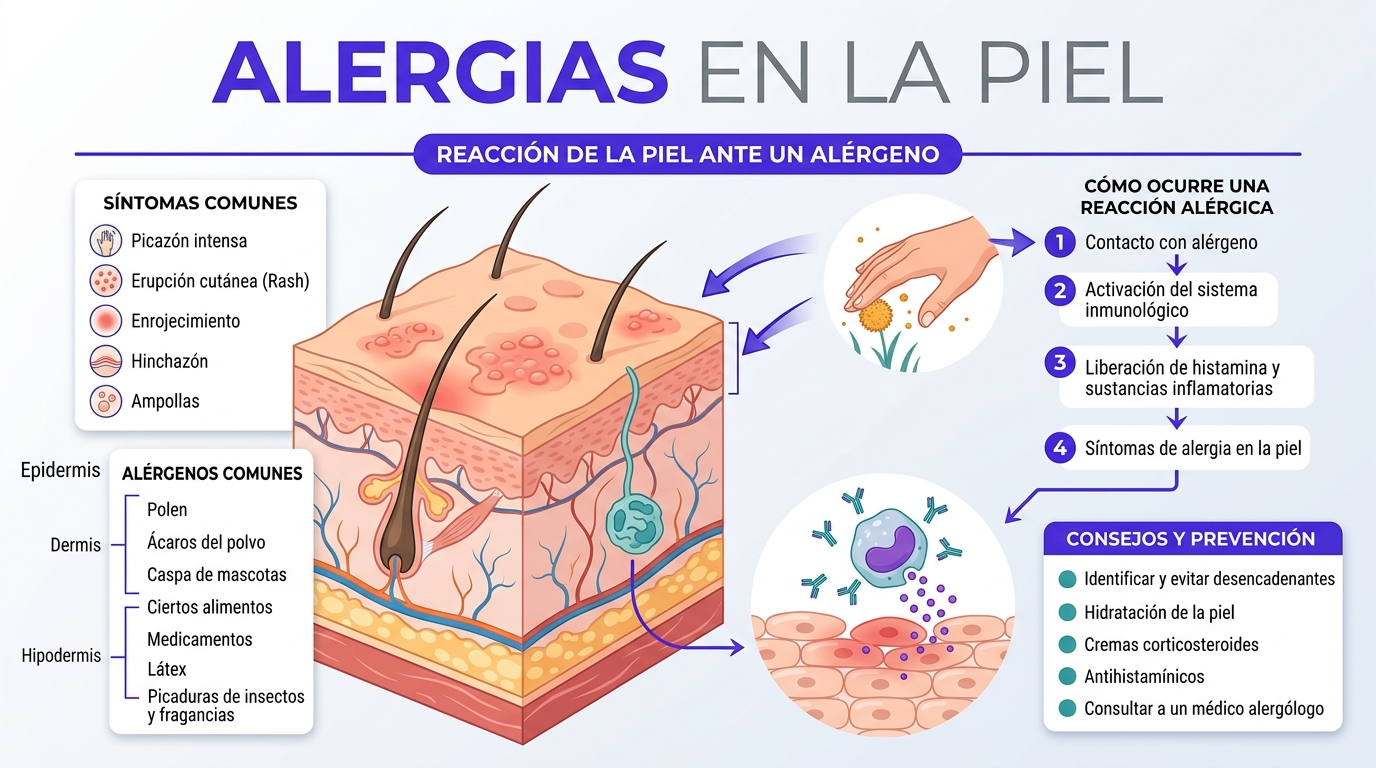
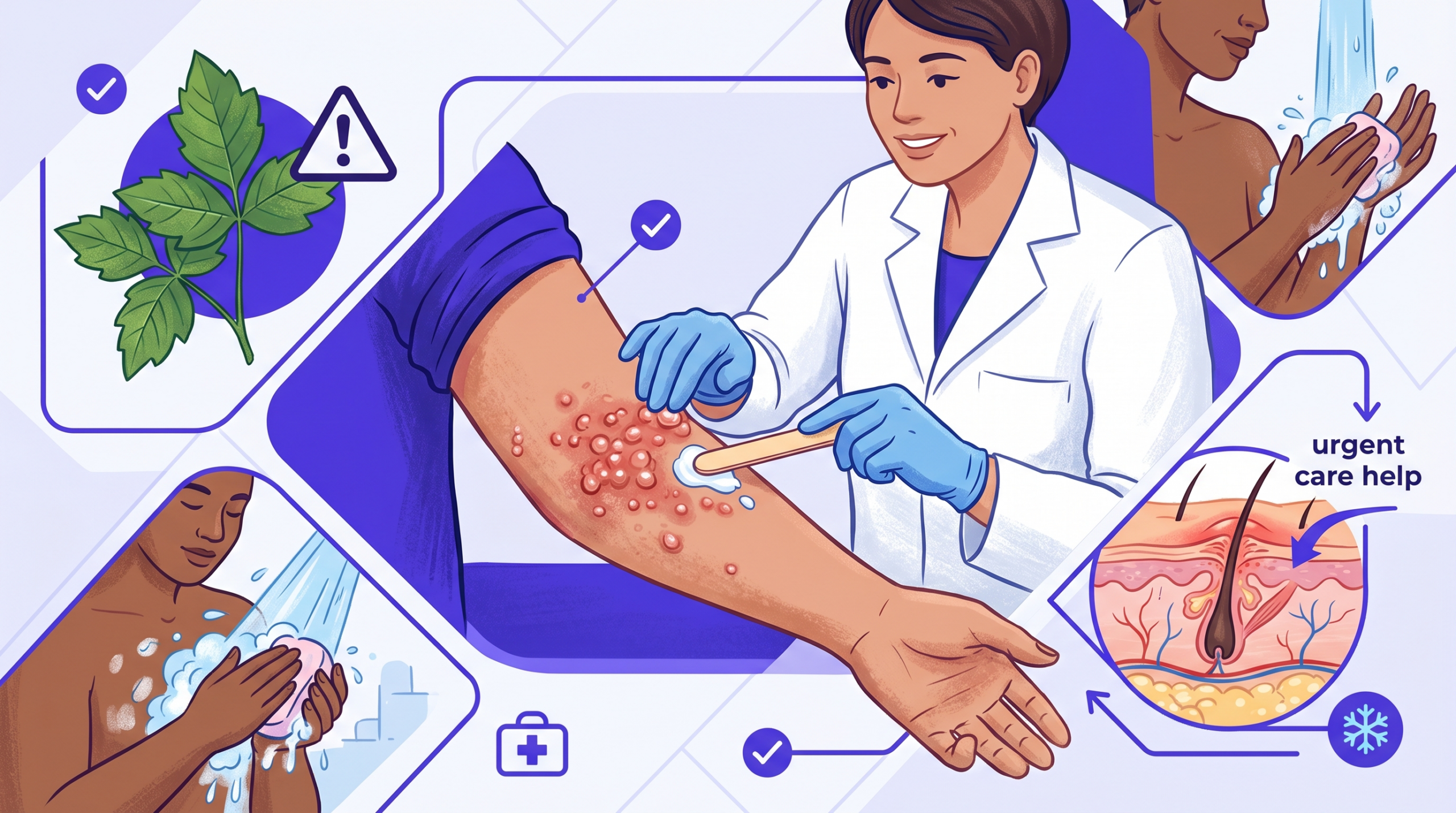
The rash looks like a red, itchy ring in the groin folds, inner thighs, and sometimes the scrotum or buttocks. The edges are raised and scaly. Essentially, it tends to spread outward in a crescent shape over time.
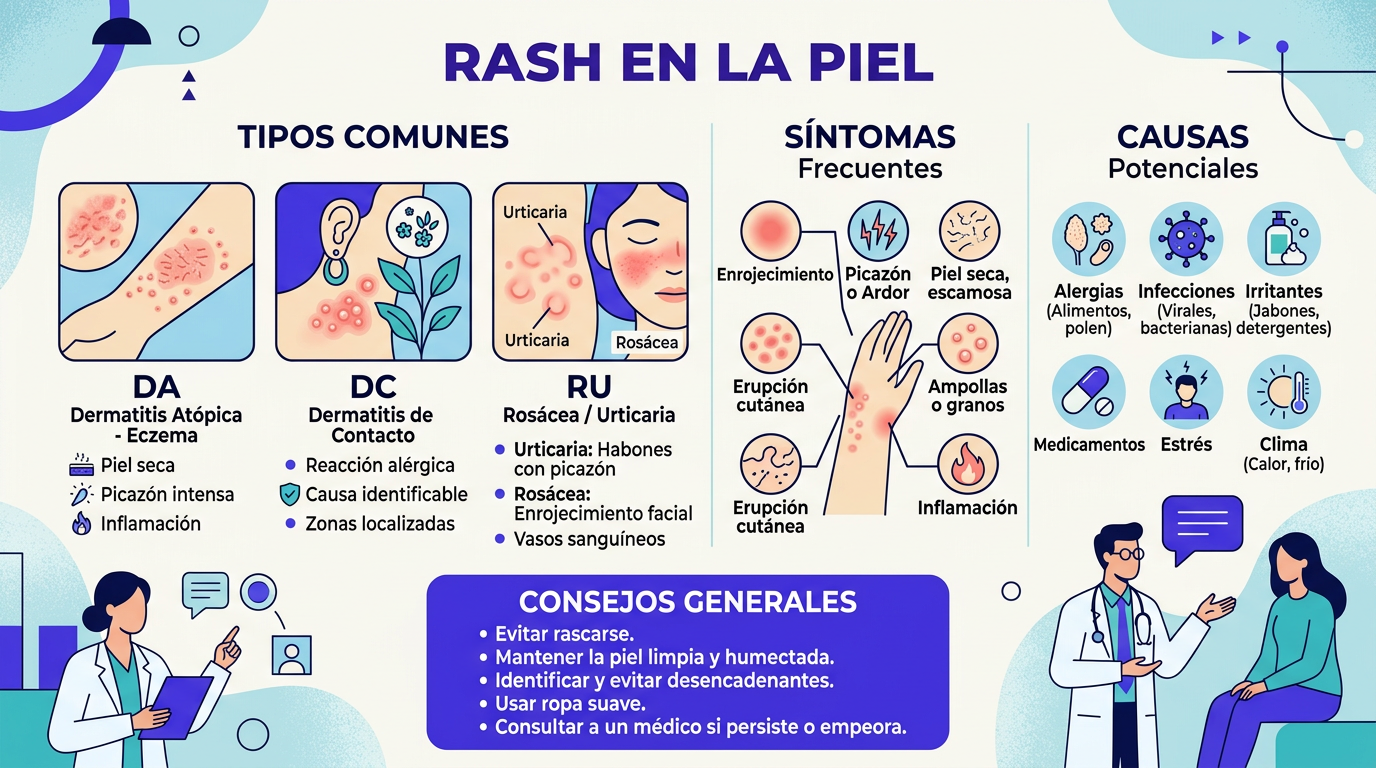
However, several other conditions look almost identical. Eczema, psoriasis, contact rashes, and bacterial infections can all appear in the same area. Using a hydrocortisone cream on a fungal rash will reduce redness short-term while making the infection worse. Notably, that is one of the most common mistakes people make before coming to urgent care for jock itch.
Why OTC Antifungals Sometimes Fail
OTC creams like clotrimazole work for mild, early cases. However, they fail in several situations. Specifically:
- The rash is not fungal. Eczema, psoriasis, and contact rashes do not respond to antifungals at all.
- The infection is too deep. Established fungal infections often need stronger, prescription-level treatment to clear completely.
- You are using the wrong product. Athlete’s foot creams can irritate the sensitive groin area and add a contact rash on top of the original problem.
- There is a skin infection on top of it. Scratching opens the skin. Bacteria can move in. Additionally, a mixed infection needs two separate treatments.
- You keep reinfecting yourself. If you have athlete’s foot and put on your socks before your underwear, you transfer the fungus to your groin every single day.
Can Urgent Care for Jock Itch Give You the Right Diagnosis?
Yes. In most cases, a trained provider can identify tinea cruris just by looking at it. When the presentation is less clear, or when standard treatment has already failed, urgent care can do a quick skin test. A small skin scraping is placed under a microscope. Results come back in about 10 minutes.
Importantly, this matters because it rules out conditions that look the same:
- Erythrasma: A bacterial infection that looks similar. Treated with antibiotics, not antifungals.
- Inverse psoriasis: Psoriasis in the skin folds. Needs topical steroids, which would make jock itch worse.
- Contact rash: A reaction to a soap, detergent, or fabric. Specifically, it is treated by removing the cause and using a mild steroid.
- Yeast infection of the skin: Caused by Candida, not the same fungus. Needs different antifungal treatment.
So the right diagnosis means the right treatment on the first try. That is why seeing a provider beats guessing at the drugstore. Moreover, you save the time and money you would spend on products that do not work.
What Urgent Care for Jock Itch Can Prescribe
For confirmed fungal jock itch that has not cleared with OTC products, your provider will choose from:
Prescription topical antifungals:
- Ketoconazole 2% cream — stronger than anything OTC. Apply once or twice daily. Well-tolerated on groin skin.
- Econazole cream — works against multiple types of fungus. Applied twice daily.
- Naftifine cream or gel — once-daily use. Good for confirmed dermatophyte infections.
Oral antifungals for severe or widespread cases:
- Terbinafine (Lamisil) 250mg daily for 2 weeks — fast and highly effective for most jock itch cases
- Fluconazole — used when a yeast infection is the cause
The provider picks based on how bad the infection is and how long you have had it. Also, mention all your other medications. Some oral antifungals interact with common drugs like blood thinners and statins. That said, topical creams rarely cause these issues and are usually the first choice.
How Long Does Treatment Take?
Topical treatment takes 2-4 weeks to fully clear the rash. Specifically, you will see improvement within a week. However, keep applying for the full course. Stopping early is the top reason jock itch comes back. The fungus retreats below the skin and returns fast. Also, do not switch products mid-course unless your provider tells you to.
Oral treatment with terbinafine typically takes 1-2 weeks and has higher cure rates for severe cases, according to evidence from the UK National Health Service. So for stubborn cases, oral treatment is worth discussing with your provider.
How to Stop Jock Itch From Coming Back
Jock itch returns when the conditions that caused it stay the same. Fortunately, prevention requires only a few consistent habits:
- Keep the area dry. Change out of wet clothes right after exercise. Additionally, an antifungal powder helps if you sweat a lot.
- Wear loose, breathable fabric. Cotton underwear is best. Avoid tight synthetic fabrics.
- Treat athlete’s foot at the same time. It is the same fungus. Also, put socks on before underwear every time to avoid moving it to the groin.
- Wash workout gear every time. Fungal spores live in fabric for a long time.
Is Jock Itch Contagious?
Yes, but not highly. Direct skin contact or sharing towels and clothing can spread it. So avoid sharing these items until the rash clears. It is not an STI. Instead, it is a fungal skin infection that happens to appear in the groin area.
When to Go to Urgent Care Sooner
Most jock itch can wait for a walk-in visit at normal hours. However, go to urgent care sooner if any of these apply:
- The rash is spreading fast or looks infected with fever, pus, or warmth
- You see blisters or open sores (could be herpes, not jock itch)
- Two full weeks of OTC antifungal use have changed nothing
Frequently Asked Questions
Can urgent care treat jock itch?
Yes. Urgent care can diagnose and treat jock itch, including cases that have not responded to OTC products. So walk in without an appointment and leave with the right prescription.
How do I know if it is jock itch or herpes?
Jock itch is a diffuse, ring-shaped, scaly rash. Herpes looks like clusters of blisters or sores that may feel tingly before they appear. These look different on exam. Moreover, your provider can run a quick test if there is any doubt.
Can urgent care do a skin test for jock itch?
Yes. A KOH skin test can confirm the fungal infection in about 10 minutes at the visit. Additionally, a culture can be sent to a lab if the case is unusual or resistant to treatment.
Will jock itch go away on its own?
Rarely. Mild cases sometimes improve with better hygiene. However, established jock itch almost always needs antifungal treatment to clear. Waiting it out means weeks of itch and spread that could be resolved in days.
Walk In for Urgent Care for Jock Itch — Same-Day Diagnosis
If the OTC option is not working, do not guess for another two weeks. CityHealth Urgent Care is open seven days a week, no appointment needed. So walk in, get a proper diagnosis, and leave with the right treatment.
For other fungal skin conditions, see our guides on urgent care for ringworm and urgent care for athlete’s foot.