
Urgent Care for Heat Exhaustion: When to Go, What to Expect, and When to Call 911
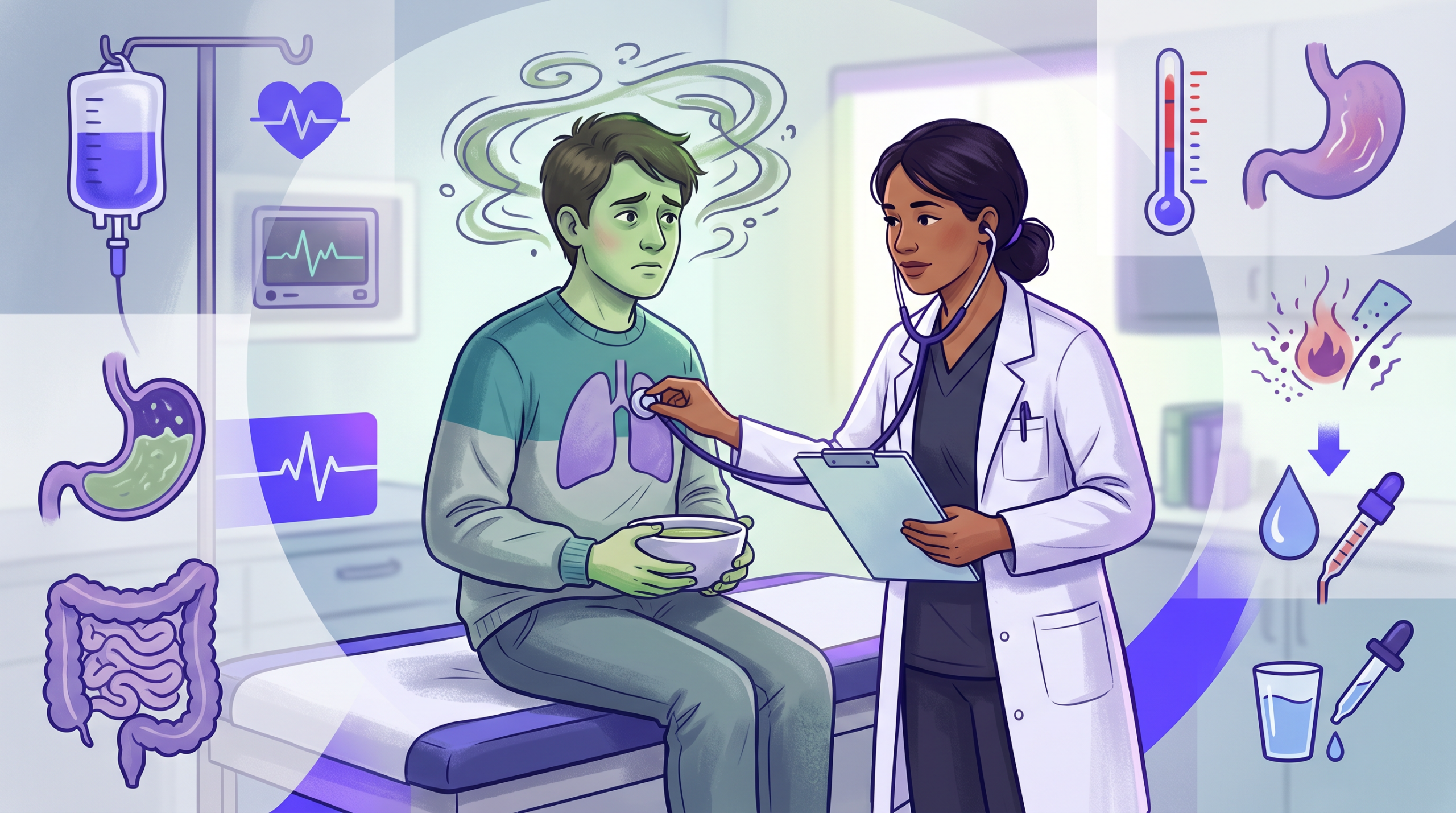
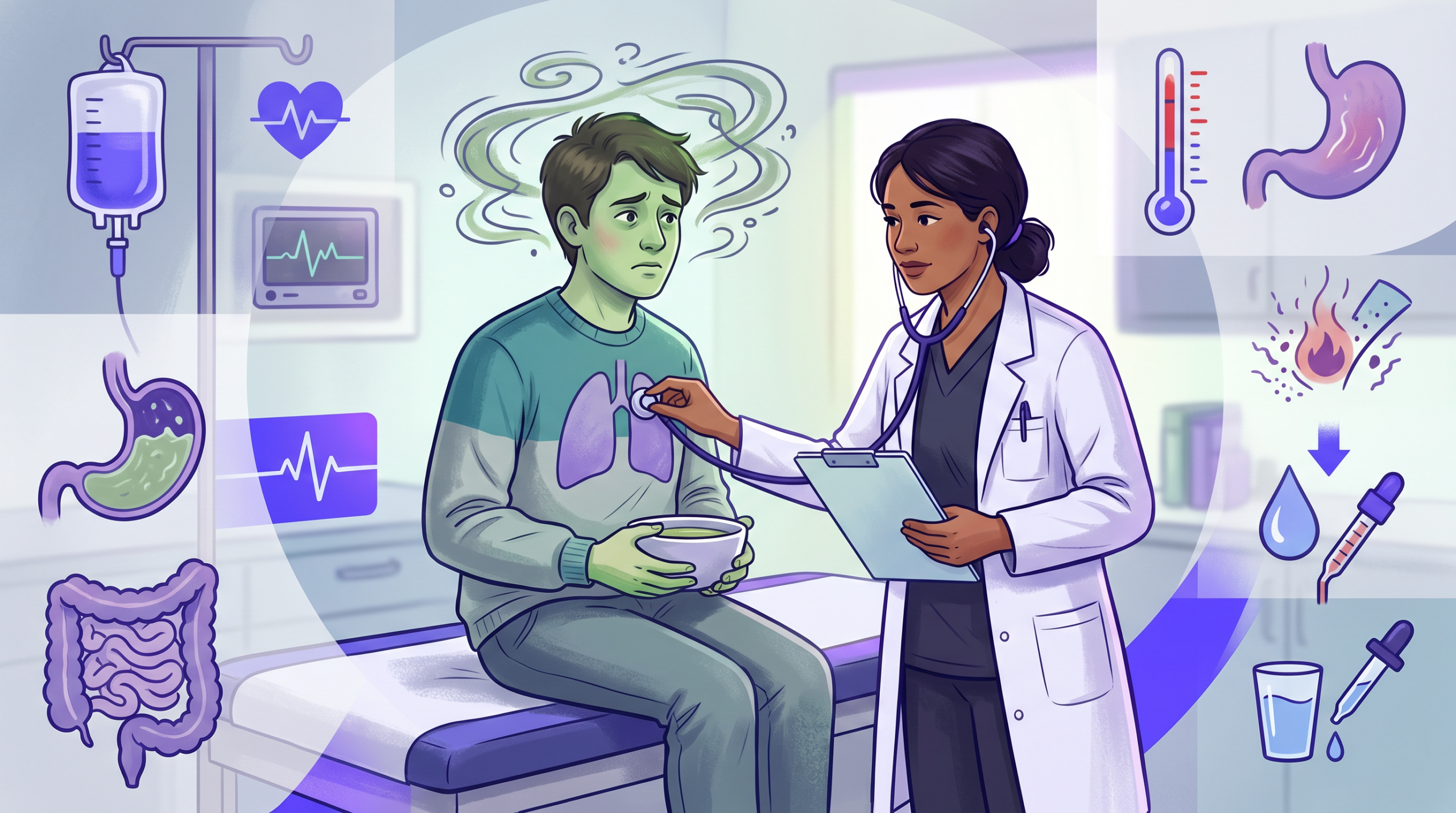
Heat exhaustion is serious. If you feel faint, nauseous, and drenched in sweat on a hot day, those are warning signs your body is in trouble. Urgent care for heat exhaustion is the right call for most cases — providers give IV fluids, monitor your vital signs, and stabilize you quickly. However, heat stroke is different. That’s a medical emergency. This guide helps you tell them apart and get the right care fast.
Medically reviewed by Sean Parkin, PA — CEO & Founder, CityHealth Urgent Care
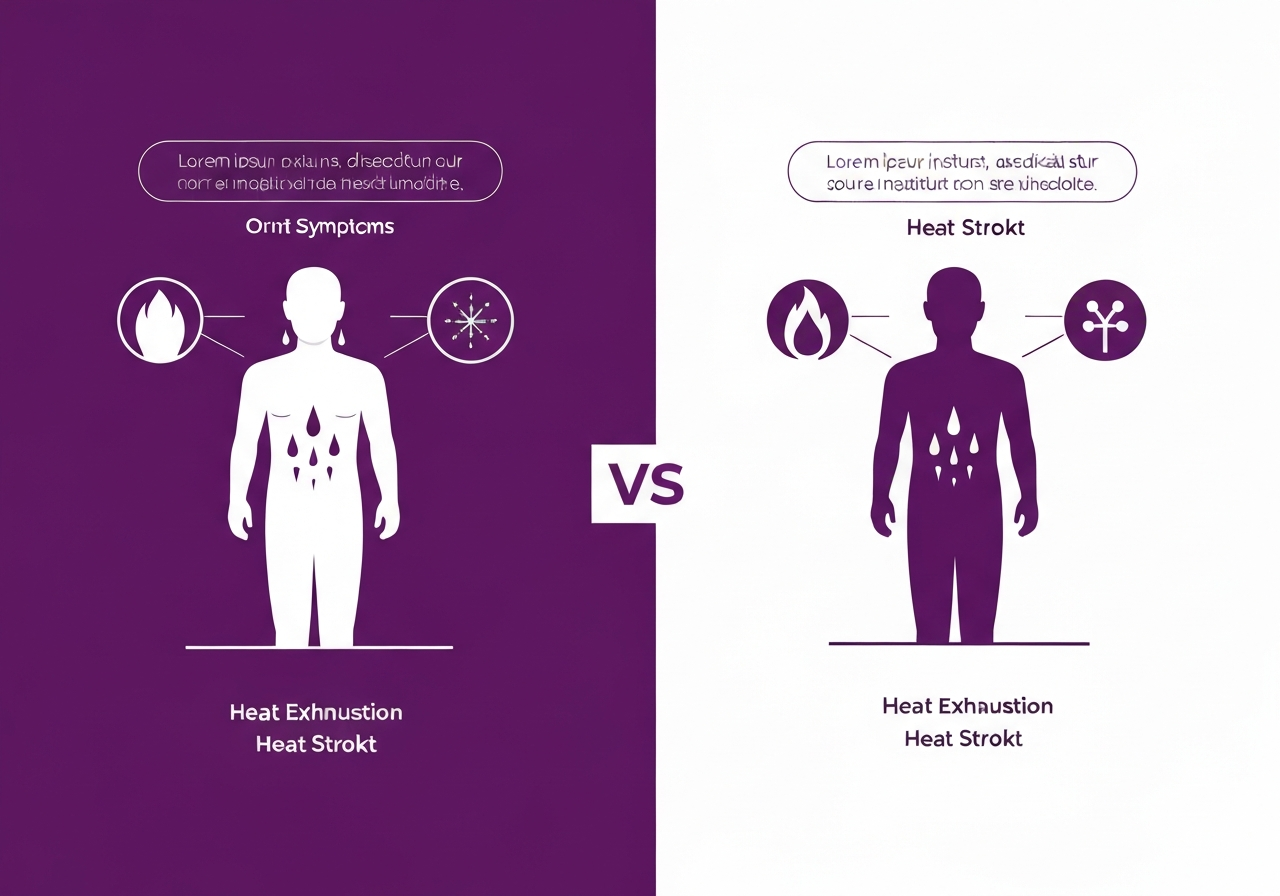
Heat Exhaustion vs. Heat Stroke: Know the Difference
These two conditions look similar at first. However, the difference between them is life-or-death. Treating them the same way can be dangerous.
Heat exhaustion symptoms:
- Heavy sweating
- Cool, pale, moist skin
- Weakness and fatigue
- Dizziness and headache
- Nausea or vomiting
- Muscle cramps
- Fast but weak pulse
Heat stroke symptoms — call 911:
- Body temperature above 104°F (40°C)
- Hot, red, dry or damp skin
- Confusion, disorientation, or altered mental state
- Loss of consciousness
- Slurred speech
- Rapid and strong pulse
The key difference is mental state. With heat exhaustion, you’re alert but feel terrible. With heat stroke, thinking becomes confused and your body temperature gets dangerously high. Therefore, if the person is confused or unconscious, call 911 immediately. Don’t drive to urgent care.
Urgent Care for Heat Exhaustion: When It’s the Right Call
Go to urgent care for heat exhaustion if you have classic symptoms but your mental state is clear. For example:
- You’re dizzy, weak, and nauseated after being out in the heat
- You’ve been sweating heavily and your heart is racing
- You’re not improving after moving to a cool area and drinking water
- You’re vomiting and can’t keep fluids down — so you need IV hydration
- You feel faint but haven’t lost consciousness
Because heat exhaustion can progress to heat stroke if not treated, getting to urgent care quickly is important. Don’t try to wait it out at home if symptoms are moderate to severe.
What Urgent Care Will Do for Heat Exhaustion
When you arrive for urgent care for heat exhaustion, here’s the typical treatment:
- Move you to a cool environment: The exam room is air-conditioned. This is often the most immediate treatment.
- IV fluids: If you’re dehydrated or vomiting, providers give IV saline to rehydrate you faster than drinking can. This is one of the most effective treatments for heat exhaustion.
- Vital sign monitoring: Blood pressure, heart rate, and temperature are watched closely. Because heat exhaustion can flip to heat stroke, providers track your condition carefully.
- Electrolyte replacement: Heat exhaustion depletes sodium and potassium through sweat. So IV fluids and electrolyte drinks help restore the balance.
- Cooling measures: Cold packs to the neck, armpits, and groin speed up cooling. In addition, providers may use cooling blankets or fans.
- Blood work: Providers may check kidney function and electrolytes. Because severe dehydration can cause kidney stress, a blood panel confirms how your organs are handling things.
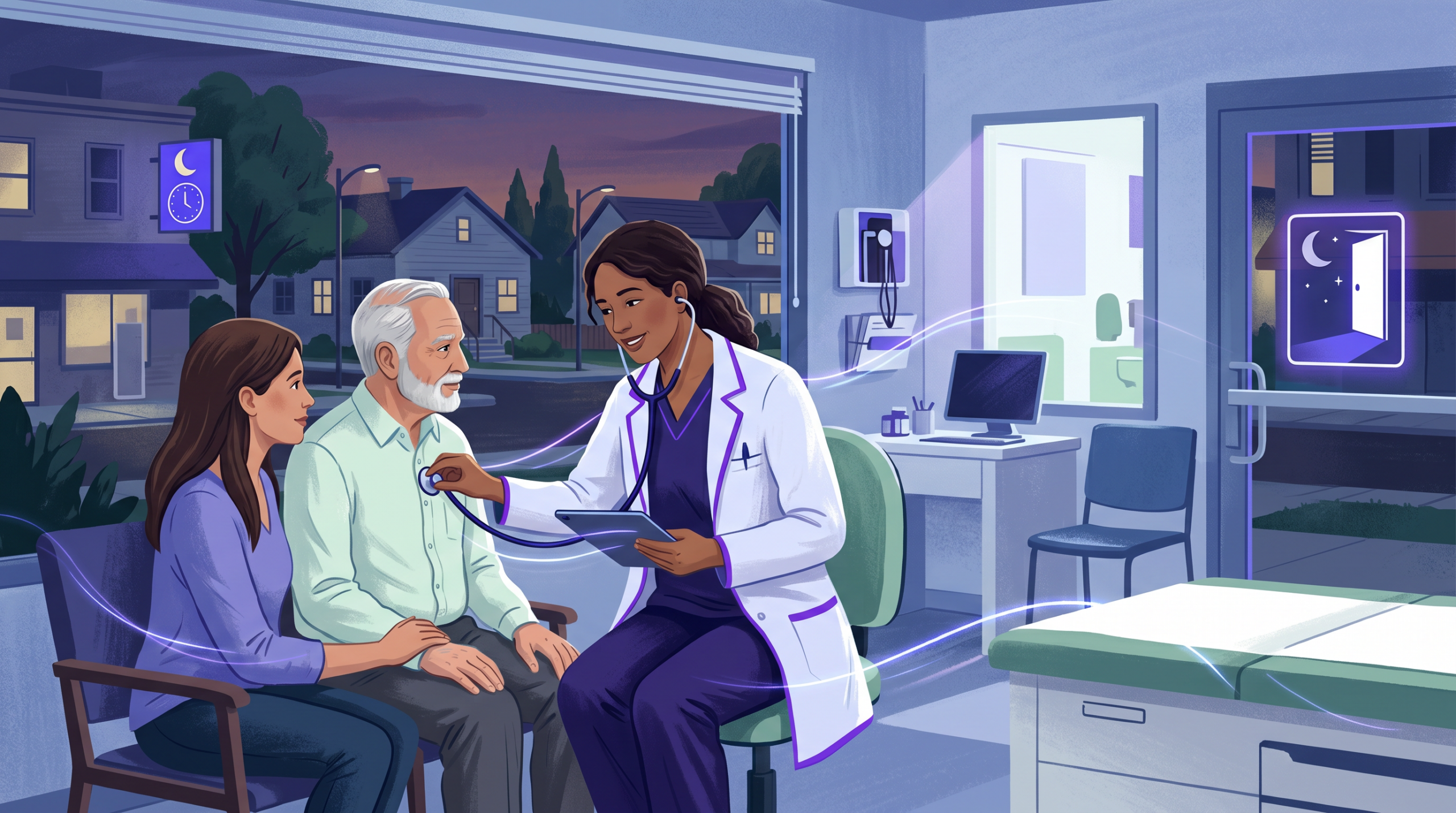
At CityHealth Urgent Care in San Leandro, we offer IV hydration, on-site lab work, and same-day evaluation — no appointment needed.
When to Call 911 Instead of Urgent Care
Heat stroke is a life-threatening emergency. Call 911 if the person has:
- A body temperature above 104°F
- Confusion, altered mental state, or loss of consciousness
- Seizures
- Skin that’s hot to the touch without heavy sweating
While waiting for the ambulance, move them to a cool area and apply cold, wet cloths to their skin. Because brain damage from heat stroke starts quickly, every minute matters. Don’t drive them to urgent care — call 911.
Who Is Most at Risk for Heat Exhaustion?
Anyone can get heat exhaustion. However, some groups need extra caution:
- Older adults: The body’s ability to regulate temperature declines with age. So heat illness happens faster and more severely.
- Young children: Kids heat up faster than adults. In addition, they often don’t recognize when to stop or drink water.
- People on certain medications: Diuretics, antihistamines, beta-blockers, and antidepressants can all affect how the body handles heat.
- Outdoor workers and athletes: Sustained physical activity in high heat and humidity is the most common scenario for heat exhaustion.
- People who are not acclimatized: Traveling to a hot climate or starting outdoor work in summer before your body adapts increases risk significantly.
How to Prevent Heat Exhaustion
Because heat exhaustion is preventable, a few simple habits make a big difference. The CDC recommends several key prevention strategies during extreme heat events, especially for people in high-risk groups.
- Drink water consistently: Don’t wait until you’re thirsty. In hot weather, drink water before, during, and after outdoor activity.
- Avoid peak heat hours: Stay indoors or in shade between 10am and 4pm when temperatures peak.
- Wear light, loose clothing: Light colors reflect heat. Dark, tight clothing traps it.
- Acclimatize gradually: If you’re new to working or exercising in heat, build up your time in the heat over one to two weeks.
- Watch your alcohol and caffeine intake: Both cause dehydration. Therefore, they make heat exhaustion more likely.
- Never leave children or pets in a parked car: Car interiors heat up to dangerous temperatures within minutes, even on mild days.
Recovery After Heat Exhaustion
After treatment, most people recover fully within a day or two. However, you may feel tired and weak for longer. Here’s what to do after a heat exhaustion episode:
- Stay out of the heat for at least 24–48 hours
- Drink plenty of water and electrolyte drinks
- Rest and avoid strenuous activity
- Eat light, hydrating foods
In addition, people who’ve had heat exhaustion once are more susceptible to it again. So build in more precautions going forward, especially during summer.
Walk In Today — Same-Day Heat Exhaustion Treatment
Heat exhaustion doesn’t wait. Because dehydration and overheating get worse fast without treatment, walking into urgent care quickly is the right call. CityHealth Urgent Care in San Leandro provides IV fluids, cooling treatment, lab work, and monitoring — all same-day.
Hours: Monday 10am–7pm, Tuesday through Friday 9am–7pm, weekends 9am–5pm.
Walk in to CityHealth Urgent Care — no appointment needed. Call (510) 984-2489 if you have questions. If symptoms are severe or the person is confused, call 911.
Frequently Asked Questions
Can urgent care treat heat exhaustion?
Yes. Urgent care provides IV fluids, electrolyte replacement, vital sign monitoring, and cooling measures — everything needed for most heat exhaustion cases. However, heat stroke requires 911 and emergency care.
How do I know if I have heat exhaustion or heat stroke?
Check mental state first. Heat exhaustion: you feel awful but think clearly. Heat stroke: confusion, disorientation, or loss of consciousness. In addition, heat stroke causes very high body temperature (104°F+) and often dry, hot skin.
Should I go to the ER or urgent care for heat exhaustion?
Urgent care is appropriate for heat exhaustion when you’re alert and stable. However, go to the ER or call 911 for heat stroke, loss of consciousness, seizures, or rapidly worsening symptoms.
How long does it take to recover from heat exhaustion?
Most people feel better within 24–48 hours after treatment. However, fatigue and weakness can linger for a few days. Stay out of the heat and hydrate aggressively during that time.