Urgent Care for Bee Stings: When to Walk In and What to Expect
You got stung. Now you’re wondering: do you need urgent care for bee sting symptoms, or can you handle this at home? The answer depends on what happens next. Most stings are painful but safe. However, some reactions can turn dangerous fast — and knowing the difference could save your life.
According to the American College of Allergy, Asthma & Immunology (ACAAI), about 2 million Americans are allergic to insect stings. For these people, even a single sting can cause a life-threatening reaction. Because reactions can escalate quickly, it helps to know exactly when to walk in — and when to call 911 instead.
Medically reviewed by Sean Parkin, PA — CEO & Founder, CityHealth Urgent Care
When a Bee Sting Is Minor (Treat It at Home)
The good news: most stings are harmless. If your reaction is normal, you’ll feel sharp pain, then redness, mild swelling, and itching. These symptoms peak within a few hours. Then they fade on their own within a day or two.
Here’s how to treat a minor sting at home. First, remove the stinger — but use a flat card edge to scrape it out sideways. Don’t use tweezers. Tweezers can squeeze more venom into the skin. Next, wash the area with soap and water. Then apply ice for 10–20 minutes. An over-the-counter antihistamine like Benadryl helps with itching. Hydrocortisone cream reduces inflammation. Keep the area clean to prevent infection.
You can watch and wait at home if the swelling stays localized, you have no history of bad reactions, and things are improving. However, if anything shifts — more swelling, spreading redness, or new symptoms — get checked out.
5 Signs You Need Urgent Care for a Bee Sting
Not every sting that needs care is an emergency. For example, there’s a middle ground between “handle it yourself” and “call 911.” That’s exactly where urgent care fits. Watch for these five warning signs.
1. Large local reaction. A normal sting causes swelling the size of a quarter. However, a large local reaction causes swelling that spreads — sometimes covering an entire limb. It gets worse over 24 to 48 hours. It’s not anaphylaxis, but it often needs prescription steroids or stronger antihistamines.
2. Signs of infection. If redness spreads outward from the sting site after 24 hours, or if you notice warmth, pus, or fever, the wound may be infected. Infections don’t go away on their own. Therefore, you need antibiotics and medical evaluation.
3. Multiple stings. Getting stung 10 or more times is serious — even without an allergy. That much venom can cause a systemic reaction. For example, you might experience vomiting, muscle weakness, headache, or low blood pressure. As a result, multiple stings always warrant a walk-in visit.
4. Sting in the mouth or throat. A sting inside the mouth, on the tongue, or near the throat is a medical situation regardless of allergy history. Swelling in the airway can develop fast. In that case, don’t wait to see how it goes.
5. Any signs of allergic reaction. Hives, widespread itching, swelling beyond the sting site, dizziness, nausea, or trouble breathing are all red flags. Because these symptoms can escalate rapidly, seek care immediately.
Allergic Reaction vs. Anaphylaxis — Know the Difference
An allergic reaction to a bee sting ranges from mild to life-threatening. A mild response looks like hives away from the sting, itching across your body, or swelling in your face or lips. These symptoms are serious. However, they don’t always mean you’re going into anaphylaxis.
Anaphylaxis is a severe, full-body reaction that can be fatal within minutes. Signs include trouble breathing, throat tightening, a sudden drop in blood pressure, rapid or weak pulse, and extreme dizziness. If you or someone near you has these symptoms after a sting, call 911 immediately. This is not an urgent care situation — it’s an ER emergency.
However, if you have milder allergic symptoms — hives, localized swelling beyond the sting site, or noticeable itching spreading away from the area — CityHealth’s urgent care for allergic reactions is the right next step. In fact, we can assess your reaction, give you prescription antihistamines or steroids, and tell you whether you need further evaluation.
What Happens When You Come to CityHealth for a Bee Sting
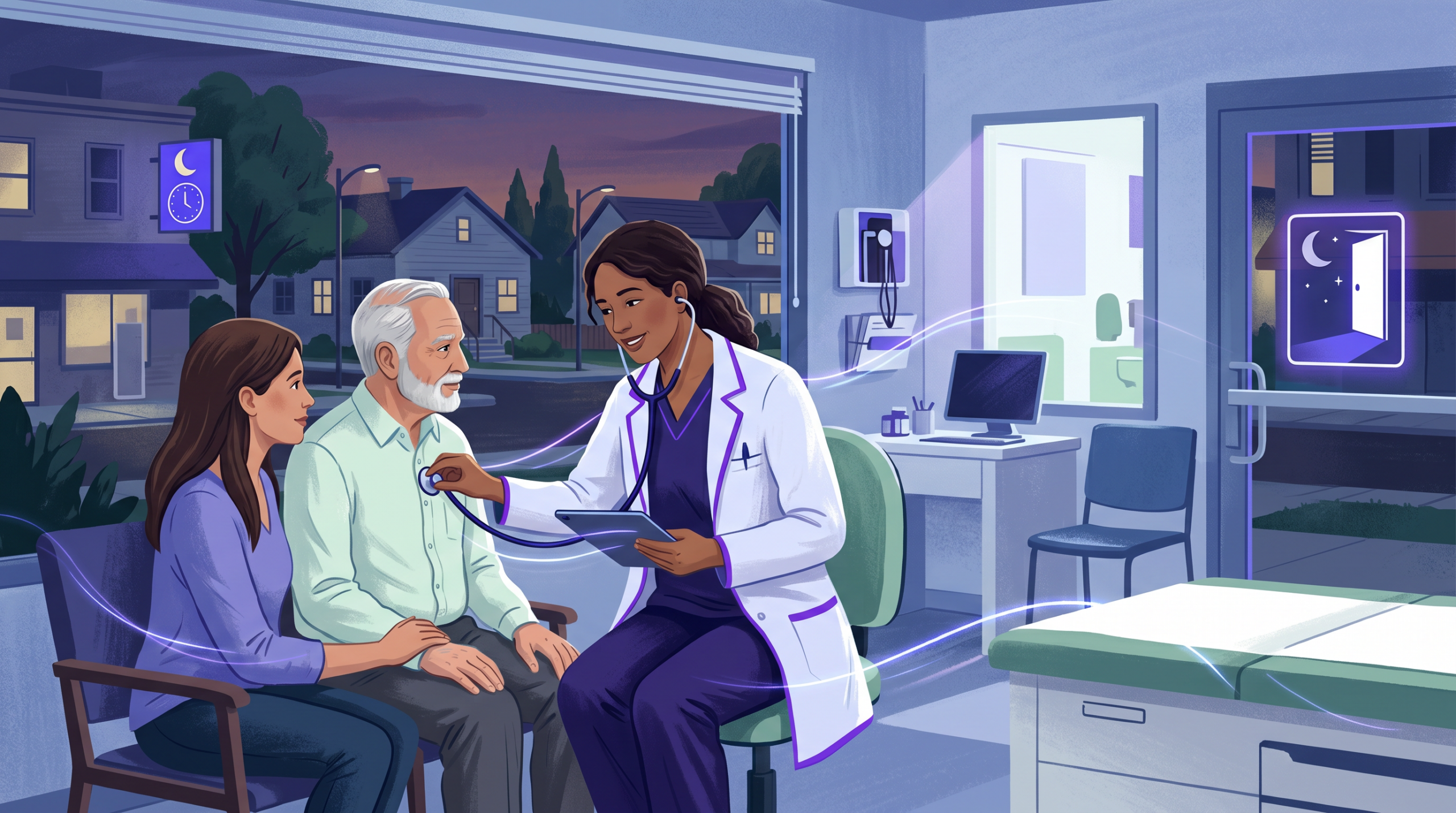
When you walk into CityHealth in San Leandro, a licensed provider sees you — not a waiting room. Your provider will assess the reaction, evaluate the sting site for infection, and review your symptoms. The visit is fast and focused.
Depending on what they find, treatment may include oral corticosteroids to reduce swelling, prescription antihistamines stronger than OTC options, a tetanus check if the wound is deep, or antibiotics if infection is present. In addition, if there are signs of an escalating reaction, your provider can give epinephrine on the spot. They can also refer you to an allergist if this is your first serious reaction.
Furthermore, if this is your first significant bee sting reaction, your provider can talk through next steps — including whether you should carry an epinephrine auto-injector (EpiPen) going forward.
A Note for Parents: Kids and Bee Stings
Children react more intensely to bee stings than adults. Because their bodies are smaller, the ratio of venom to body weight is higher. Even without a known allergy, kids can have larger local reactions or more pronounced discomfort than you’d expect.
If your child was stung and has swelling beyond the immediate area, trouble breathing, hives, or seems unusually pale or lethargic, walk in. You don’t need an appointment. Moreover, it’s never the wrong call to have a provider check your child after a sting. When in doubt, come in.
Frequently Asked Questions About Urgent Care for Bee Stings
How long should I wait before going to urgent care for a bee sting?
Don’t wait if you have allergic symptoms — hives, swelling away from the sting site, dizziness, or trouble breathing. For large local reactions or spreading redness, go in within 24 to 48 hours. For signs of infection like pus or fever, seek care the same day. In general, earlier is always better. Urgent care is here for situations where you’re not sure how serious things are.
Can urgent care treat a bee sting, or do I need the ER?
Urgent care for bee stings is the right choice for most non-emergency situations — large local reactions, infections, mild-to-moderate allergic reactions, multiple stings, and stings in sensitive areas. However, if you’re experiencing anaphylaxis — difficulty breathing, throat swelling, or loss of consciousness — call 911 or go directly to the ER. CityHealth Urgent Care in San Leandro handles everything short of that threshold.
What if I’ve been stung by bees multiple times?
Multiple stings — especially 10 or more — can cause a toxic reaction even without an allergy. Symptoms include nausea, vomiting, headache, fever, and muscle weakness. Because venom from multiple stings accumulates fast, this scenario always warrants a walk-in visit. Don’t assume you’re fine just because you’ve been stung before without a bad reaction.
Walk In to CityHealth Today — No Appointment Needed
If your bee sting doesn’t feel right — swelling that’s spreading, redness that won’t stop, a child who’s more upset than the situation warrants, or any signs of allergic reaction — CityHealth Urgent Care in San Leandro is ready to help. Our providers assess bee stings fast, treat what needs treating, and send you home with a clear plan. No appointment needed. No long ER wait. Walk in today — no appointment needed.