How Much Does Urgent Care Cost Without Insurance? A Clear Price Breakdown
If you’re uninsured or between coverage, you need straight answers before you walk into a clinic. So here’s what you actually need to know: how much does urgent care cost without insurance for a typical visit? Most urgent care visits run between $100 and $300, depending on what care you need. That’s a fraction of what the ER charges — and you can often pay less by asking the right questions up front. This guide gives you the real numbers, broken down by service type, so you know what to expect before you go.
Medically reviewed by Sean Parkin, PA — CEO & Founder, CityHealth Urgent Care
How Much Does Urgent Care Cost Without Insurance for a Basic Visit
The base cost of a visit — just walking in for an exam — typically falls in this range, according to GoodRx:
- Basic office visit: $100–$180
- Moderate complexity visit: $150–$250
- Extensive or complex visit: $200–$300+
The national average is around $180 for an uninsured visit. However, the total you pay depends heavily on what services are included. For example, a visit for a simple sore throat that needs a strep test will cost more than just the office fee alone. Furthermore, prices vary by region and clinic — so it’s worth calling ahead to ask about self-pay rates at the specific location you plan to visit.
What Adds to the Cost: Tests, X-Rays, and Procedures
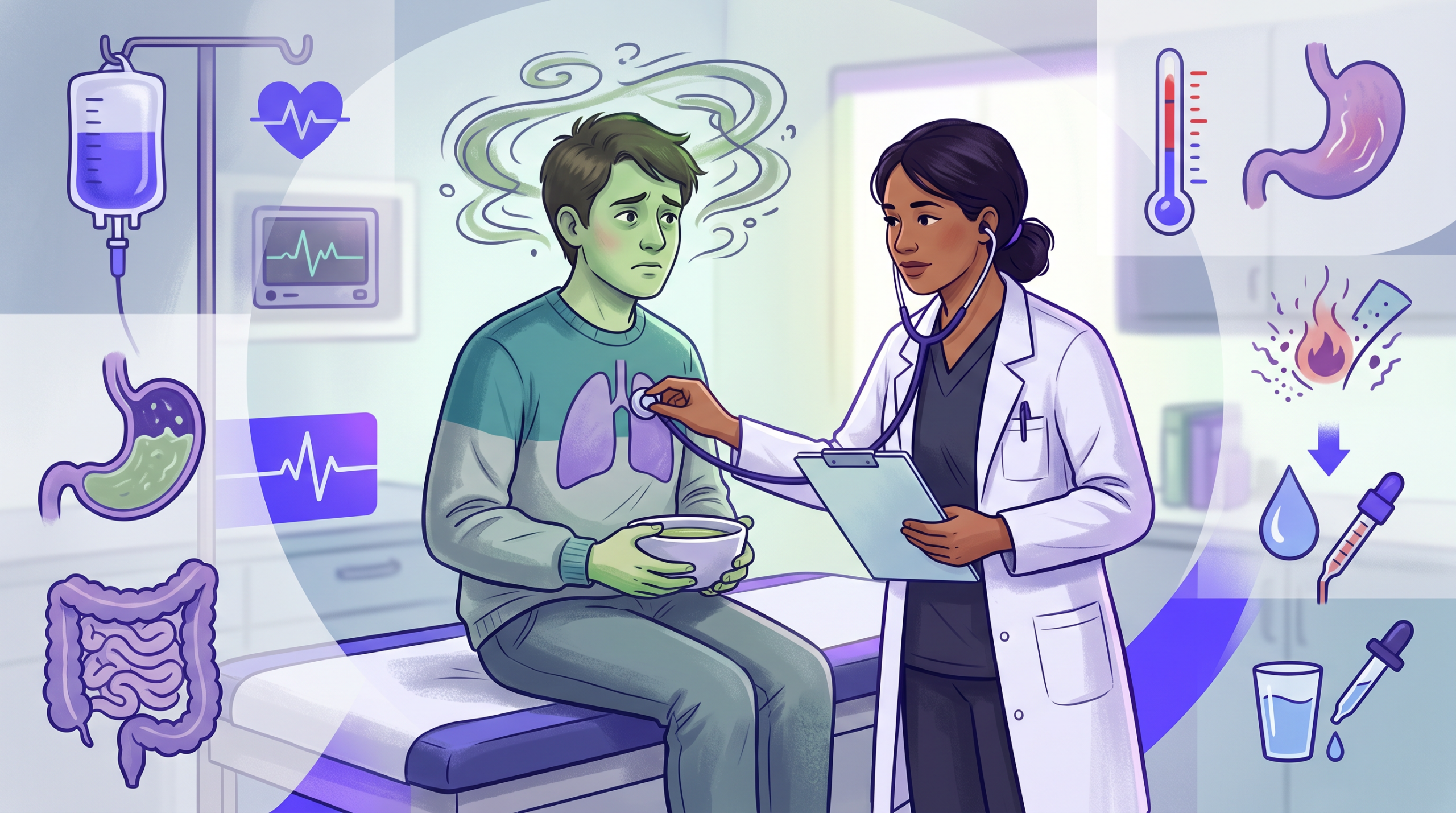
The office visit is just the starting point. Additional services increase the total — and these are the most common add-ons:
- Rapid strep or flu test: $20–$60
- COVID-19 test: $30–$100
- Urinalysis (UTI test): $30–$80
- Blood work: $30–$100+ depending on the panel
- X-ray (one set): $100–$200
- EKG: $50–$150
- Wound care or stitches: $100–$250
- IV fluids: $100–$200+
For example, if you come in for a sprained ankle, you’ll pay the office visit fee plus an X-ray fee. Similarly, if you come in for an ear infection, you’ll pay the visit fee and possibly a lab fee. Because these costs stack, it’s worth thinking about what care you’re likely to need before you go in. That way, you can estimate your total and ask the right questions at check-in.
Self-Pay Pricing: How to Pay Less Without Insurance
Many urgent care centers offer reduced rates for uninsured patients who pay at the time of service. This is called self-pay pricing — and it can be significantly lower than the standard billed rate. Here’s how to access it:
- Ask for the self-pay rate when you check in. Don’t wait until after your visit. Many clinics apply a discount automatically, but asking ensures you get it.
- Pay in full at the time of service. Most self-pay discounts require upfront payment. Paying in full removes the billing overhead that drives prices up.
- Request an itemized receipt. This lets you review each charge and understand exactly what you paid for.
- Ask about sliding scale fees. Some clinics adjust pricing based on income. Federally Qualified Health Centers (FQHCs) always offer this — some urgent care centers do too.
In addition, some clinics post their self-pay pricing online. As a result, you can review those figures before your visit. It’s worth checking the clinic’s website or calling ahead if cost is a primary concern.
Urgent Care vs. ER: The Cost Difference Matters
If you’re uninsured and worried about cost, the most important financial decision you can make is avoiding the ER for non-emergency conditions. The average ER visit costs $2,400 to $2,600 without insurance, according to GoodRx — versus $100 to $300 at urgent care for comparable treatment. That’s a 10x difference for the same outcome.
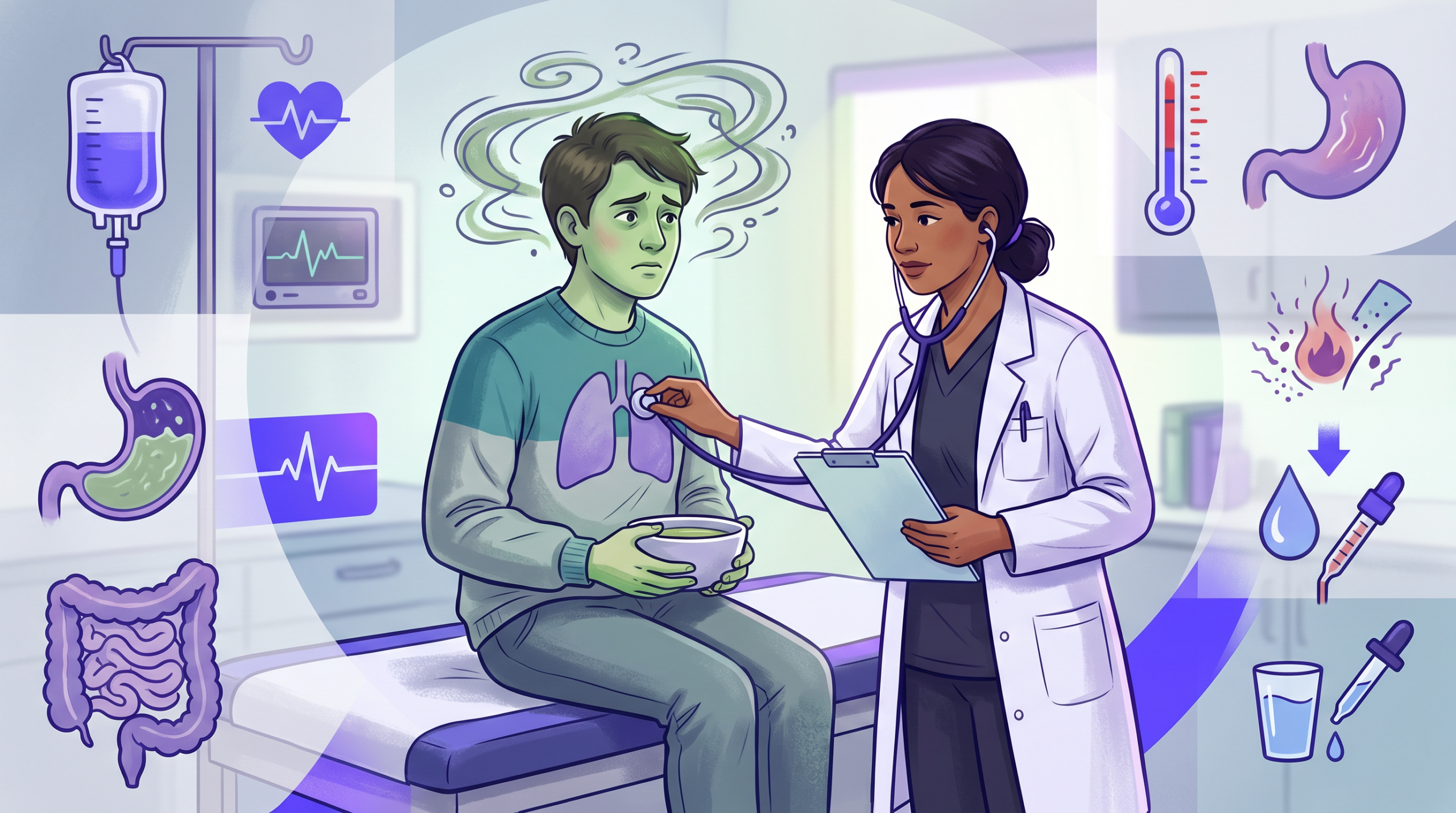
Urgent care handles most of the same non-life-threatening conditions the ER does:
- Infections (strep, ear infections, UTIs, sinus infections)
- Respiratory illness (flu, COVID-19, bronchitis)
- Minor injuries (sprains, cuts needing stitches, burns)
- Skin conditions (rashes, minor infections, bites)
- Fever, nausea, vomiting, diarrhea
However, the ER is the right choice for true emergencies — chest pain, difficulty breathing, head injury with loss of consciousness, severe allergic reaction, or stroke symptoms. For those situations, don’t delay because cost should not be a factor.
Urgent Care vs. Telehealth: The Cheapest Option for Minor Symptoms
For mild symptoms where a physical exam isn’t required, telehealth is even more affordable than urgent care. Virtual visits typically run $40 to $90 without insurance. However, telehealth can’t perform a strep swab, X-ray a sprained ankle, or provide stitches. So if you need a hands-on exam or a procedure, in-person urgent care is the right call.
How to Estimate Your Total Bill Before You Go
Before your visit, try to estimate what services you’re likely to need. Here’s a practical approach:
- Identify your main symptom and what test or treatment it typically requires.
- Call the urgent care clinic and ask: “What’s your self-pay visit fee, and how much do you charge for [specific test or service]?”
- Add those figures together to estimate your out-of-pocket cost.
For example, if you think you have a UTI, estimate the visit fee ($150) plus a urinalysis ($50) and a possible antibiotic prescription ($10–$30 at a discount pharmacy). Therefore, your total estimate would be roughly $210–$230 before any self-pay discount. This approach prevents billing surprises.
Walk In to CityHealth — Same Day, No Insurance Required
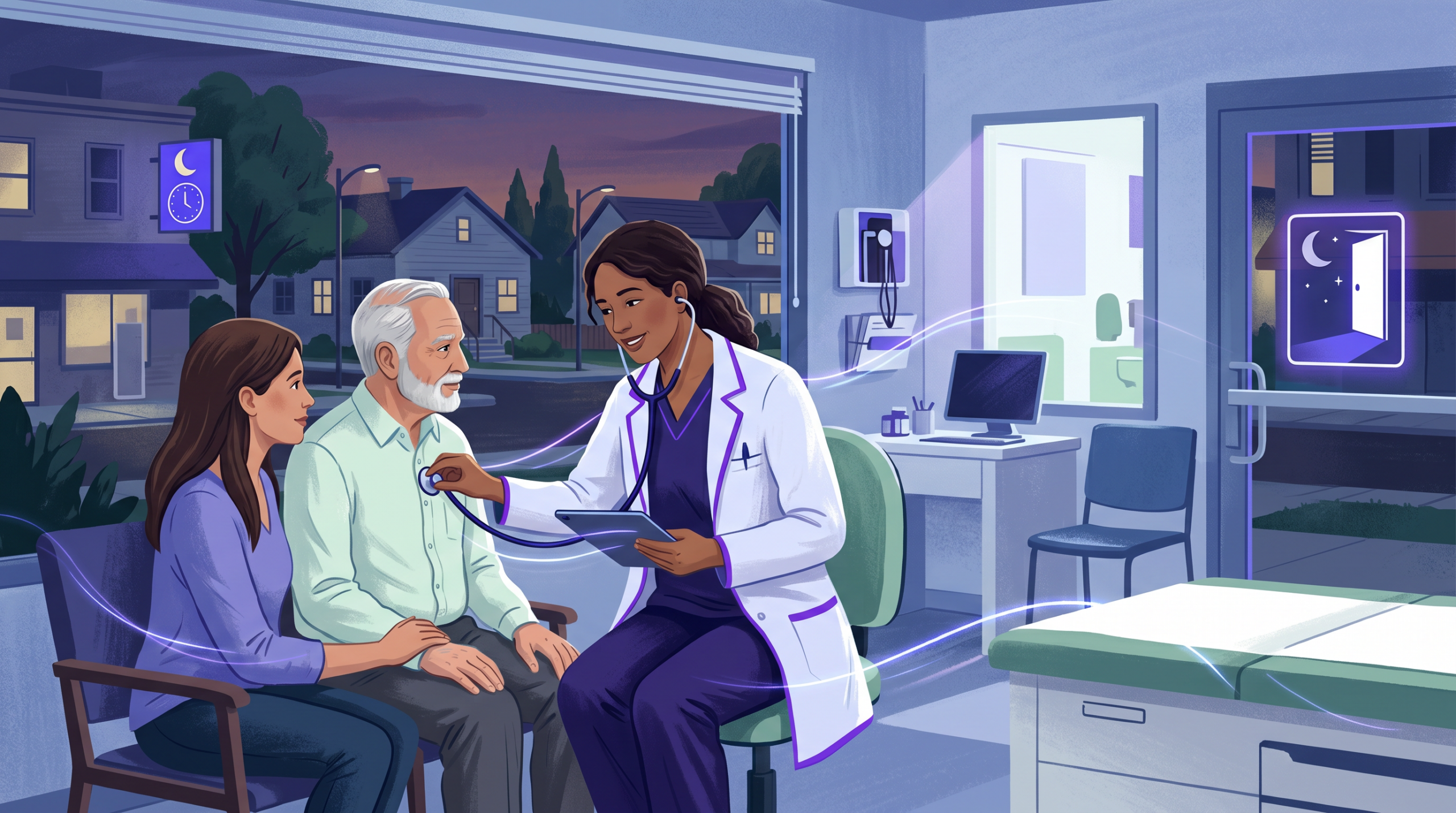
At CityHealth Urgent Care in San Leandro, we see uninsured and underinsured patients every day. We accept self-pay patients, and our team is transparent about pricing. Because we offer on-site rapid testing (strep, flu, COVID-19, UTI), X-rays, wound care, and more, you don’t have to visit multiple places to get the care you need. Walk in or book a same-day appointment online — no insurance required.
For more on what conditions we handle, see our full guide on when to go to urgent care vs. the ER.
What Urgent Care Doesn’t Treat
There are situations where urgent care is not the right setting, regardless of cost:
- Heart attack or chest pain with shortness of breath — go to the ER or call 911
- Stroke symptoms — sudden weakness, speech changes, face drooping — call 911 immediately
- Severe head injury — loss of consciousness, vomiting after a fall
- Overdose or poisoning — call Poison Control (1-800-222-1222) or 911
For those conditions, the higher ER cost is worth it because urgent care doesn’t have the equipment or specialists to manage true emergencies. However, for most everyday sick visits, urgent care gives you the same quality care at a fraction of the price.
Frequently Asked Questions
How much is urgent care without insurance for a UTI?
Expect to pay $150–$250 total — the office visit fee plus a urinalysis. Many clinics include the basic urine dip in the self-pay visit fee. In addition, the antibiotic prescription will add $10–$30 at a discount pharmacy like GoodRx.
How much is urgent care without insurance for strep throat?
A strep visit typically costs $150–$220. That includes the office visit and the rapid strep test. If you test positive, add $10–$30 for a generic antibiotic prescription filled separately at a pharmacy.
Can you go to urgent care without insurance?
Yes. Urgent care centers are open to all patients, with or without insurance. You simply pay out of pocket. Furthermore, most clinics have self-pay rates that are lower than their standard billed rates — ask when you check in.
Is urgent care cheaper than a regular doctor visit without insurance?
Often comparable. Primary care visits without insurance average around $171, while urgent care averages $180. However, urgent care offers same-day, walk-in access, which is why most uninsured patients prefer it for sick visits.
What if I can’t afford urgent care?
Look for a Federally Qualified Health Center (FQHC) near you. These clinics use a sliding scale fee based on income, and consequently, some visits cost as little as $20–$40 for low-income patients. Telehealth is another lower-cost option for mild symptoms that don’t require an in-person exam.