Urgent Care for Bee Stings: When to Walk In and What to Expect
You got stung. However, it hurts, it’s swelling, and you’re not sure if this is just normal or something you need to worry about. Most bee stings are painful but manageable at home — but some are dangerous, and knowing the difference matters. Knowing when to seek urgent care for bee sting can save you time and get you the right care fast.
However, Here’s exactly when you should walk into urgent care, when you should call 911, and what happens if you do go in.
Medically reviewed by Paul Dwight, PA — Physician Assistant, CityHealth
Got stung? Here is how to tell if you need help.
No chest pain. No hives. No tight throat. Just a sore arm? You can treat at home.
Throat tight? Hives all over? Heart beats fast? Call 911. Right now. Do not drive.
Big swelling that does not go down? Come to us. We will check it. We may give you a pill to help.
Stung more than 10 times? Walk in. A lot of venom at once can make you feel sick, even if you are not allergic.
The sting site is red and warm, three days later? That may be an infection. Come in. We will check.
We are open 7 days. Walk in. No need to call. Just show up and we will help.
Most stings heal in 3 to 5 days. Drink lots of water. Use ice. Take an antihistamine.
Normal vs. Concerning: How to Read Your Bee Sting Reaction
A bee sting triggers an immediate response at the site — that’s normal. Therefore, your immune system is reacting to the venom. What matters is whether the reaction stays local or becomes systemic (affecting your whole body).
Therefore, Normal local reaction (handle at home):
- Sharp pain immediately after the sting
- Redness and swelling at the sting site — typically 1–2 inches in diameter
- Itching and warmth around the area
- Swelling that peaks within 24–48 hours and gradually improves
In fact, Large local reaction (urgent care is reasonable):
- Swelling that extends greatly beyond the sting site — covering a large portion of your arm, leg, or face
- Swelling that peaks at 48 hours but persists for 5–10 days
- No systemic symptoms (no throat tightness, no hives elsewhere, no dizziness)
For example, Anaphylaxis — call 911 immediately:
- Throat tightness, difficulty swallowing, or a feeling your airway is closing
- Widespread hives or flushing beyond the sting site
- Dizziness, lightheadedness, or fainting
- Vomiting or nausea
- Rapid heartbeat
- Extreme anxiety or a feeling of impending doom
If you have any anaphylaxis symptoms, call 911 — do not drive yourself to urgent care or the ER. Use an epinephrine auto-injector (EpiPen) if you have one. In fact, anaphylaxis can progress from mild to life-threatening in minutes.
When Urgent Care for Bee Sting Is the Right Call
Additionally, Urgent care for bee sting is appropriate when Urgent care is appropriate for bee stings that don’t reach the 911 threshold but still need medical attention. Walk into CityHealth if:
- The sting site is on your throat, mouth, or near your airway — swelling in these areas can become dangerous quickly
- The stung area is swelling extensively and you want it evaluated
- You were stung multiple times (more than 10–20 stings at once can cause systemic toxicity even without an allergy)
- The sting site looks infected several days later — redness, warmth, pus, or increasing pain after day 2
- You’ve had a major reaction to stings in the past and want to be monitored
- You’re not sure whether your reaction is normal or concerning
- You need prescription-strength antihistamines or steroids for a large local reaction
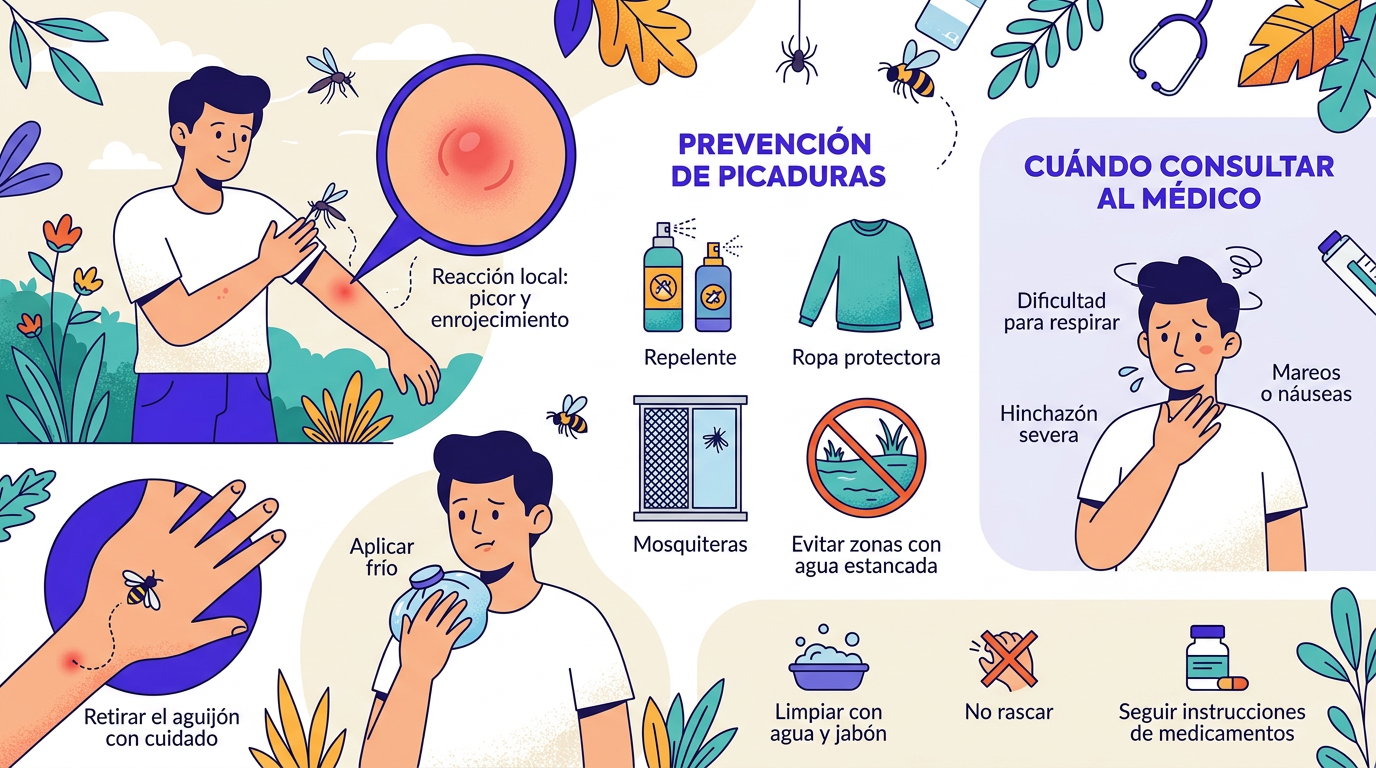
What Should You Do Immediately After a Bee Sting?
As a result, Before deciding whether to go anywhere, here’s what to do in the first few minutes:
- Remove the stinger — Bees leave their stinger behind (wasps and hornets do not). Scrape it out sideways with a credit card, fingernail, or flat edge. Don’t pinch it with tweezers — this can squeeze more venom in.
- Wash the area — Soap and water to reduce infection risk.
- Apply ice — Cold compress for 20 minutes on, 20 off. This reduces swelling and numbs the pain.
- Take an antihistamine — Diphenhydramine (Benadryl) or cetirizine (Zyrtec) to reduce itching and mild swelling.
- Watch for 30 minutes — If you’re developing systemic symptoms within 30 minutes, act immediately.
If you’re still uncomfortable after those steps but have no systemic symptoms, urgent care is your next move.
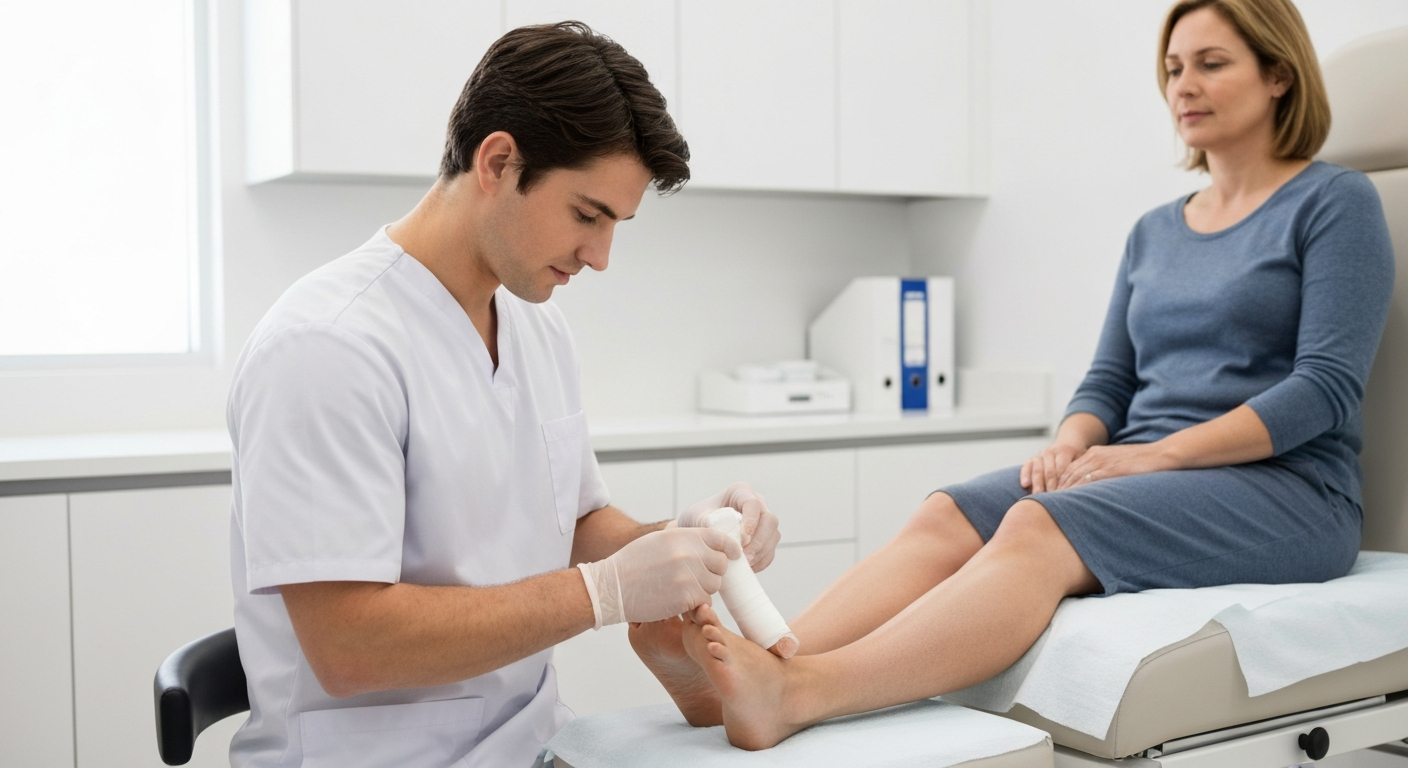
What Happens at Your Urgent Care Visit for a Bee Sting?
Furthermore, Walk-in urgent care visits for bee stings are quick and focused. For example, at CityHealth San Leandro, here’s what happens:
- Assessment of your reaction type — The provider confirms whether you’re having a local, large local, or beginning systemic reaction.
- Vital signs monitoring — Blood pressure, heart rate, and oxygen levels are checked to detect any systemic involvement.
- Treatment based on severity:
- For large local reactions: oral antihistamines and a short course of oral steroids (prednisone) to reduce swelling
- For major pain: appropriate pain management
- For suspected infection: antibiotics if the site shows signs of secondary infection
- Monitoring period — If there’s any question about systemic involvement, we’ll observe you for 30–60 minutes to make sure symptoms are improving, not progressing.
- Allergy referral discussion — If you’ve had major reactions before or this was a large local reaction, your provider may recommend allergy testing. Venom immunotherapy is highly effective at preventing anaphylaxis in future stings.
What Does a Bee Sting Look Like After 2 Days?
In addition, By day 2, a normal sting reaction typically looks like this:
- Swelling has peaked and may be at maximum size
- Redness is still present but not dramatically spreading
- The area is still tender but pain is decreasing
- Itching continues as the venom breaks down
Consequently, Signs that your day-2 reaction is abnormal and needs evaluation:
- Swelling is still increasing after 48 hours (should be stable or decreasing by now)
- New areas of redness spreading out from the sting in a streak pattern (could indicate infection or lymphangitis)
- Yellow or green discharge, increasing warmth, or fever — signs of secondary bacterial infection
- The skin over the sting feels hard or tight
So, Infections at sting sites are uncommon but do happen, particularly if you scratched the area or the stinger wasn’t fully removed. Also, walk in if you’re seeing these signs.
Is Getting Stung by a Bee an Emergency?
That said, For most people: no. So, the vast majority of bee stings cause local reactions that resolve in 3–7 days with home care. About 2 million Americans are allergic to insect stings, according to the American College of Allergy, Asthma and Immunology. Furthermore, of those, roughly 90–100 people die from anaphylaxis each year in the U.S. — which is why knowing the signs matters, even if your odds are low.
If you know you’re allergic: carry an EpiPen always, use it immediately if stung, and call 911. In addition, even after using an EpiPen, go to the ER — epinephrine buys time but wears off.
If you don’t know your allergy status: watch for systemic symptoms for at least 30 minutes after being stung. If anything beyond the sting site is affected, escalate immediately.
Multiple Stings: A Different Risk
Importantly, Being stung by a single bee is very different from a swarm attack. If you were stung 20 or more times:
- The cumulative venom load can cause venom toxicity, independent of allergy
- Symptoms include nausea, vomiting, headache, diarrhea, and in severe cases, organ involvement
- Go to urgent care or the ER depending on how you’re feeling — don’t wait it out at home
Most often, Children and elderly people are at higher risk from multiple stings due to lower body weight and potentially reduced physiological reserve.
How Long Does Bee Sting Pain Last?
The acute burn of a bee sting typically fades within 1–2 hours. So, the lingering ache, swelling, and itch usually persist for:
- Normal local reaction: 3–5 days
- Large local reaction: 5–10 days, with swelling peaking at 48 hours
If pain is severe and worsening after 10 hours rather than improving, that’s a reason to get evaluated. That said, pain that intensifies after the initial reaction has settled often points to infection or incomplete stinger removal.
Frequently Asked Questions
Specifically, At what point should I see a doctor for a bee sting?
Go to urgent care if the sting is near your airway, causes extensive swelling, becomes infected, or if you were stung many times. Importantly, call 911 for any throat tightness, widespread hives, dizziness, or difficulty breathing.
Instead, Why does my bee sting still hurt 10 hours later?
Some pain at 10 hours is normal, especially with large local reactions. If the pain is increasing rather than decreasing, or you see new signs of infection (spreading redness, pus, warmth), walk in.
Is it bad if a bee sting swells a lot?
Extensive local swelling — even covering most of your arm — can be a large local reaction, which is uncomfortable but not dangerous. The key is making sure the swelling isn’t accompanied by systemic symptoms. If you’re unsure, walk into urgent care and let us assess it.
Walk In Today — No Appointment Needed
Bee stings, wasp stings, hornet stings — if it hurts and you’re not sure it’s fine, come in. Specifically, CityHealth San Leandro is open 7 days a week, and we handle insect sting reactions, wound care, and infection evaluation — all without an appointment.
We also handle other acute injuries and allergic reactions. If you’ve been stung before and want to discuss allergy testing, we can connect you to the right specialist.