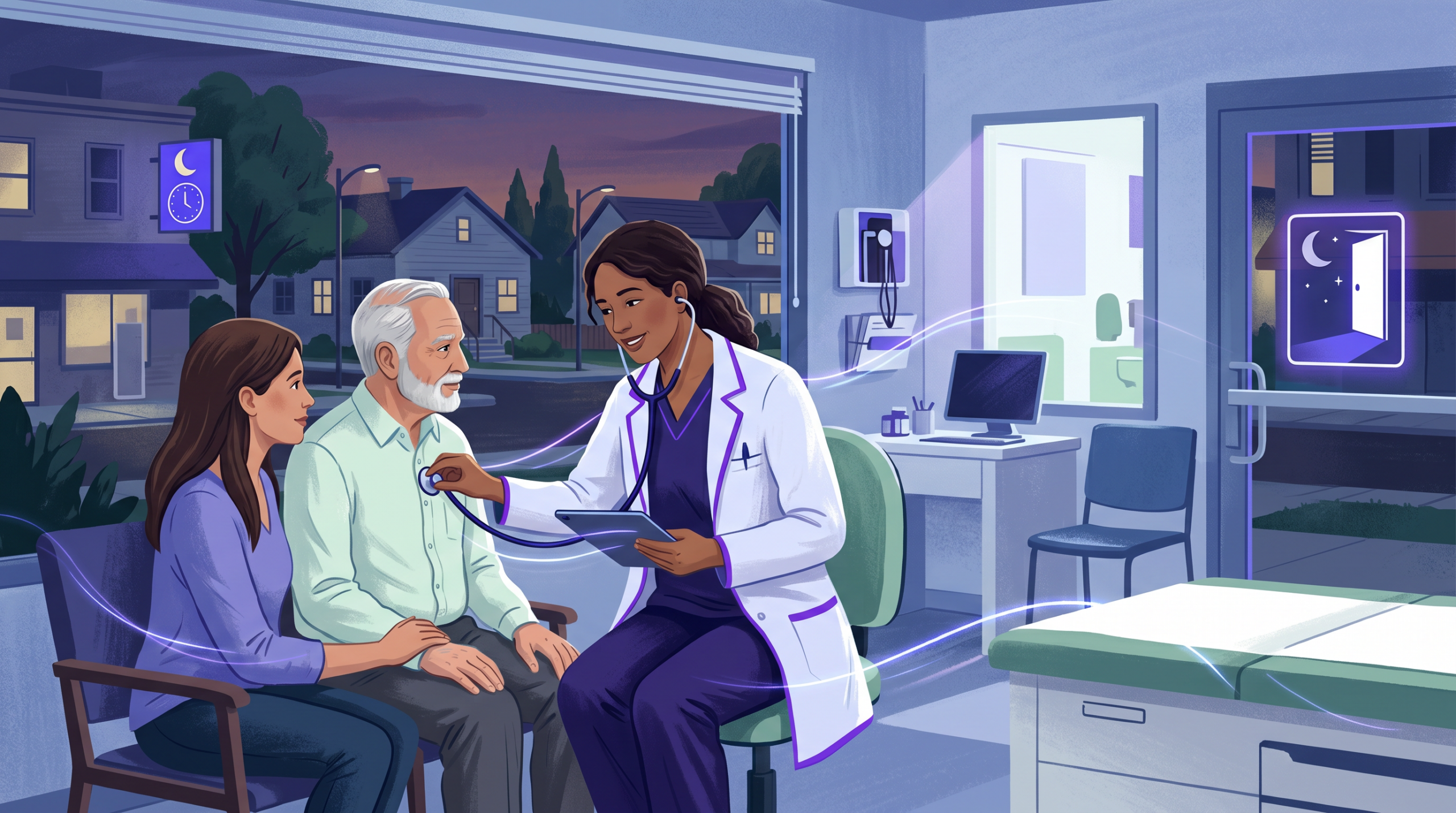
Pediatrician vs Family Doctor: What’s the Difference and Which Is Right for Your Child
You’re choosing a doctor for your child and you’re not sure whether to pick a pediatrician or a family doctor. Both are real doctors. Both handle checkups, vaccines, and sick visits for children. But they’re not the same. The pediatrician vs family doctor choice comes down to a few key differences. The right answer depends on your child’s needs and what’s available near you. So read this guide and you’ll know which fits your family best.
Medically reviewed by Susana Quezada, NP — Nurse Practitioner, CityHealth Urgent Care
What Is a Pediatrician?
A pediatrician is a doctor who trained only in child health. After medical school, they spent 3 years learning only about children — from newborns to young adults. Because of this training, they know child health well. They are trained to handle:
- Growth and learning milestones — motor skills, speech, social skills, and school readiness
- Children’s vaccine schedules and age-based preventive care
- Safe medicine doses for children at every age and weight
- Rare childhood conditions that can look like common illness
- Ongoing conditions like childhood asthma, ADHD, and childhood diabetes
Pediatric offices are built for kids. The rooms are child-friendly. The equipment is sized for small bodies. The staff knows how to talk to children and ease their fear. As a result, visits go more smoothly — especially for young children who feel scared at the doctor.
What Is a Family Doctor?
A family doctor — also called a family medicine doctor — trains across all age groups. Their 3-year residency covers internal medicine, pediatrics, surgery, women’s health, mental health, and care for older adults. So they can see patients from newborns to seniors.
Family doctors work well for:
- Families who want one doctor for everyone — kids and adults in the same practice
- Areas where pediatricians have long waits or no openings
- Teenagers getting close to adulthood — the switch to adult care is easier when the doctor already knows them
- Parents who want to see the same provider as their children
However, family doctors get less pediatric training than a dedicated pediatrician. For healthy children with routine care needs, this difference rarely matters. But for children with complex ongoing health issues, it may matter more.
Pediatrician vs Family Doctor: The Key Differences
Here’s a direct look at what actually differs between the two providers:
- Training focus: Pediatricians train for 3 years on children only. Family doctors train for 3 years across all specialties, with some pediatric rotations.
- Age range: Pediatricians see children from birth to about age 18 to 21. Family doctors see all ages — no limit in either direction.
- Office design: Pediatric offices are built for kids. Family practice offices vary a lot.
- Long-term care: With a pediatrician, your child will need to switch to an adult doctor eventually. With a family doctor, that switch never has to happen.
- Specialist connections: Pediatricians often have stronger ties to child specialists — like heart doctors and brain doctors who work only with kids.
- Whole family care: A family doctor can see everyone in your home. A pediatrician only sees your children.
Which Is Better for Healthy Children?
For most healthy children with routine care needs, both types of doctors work well. Research shows no difference in health outcomes for children with typical needs — whether they see a pediatrician or a family doctor. So for everyday checkups, vaccines, and common sick visits, either one is a good choice.
However, if your child has a complex or ongoing condition — like severe asthma, a heart defect, Type 1 diabetes, or developmental delays — a pediatrician is often the better fit. They see these conditions in children more often. Furthermore, they have stronger ties to child specialists who work with kids at every stage of growth.
When a Family Doctor Makes More Sense
In some situations, a family doctor is the better fit. Consider a family doctor if:
- No pediatricians in your area are accepting new patients
- You want one doctor for your whole household
- Your child is healthy and has no ongoing medical conditions
- You live in a rural area where family doctors are the main option
- Your teen is getting close to adulthood and a smooth handoff matters to you
Also, if cost is a concern, family doctors are not more expensive than child-only doctors. The co-pay is the same for both. So access and convenience are often the deciding factors.
When a Pediatrician Makes More Sense
However, a pediatrician is usually the better choice if:
- Your child has or may have a complex medical condition
- You have a newborn or very young baby — child-only doctors see more newborns and have stronger experience with infant care
- Your child has speech delays, learning issues, or behavior concerns that need tracking over time
- Your child has a lot of fear around doctor visits — a child-focused office helps
Because child-only doctors spend all their time with children, they tend to notice growth and development issues faster. For example, they may catch a speech delay or vision problem at a routine checkup before it becomes a bigger issue.
What If Your Child’s Regular Doctor Isn’t Available Same Day?
Both pediatricians and family doctors often have limited same-day availability. However, when your child wakes up sick and needs to be seen today, you shouldn’t wait days for an appointment. In that situation, CityHealth Urgent Care in San Leandro is a reliable option. We see children of all ages for sick visits — no appointment needed. We offer rapid strep tests, flu tests, ear exams, and more. Walk in or book a same-day visit online. For more on when urgent care is right for your child, see our guide on when to take your child to urgent care.
At What Age Should a Child Switch from a Pediatrician to an Adult Doctor?
Most child-only doctors see patients through age 18. Some see patients up to age 21. According to the American Academy of Pediatrics, the right time to switch depends on the patient’s needs — not just their age. For example, a teen with a serious ongoing condition should switch more carefully and slowly. A healthy 18-year-old can usually move to an adult doctor with no issues. However, if your child sees a family doctor, this switch is already built in — you never have to change doctors at all.
Frequently Asked Questions
Can I take my child to a family doctor instead of a pediatrician?
Yes. Family doctors are fully trained to care for children. Many families — especially in areas with limited pediatric access — use family doctors for all their children’s care. For most healthy children, the outcomes are the same. So if a family doctor is easier to access, that’s a perfectly good choice.
Is a pediatrician more expensive than a family doctor?
No. Billing codes for well-child visits and sick visits are the same regardless of specialty. Your cost depends on your insurance plan, not on the type of doctor. So cost should not be a deciding factor in this choice.
Should my teenager see a pediatrician or switch to a family doctor?
Many teens stay with their pediatrician through high school, and that’s fine. However, if your teenager needs care that pediatricians don’t usually offer — like adult health issues or certain reproductive health care — switching to a family doctor or adult doctor during the teen years can make sense.
Can urgent care replace a pediatrician or family doctor for my child?
No. Urgent care is for acute sick visits and injuries — it doesn’t replace a primary care relationship. Your child still needs a regular doctor for well-child exams, growth tracking, vaccine schedules, and care over time. However, urgent care fills the gap when your child is sick and the regular provider can’t see them that day.