
Why Every Doctor Near You Seems to Be “Not Accepting New Patients”
You need a doctor near me accepting new patients, but every office you call says the same thing: “Our panel is full.” This is not your imagination. In fact, the AAMC projects a shortage of up to 48,000 primary care doctors by 2034. As a result, practices fill up fast. Waitlists run for months. And if your old doctor left, you start from scratch.
Medically reviewed by Sean Parkin, PA, CEO & Founder — Urgent Care
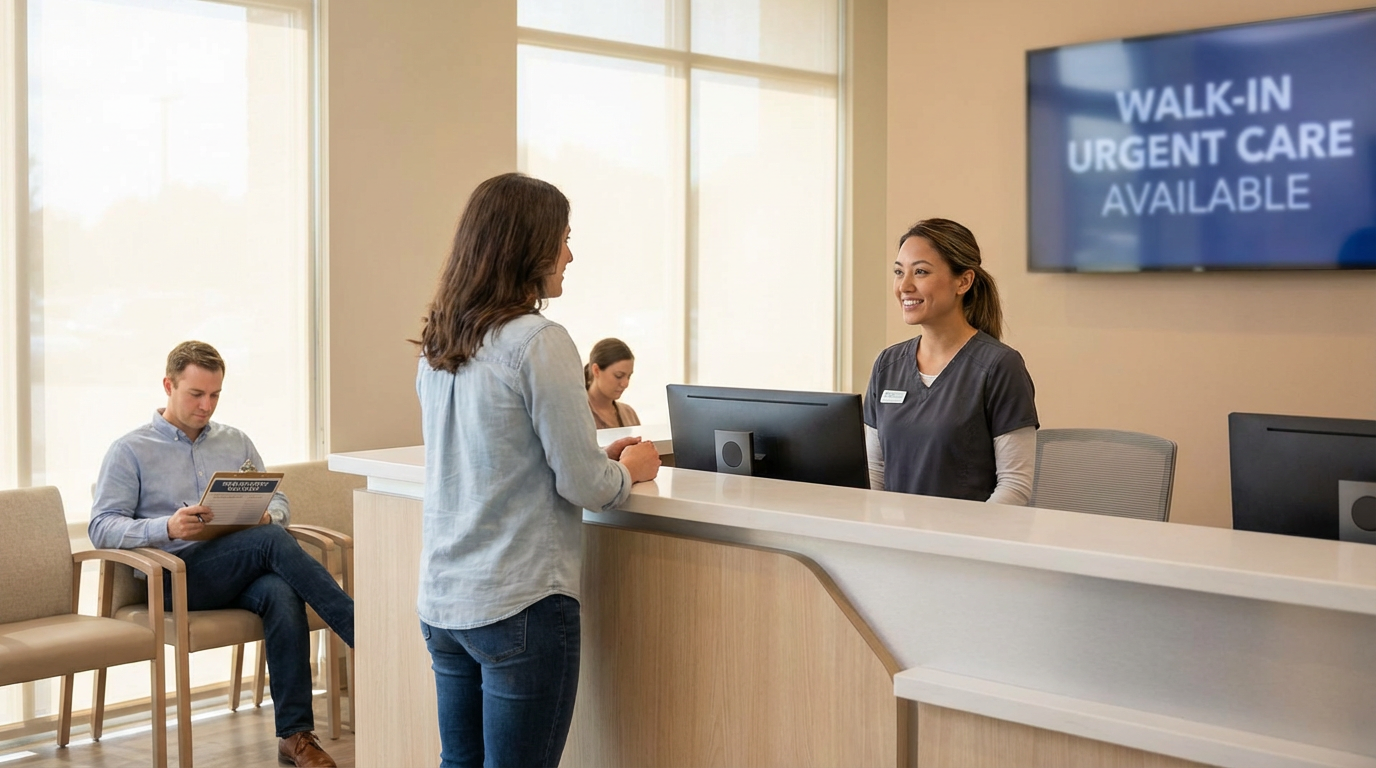
However, most people don’t realize something important: you don’t need a primary care doctor for most of the things you’d see one for. For example, walk-in urgent care clinics handle physicals, blood work, sick visits, and referrals. There’s no panel to join and no waitlist. You walk in, get seen, and leave with answers the same day.
Why Doctors Stop Accepting New Patients
Primary care practices run on patient panels. Typically, a physician manages between 1,800 and 2,500 patients. Once that panel fills, the practice closes to newcomers. In general, three situations cause this:
- Full panels. The doctor simply cannot see more people in a day. Therefore, adding patients means longer waits for everyone already on the roster.
- Rapid growth. For instance, a practice that recently absorbed patients from a retiring colleague may pause for six months to stabilize.
- Retirement or relocation. Similarly, physicians winding down their careers stop taking new patients 12 to 18 months before leaving.
As a result, these closures hit harder in areas with fewer providers. In the East Bay — Oakland and San Leandro — the ratio of primary care doctors to patients falls below average.
What to Do When No Doctors Are Accepting New Patients
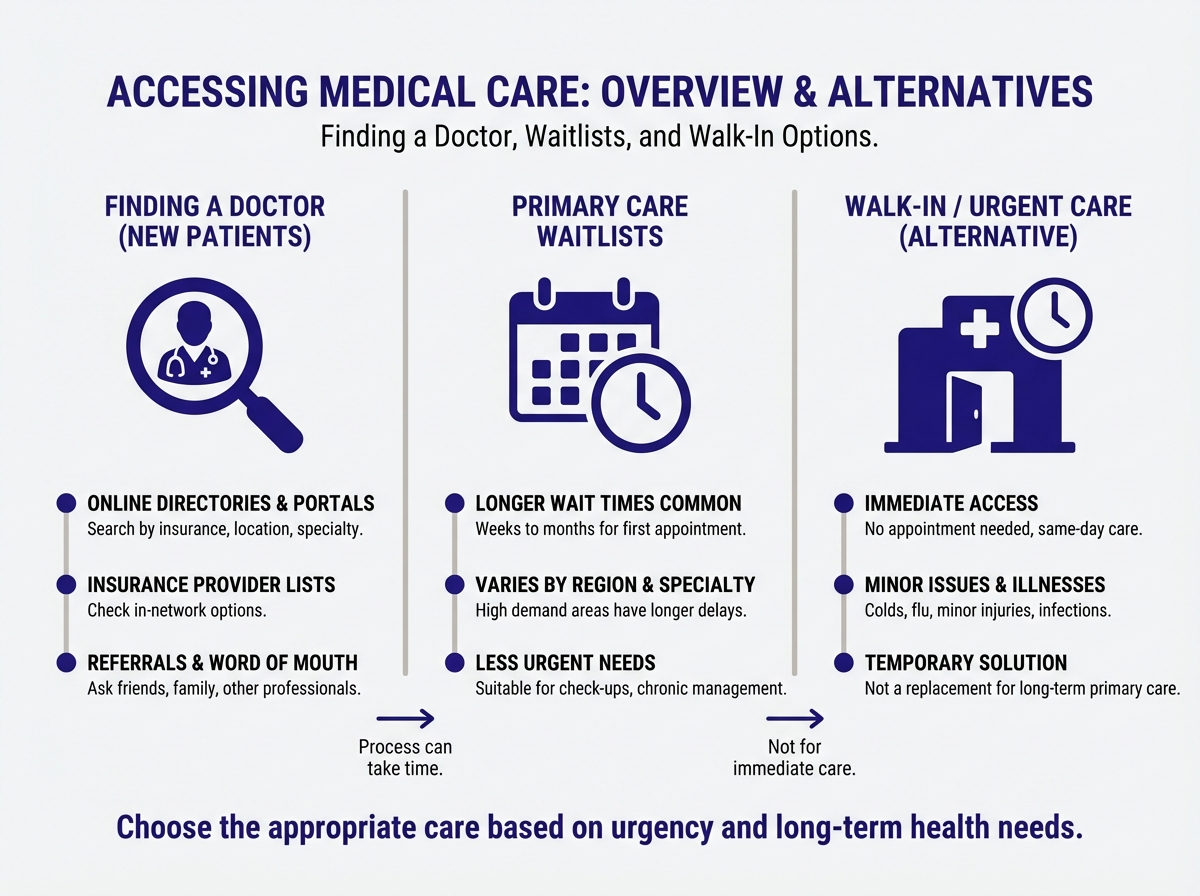
Sitting on a waitlist for three months while you need a prescription or a work physical doesn’t make sense. Fortunately, you have options right now.
1. Walk Into an Urgent Care Clinic
Urgent care clinics handle the majority of what people schedule PCP appointments for. Specifically, that includes:
- Sick visits for colds, flu, infections, and rashes
- Physicals including DOT, sports, and annual wellness exams
- Lab work like blood panels, cholesterol, A1C, and STI screening
- Prescriptions for antibiotics, antivirals, and inhalers
- Referrals to specialists for imaging or dermatology
- Chronic condition check-ins for blood pressure and diabetes monitoring
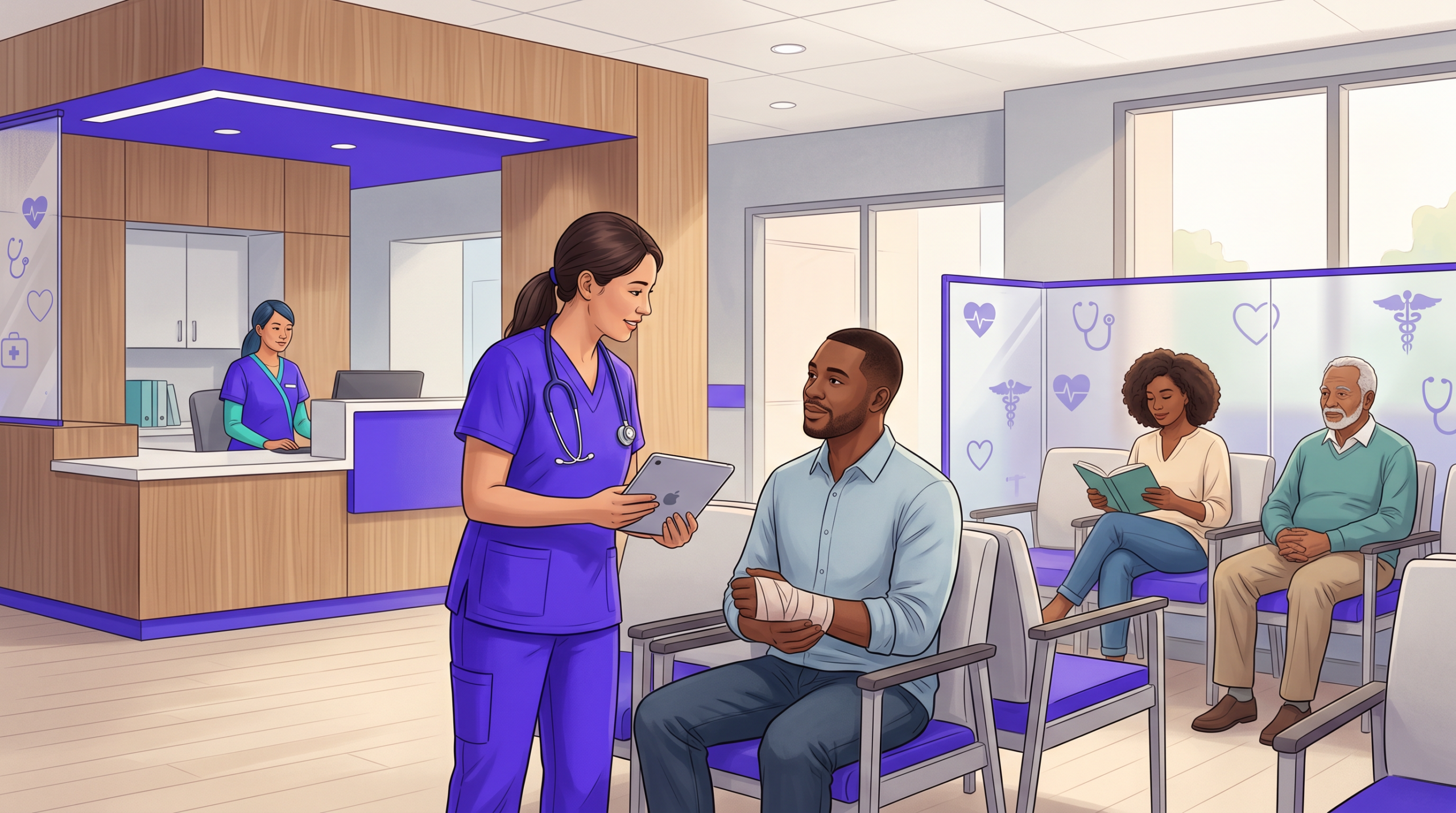
At CityHealth Urgent Care in San Leandro and Oakland, for example, you walk in without an appointment. No panel to join. Most visits take under an hour.
2. Use Your Insurance Network Directory
Your insurance company keeps a provider directory filtered by who accepts new patients. However, online directories aren’t always current. Instead, call the member services number on your card. A phone call gets you better information than a web search.
3. Check Community Health Centers
Federally qualified health centers (FQHCs) must see patients regardless of insurance or ability to pay. In addition, they often have shorter wait times than private practices. You can search the HRSA directory to find one near you.
4. Try Telehealth
If your need is simple — a prescription refill, cold symptoms, or a skin concern — telehealth visits can fill the gap. As a result, many platforms connect you with a provider within hours.
How to Find a Doctor Near Me Accepting New Patients
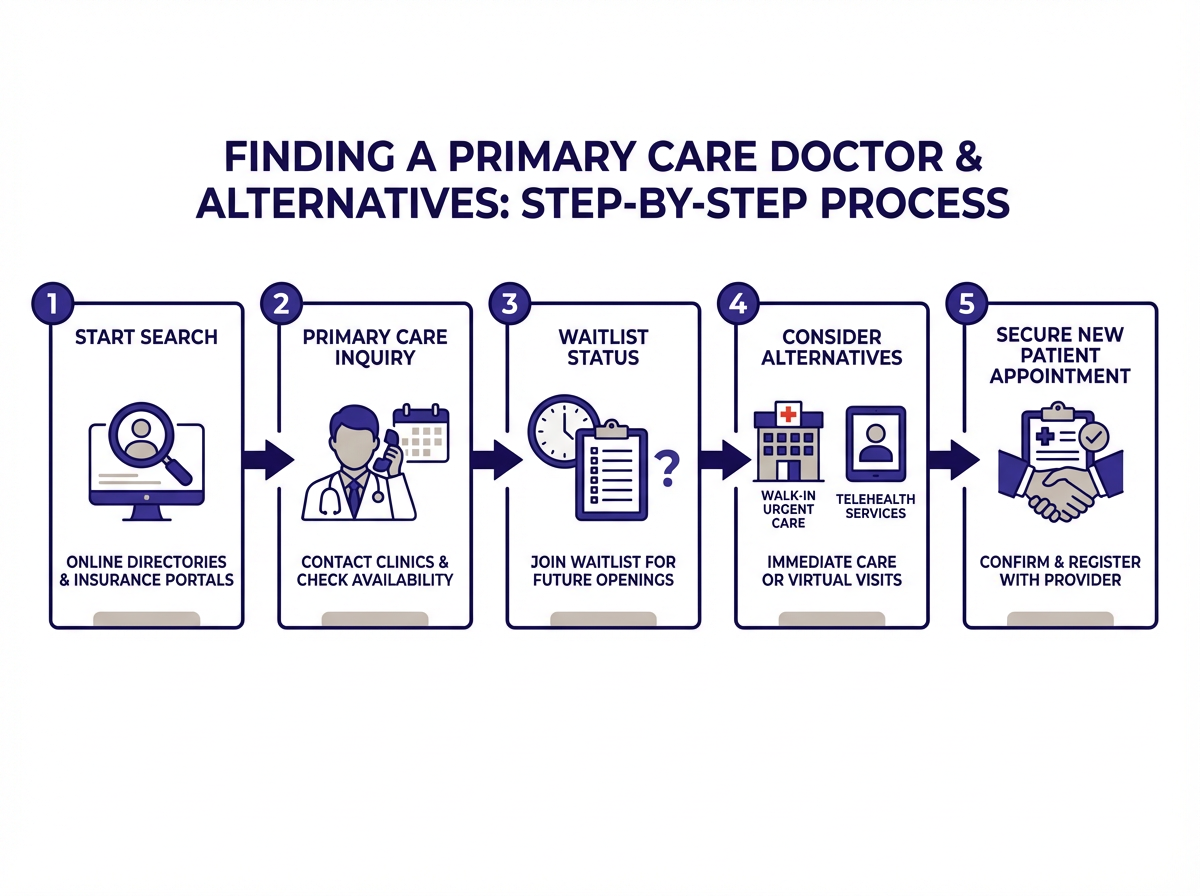
When you’re ready to build a primary care relationship, these steps work better than cold-calling offices from a Google search.
First, ask your urgent care provider for a referral. If you’ve been seen at a walk-in clinic, the provider who treated you can recommend doctors with open panels. Because they send referrals regularly, they know which offices have space.
Second, call the office and ask two things: “Are you accepting new patients?” and “What’s the earliest available slot?” If the first opening is four months out, you’re accepted on paper but still without care.
Third, look for newer practices. Doctors who recently opened or joined a new group actively build their panels. Because of this, they have shorter waits and want new patients.
Also, expand your search radius. If every office within five miles is full, a provider 15 minutes away with open slots beats a waitlist down the street.
Finally, consider NPs and PAs. NPs and PAs provide the same primary care services in most states. They prescribe meds, order labs, and manage chronic conditions. Moreover, practices with NPs and PAs often have more openings.
What Urgent Care Covers While You Search
The biggest mistake people make when they can’t find a doctor near me accepting new patients is delaying care altogether. You skip the physical. You let the cough linger. You run out of blood pressure meds.
Don’t do that. Instead, walk-in clinics exist for exactly this gap. Here’s what walk-in care covers:
- Routine labs: CBC, metabolic panel, lipid panel, thyroid, A1C
- Employment needs: physicals, drug screens, TB tests, titers
- Acute illness: strep, flu, COVID, UTIs, ear infections
- Minor injuries: sprains, cuts, minor burns, fractures
- Skin issues: rashes, moles, acne flare-ups, eczema
- Vaccines: flu shots, COVID boosters, tetanus, Tdap
However, if you have a condition that requires monthly monitoring — like adjusting psychiatric medications or tracking tumor markers — you do need a primary care relationship. For everything else on this list, a same-day walk-in visit gets the job done.
The Real Cost of Waiting for a PCP
People treat finding a primary care doctor like apartment hunting. They want the right fit, the right reviews, the right vibe. Meanwhile, weeks pass without any care.
A 2023 Merritt Hawkins survey put the average wait for a new family medicine slot at 26 days. In some areas, it topped 60. That’s two months with no provider.
Because of that delay, real problems develop:
- An untreated UTI that turns into a kidney infection
- A blood pressure spike that goes unchecked for weeks
- An expired prescription you can’t refill
- A work physical you can’t schedule on time
Urgent care bridges that gap immediately. As a result, you handle what’s pressing today and continue your PCP search from a position of health rather than panic.
When You Need a PCP vs. Urgent Care
A primary care doctor makes sense for ongoing, complex care. For example:
- Managing multiple chronic conditions with several medications
- Coordinating care across multiple specialists
- Mental health treatment with ongoing therapy referrals
- Long-term preventive care based on family history
On the other hand, urgent care handles everything else. At CityHealth, providers can also start chronic condition management, order baseline labs, and connect you with specialists while you build a long-term care plan elsewhere.
Get Care Today Without a Waitlist
Searching for a doctor near me accepting new patients takes time. Your health, however, doesn’t always have that patience. CityHealth Urgent Care in San Leandro and Oakland sees patients seven days a week. No appointment needed. Walk in for physicals, lab work, sick visits, prescriptions, and referrals.
Stop waiting for a panel to open. Walk in today or check in online.