
Quick Answer
Dermis cuts don’t automatically need stitches, but depth, length, and location determine the call. CityHealth Urgent Care in San Leandro evaluates wounds same-day with no appointment required. If the cut is gaping, longer than half an inch, or bleeding won’t stop after 10 minutes of direct pressure, walk in.
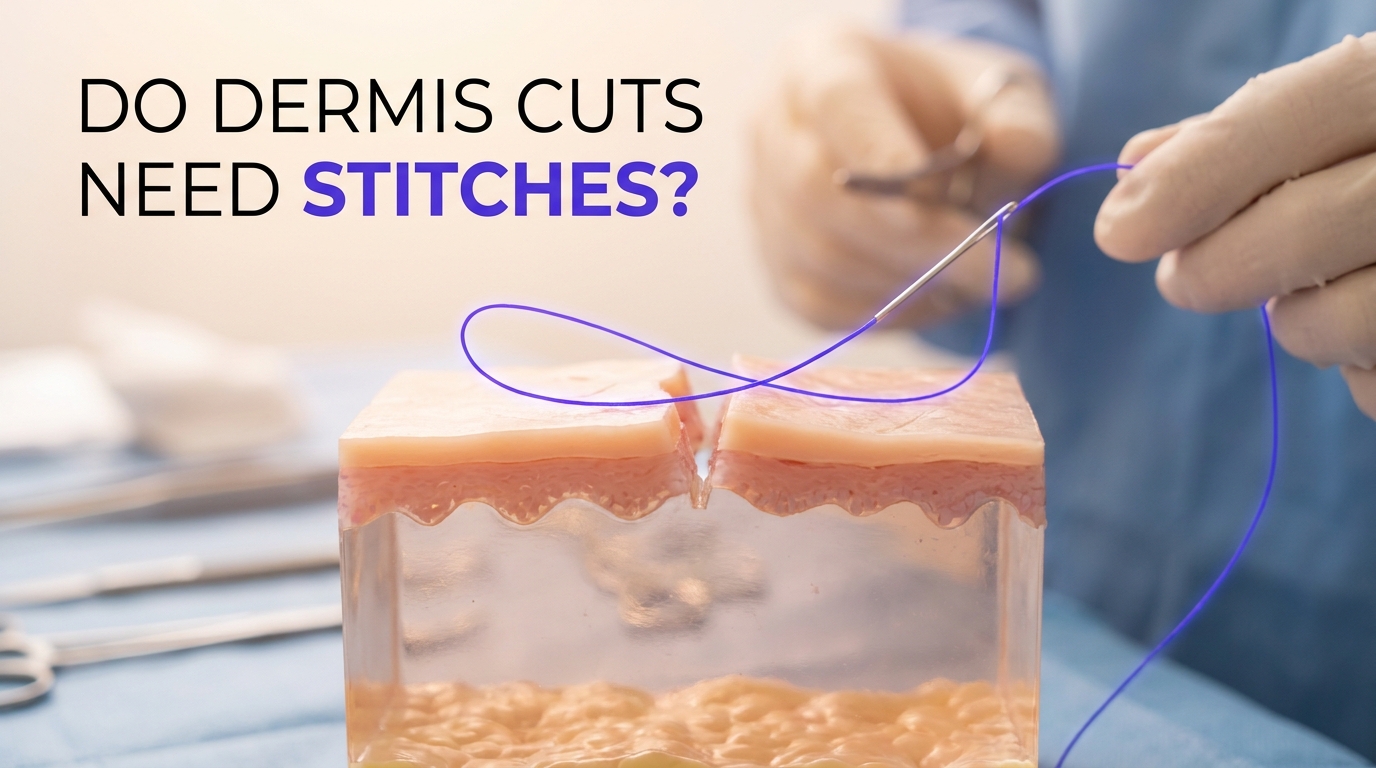
You cut yourself. It’s deeper than a scrape, it’s bleeding more than you expected, and now you’re squinting at it trying to figure out if you actually need to go somewhere. Whether dermis cuts need stitches depends on a handful of specific factors, and you can assess most of them right now. Here’s how to read the wound clearly so you can make the right call.
What Is the Dermis and Why Does It Change the Calculus?
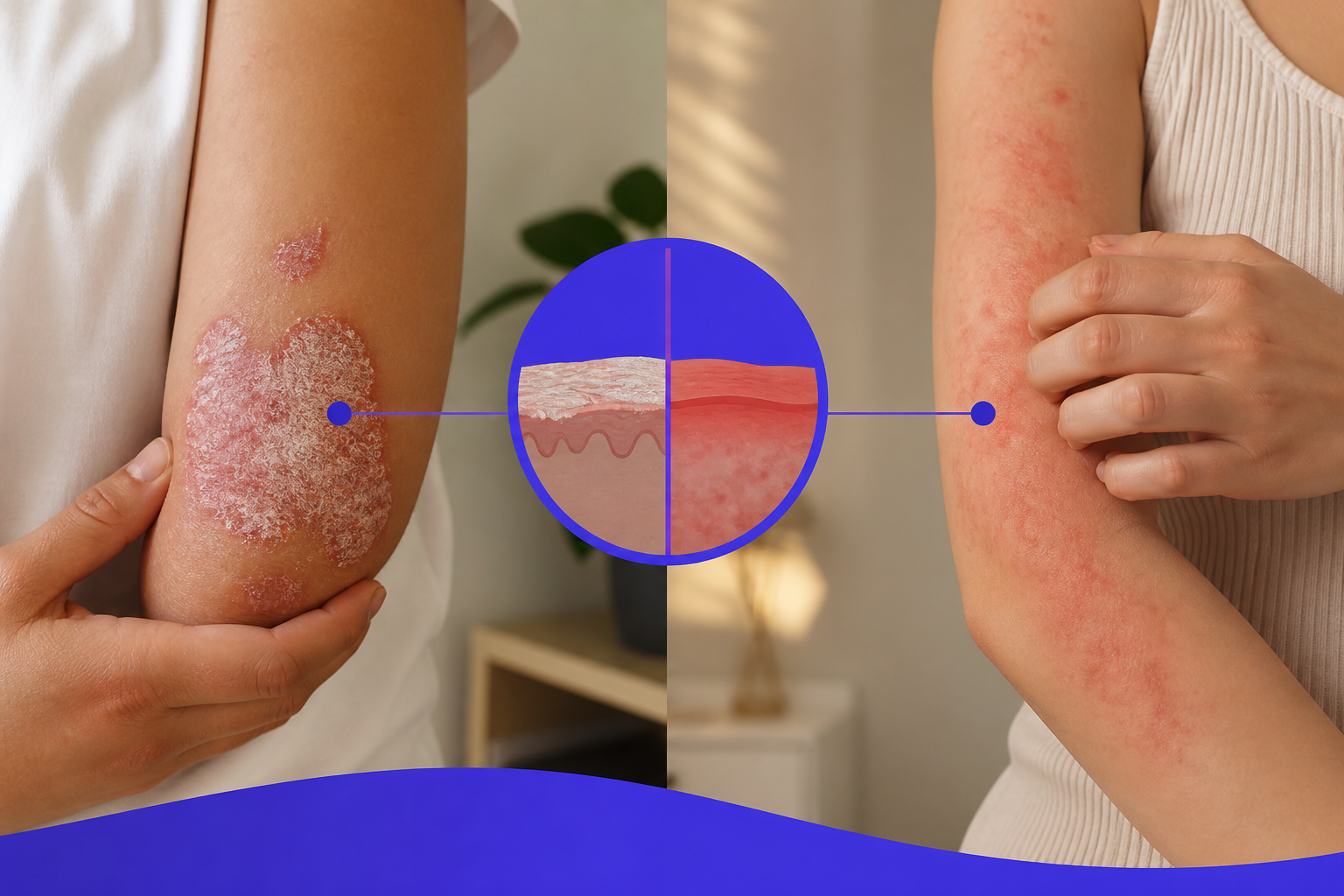
Your skin has three layers. The epidermis is the thin outer surface you can see. Beneath it sits the dermis, a thicker layer packed with blood vessels, nerve endings, collagen fibers, hair follicles, and sweat glands. Deeper still is the hypodermis, the yellowish fatty tissue that cushions your body.
A cut that only grazes the epidermis is a surface scratch. It might sting and bleed a little, but the wound typically closes on its own. A cut that reaches the dermis is a different situation. The dermis bleeds more because it is vascular. It may gape because dermis tissue carries more structural tension. And if it doesn’t close properly, you’re looking at a higher infection risk and a more noticeable scar.
So do dermis cuts need stitches? Sometimes yes, sometimes no. The answer hinges on several factors you can assess yourself in about a minute.

How to Tell If a Dermis Cut Needs Stitches
Go through this checklist. More “yes” answers means more reason to get professional evaluation.
Signs the Cut Probably Needs Stitches
- The wound is gaping and edges won’t stay together. If you press the sides of the cut together and they spring back open immediately, the tissue needs help staying closed.
- The cut is longer than half an inch. Wounds over 0.5 inches are harder to close with adhesive strips alone and are more prone to reopening with normal movement.
- You can see yellow fatty tissue or white structures. Yellow fat means the cut went all the way through the dermis into the hypodermis. White cord-like structures could be tendon or fascia. Either one is a clear signal to come in.
- Bleeding won’t stop after 10 to 15 minutes of firm, direct pressure. Apply a clean cloth and hold steady without peeking. If blood is still soaking through at the 15-minute mark, that’s urgent.
- The cut is on your face, hand, or over a joint. These locations carry functional and cosmetic stakes. Improperly closed wounds on fingers or knuckles can affect movement and sensation. Face wounds scar more visibly. Joints need wounds to close securely so movement doesn’t reopen them.
- The wound has ragged or uneven edges. A jagged tear, rather than a clean slice, often won’t heal neatly without closure.
- The cut came from an animal bite, human bite, or a very dirty object. These carry high infection risk regardless of size or depth.
Signs You May Be Able to Manage at Home
- The cut is shorter than half an inch and shallow.
- The edges lie flat and touch without pulling apart.
- Bleeding slows or stops within 10 minutes of pressure.
- The wound is not on the face, hand, or a joint.
- A butterfly bandage or steri-strip closes it cleanly and holds.
If you’re genuinely unsure, that uncertainty is itself a reason to get it looked at. A wound check at CityHealth Urgent Care in San Leandro takes just a few minutes and removes the guesswork entirely.
What Happens If You Skip Stitches When You Actually Need Them
It’s tempting to tape it up and hope for the best. But a dermis wound that needed stitches and didn’t get them can create real problems down the line.
Infection is the first risk. An open or poorly closed wound is a direct entry point for bacteria. The dermis, with its rich blood supply and dense structures, provides a favorable environment for infection to take hold. According to the Mayo Clinic, infected wounds often require antibiotics and more involved treatment than a timely closure would have needed in the first place.
Scarring is the second concern. When a wound heals open rather than closed, the body lays down collagen in a disorganized pattern. The result is a wider, thicker, or more raised scar than you’d get with proper closure. On the face, hands, or other visible areas, this matters a lot.
Reopening is the third issue. A dermis cut that isn’t sutured, especially near a joint, can be pulled back open by everyday movement. Every time that happens, healing resets and infection risk climbs again. What could have been a clean fix turns into a weeks-long problem.
First Aid Steps Before You Come In
Whether you end up at urgent care or treating it at home, these steps apply immediately after a dermis cut:
- Control the bleeding first. Press a clean cloth or gauze firmly over the wound. Hold for at least 5 minutes without lifting. Lifting the cloth disrupts clot formation and restarts the process.
- Rinse the wound under cool running water. Once bleeding slows, clean the cut for 1 to 2 minutes. Remove any visible debris gently. Don’t dig at embedded material.
- Skip the hydrogen peroxide. It damages tissue and slows healing. Plain water or saline works better for wound irrigation.
- Apply antibiotic ointment and cover it. A thin layer of bacitracin or neosporin, then a sterile bandage, reduces surface bacterial load while you figure out next steps.
- Note the time. Wound closure works best within 6 to 8 hours of injury. After 12 hours, closure becomes more complicated and some wounds may need to be left open to heal from the inside out.
When to Walk Into CityHealth Urgent Care in San Leandro
If any of the “needs stitches” signs above apply to your wound, walk in now. CityHealth Urgent Care is located at 201 Dolores Ave, San Leandro, CA 94577 and is open seven days a week with no appointment needed. Hours are Monday 10am to 7pm, Tuesday through Friday 9am to 7pm, and Saturday and Sunday 9am to 5pm. Both locations are closed on federal holidays.
The clinic accepts most major insurance including Medi-Cal and Alameda Alliance. Self-pay visits start at $145. You can also book ahead at care.cityhealth.com/book-appointment to reduce your wait time.
Wound care at urgent care typically includes a thorough cleaning, depth assessment, evaluation for nerve or tendon involvement, closure with sutures or medical-grade tissue adhesive, and specific aftercare instructions. You’ll leave knowing the wound is properly closed and exactly what to watch for in the days ahead.
Not Sure If Your Cut Needs Stitches? Walk In.
CityHealth Urgent Care in San Leandro is open 7 days a week. No appointment needed, no referral required.
WALK IN TODAY →Or call (510) 984-2489
Frequently Asked Questions
Do dermis cuts always need stitches?
No, not always. A dermis cut that is short (under half an inch), has edges that stay together on their own, and stops bleeding with pressure may heal well with proper cleaning and adhesive closure strips at home. But if the wound is gaping, deeper than a quarter inch, longer than half an inch, or located on the face, hand, or a joint, stitches are very likely needed to ensure proper healing and reduce long-term scarring.
How deep does a cut have to be to need stitches?
Any cut that penetrates through the epidermis and into the dermis deserves evaluation. If you can see yellow fatty tissue beneath the wound, the cut has gone through the full dermis and stitches are almost certainly required. As a general benchmark, wounds deeper than roughly a quarter of an inch benefit from professional closure, even if the surface area looks small.
Can butterfly bandages or steri-strips replace stitches?
For small, shallow, clean cuts with edges that come together easily and stay there, butterfly bandages or steri-strips are a reasonable alternative. They hold wound edges together while tissue heals underneath. They are not appropriate for deep or actively bleeding wounds, cuts on hands or joints where movement could pull them apart, or any wound with visible fat, tendon, or signs of contamination.
How long do I have before it’s too late to get stitches?
The ideal window for wound closure is within 6 to 8 hours of the injury, commonly called the “golden period.” After 12 hours, bacterial contamination risk increases significantly and some providers may choose to leave the wound open to heal from the inside out rather than suturing it shut. If you’re considering stitches, don’t sleep on it. Head in the same day.
What are the signs a cut is getting infected?
Watch for redness that is spreading outward from the wound edges, increasing warmth and swelling, throbbing pain that worsens rather than improves after the first 24 hours, yellow or green drainage, or red streaks extending away from the cut. Fever can signal that infection is spreading systemically. Any of these signs after a dermis cut, whether stitched or not, mean you should seek medical attention promptly.
Bottom Line
Do dermis cuts need stitches? The honest answer: it depends on what you’re looking at. A small, clean cut with edges that stay together and bleeding that stops with pressure can often be managed at home. A gaping wound, anything over half an inch, anything deep enough to see fat or white tissue, and any cut on the face, hands, or joints all need professional evaluation. When you’re staring at the wound and genuinely unsure, that uncertainty is your answer.
CityHealth Urgent Care in San Leandro handles wound care seven days a week, walk-ins welcome, no appointment needed. Come in at 201 Dolores Ave, San Leandro, CA 94577, book ahead at cityhealth.com/urgent-care, or call (510) 984-2489. Most major insurance accepted including Medi-Cal and Alameda Alliance. Self-pay starts at $145.