
Quick Answer: Asthma Treatment San Leandro
Need asthma treatment San Leandro? CityHealth gives you nebulizer treatments, oral steroids, and breathing checks same-day. Walk-ins welcome. However, for severe attacks with blue lips, call 911.
An asthma attack happens when your airways get swollen and narrow. As a result, it becomes hard to breathe. You may wheeze, cough, feel chest tightness, or be short of breath. While many attacks can be handled at home with a rescue inhaler, some need a doctor. If you need asthma treatment San Leandro, CityHealth urgent care can help the same day.
Asthma Treatment San Leandro: When to Visit Urgent Care
Visit CityHealth San Leandro if any of these apply:
- Your rescue inhaler is not helping after 2 to 3 puffs.
- Your breathing is getting worse even with inhaler use.
- Wheezing is severe or will not stop.
- You ran out of medication and have symptoms.
- Peak flow is below 50 to 80% of your personal best.
- Also, symptoms are getting in the way of daily life.
However, call 911 right away if:
- You cannot speak in full sentences.
- Your lips or nails are turning blue.
- Skin pulls in between your ribs with each breath.
- Your inhaler is not working at all.
- Also, you feel confused or very drowsy.
How CityHealth Treats Asthma Attacks
CityHealth San Leandro provides several treatments. Here is what you can expect:
- Nebulizer treatment — a machine turns liquid medication into a fine mist. Then you breathe it in through a mask. Because it goes deep into your lungs, this works better than an inhaler.
- Oral steroids — for example, prednisone pills cut airway swelling fast.
- Oxygen monitoring — also, a pulse oximeter measures your blood oxygen.
- Peak flow test — this simple test shows how well air moves through your lungs.
- Extra bronchodilators — if albuterol is not enough, we may add ipratropium.
- Prescription refills — finally, we can refill rescue inhalers or write new prescriptions.
Walk-in or book online
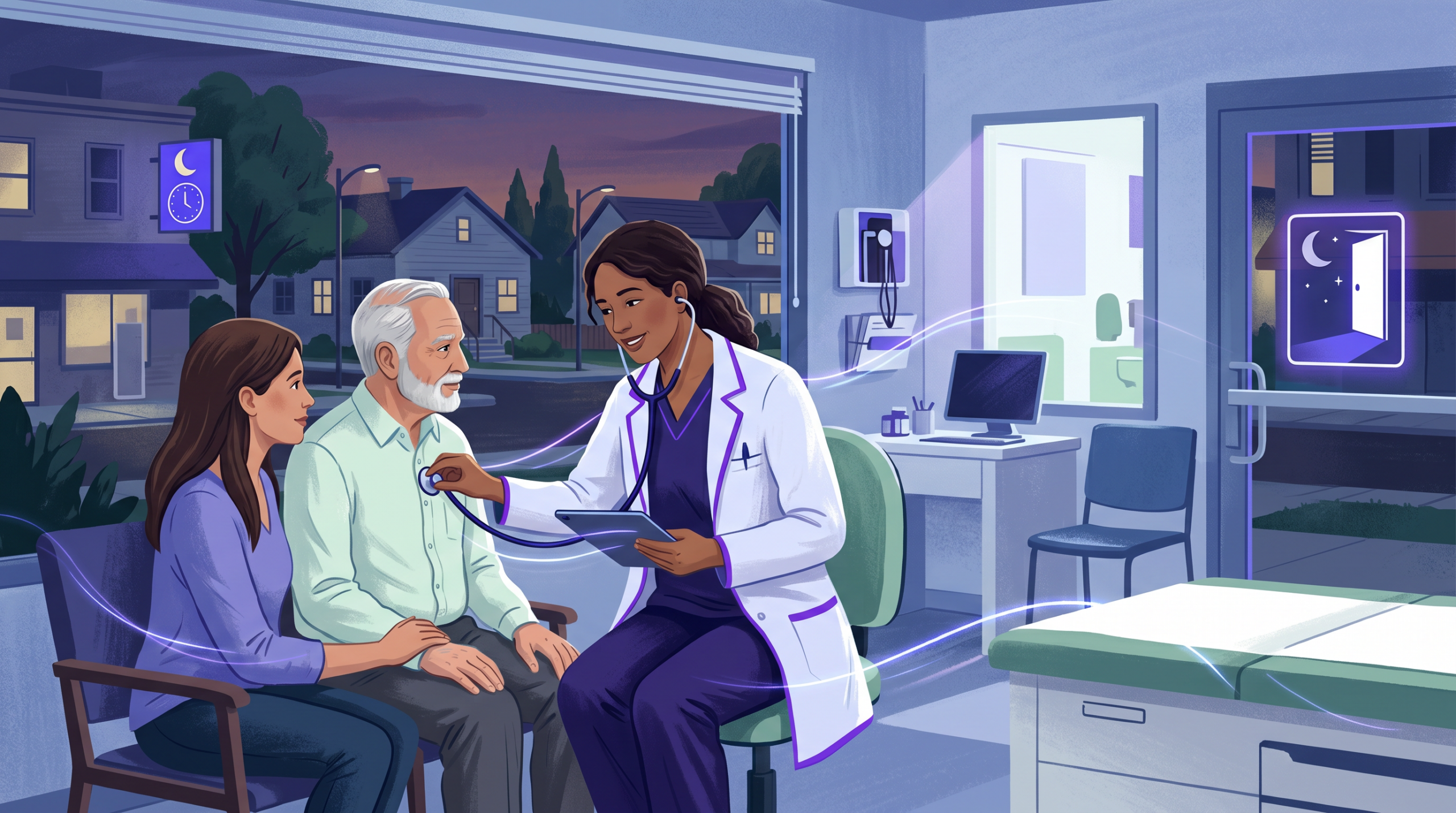
CityHealth San Leandro is open 7 days a week. Book online or walk in. No referral needed.
What Triggers an Asthma Attack?
Because knowing your triggers helps you avoid attacks, here is a list of common ones:
- Allergens: For example, pollen, pet dander, dust mites, and mold.
- Irritants: Also, tobacco smoke, air pollution, and strong odors.
- Respiratory infections: Colds, flu, COVID-19, and RSV. In fact, these are the top triggers.
- Exercise: This is called exercise-induced bronchoconstriction.
- Cold air: Because cold, dry air can cause your airways to spasm.
- Stress: Strong emotions can change your breathing patterns. As a result, this may trigger an attack.
- Certain medications: For instance, aspirin and beta-blockers can trigger asthma in some people.
After Your Visit: Your Asthma Action Plan
Your provider may help you make an asthma action plan. Here are the three zones:
- Green zone: You feel good. So take your daily controller medications.
- Yellow zone: You notice early warning signs. Therefore, increase your medication.
- Red zone: This is an emergency. Follow your emergency steps right away.
The National Heart, Lung, and Blood Institute says every asthma patient should have a written plan. So ask your provider about one.
How Bad Is Your Asthma Attack?
Not every asthma episode needs urgent care. However, certain signs mean you should see a provider today:
- Your rescue inhaler is not helping within 15 to 20 minutes.
- Also, your symptoms are getting worse even with treatment.
- You have trouble speaking full sentences.
- Your lips or nails look blue or gray.
- Furthermore, this is your worst attack ever.
If you are turning blue or getting worse fast, call 911. Because severe asthma attacks can be fatal.
Book Same-Day Asthma Treatment San Leandro
CityHealth San Leandro is open 7 days. Walk-ins welcome. Most insurance accepted.
Asthma Treatment Options at CityHealth
For a moderate asthma flare-up, CityHealth offers these options:
- Nebulizer: Medication goes to your lungs via mist. Because it is more effective, this is the go-to for flare-ups.
- Oxygen check: Also, we track your blood oxygen throughout the visit.
- Oral steroids: For instance, prednisone pills cut airway swelling quickly.
- Inhaler prescription: Then, we can write new or refill prescriptions for inhalers.
- Peak flow test: In addition, this test shows how severe your attack is.
- Referral: Finally, if your asthma is poorly controlled, we refer you to a lung specialist.
Managing Asthma Long-Term
Urgent care treats attacks. However, it is not a replacement for ongoing management. If your asthma needs frequent urgent visits, you need a long-term plan. Here are the key parts:
- First, a written Asthma Action Plan from your provider.
- Also, regular use of controller medication.
- Then, identifying and avoiding your triggers.
- Because respiratory infections are the top trigger, get a flu shot every year.
- Finally, regular check-ups to adjust medication.
How Much Does Asthma Treatment Cost?
The cost of asthma treatment San Leandro depends on your insurance. Here is a breakdown:
- With insurance: You pay your copay (usually $35 to $75).
- Medi-Cal: Most services are covered at little to no cost.
- Self-pay: Also, affordable rates are available. So ask at check-in.
CityHealth is not a primary care office. Instead, we are a walk-in urgent care clinic. So you do not need an appointment or referral. Just walk in for same-day asthma care.
Frequently Asked Questions
Can urgent care give nebulizer treatments?
Yes. CityHealth San Leandro has nebulizers with albuterol. Because they deliver more medication to the lungs, they work better than inhalers for moderate to severe attacks.
Should I go to urgent care or the ER?
Urgent care handles mild to moderate attacks well. However, go to the ER if you cannot speak in full sentences, have blue lips, or see no improvement.
Can urgent care prescribe inhalers?
Yes. CityHealth providers prescribe rescue and controller inhalers. So you can get your medications during a single visit.
Also, see: COVID-19 treatment | complete asthma guide
Need same-day asthma treatment San Leandro?
CityHealth is open 7 days a week with walk-in urgent care. Book online or learn more.
Asthma in Children: When to Bring Your Child to Urgent Care
Children with asthma can have attacks too. However, kids may not be able to describe their symptoms clearly. So look for these signs:
- Fast breathing or working hard to breathe.
- Also, coughing that will not stop, especially at night.
- Wheezing or a whistling sound when breathing out.
- Furthermore, the child seems very tired or will not play.
- Skin between the ribs pulls in with each breath.
Because children’s airways are smaller, asthma attacks can get worse faster in kids. Therefore, do not wait if your child shows any of these signs. Bring them to CityHealth San Leandro for same-day care. Also, make sure your child has an up-to-date asthma action plan from their doctor.
When to Follow Up After an Asthma Attack
After your urgent care visit, follow-up care is important. Here is when to come back or see your regular doctor:
- First, within 1 to 2 days if your symptoms are not getting better.
- Also, within 1 week if you were given oral steroids (to check your progress).
- Then, within 1 month to review your asthma action plan and medications.
- Furthermore, right away if your symptoms come back or get worse.
Because asthma is a long-term condition, regular follow-up helps keep it under control. So do not skip your follow-up visits.