Quick Answer: What Is Specialty Care?
Specialty care is medical treatment provided by doctors who have advanced training in a specific area of medicine. These specialists focus on one body system or condition. Examples include dermatology, cardiology, orthopedics, and oncology. You typically need a referral from your primary care doctor or urgent care provider to see a specialist.
If your doctor has mentioned a referral to a specialist, you may be wondering: what is specialty care, and how is it different from the care you already receive? The answer is straightforward. Specialty care targets specific health issues with focused expertise that general practitioners do not provide. Additionally, specialists use advanced diagnostic tools and treatment methods that go beyond what a typical office visit covers.
This guide explains what specialty care includes, when you need it, and how to access it through CityHealth in San Leandro and Oakland.
What Is Specialty Care? A Clear Definition
Specialty care refers to medical services provided by physicians who completed extra years of training in a specific field. These doctors diagnose and treat conditions that require deep expertise. For example, a cardiologist spends 3 additional years studying heart conditions after completing medical school and residency.
Think of it this way: your primary care doctor is a generalist who handles a wide range of health issues. However, when a condition requires focused attention, they refer you to a specialist. That specialist has the training, tools, and experience to manage your specific problem.
Examples of Specialty Care Services
Specialty care covers many areas of medicine. Here are the most common types you may encounter:
- Dermatology: Treats skin conditions like acne, eczema, psoriasis, and skin cancer. CityHealth offers dermatology services at our Oakland Montclair location.
- Cardiology: Focuses on heart and blood vessel conditions. This includes heart disease, high blood pressure, and heart rhythm problems.
- Orthopedics: Treats bones, joints, muscles, and ligaments. Common reasons include fractures, joint pain, and sports injuries.
- Oncology: Specializes in cancer diagnosis and treatment. Oncologists create treatment plans that may include surgery, chemotherapy, or radiation.
- Neurology: Addresses brain and nervous system conditions. This includes migraines, seizures, and nerve disorders.
- Gastroenterology: Treats digestive system issues like acid reflux, IBS, and liver disease.
- Endocrinology: Manages hormone-related conditions including diabetes and thyroid disorders.
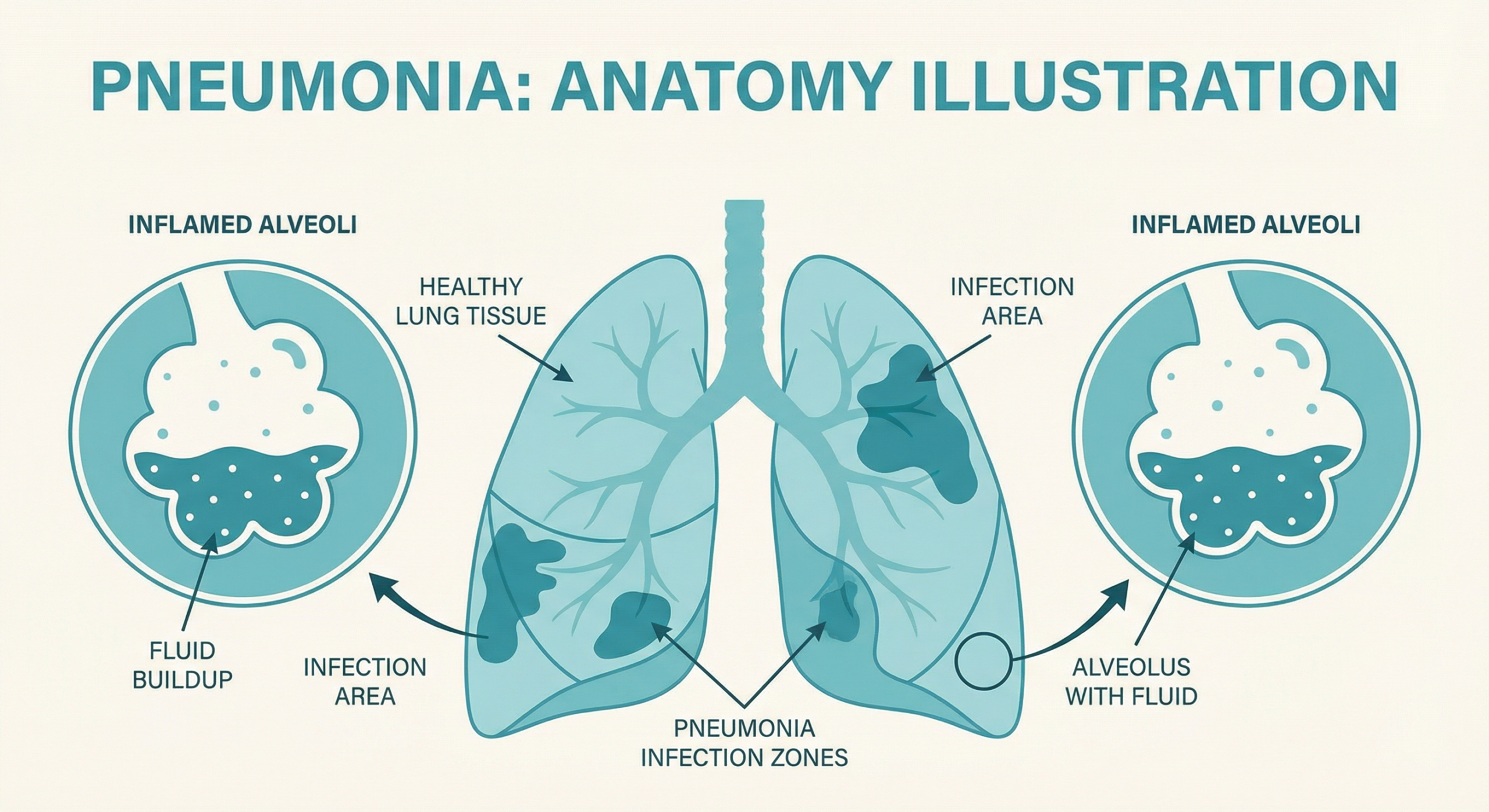
- Pulmonology: Focuses on lung and breathing conditions like asthma and COPD.
Because each specialist focuses on one area, they stay current on the latest research and treatments in their field. As a result, patients often receive more precise diagnoses and targeted treatment plans.
What Is Specialty Care vs. Primary Care vs. Urgent Care?
Understanding the differences helps you get the right care at the right time:
| Type of Care | What It Covers | When to Use It |
|---|---|---|
| Primary Care | General health, preventive care, chronic disease management | Annual checkups, ongoing conditions, referrals |
| Urgent Care | Non-emergency illness and injury, lab work, X-rays | Same-day issues when your doctor is unavailable |
| Specialty Care | Focused treatment for specific organs or conditions | Complex or chronic conditions needing expert attention |
| Emergency Care | Life-threatening emergencies | Chest pain, stroke, severe trauma, uncontrolled bleeding |
Urgent care and primary care often serve as the starting point. From there, your provider determines whether specialty care is necessary. For instance, if you visit CityHealth for a persistent skin rash, we may refer you to our dermatology team for further evaluation.
When Do You Need Specialty Care?
Your primary care doctor or urgent care provider will recommend a specialist when:
- Your condition is complex. For example, a rash that does not respond to standard treatment may need a dermatologist.
- You need advanced testing. Some conditions require specialized imaging, biopsies, or genetic testing.
- You have a chronic disease. Conditions like diabetes, heart disease, or autoimmune disorders often benefit from specialist oversight.
- Standard treatment is not working. When first-line treatments fail, a specialist can offer alternative approaches.
- You need a surgical evaluation. Many procedures require a surgeon with training in that specific area.
You do not always need a referral. Some insurance plans, particularly PPOs, allow you to see specialists directly. However, HMO plans and Medi-Cal typically require a referral from your primary care provider first.
How to Access Specialty Care
Getting specialty care involves a few simple steps:
- Talk to your primary care provider or urgent care doctor. Describe your symptoms and concerns. They will assess whether you need a specialist.
- Get a referral if needed. Your provider submits a referral to the specialist. This is required for most HMO and Medi-Cal plans.
- Schedule your appointment. Wait times vary by specialty and urgency. Some specialists have openings within days. Others may take weeks.
- Bring your records. The specialist needs your medical history, test results, and referral documentation. Bring everything to your first appointment.
- Follow up with your primary care doctor. After your specialist visit, your primary care provider coordinates ongoing treatment.
CityHealth makes this process easier. Because we are affiliated with BASS Medical Group, one of the Bay Area’s largest physician networks, our patients have direct access to specialists across multiple fields. As a result, referrals move faster and communication between providers is seamless.
What Is Specialty Care at CityHealth?
CityHealth provides both urgent care and specialty care in the East Bay:
- Urgent Care (San Leandro): Walk-in care 7 days a week. No appointment needed. On-site lab work, X-rays, STI testing, and more.
- Dermatology (Oakland Montclair): Specialty skin care including acne treatment, eczema, mole checks, and cosmetic dermatology. Available Wednesdays.
- Specialist Referrals: Through our BASS Medical Group affiliation, we connect patients to cardiologists, orthopedists, neurologists, and other specialists across the Bay Area.
If you are not sure whether you need urgent care or specialty care, start at CityHealth. Our providers evaluate your condition and guide you to the right next step.
Does Insurance Cover Specialty Care?
Most insurance plans cover specialty care, though coverage details vary:
- PPO plans: Typically cover in-network specialists with a copay. Some allow you to see specialists without a referral.
- HMO plans: Require a referral from your primary care provider. Copays are usually lower when you stay in-network.
- Medi-Cal: Covers specialty care with a referral. No copay for most services.
- Alameda Alliance for Health: Covers specialty care for Alameda County Medi-Cal members with a referral.
Always check with your insurance provider before scheduling. CityHealth accepts most major plans. Call (510) 984-2489 to verify your coverage.
Need Care Today?
CityHealth serves San Leandro and Oakland with urgent care and dermatology. Same-day visits available. Walk in or book online.
Frequently Asked Questions About Specialty Care
What is specialty care?
Specialty care is medical treatment provided by doctors with advanced training in a specific area. Examples include dermatology, cardiology, orthopedics, and oncology. These specialists treat complex conditions that require focused expertise beyond what primary care or urgent care provides.
Do I need a referral for specialty care?
It depends on your insurance plan. HMO plans and Medi-Cal typically require a referral from your primary care doctor. PPO plans often let you see specialists directly. Check with your insurance provider for details.
What is the difference between specialty care and urgent care?
Urgent care treats non-emergency conditions on a walk-in basis, such as colds, sprains, and minor injuries. Specialty care provides focused treatment for complex or chronic conditions in a specific area of medicine. Urgent care is same-day; specialty care is usually by appointment.
Does CityHealth offer specialty care?
Yes. CityHealth offers dermatology at our Oakland Montclair location (Wednesdays). We also provide referrals to specialists across multiple fields through our BASS Medical Group affiliation. Our San Leandro location offers walk-in urgent care 7 days a week.
Does insurance cover specialty care?
Most insurance plans cover specialty care when you see an in-network provider. PPO plans, HMO plans, Medi-Cal, and Alameda Alliance for Health all include specialty care coverage. A referral may be required depending on your plan.