
Wondering about urgent care hernia options? CityHealth San Leandro evaluates hernia symptoms same-day — urgent care hernia patients receive physical exam, imaging orders if needed, and specialist referral, all in one walk-in visit.
Quick Answer: Can Urgent Care Diagnose a Hernia?
Yes. Urgent care can perform a physical exam to diagnose most hernias, order imaging if needed, prescribe pain relief, and refer you to a general surgeon. CityHealth San Leandro treats hernia symptoms walk-in — no appointment needed.
A bulge in your groin, abdomen, or belly button is alarming — especially when it is painful. If you are wondering whether urgent care can diagnose and treat a hernia, the answer is yes. Urgent care is an appropriate first step for evaluating hernia symptoms, providing pain management, and coordinating specialist care.
What Is a Hernia?
A hernia occurs when an organ or tissue pushes through a weak spot in the surrounding muscle or connective tissue. The most common locations are the abdomen and groin. Hernias are not always painful, but they can become dangerous if the tissue becomes trapped or its blood supply is cut off.
Types of Hernias
Understanding which type of hernia you have affects how it is treated:
CityHealth offers urgent care hernia services same-day at 201 Dolores Ave, San Leandro — walk in anytime.
- Inguinal hernia (groin) — Most common type, especially in men. A loop of intestine or fatty tissue pushes through the inguinal canal in the lower abdomen. You may see a bulge on one or both sides of the pubic bone.
- Umbilical hernia (belly button) — Common in infants, but also occurs in adults, especially those who are overweight, pregnant, or have had multiple pregnancies. Tissue pushes through the abdominal wall near the navel.
- Hiatal hernia — The upper part of the stomach pushes through the diaphragm into the chest. This type causes heartburn and acid reflux rather than a visible bulge. Urgent care can evaluate symptoms and rule out other causes.
- Femoral hernia — Similar to an inguinal hernia but in a different location in the upper thigh. More common in women. Higher risk of becoming strangulated.
- Incisional hernia — Develops at the site of a prior surgical incision where the abdominal wall has weakened.
- Ventral/epigastric hernia — Tissue pushes through the front of the abdominal wall between the belly button and chest.
Hernia Symptoms
Symptoms vary depending on the type and severity of the hernia:
- A visible bulge or lump in the groin, abdomen, or belly button area
- Aching or discomfort at the site, especially when bending, coughing, or lifting
- A feeling of heaviness or pressure in the abdomen or groin
- Heartburn, regurgitation, or chest pain (hiatal hernia)
- Pain that worsens at the end of the day or after prolonged standing
- The bulge may disappear when lying down and return when upright
When to Go to Urgent Care for a Hernia
Go to urgent care for hernia evaluation when:
- You have a new bulge or lump you have not seen a provider about
- You have hernia pain that is manageable but affecting your daily life
- You want a diagnosis and referral to a surgeon without a long wait for a primary care appointment
- Your hernia is uncomfortable but the bulge pushes back in when you lie down or apply gentle pressure (reducible)
CityHealth San Leandro can examine you, confirm a hernia diagnosis, prescribe pain relief, and refer you to a general surgeon for repair. Most hernias require surgical repair — the question is timing, which your surgeon will determine.
When to Go to the ER for a Hernia
A hernia can become a medical emergency when it becomes incarcerated or strangulated. Go to the ER immediately if you experience:
- Severe, sudden pain at or around the hernia site that is not relieved by repositioning
- The bulge becomes hard, red, or dark and cannot be pushed back in
- Nausea, vomiting, or inability to have a bowel movement alongside hernia pain
- Fever with hernia pain — may indicate strangulation and tissue death
A strangulated hernia cuts off blood supply to the trapped tissue. This is a surgical emergency. Call 911 or go to the nearest ER — do not drive yourself if symptoms are severe.
How Urgent Care Diagnoses a Hernia
At CityHealth San Leandro, diagnosing a hernia starts with a physical exam. Your provider will:
- Ask about your symptoms, when they started, and what makes them better or worse
- Examine the affected area, asking you to stand and cough to make the hernia more visible
- Assess whether the hernia is reducible (can be pushed back in) or not
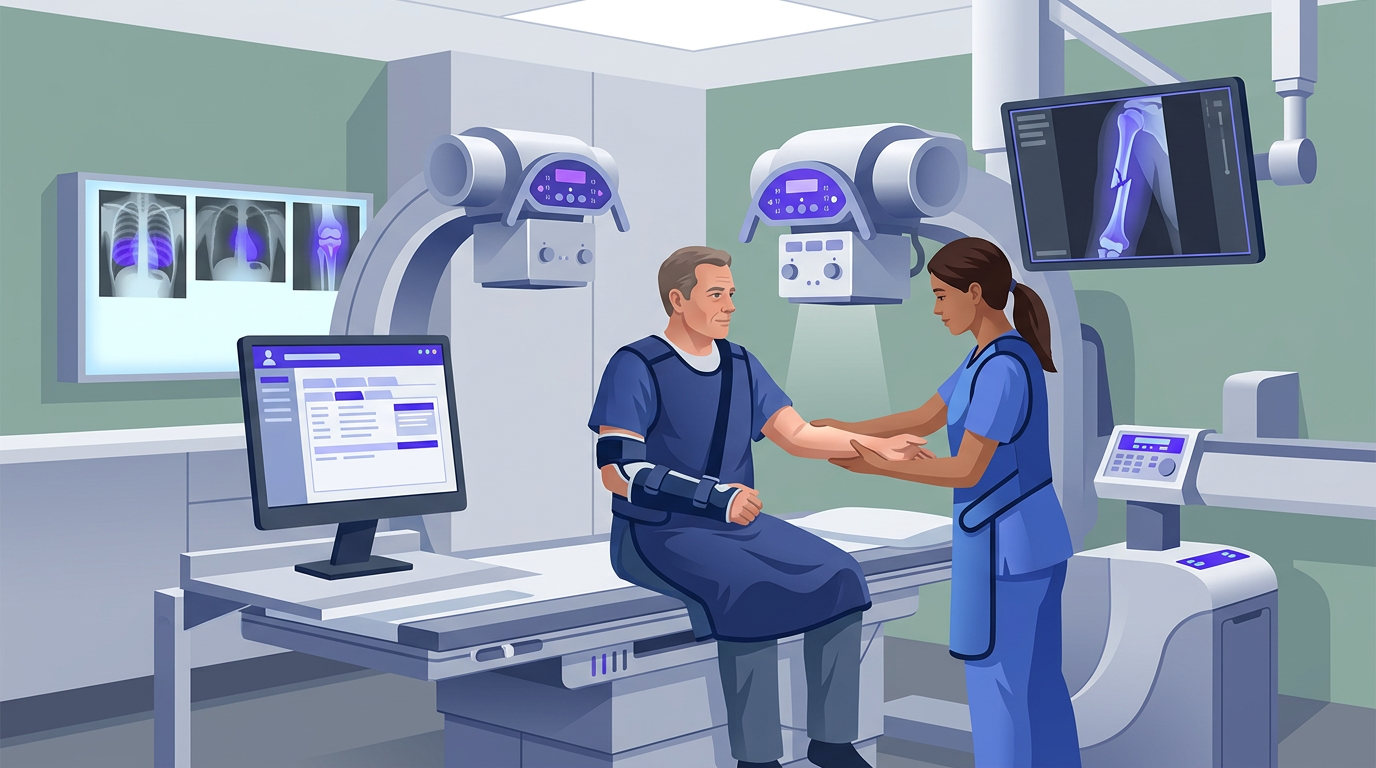
- Order imaging (ultrasound or CT scan) if the diagnosis is unclear or if complications are suspected
- Prescribe pain relief medication if appropriate
- Provide a referral to a general surgeon for repair consultation
Hernia Treatment: What to Expect
Urgent care does not perform hernia surgery. Hernia repair is a surgical procedure done by a general surgeon. However, urgent care plays a critical role in the treatment pathway:
- Diagnosis and imaging — Confirming you have a hernia and what type
- Pain management — NSAIDs or other pain relievers to manage discomfort until surgery
- Surgical referral — Connecting you with a general surgeon for repair planning
- Activity guidance — Advising on what to avoid while waiting for surgery (heavy lifting, straining)
Most hernias require surgical repair to prevent them from becoming incarcerated or strangulated. The timing depends on the type of hernia, your symptoms, and your overall health. Your surgeon will help you decide between watchful waiting and prompt surgical repair.
Hernia Risk Factors
Some people are more likely to develop hernias than others. Risk factors include:
- Male sex — Inguinal hernias are far more common in men due to anatomy
- Obesity — Extra abdominal weight strains the abdominal wall
- Chronic cough — Persistent coughing from COPD or smoking increases abdominal pressure
- Constipation — Straining during bowel movements weakens the abdominal wall over time
- Previous surgery — Prior abdominal operations create weaknesses where incisional hernias can develop
- Pregnancy — Increased abdominal pressure, especially in multiple pregnancies
- Heavy lifting — Jobs or activities that require lifting heavy objects without proper technique
- Family history — Hernias can run in families due to inherent connective tissue weakness
Frequently Asked Questions
Can urgent care diagnose a hernia?
Yes. Urgent care providers can diagnose most hernias through physical examination. Imaging such as an ultrasound may be ordered if the hernia is not obvious or to rule out other conditions. CityHealth San Leandro can diagnose and refer you to a surgeon the same day.
Can a hernia heal on its own?
No. Hernias do not heal without surgical repair. They may remain stable for a long time, but they can grow larger and increase the risk of dangerous complications (incarceration and strangulation). Most hernias will eventually need surgical repair.
Can urgent care treat hernia pain?
Yes. Urgent care can prescribe pain relief (NSAIDs, acetaminophen) to manage hernia discomfort while you wait for a surgical consultation. Urgent care cannot repair the hernia itself.
What does a hernia feel like?
Most hernias feel like a soft bulge or lump under the skin that may or may not be painful. Inguinal hernias often cause an aching sensation in the groin that worsens with standing, coughing, or lifting. Some hernias cause no discomfort at all and are noticed only as a visible bulge.
Is it safe to push a hernia back in?
If the hernia is soft and reducible, gently lying down and applying light pressure may push it back in. Do not force it. If the hernia is hard, very tender, or discolored, do not attempt to push it in — go to the ER immediately.
Hernia Symptoms? Get Same-Day Evaluation at CityHealth San Leandro
No appointment needed. Our providers can diagnose your hernia, prescribe pain relief, and connect you with a surgeon. Walk-ins welcome 7 days a week.
Book a VisitFor more information about hernias, visit the National Institute of Diabetes and Digestive and Kidney Diseases hernia overview.